What are Rodents?
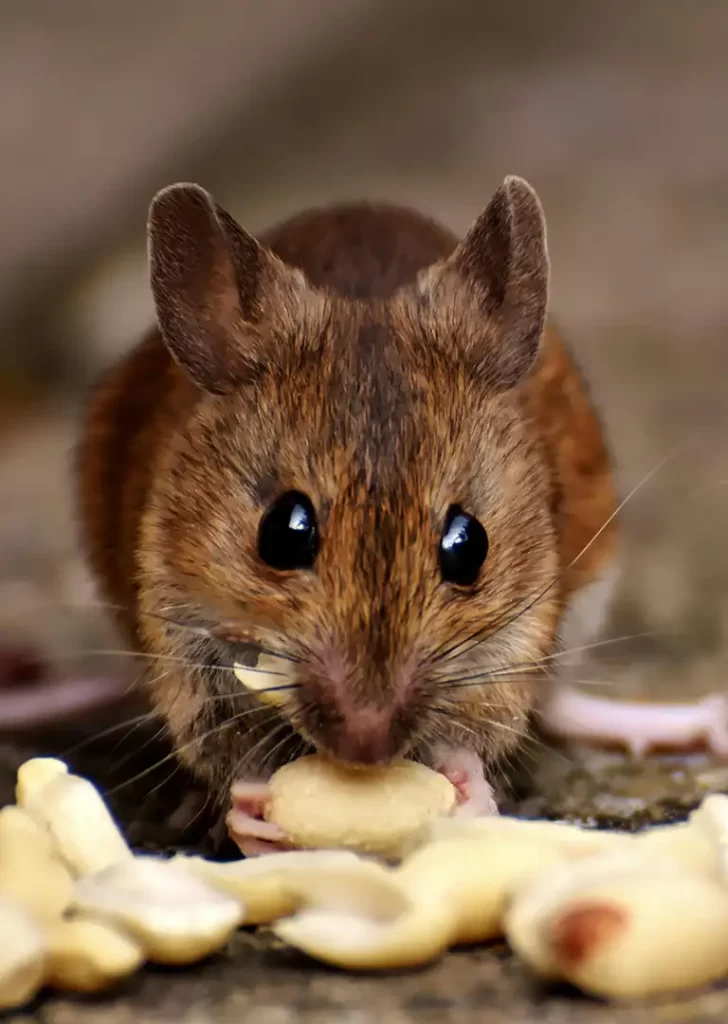
Rodents—including mice, rats, voles, and gophers—are common and destructive pests that can cause serious problems in both homes and landscapes. These pests are known for their constant gnawing, which can damage wiring, insulation, walls, and personal belongings, and even pose fire hazards. They contaminate food and surfaces with their droppings, urine, and fur, potentially spreading diseases like hantavirus, salmonella, and leptospirosis. Outdoors, rodents like gophers and voles can wreak havoc on lawns and gardens by digging tunnels, eating roots, and destroying plants. Because they reproduce quickly and often stay hidden, even a small infestation can escalate rapidly, making early prevention and professional control essential to protecting your property and health.
Types of Rodents
Mice
Mice pests in Utah—primarily house mice and deer mice—are small, fast-breeding rodents that commonly invade homes, sheds, and garages in search of food, warmth, and shelter. The house mouse (Mus musculus) is the most widespread indoor species, typically gray or brown with a slender body and long tail. Deer mice (Peromyscus maniculatus), more common in rural and outdoor settings, have a brown body with white feet and belly, and are known carriers of hantavirus, a potentially serious health risk. Mice can cause significant damage by gnawing on wires, insulation, and food packaging, and they contaminate surfaces with droppings and urine. Their small size allows them to squeeze through tiny gaps, making it easy for them to infest homes. Prevention includes sealing entry points, storing food properly, and maintaining clean, clutter-free spaces.
Species of Mice
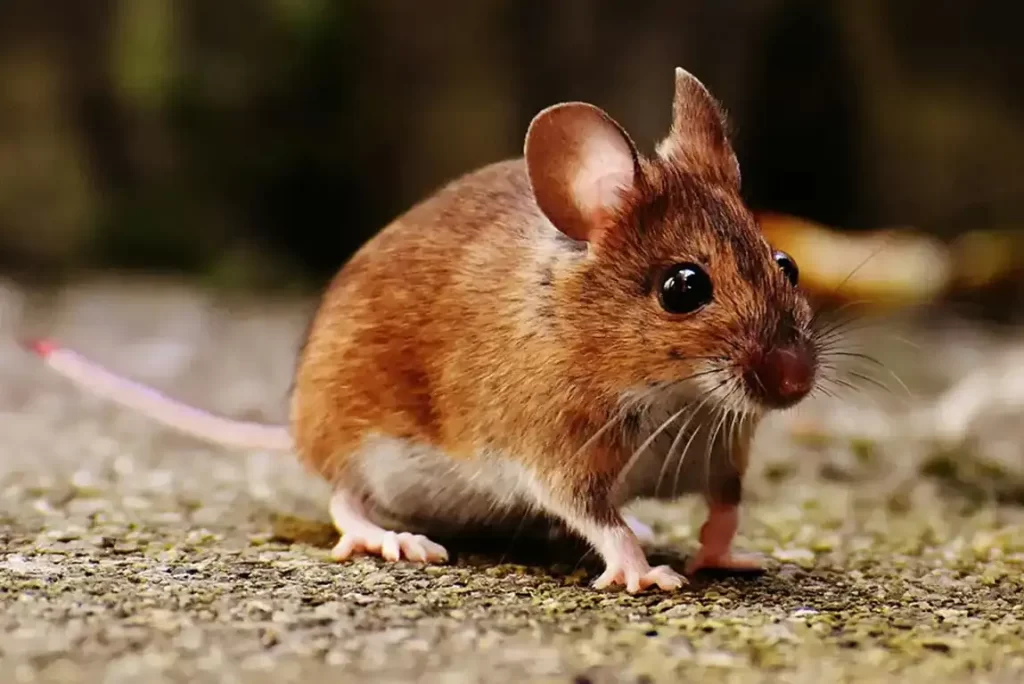
House Mouse
The house mouse is the most common rodent pest in Utah homes, known for its small size, gray or light brown fur, large ears, and long, scaly tail. Typically measuring around 2.5 to 4 inches in body length (excluding the tail), house mice are agile climbers and excellent at squeezing through openings as small as a dime. They are highly adaptable and reproduce quickly, making infestations grow rapidly if not addressed. House mice are often found in walls, attics, kitchens, basements, and garages, where they gnaw on food packaging, wires, insulation, and even furniture. Their presence poses both property damage risks and health concerns, as they contaminate surfaces and food with droppings, urine, and hair, and may spread bacteria or allergens.
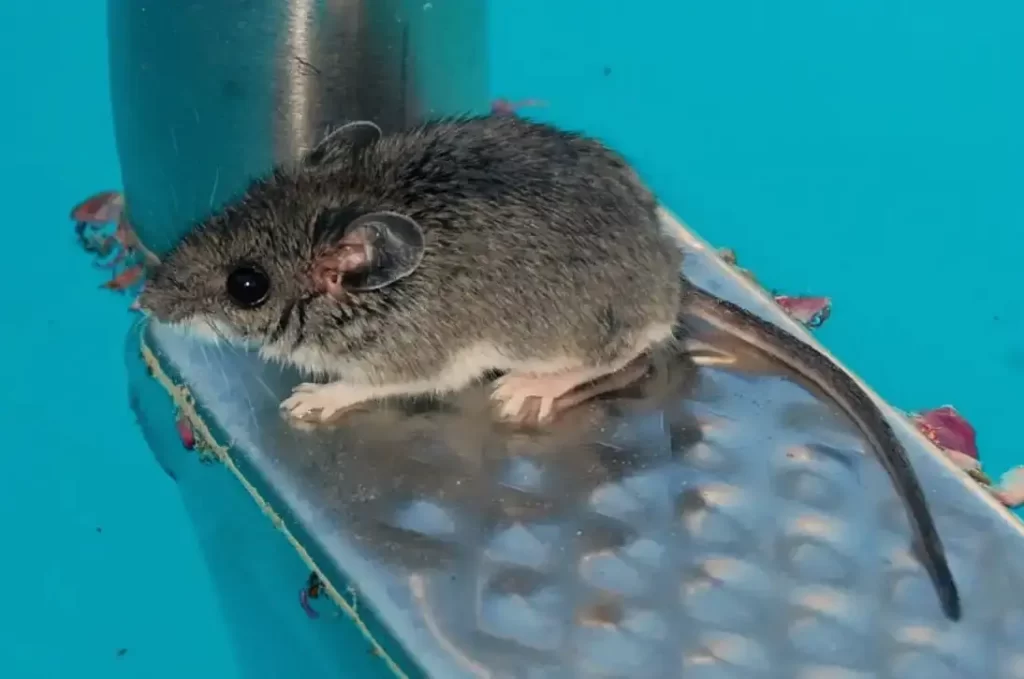
Deer Mouse
The deer mouse is a common rodent pest in Utah, especially in rural, wooded, and agricultural areas, though it can also invade homes, garages, sheds, and cabins. It is easily recognized by its brown or gray upper body, white underbelly and feet, and a distinctly bicolored tail. Deer mice are small and agile, often nesting in secluded areas like wall voids, basements, storage boxes, or attic insulation. While they may appear less threatening than other rodents, they are notorious carriers of hantavirus, a potentially deadly respiratory disease transmitted through inhaling dust contaminated with their dried droppings or urine. Like other mice, they can cause property damage by chewing on wires, food containers, and insulation, and should be controlled promptly if found indoors.
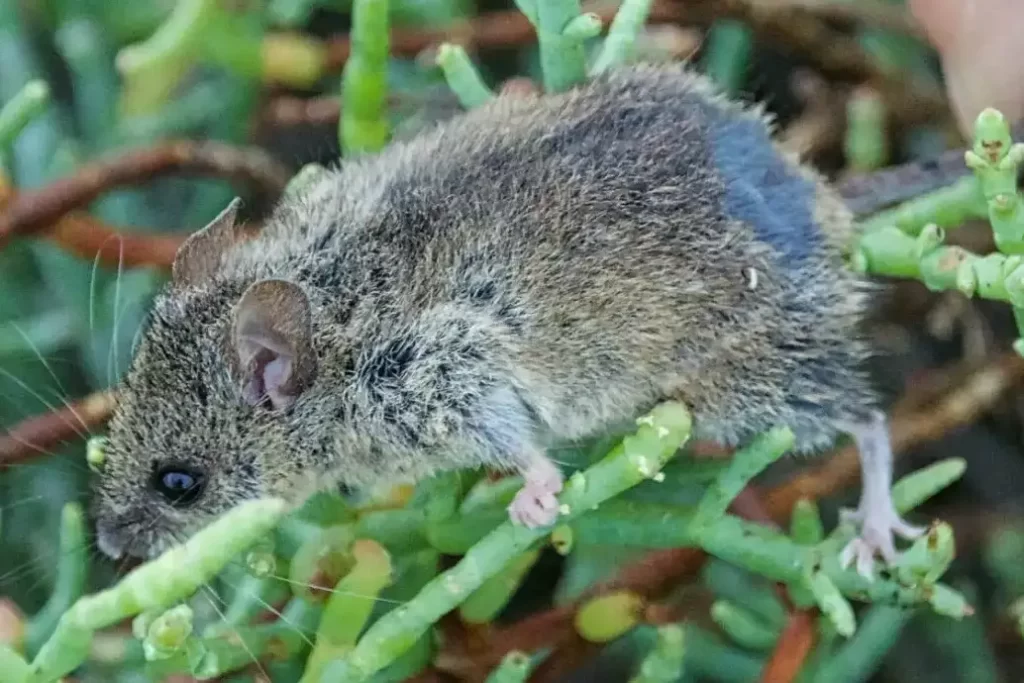
Western Harvest Mouse
The Western harvest mouse is a small rodent pest found in Utah, typically inhabiting grassy fields, meadows, and weedy areas, but occasionally entering homes, garages, or sheds during colder months. It has a slender body, grayish-brown fur with a white underbelly, large ears, and a distinctly bicolored tail. Smaller than house mice, western harvest mice are primarily nocturnal and shy, building grass nests near the ground and feeding on seeds, grains, and vegetation. While they are not as commonly encountered indoors, they can still cause damage to stored food, nesting materials, and insulation, and may carry parasites or bacteria. Prevention includes clearing dense vegetation near buildings and sealing small exterior openings to keep them out.
Mouse in the House
Rats
Rat pests in Utah—primarily the Norway rat and roof rat—are large, destructive rodents that pose serious risks to homes, businesses, and public health. Norway rats are burrowing rodents that live in basements, crawl spaces, and around foundations, while roof rats are excellent climbers, often nesting in attics, rafters, and walls. Rats can grow up to 9 inches long (not including the tail) and have strong teeth capable of gnawing through wood, plastic, wiring, and even soft metals, leading to structural damage and potential fire hazards. They contaminate food and surfaces with urine, feces, and hair, and are known to carry diseases such as leptospirosis, salmonella, and rat-bite fever. Because of their ability to reproduce quickly and avoid detection, rat infestations can escalate rapidly and require prompt action to eliminate and prevent further problems.
Species of Rats
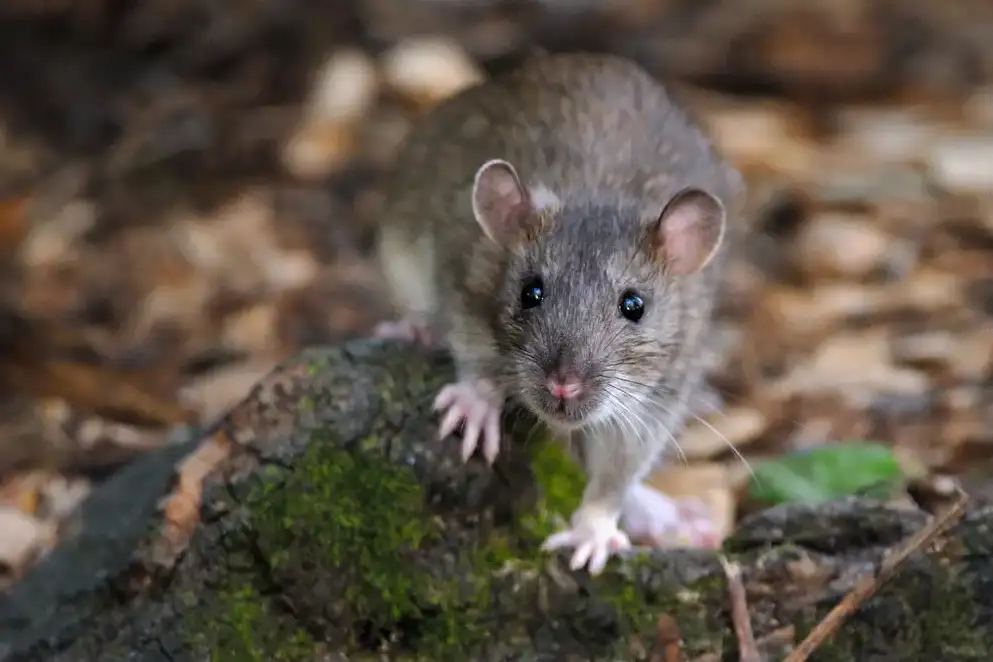
Norway Rat
The Norway rat, also known as the brown rat or sewer rat, is one of the most common and destructive rodent pests in Utah. These rats are large and stocky, typically measuring 7 to 9.5 inches in body length, with a blunt nose, small ears, coarse brown or gray fur, and a scaly tail that is shorter than the body. Norway rats are excellent burrowers and often nest in basements, crawl spaces, sewers, and along foundations, especially in cluttered or poorly sealed environments. They are strong gnawers, capable of chewing through wood, plastic, and even soft metals, leading to structural damage and potential fire hazards. In addition to damaging property, Norway rats contaminate food and surfaces with urine, droppings, and hair, and can transmit serious diseases such as leptospirosis, salmonella, and hantavirus. Their presence requires prompt attention, as they reproduce rapidly and are highly adaptable.
Roof Rat
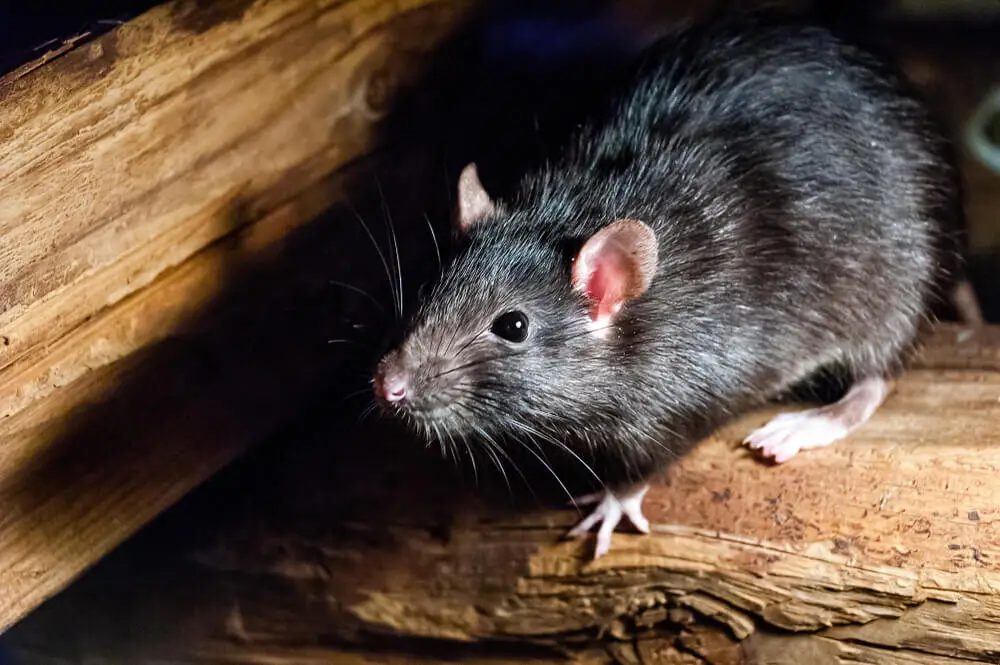
The roof rat, also known as the black rat or ship rat, is a common rodent pest in Utah, particularly in warmer or urban areas. Sleeker and more agile than the Norway rat, roof rats have dark brown to black fur, a pointed nose, large ears, and a long, scaly tail that is longer than their body. True to their name, they are excellent climbers, often nesting in attics, rafters, trees, and upper levels of buildings. Roof rats are highly destructive—they gnaw on wiring, insulation, stored goods, and structural materials, and they contaminate food and surfaces with droppings, urine, and hair. They are also known to spread diseases such as rat-bite fever, toxoplasmosis, and salmonella. Because of their ability to stay hidden and reproduce quickly, roof rat infestations can escalate rapidly if not properly addressed.
Oh, Rats!
Voles
Voles are small, mouse-like rodents common in Utah that primarily cause damage outdoors by feeding on the roots, bulbs, and bark of plants, trees, and shrubs. Typically about 5 to 7 inches long, voles have stocky bodies covered in soft brown or gray fur, short tails, and small eyes and ears that are often hidden in their fur. Unlike mice or rats, voles are burrowing rodents that create extensive tunnel systems just beneath the soil surface, which can disrupt lawns, gardens, and agricultural fields. Their feeding habits can girdle young trees and shrubs by chewing the bark near the base, potentially killing the plants. Voles are most active during the cooler months but can be a year-round problem. Controlling voles involves habitat modification, exclusion techniques, and, in some cases, trapping or targeted rodenticides to protect valuable plants and landscapes.
Species of Voles
Meadow Vole
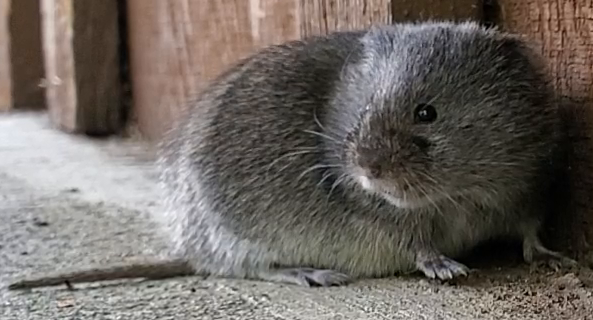
The meadow vole, also known as the field mouse or meadow mouse, is a common rodent pest in Utah’s grassy fields, lawns, and agricultural areas. It has a stocky body covered in soft brownish fur, a short tail, small ears, and a blunt nose, typically measuring about 5 to 7 inches long including the tail. Meadow voles create an extensive network of shallow surface runways through grass and vegetation, which can cause unsightly damage to turf and gardens. Their feeding habits involve gnawing on roots, bulbs, and the bark of young trees and shrubs, which can girdle and kill plants if infestations are heavy. Active mainly in cooler months, meadow voles can reproduce quickly and cause significant damage to lawns, crops, and ornamental plants if not managed properly.
Montane Vole
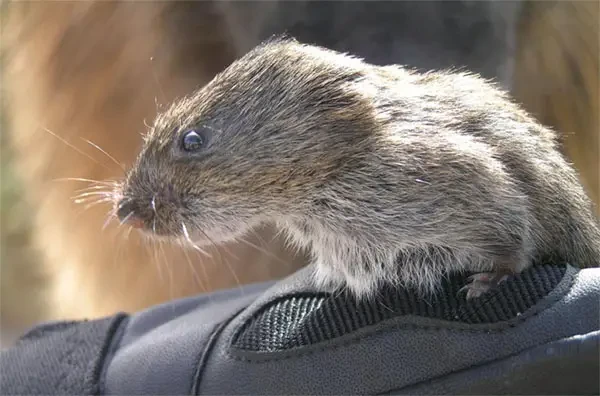
The montane vole is a common rodent pest found in Utah’s mountainous and high-elevation areas. It has a compact, stocky body covered in grayish-brown fur, a short tail, small ears, and a blunt snout, typically measuring about 5 to 7 inches long including the tail. Montane voles create extensive underground burrow systems and surface runways through grassy meadows, forests, and agricultural fields. They feed primarily on roots, bark, grasses, and other vegetation, often causing damage to crops, orchards, and young trees by girdling stems and consuming roots. Like other vole species, montane voles reproduce rapidly and can cause significant harm to landscapes and agricultural areas if populations are not controlled.
Long-Tailed Vole
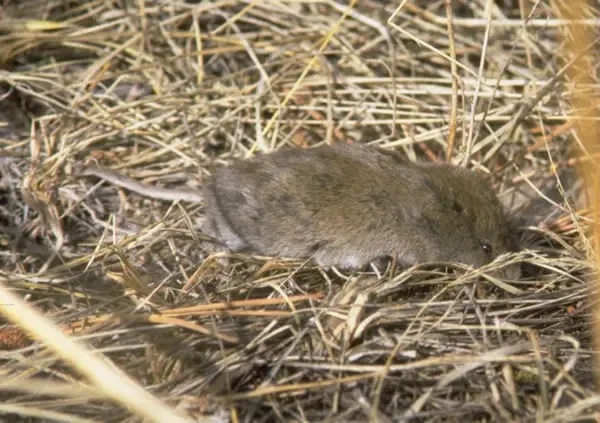
The long-tailed vole is a rodent pest found in Utah, especially in forested, shrubland, and mountainous regions. It is slightly larger than other vole species, with a more slender body and a notably longer tail—about one-third of its total body length. Its fur is typically brownish-gray, blending well with natural ground cover. Long-tailed voles create extensive burrow systems and surface runways through grasses, shrubs, and leaf litter. They feed on a variety of vegetation, including grasses, roots, bulbs, and bark, which can lead to damage in gardens, orchards, and landscaped areas. Although less common indoors, they can cause significant harm to plants and young trees by gnawing and girdling stems if populations grow unchecked.
Say No to Unwanted Voleunteers
Gophers
Gophers are burrowing rodents commonly found in Utah that cause significant damage to lawns, gardens, and agricultural fields. Recognizable by their stout bodies, short legs, and large, strong front claws, gophers dig extensive tunnel systems underground, which can uproot plants and create unsightly mounds of soil on the surface. They feed on roots, bulbs, and other underground plant parts, often killing grass, flowers, shrubs, and young trees by severing their roots. Gopher tunnels can also disrupt irrigation systems and damage landscaping structures. Because they reproduce quickly and are difficult to detect until damage appears, managing gophers promptly is important to protect plants and maintain healthy outdoor spaces. Prevention and control methods include habitat modification, trapping, and targeted rodenticides.
Species of Gophers
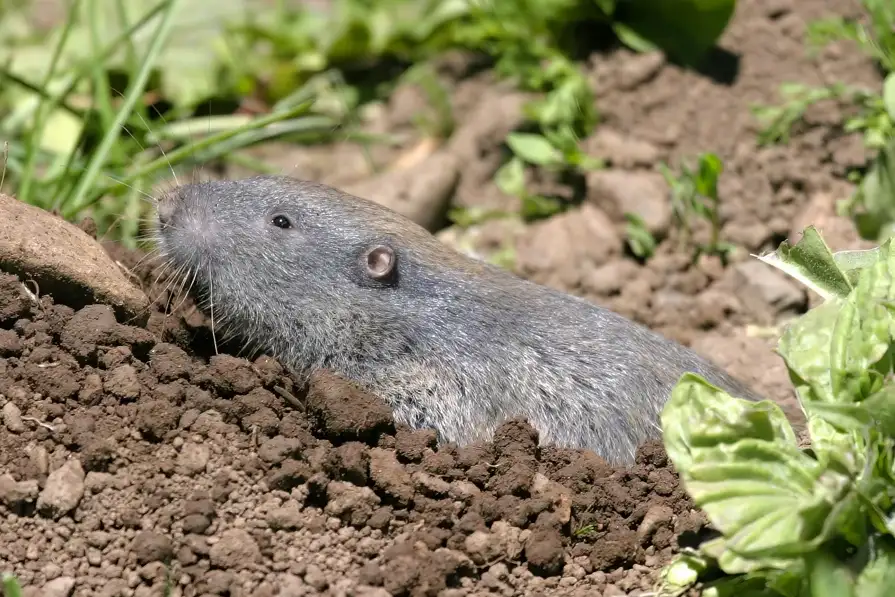
Northern Pocket Gopher
The Northern pocket gopher is a common burrowing rodent pest in Utah, notorious for its extensive underground tunnel systems that can wreak havoc on lawns, gardens, and agricultural fields. It has a stout body covered in brown to yellowish fur, large, powerful front claws adapted for digging, and distinctive fur-lined cheek pouches (“pockets”) used to carry food and soil. Northern pocket gophers feed primarily on roots, bulbs, and tubers, which can kill grass, flowers, shrubs, and young trees by severing their underground parts. Their digging activity creates unsightly mounds of soil on the surface and can disrupt irrigation systems, garden beds, and landscaping structures. Because they reproduce quickly and remain hidden underground, early detection and control are essential to prevent significant damage to plants and property.
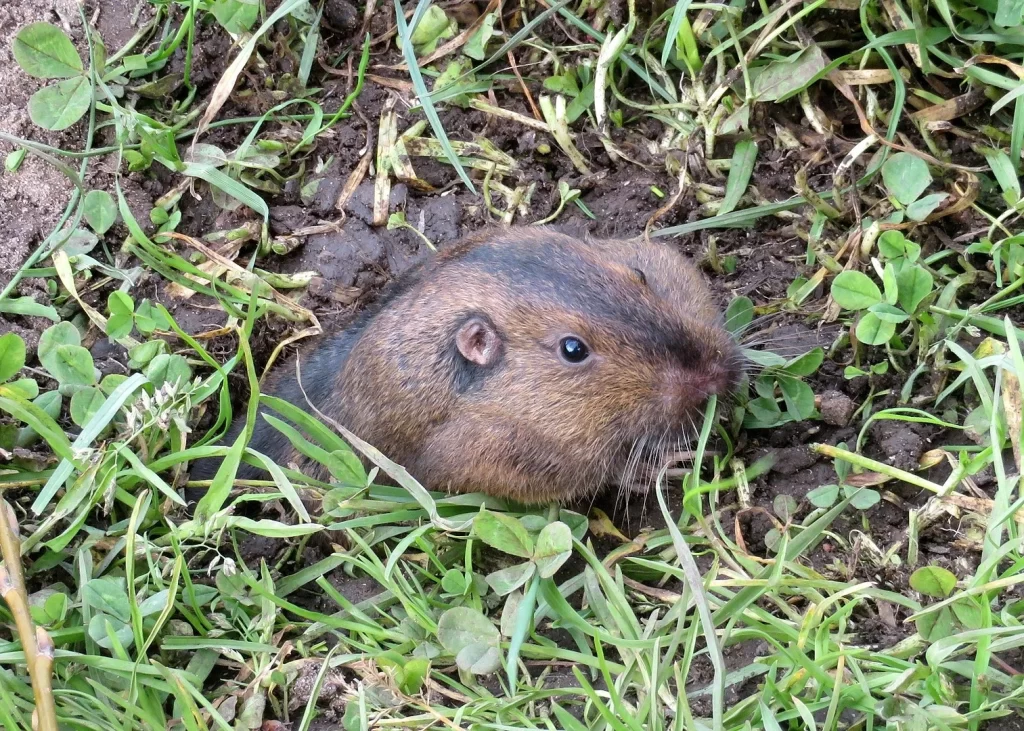
Botta’s Pocket Gopher
The Botta’s pocket gopher is a common rodent pest in Utah, especially prevalent in southern and warmer regions. It has a robust body covered with dark brown to gray fur, large front claws designed for digging, and distinctive fur-lined cheek pouches (“pockets”) used for carrying food and soil. Botta’s pocket gophers create extensive underground tunnel systems, which cause significant damage to lawns, gardens, orchards, and agricultural fields by uprooting plants and severing roots and bulbs. Their burrowing activity produces noticeable soil mounds and can disrupt irrigation lines, garden beds, and landscaping features. These gophers reproduce rapidly and can be difficult to detect due to their subterranean lifestyle, making prompt control important to minimize damage to vegetation and property.
No More Holes. No More Hassles.
Prevention Methods
While prevention methods may vary based on rodent types, there are many common methods that can help prevent against all rodents.
1. Structural Prevention
Seal cracks, gaps, and holes around foundations, walls, doors, windows, vents, and roofs using steel wool, caulk, or metal flashing.
Install door sweeps, chimney caps, and screens to block rodent access points.
Store firewood, building materials, and outdoor equipment off the ground and away from the home.
2. Sanitation and Food Management
Keep kitchens, pantries, and storage areas clean and free of crumbs and food debris.
Store food, including pet food, in airtight containers and clean up spills promptly.
Use trash cans with tight-fitting lids and empty garbage regularly.
Manage bird feeders to reduce spilled seed and clean feeding areas frequently.
3. Outdoor Habitat Management
Remove clutter, woodpiles, dense vegetation, and debris near your home to eliminate rodent hiding spots.
Keep grass, shrubs, and plants trimmed, maintaining at least an 18-inch clear zone around the foundation.
Fix leaks and eliminate standing water to reduce moisture sources.
4. Monitoring and Control
Regularly inspect your property for signs of rodents, including droppings, gnaw marks, tunnels, or burrows.
Use traps or bait stations to catch and reduce rodent populations as needed.
Implementing these prevention strategies can greatly reduce the chances of rodent infestations around your Utah property.
Have a Problem with Rodents?
If you’re having a problem with rodents, we can help. Contact us today to get a quote for pest control services.
Curious about other Pests?
Explore our pest library to learn about how to identify, prevent, and treat other common pests in Utah.