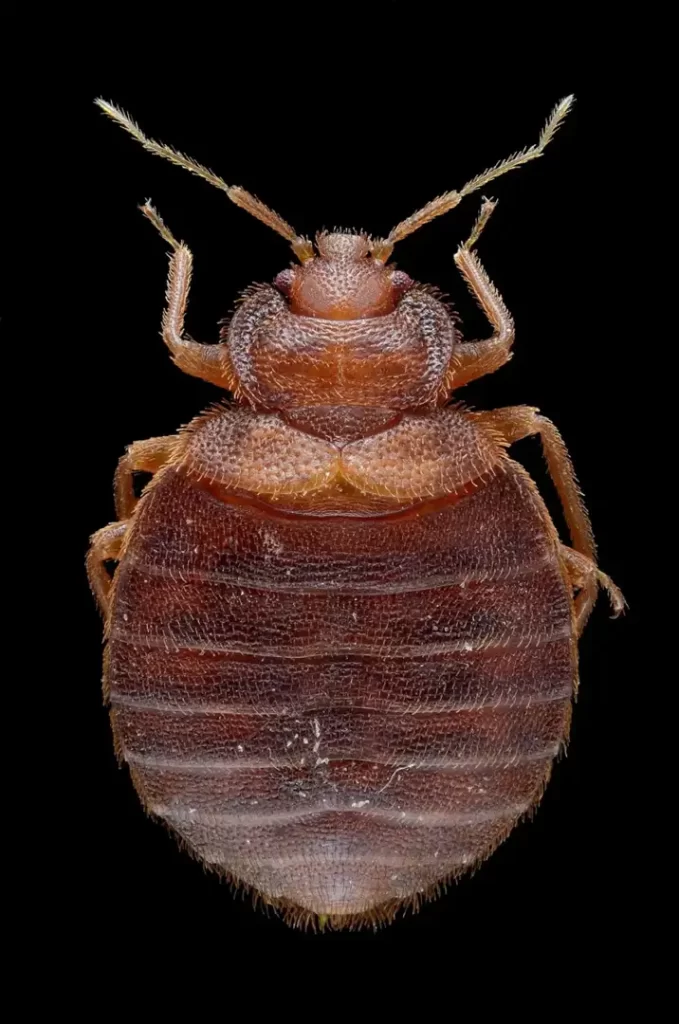
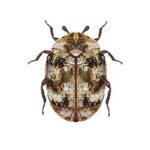
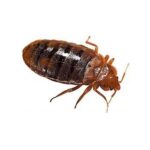
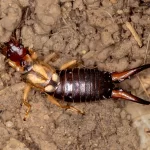
Bed bugs (Cimex lectularius) are small, flat, reddish-brown insects that feed on the blood of humans and animals, typically at night while people are sleeping. About the size of an apple seed (4–7 mm), they hide in mattress seams, box springs, bed frames, headboards, and cracks or crevices near sleeping areas. Bed bugs do not transmit disease, but their bites can cause itchy, red welts and allergic reactions in some individuals. They reproduce quickly and are notoriously difficult to eliminate without professional treatment, as they can hide in tiny spaces and survive for months without feeding.
How to Tell if You Have Bed Bugs
Signs of an infestation may include:
Small red bites (often in a line or cluster) on exposed skin
Tiny blood stains on sheets or pillowcases
Dark fecal spots on mattress seams or furniture
Shed skins or live bugs in cracks and crevices
What Causes Bed Bugs?
Bed bugs are primarily caused by accidental introduction into a living space—they don’t appear due to poor hygiene but are excellent hitchhikers. Bed bugs are attracted to body heat and the carbon dioxide we exhale, not dirt or clutter—though clutter can make them harder to detect and remove. Here’s how infestations commonly start:
1. Travel & Hotels
Bed bugs often cling to luggage, clothing, or personal items after staying in infested hotels, motels, or vacation rentals.
2. Used Furniture & Mattresses
Bringing home secondhand furniture, especially beds, couches, or chairs, is a major source of bed bug introductions if not thoroughly inspected.
3. Shared Living Spaces
They can spread from one unit to another in apartments, dorms, or multi-family housing through walls, wiring, and shared ventilation.
4. Public Places
Bed bugs can be picked up in movie theaters, public transportation, libraries, or offices where they hitch a ride on clothing or bags.
5. Visitors or Guests
Bed bugs can be unknowingly introduced by houseguests, service workers, or deliveries from infested locations.
Preventing bed bugs involves being proactive, especially when traveling, acquiring secondhand items, or living in shared spaces. Here are some effective prevention methods:
1. Be Careful When Traveling
Inspect hotel beds and furniture for signs of bed bugs: look for tiny dark spots, shed skins, or live bugs around mattress seams and headboards.
Keep luggage off the floor and bed—use a luggage rack.
Wash and dry travel clothes on high heat immediately upon returning home.
2. Inspect Secondhand Items
Carefully examine used furniture, mattresses, and clothing before bringing them into your home.
Avoid picking up items left on the curb, even if they look clean.
Use a flashlight to check crevices and seams for bed bugs or eggs.
3. Protect Your Sleeping Area
Keep beds slightly pulled away from walls and ensure bedding doesn’t touch the floor.
Declutter under and around the bed to reduce hiding spots.
4. Maintain Good Cleaning Habits
Vacuum regularly—especially around beds, baseboards, and upholstered furniture.
Empty the vacuum immediately and dispose of the contents in a sealed bag.
Reduce clutter to limit hiding places for bed bugs.
5. Be Vigilant in Shared Living Environments
In apartments, dorms, or multi-unit buildings, seal cracks and crevices around baseboards, light sockets, and pipes.
Report and address any signs of bed bugs immediately to prevent spreading between units.
6. Be Cautious with Guests and Deliveries
Be aware that guests or delivery personnel may unknowingly introduce bed bugs—inspect areas after visits if you’re concerned.
Avoid placing bags or coats on beds or furniture during visits.
Bed bugs can’t survive high heat—running items through a hot dryer (at least 120°F for 30+ minutes) can kill all life stages.
Have a Problem with Bed Bugs?
If you’re having a problem with bed bugs, we can help. DIY treatments may not be sufficient to eliminate infestations, requiring instead professional treatments. Contact us today to get a quote for pest control services