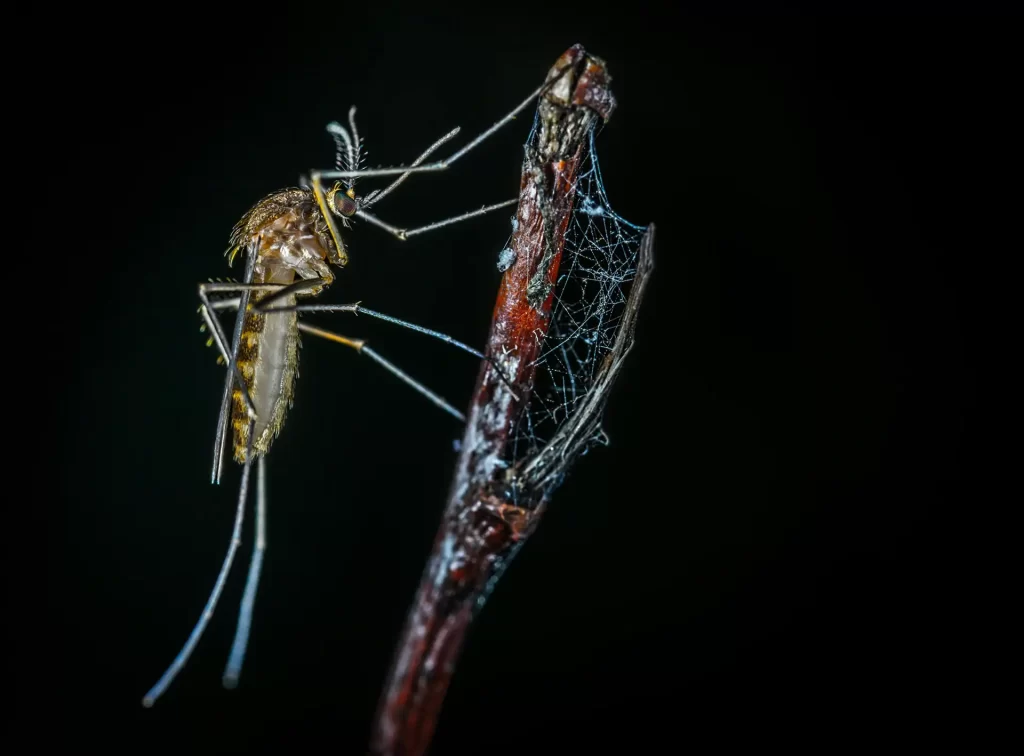
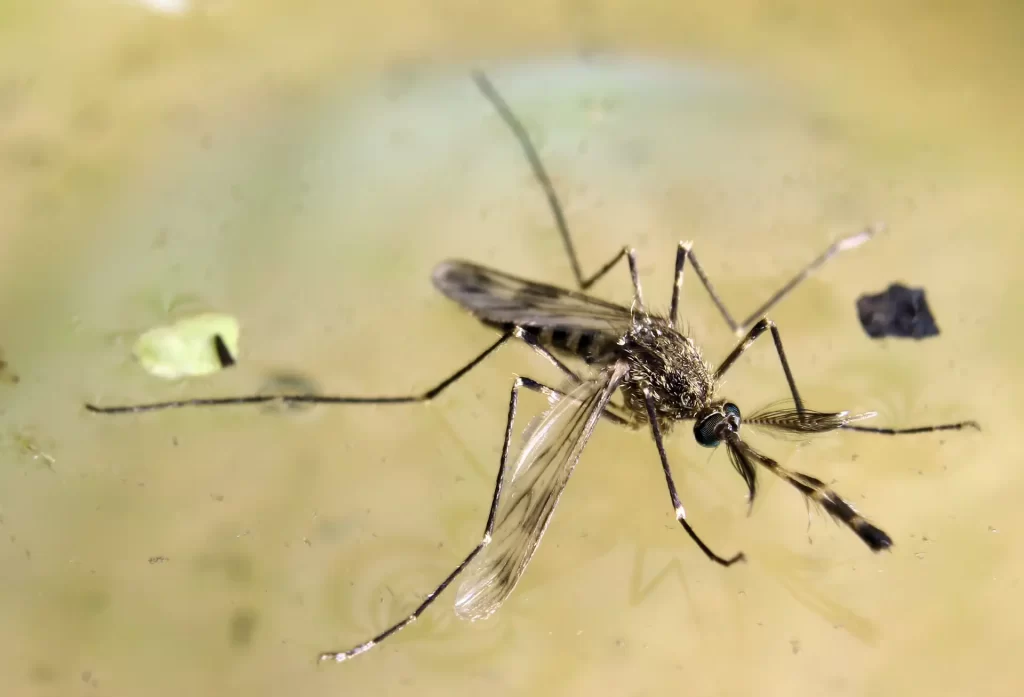
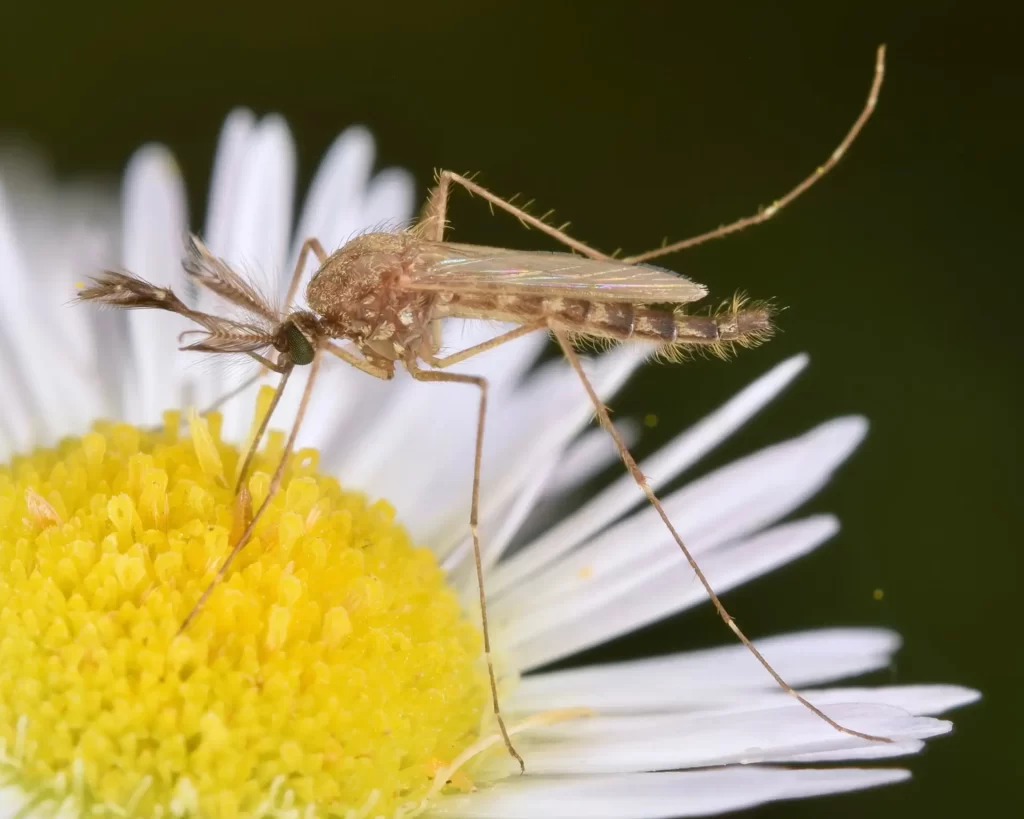
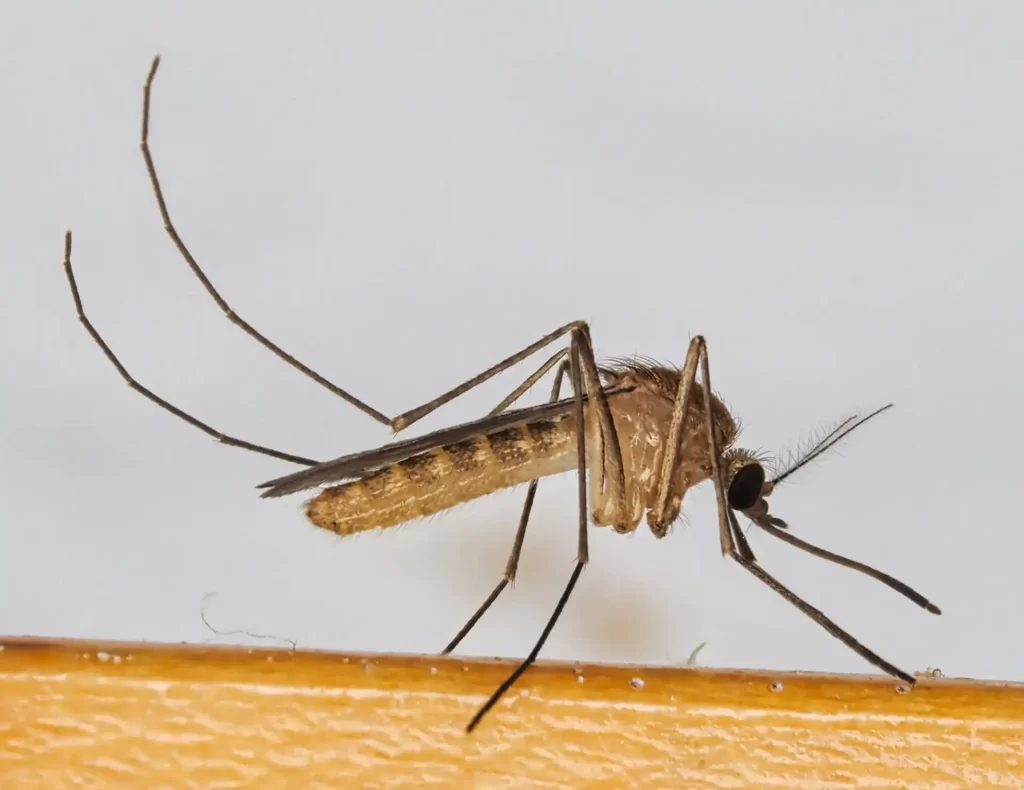
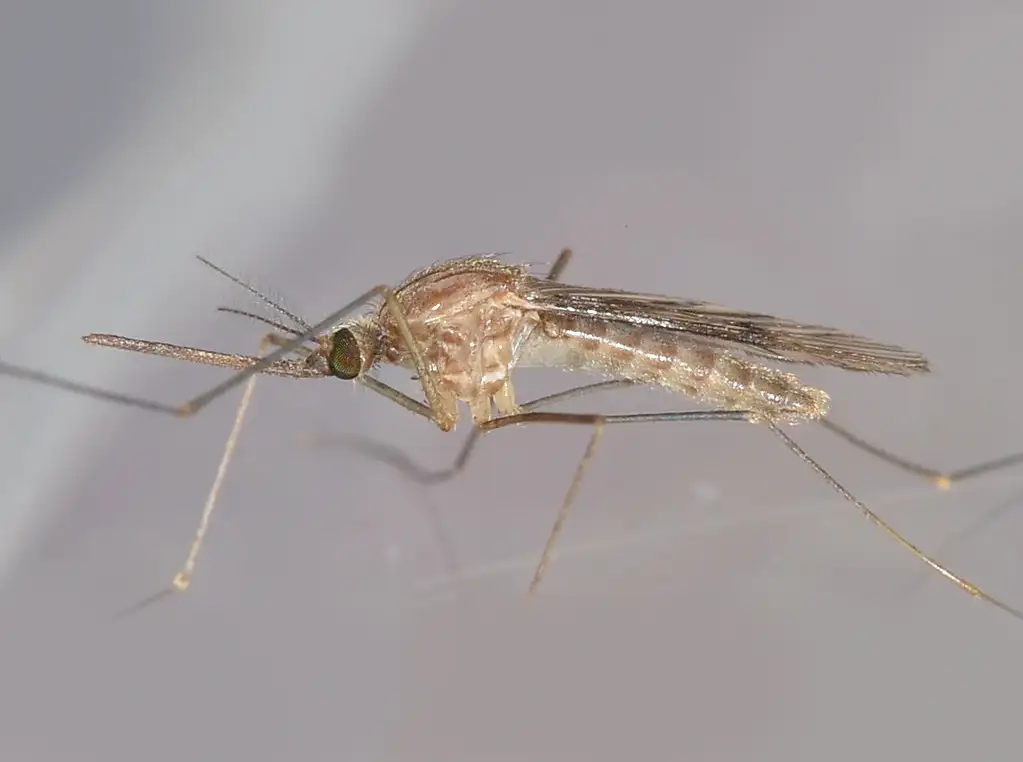
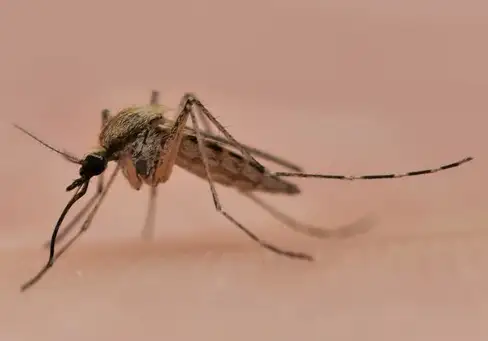
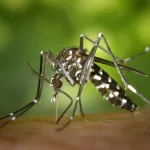
Mosquitoes are common and irritating pests in Utah, especially during the warmer months when standing water is more prevalent. These small, flying insects are known for their piercing mouthparts, which females use to bite and feed on blood, leaving behind itchy, red welts. Beyond being a nuisance, mosquitoes are also vectors of disease, capable of spreading illnesses like West Nile virus in Utah and other regions. They breed in stagnant water—such as birdbaths, clogged gutters, puddles, or unused containers—and even small amounts of standing water can produce large populations. Their buzzing, biting, and potential health risks make mosquitoes a serious concern for homeowners, especially near bodies of water or poorly drained areas. Effective control focuses on eliminating breeding sites, using repellents, and managing outdoor environments to reduce their presence.
Species of Mosquitoes
Western Encephalitis Mosquito
Culex tarsalis
The Western Encephalitis Mosquito is one of the most significant mosquito pests in Utah due to its role as a primary vector of West Nile virus and St. Louis encephalitis. It is a medium-sized mosquito with black and white banded legs and a noticeable white stripe across its proboscis. This species prefers to breed in irrigation ditches, ponds, marshes, and standing water, especially in rural or agricultural areas. The Western Encephalitis Mosquito is most active during the evening and early morning hours, when it seeks out birds and mammals—including humans—for blood meals. Its bites can cause itchy welts, and due to its disease-carrying potential, it poses a serious public health concern in Utah during mosquito season. Effective control includes removing standing water and participating in community mosquito abatement programs.
Inland Floodwater Mosquito
Aedes vexans
The Inland Floodwater Mosquito is one of the most common and aggressive biting mosquitoes in Utah. It is a medium-sized mosquito with dark brown to black coloring and white bands on its legs and abdomen, giving it a slightly striped appearance. This species breeds in temporary pools and flooded areas such as irrigated fields, roadside ditches, and low-lying spots after heavy rain or snowmelt. The Inland Floodwater Mosquito is a persistent day and night biter, often swarming humans and animals in large numbers. While not a major disease vector in Utah, its aggressive biting behavior makes it a serious nuisance pest, especially in outdoor recreational areas. Because it can travel several miles from breeding sites, controlling this mosquito often requires a broad, community-level approach, including water management and larvicide application.
Northern House Mosquito
Culex pipiens
The Northern House Mosquito is a common mosquito pest in Utah, especially in urban and suburban areas. It is a small to medium-sized mosquito with light brown coloring, narrow wings, and pale banding on its abdomen. This species prefers to breed in stagnant, polluted water such as clogged gutters, storm drains, birdbaths, old tires, and containers left outdoors. The Northern House Mosquito is most active at night and commonly enters homes in search of blood meals, targeting both humans and birds. It is an important vector of West Nile virus, making it a public health concern during summer and fall. While its bite may not be as aggressive as other mosquito species, its potential to transmit disease and thrive in human environments makes it a pest worth managing through proper sanitation and water control.
Western Malaria Mosquito
Anopheles freeborni
The Western Malaria Mosquito is a mosquito species found throughout Utah, particularly in marshes, wetlands, and agricultural areas with clean, slow-moving or still water. It is a medium-sized mosquito with dark wings speckled with pale scales, and it rests with its body at an angle, unlike most other mosquitoes that rest parallel to the surface. Historically known as the primary vector of malaria in the western United States, it no longer poses a malaria risk in Utah today due to disease eradication—but it remains important in surveillance and research. The Western Malaria Mosquito is most active at night and prefers to feed on both humans and livestock, making it a potential nuisance in rural areas. Though not a major pest in urban regions, its presence in farm zones and natural wetlands means it can still contribute to biting pressure during the warmer months.
Salt Marsh Mosquito
Aedes dorsalis
The Salt Marsh Mosquito is a common mosquito pest in Utah, particularly in areas near alkaline wetlands, salt flats, and the shores of the Great Salt Lake. It is a medium-sized mosquito with distinct white bands on its legs and abdomen, giving it a striped appearance. Known for its aggressive daytime biting behavior, The Salt Marsh Mosquito can travel long distances—sometimes several miles—from its breeding sites, making it a widespread nuisance even in residential and recreational areas far from wetlands. This species breeds in flooded salt marshes and temporary pools, especially after rainfall or snowmelt. While not a major disease vector in Utah, its persistent biting can significantly impact outdoor activities and public comfort. Effective control includes minimizing exposure in high-risk areas and participating in local mosquito abatement programs.