Wasp Control
A few wasps flying around your home can be an early sign of a much larger problem developing nearby. Agent Pest Control provides professional wasp control services for Utah homeowners, helping eliminate active nests and create a protective barrier that reduces future wasp activity around your property.
Wasp Control Services in Utah
A few wasps flying around your home may not seem like a major problem—but those early sightings often signal the beginning of a much larger issue.
Throughout Utah, wasps become active in early spring as overwintering queens emerge and begin searching for places to build new nests. What starts as a single queen can quickly turn into a colony containing hundreds of workers by the middle of summer.
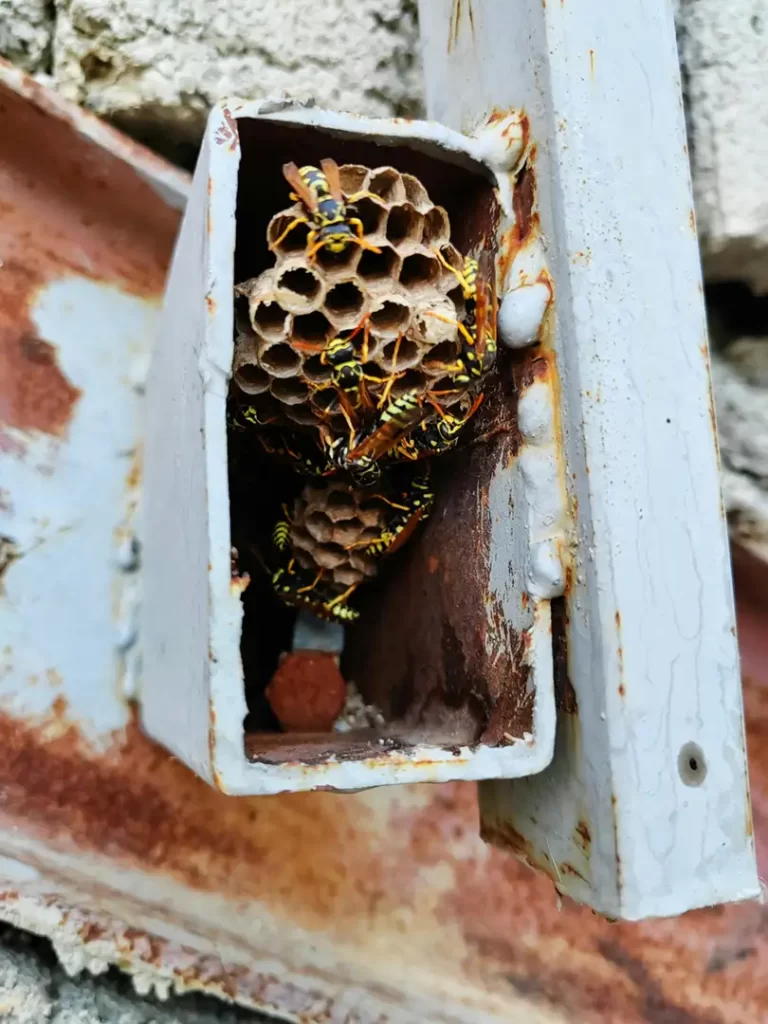
Many homeowners first notice wasps hovering around rooflines, decks, sheds, patios, or garages. Others discover nests tucked beneath eaves or hidden inside outdoor structures. By the time wasp activity becomes obvious, the colony is often already well established.
At Agent Pest Control, we help homeowners throughout Orem, Sandy, Pleasant Grove, and surrounding communities along the Wasatch Front stop wasp problems before they become dangerous. Our treatments are designed to eliminate active colonies, remove visible nests, and help prevent future nesting around your home.
The Most Common Wasps We Treat
Paper Wasps
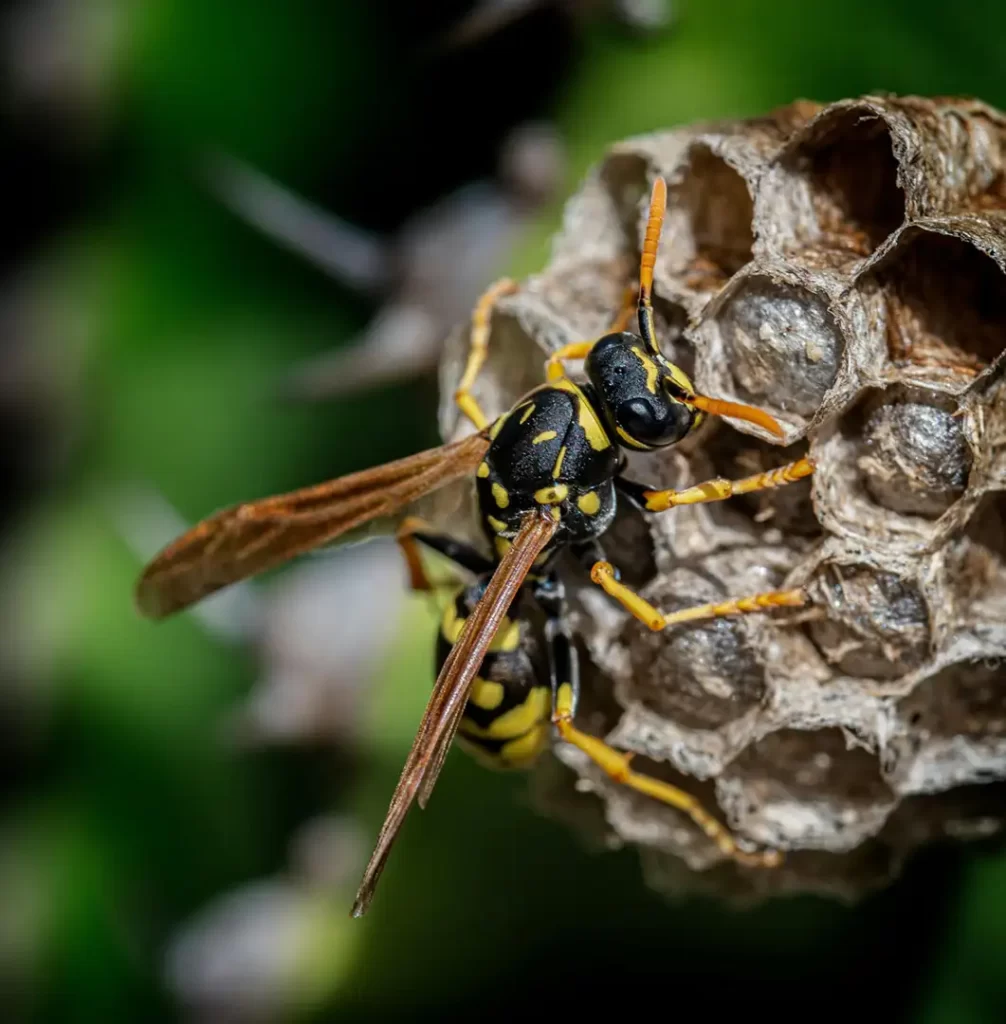
Paper wasps are by far the most common stinging insects we encounter throughout Utah.
These wasps build the familiar umbrella-shaped nests that hang beneath eaves, patios, shutters, decks, and outdoor structures. Colonies typically begin with a single queen during the spring and gradually expand throughout the summer.
While paper wasps are generally less aggressive than some other species, they will defend their nests if disturbed.
Because nests are often built directly around entryways and outdoor gathering areas, early removal can significantly reduce the likelihood of unwanted encounters.
Yellowjackets
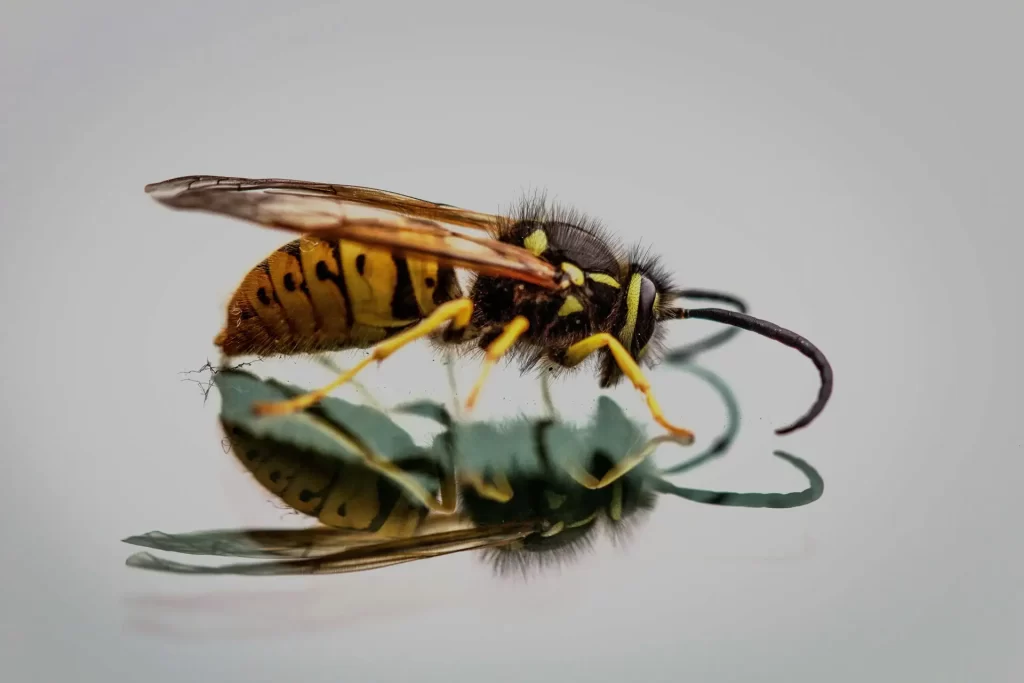
Yellowjackets become especially problematic later in the season.
Unlike paper wasps, yellowjackets frequently build nests underground or inside structural voids, making them much more difficult for homeowners to locate. They are also known for being highly defensive when their nests are disturbed.
Late summer barbecues, outdoor gatherings, and garbage areas often attract yellowjackets searching for food.
Because hidden colonies can grow quite large, professional treatment is often the safest and most effective solution.
Other Stinging Insects
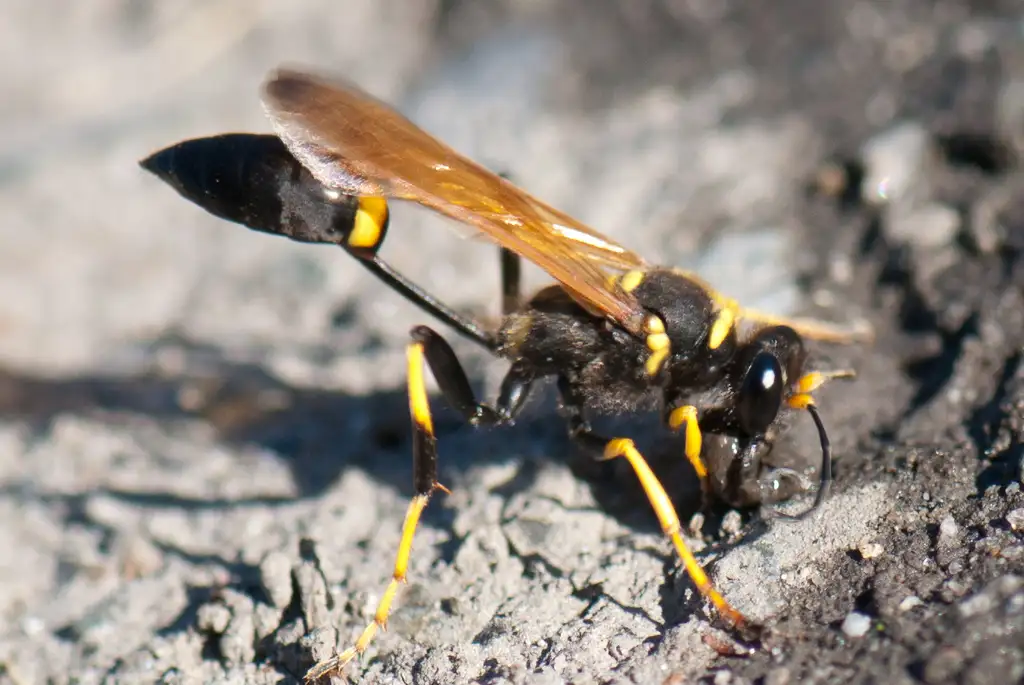
In addition to paper wasps and yellowjackets, we also help homeowners manage other common stinging insects found throughout Utah, including mud daubers and hornet species.
Every property is different, and our treatments are tailored to the specific activity we find around your home.
Explore Utah Wasps
Learn more about the different species of wasps in Utah and how to identify and prevent them.
Call Today to Get a Quote for a Wasp Control Plan
The Stinging Season
Wasps are most active from late spring through early fall, typically May through September, with peak activity in July and August when temperatures are warmest and food sources are abundant. Early wasp detection and control in spring or early summer is key to avoiding larger infestations later in the season.
While pest control treatment is effective for killing individual wasps and destroying active nests, it’s not very effective as a long-term prevention method. The chemical barrier from treatments may deter wasps from returning to the same spot for a short period, but wasps may be quick to build new nests in nearby locations. It’s best to treat areas early and monitor regularly to prevent significant nest buildup.
Why Wasps Keep Coming Back
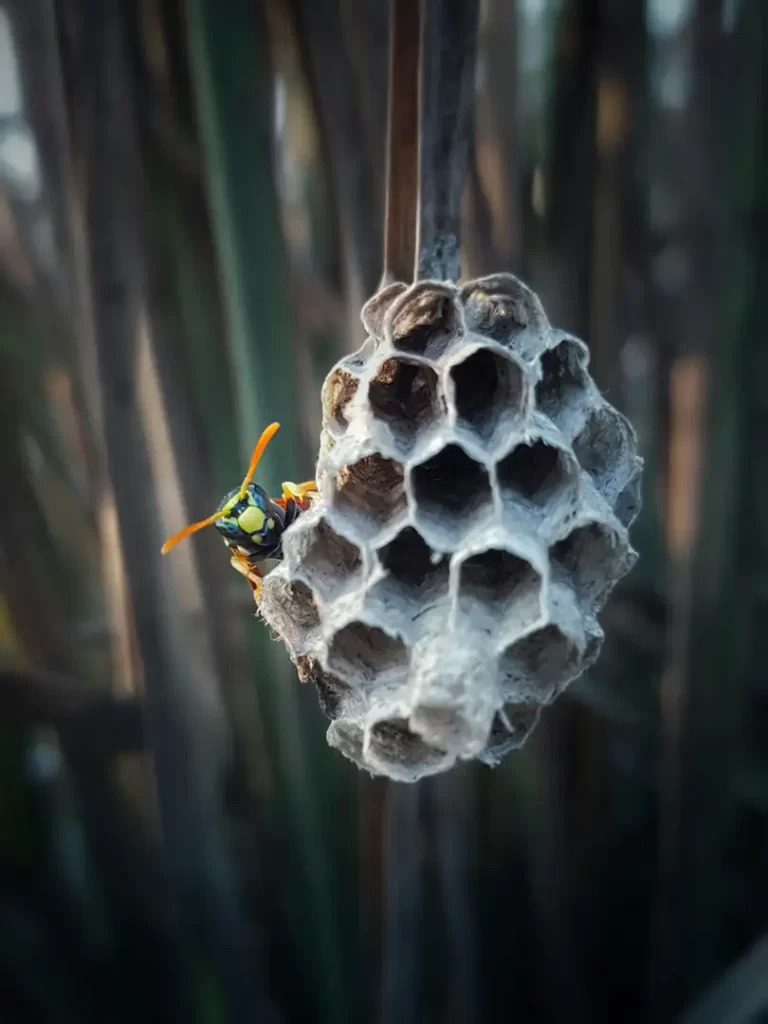
Wasps don’t randomly choose where to build nests.
They actively search for locations that provide shelter from wind and weather while offering easy access to food and water. Once they find a suitable location, they often return to the same general areas year after year. Knowing where nests are most commonly found will help to better identify, remove, and prevent future infestations.
- Roof overhangs and eaves
- Covered patios
- Decks and pergolas
- Sheds and detached garages
- Play structures
- Attic vents and soffits
- Outdoor lighting fixtures
Many homeowners don’t realize that seeing only a handful of wasps may indicate a hidden nest nearby. Early activity often means colony construction is already underway.
Why DIY Wasp Removal Often Fails
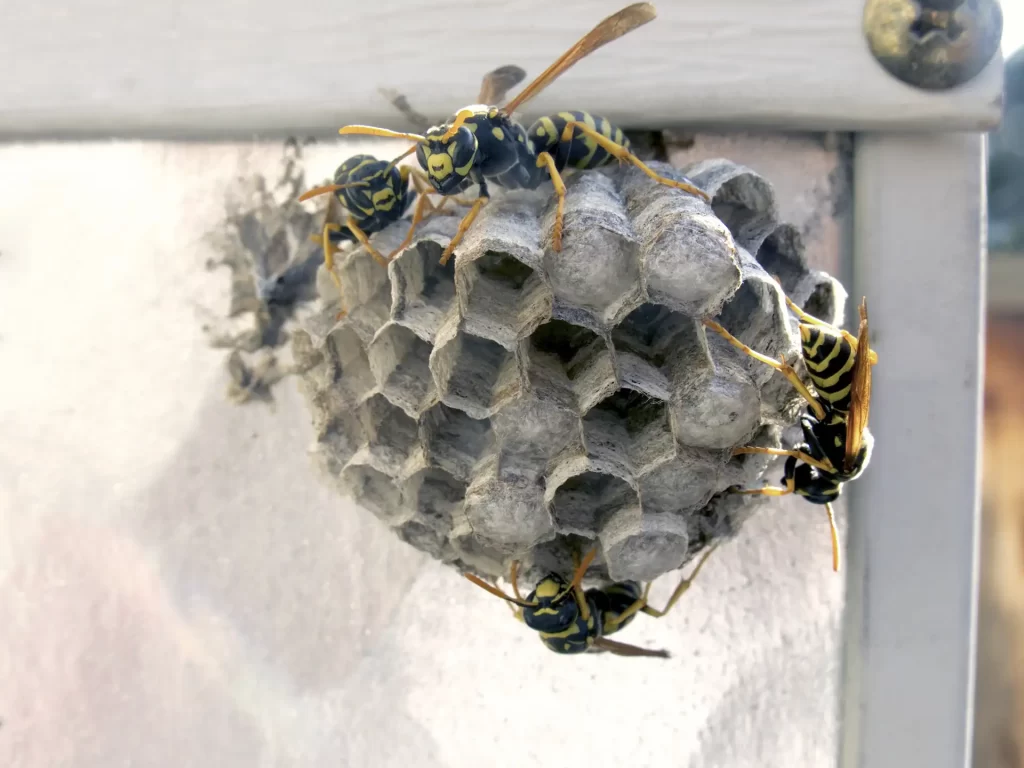
Many store-bought sprays only eliminate the wasps that are visible at the time of treatment.
- Hidden nests are missed
- New queens continue establishing colonies
- Multiple nesting sites exist around the property
- Seasonal conditions continue attracting wasps
Attempting to remove larger nests can also increase the risk of multiple stings if the colony becomes defensive.
Professional treatment focuses on reducing overall wasp pressure while addressing the conditions that encourage nesting around the home.
Why Prevention Matters
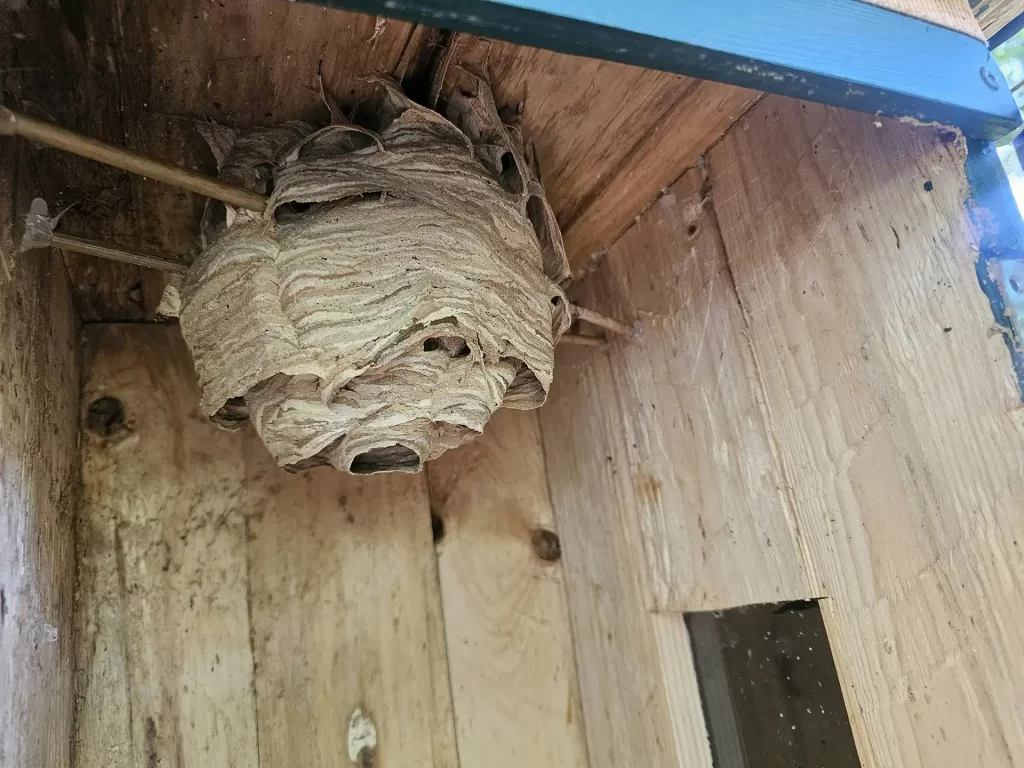
The best time to deal with wasps is before colonies become fully established.
Spring treatments help reduce nesting opportunities while addressing early-season activity before populations begin expanding.
- Colonies grow larger
- Worker populations increase
- Nest defense becomes more aggressive
- Outdoor living spaces become less enjoyable
Addressing activity early is often easier, safer, and more effective than waiting until late summer.
If you’ve noticed increasing early wasp activity, it’s often a sign that treatment should happen before populations grow larger.
What You Can Expect From Our Wasp Control Service
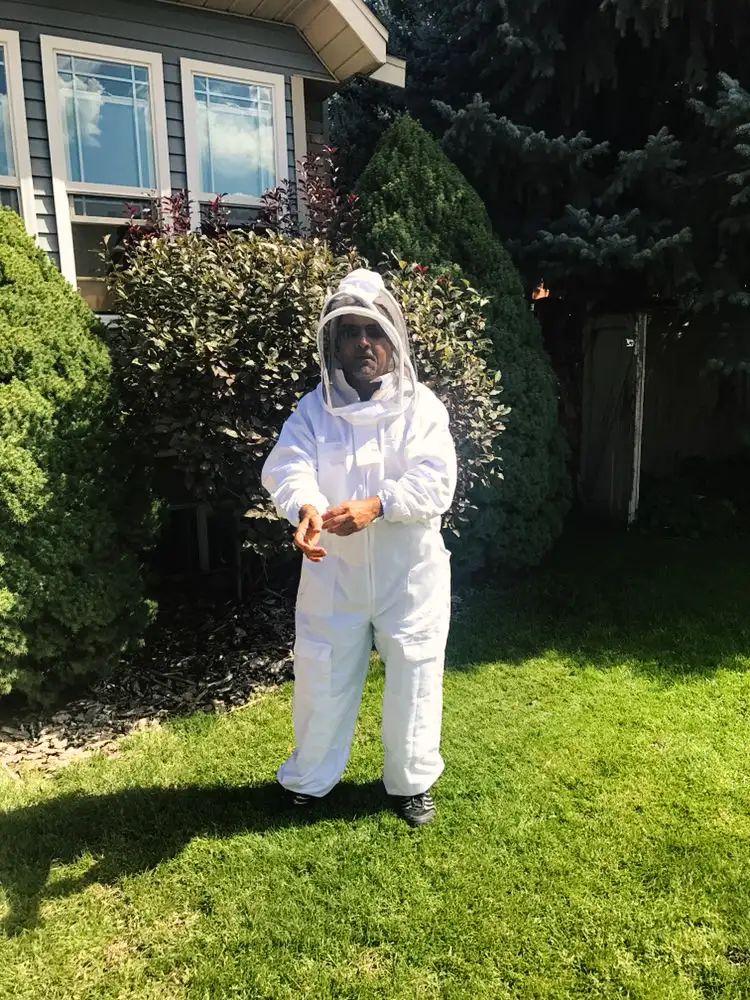
Every property is a little different, but our goal is always the same: reduce active wasp populations and help prevent future nesting.
- Inspecting common nesting locations
- Treating active wasp activity
- Eliminating colonies around the home
- Knocking down accessible treated nests
- Reducing conditions that attract future nesting
Rather than simply treating one visible nest, we work to create a protective barrier that helps minimize wasp activity throughout the season.
Bye-Bye, Buzz. Hello, Peace.
Wasp control services are essential for protecting your home and outdoor spaces from aggressive, stinging pests that can pose serious risks to your family and pets. Let us help you restore peace of mind to your home.
Local Wasp Control Backed by Local Experience

- American Fork
- Lehi
- Pleasant Grove
- Lindon
- Orem
- Provo
- Saratoga Springs
- Vineyard
- Sandy
- Draper
- South Jordan
- Riverton
- Herriman
- Park City
- and more...
Because we work in these communities every day, we understand the seasonal wasp activity patterns that affect local homeowners and know where nests are most commonly found.
Why Homeowners Choose Agent Pest Control
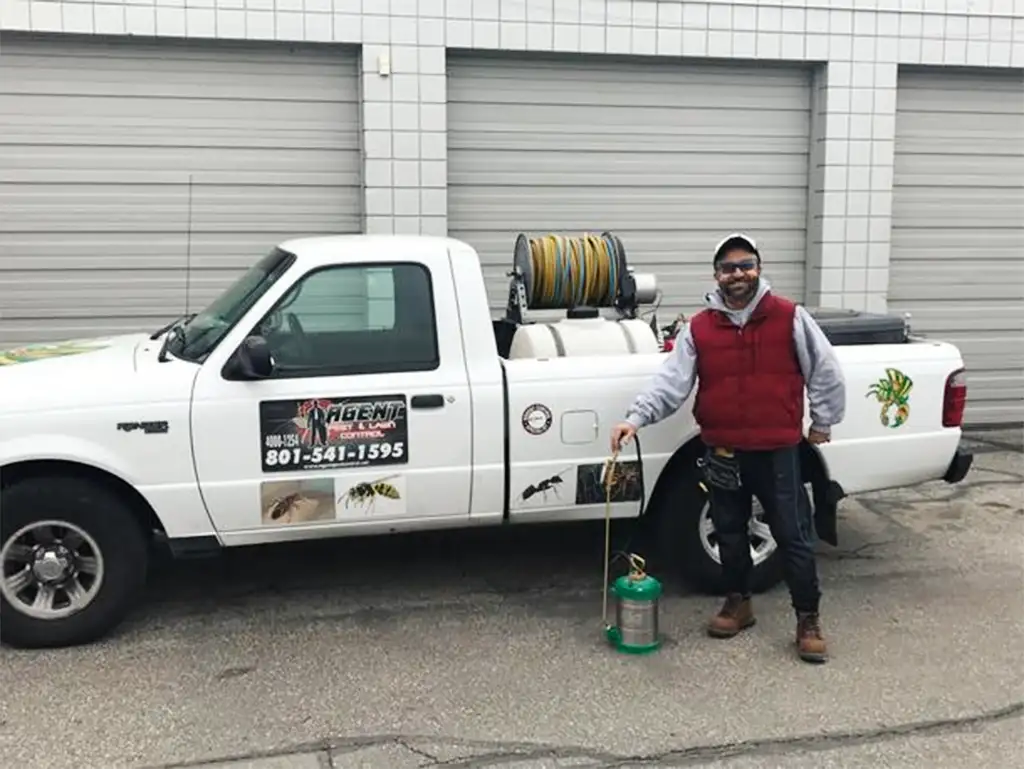
Homeowners choose Agent Pest Control because they want more than a temporary solution.
- Eliminating active colonies
- Preventing future nesting
- Protecting outdoor living spaces
- Providing reliable, local service
Whether you’ve discovered a nest under the eaves or simply want to keep wasps from establishing around your home, our goal is to help you enjoy your property without worrying about stinging insects.
Bees vs. Wasps
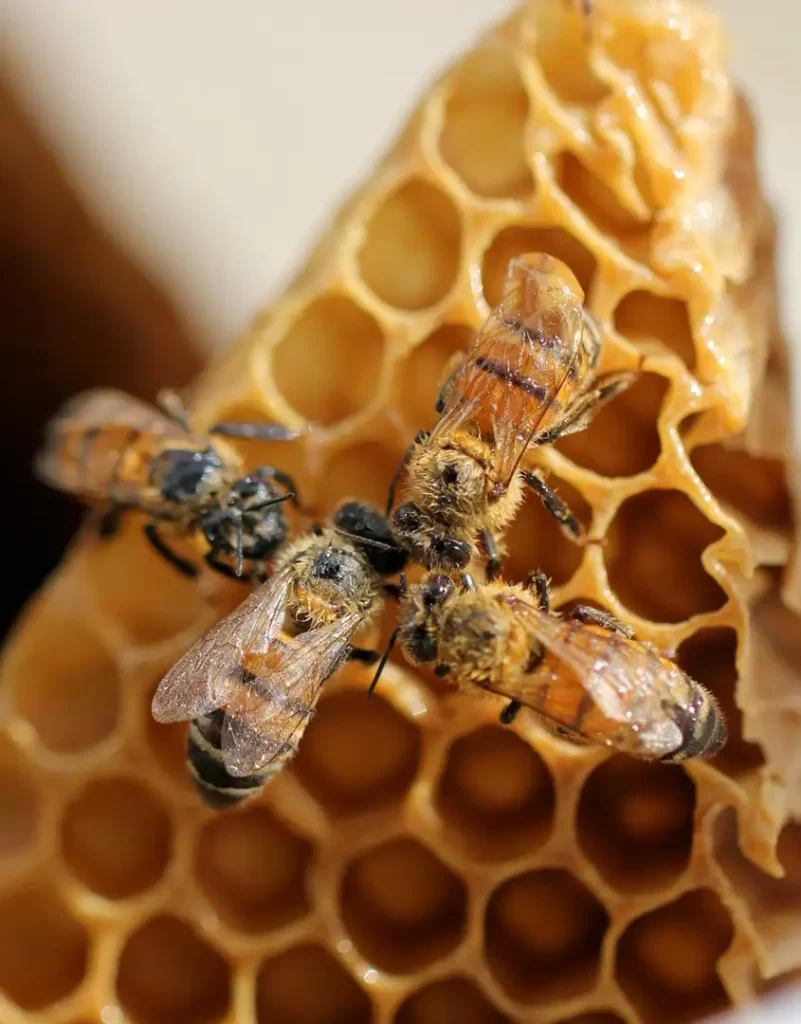
Bees are generally not considered pests, and we do not use extermination methods for bees. If you have a bee infestation, we recommend finding a bee relocation expert, which will preserve the bee colony.
Bees are natural pollinators and play a vital role in maintaining healthy ecosystems and food production. In fact, one-third of the food we eat relies on pollination by bees and other insects. Beyond agriculture, bees also support biodiversity by helping wild plants thrive, which in turn sustains wildlife and natural habitats. Their contribution to both the environment and global food security makes them essential and irreplaceable creatures.
Wasps have smooth bodies and are more aggressive than bees, feeding on other insects, proteins, and sugary foods. While bees usually sting only once, wasps can sting multiple times and are more likely to do so when disturbed.
Common Questions
If ever you have any questions, please give us a call and we would be happy to provide answers to any questions you may have.
We commonly treat paper wasps, yellowjackets, mud daubers, and other stinging insects found throughout Utah.
Early spring is typically the best time to begin treatment before colonies become established and populations begin growing.
Yes. We treat active nests and remove or knock down accessible visible nests as part of the service.
Protected rooflines, eaves, patios, and outdoor structures provide excellent nesting locations, causing wasps to return year after year if conditions remain favorable.
Professional treatment addresses overall wasp activity around the property rather than simply eliminating the wasps that happen to be visible.
Keep Wasps From Taking Over Your Yard
The earlier wasp activity is addressed, the easier it is to prevent larger colonies from developing around your home. At Agent Pest Control, we help Utah homeowners eliminate active wasp problems while creating long-term protection against future nesting.