Cricket pests in Utah are a seasonal nuisance, often becoming more noticeable during the late summer and fall when they seek warmth and shelter indoors. The most common species include house crickets, field crickets, camel crickets, and occasionally the large, migratory Mormon crickets. House and field crickets are known for their chirping sounds, which can be loud and persistent, especially at night, while camel crickets are silent but known for their sudden jumping movements and preference for cool, damp areas like basements and crawl spaces. These insects are typically found in yards, under debris, near foundations, and can enter homes through small cracks and openings. Once inside, they may damage fabrics, paper, plants, or stored items, and their presence is often considered both audibly annoying and unsanitary. While crickets don’t pose serious health risks, their potential to damage property and multiply quickly makes prevention and control important for homeowners.
Species of Crickets
House Cricket
Acheta domesticus
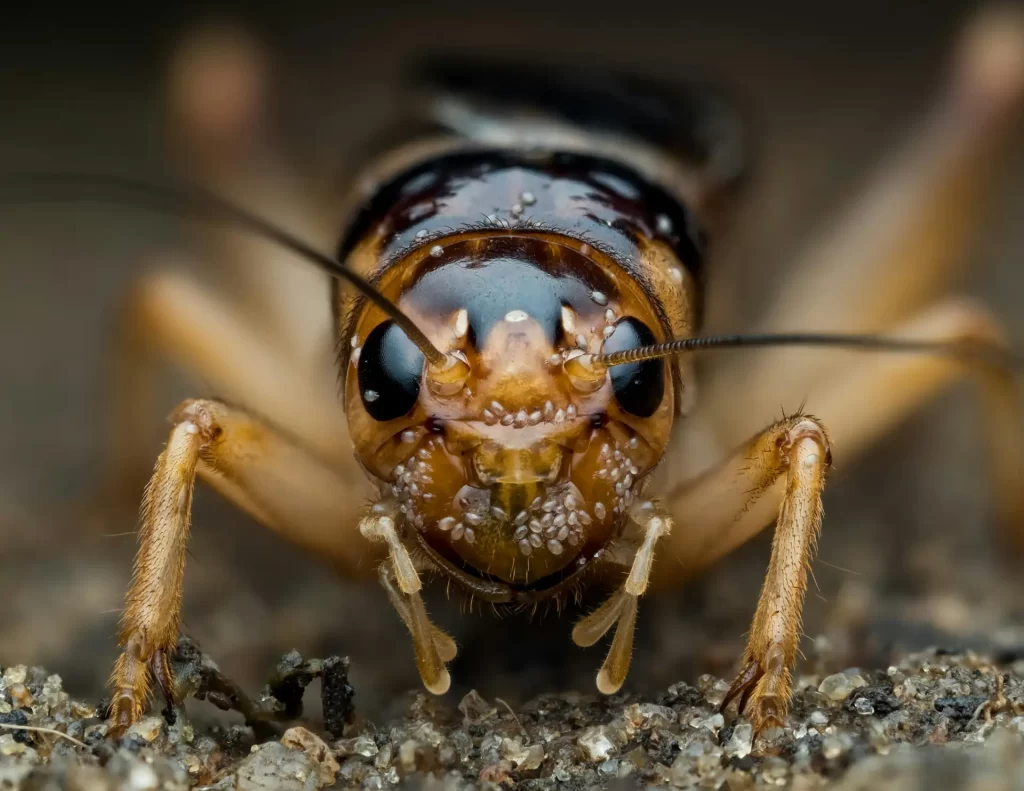
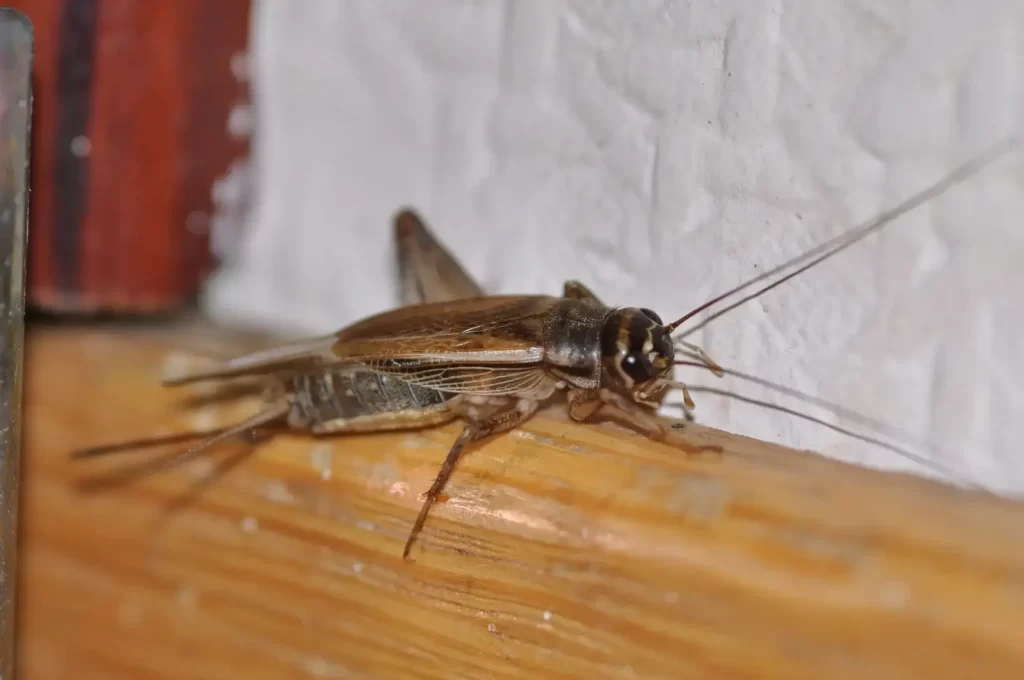
The house cricket is a common indoor pest in Utah, easily recognized by its light yellowish-brown color and the three dark bands across its head. Measuring about ¾ to 1 inch long, house crickets are best known for their loud, continuous chirping, which males produce by rubbing their wings together, often becoming a nighttime nuisance in homes. They are attracted to warm, dark environments, frequently hiding in basements, behind appliances, or near heating systems. While generally harmless to humans, house crickets can chew on fabrics, paper, rubber, and even food, causing minor but annoying damage. Their rapid reproduction and ability to hide in hard-to-reach places make early detection and control important, especially during the cooler months when they move indoors.
Field Cricket
Gryllus species
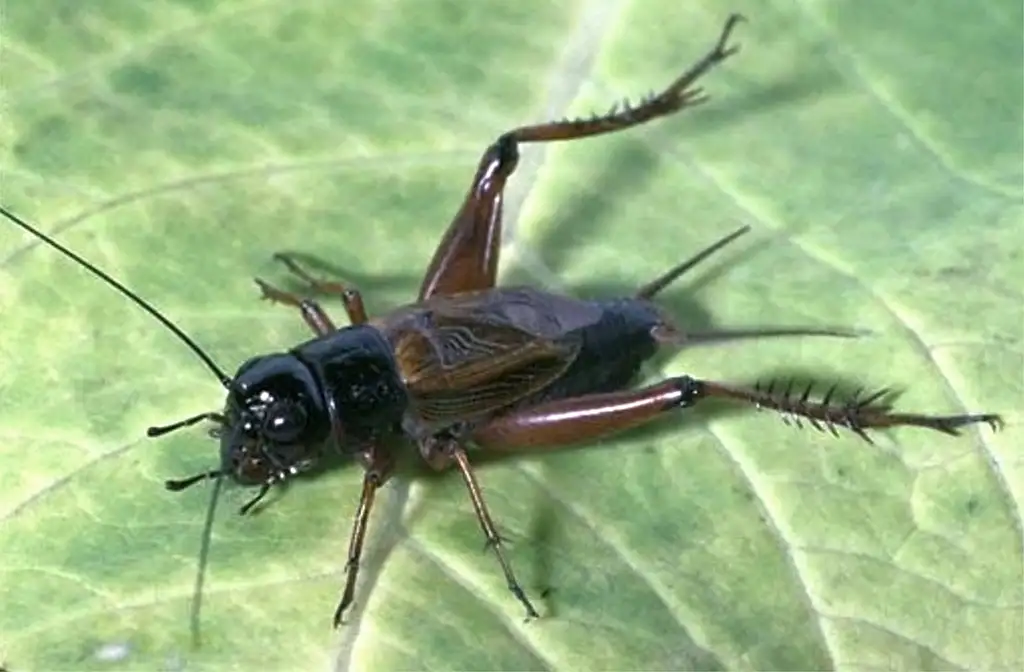
The field cricket is a common outdoor pest in Utah that occasionally invades homes, especially in late summer and fall. These crickets are typically dark brown to black, larger than house crickets, and measure about 1 to 1.25 inches long. Field crickets are known for their loud chirping, which males produce to attract mates, and while they primarily live outdoors in lawns, gardens, under rocks, and mulch, they often migrate indoors in search of warmth. Inside, they can become a nuisance by chewing on fabrics, houseplants, and even rubber or plastic materials. Though not harmful to people, their presence in large numbers can be annoying and potentially damaging, especially when they die in hidden spaces and leave behind odors.
Mormon Cricket
Anabrus simplex
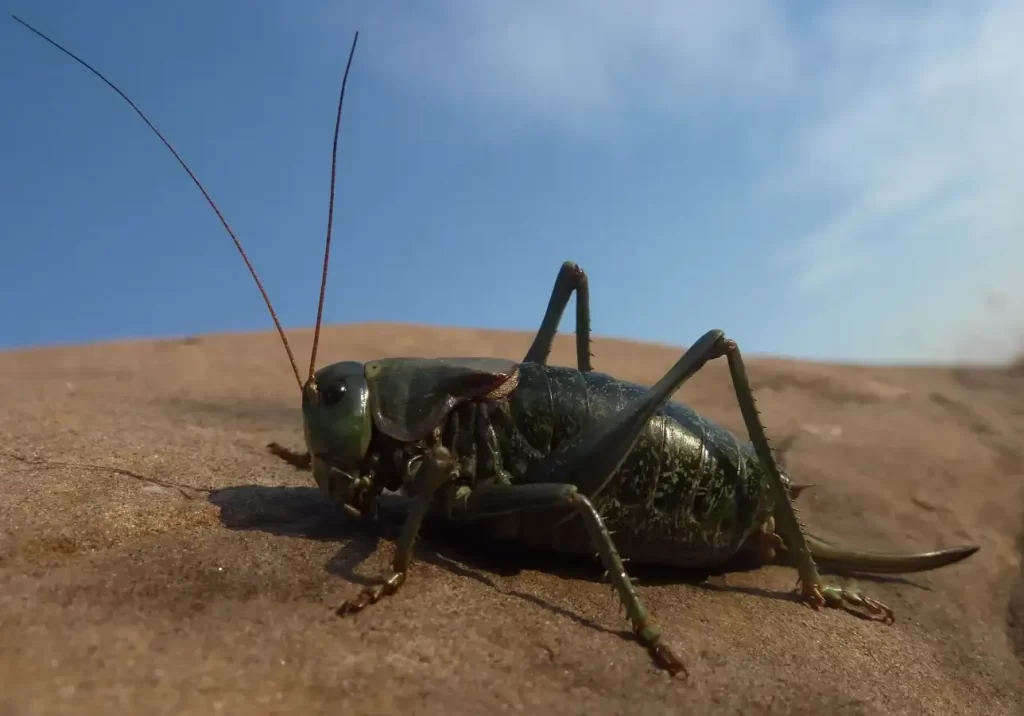
The Mormon cricket is a large, flightless insect found throughout Utah, known for its destructive swarming behavior and historical impact on agriculture in the region. Despite its name, it is not a true cricket but a type of katydid, growing up to 3 inches long with a robust, shield-like body that ranges in color from black and brown to reddish or green. Mormon crickets are notorious for forming massive migratory bands, sometimes stretching miles, that devour crops, vegetation, and even each other as they move. While they rarely enter homes, they can become a serious agricultural and nuisance pest in rural areas, especially during outbreak years. In large numbers, they can pose road hazards, emit foul odors when crushed, and overwhelm landscapes, making control efforts vital in affected communities.
Camel Cricket
Ceuthophilus species
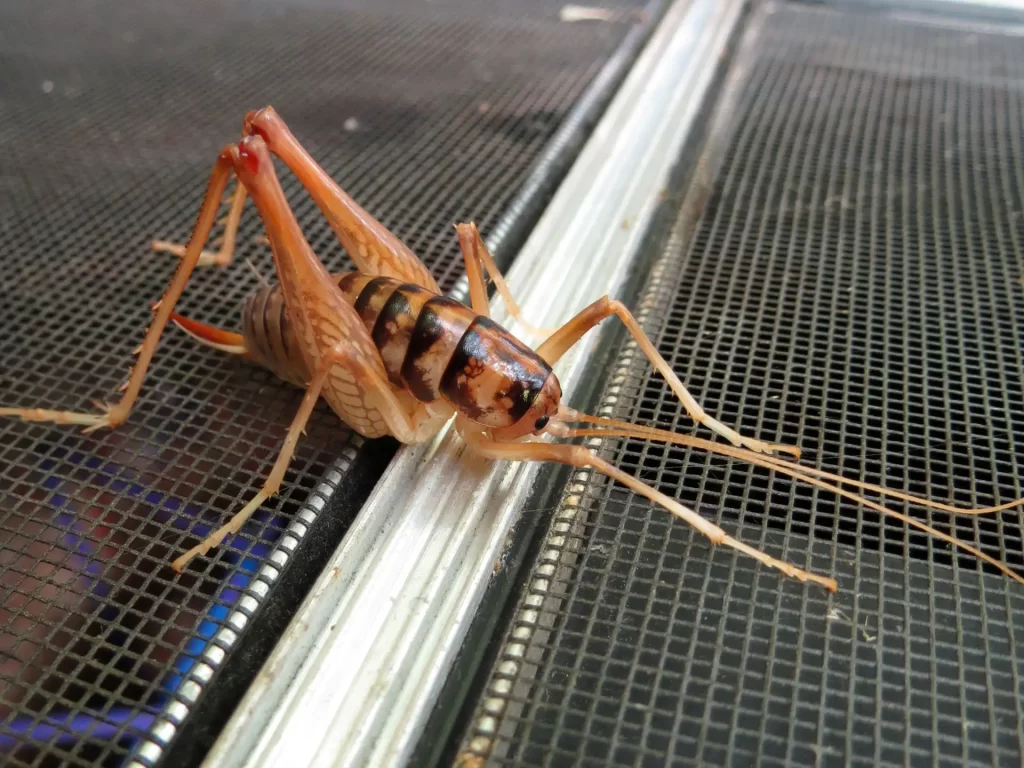
The camel cricket, also known as a cave cricket or “spricket”, is a common pest in Utah known for its humpbacked appearance, which gives it a camel-like profile. Typically light brown to tan in color and measuring about ½ to 1½ inches long, it has very long legs and antennae, which help it navigate dark, enclosed spaces. Camel crickets are wingless and silent, unlike other crickets, but they can be startling due to their tendency to jump suddenly when disturbed. They prefer cool, dark, and damp environments such as basements, crawl spaces, sheds, and under decks. While they don’t bite or pose a direct health threat, camel crickets can become a nuisance when they gather in large numbers and may chew on fabrics, cardboard, and stored items when indoors.