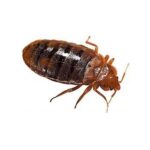
Fleas and ticks are small, blood-feeding parasites that pose serious health risks to pets, wildlife, and humans. Though they differ biologically—fleas are insects and ticks are arachnids—they both attach to hosts to feed on blood and can transmit diseases in the process.
Fleas
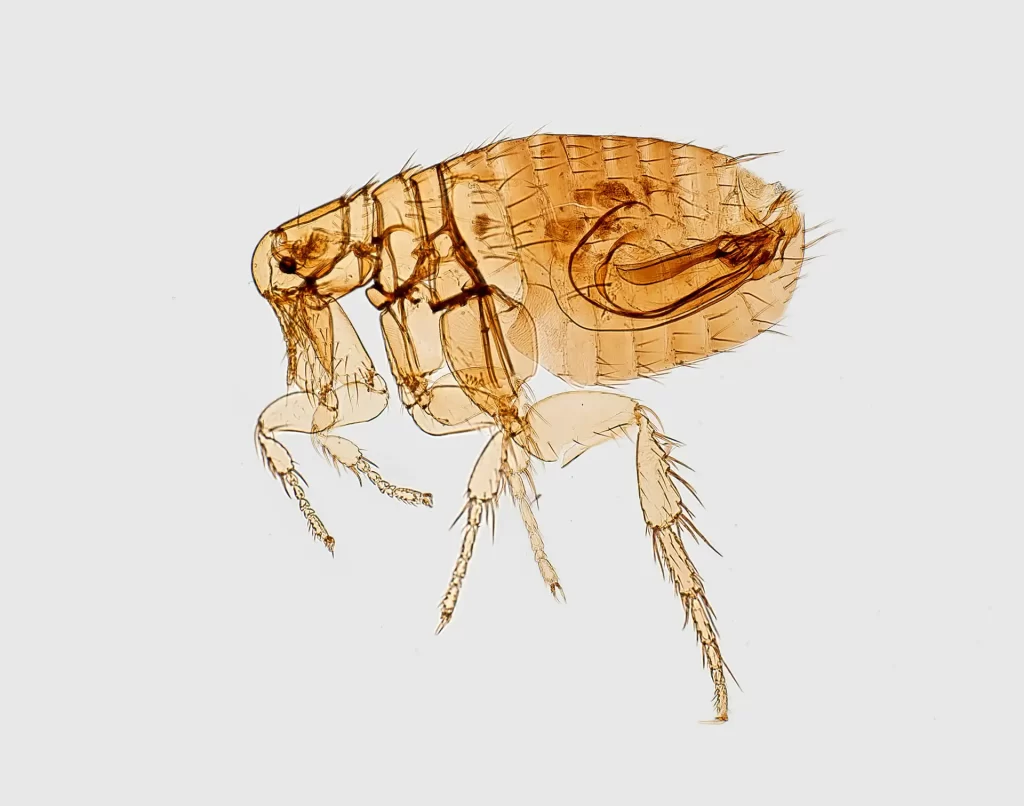
Fleas are wingless insects with flat, reddish-brown bodies and powerful hind legs that allow them to jump long distances. The most common species is the cat flea (Ctenocephalides felis), which infests both cats and dogs. Fleas cause itching, skin irritation, and allergic reactions in pets and can also transmit tapeworms and bacteria such as Bartonella (the cause of cat scratch fever). Flea infestations can spread quickly in homes, as adults lay hundreds of eggs in carpet, bedding, and furniture.
Ticks
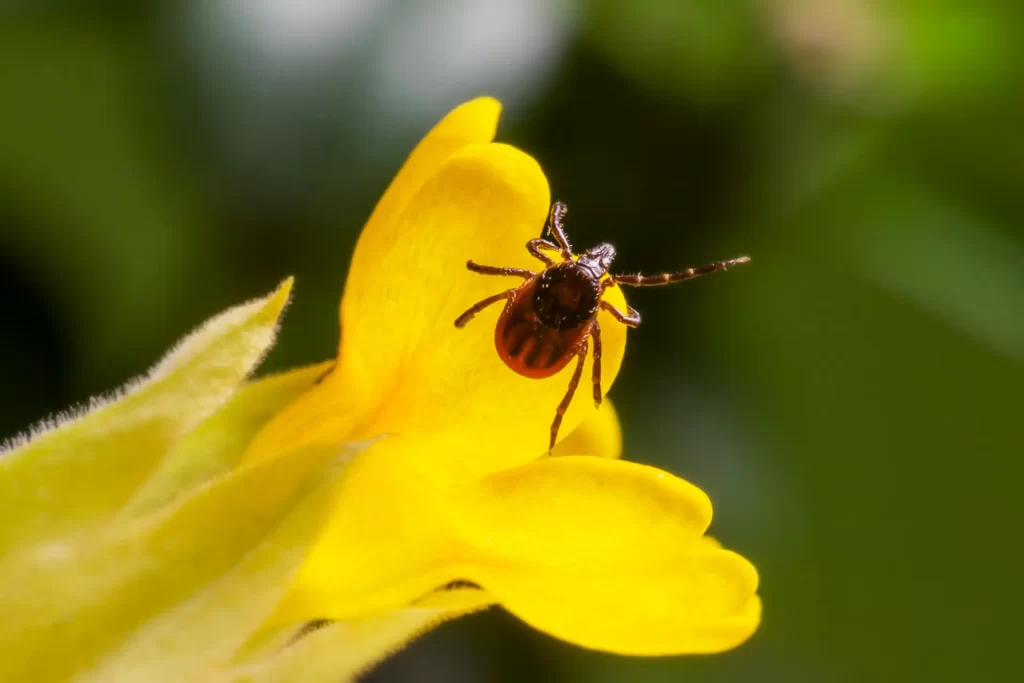
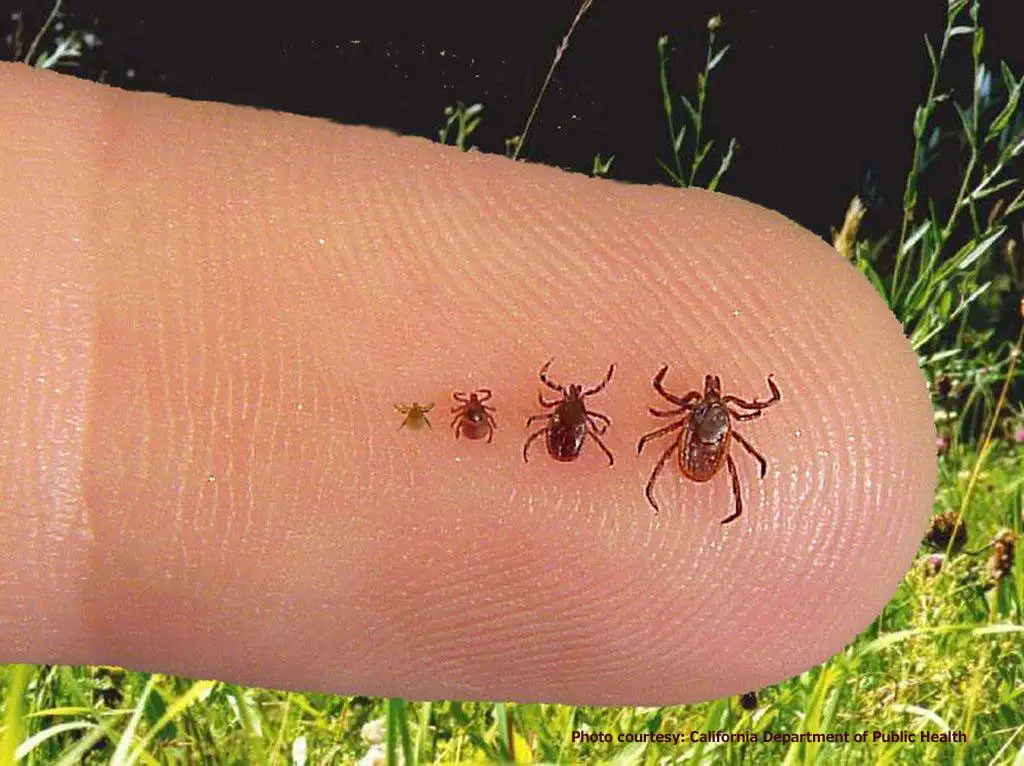
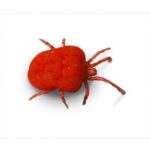
Ticks are eight-legged arachnids with a flattened oval shape that expands as they feed. They attach firmly to the skin of their host and feed for several hours or days. Ticks are notorious for spreading serious diseases, including Lyme disease, Rocky Mountain spotted fever, and tularemia, depending on the species. Common ticks in Utah include the Rocky Mountain wood tick, American dog tick, and brown dog tick. They are typically encountered in grassy, brushy, or wooded areas and can also hitchhike indoors on pets or clothing.
How to Identify Fleas & Ticks
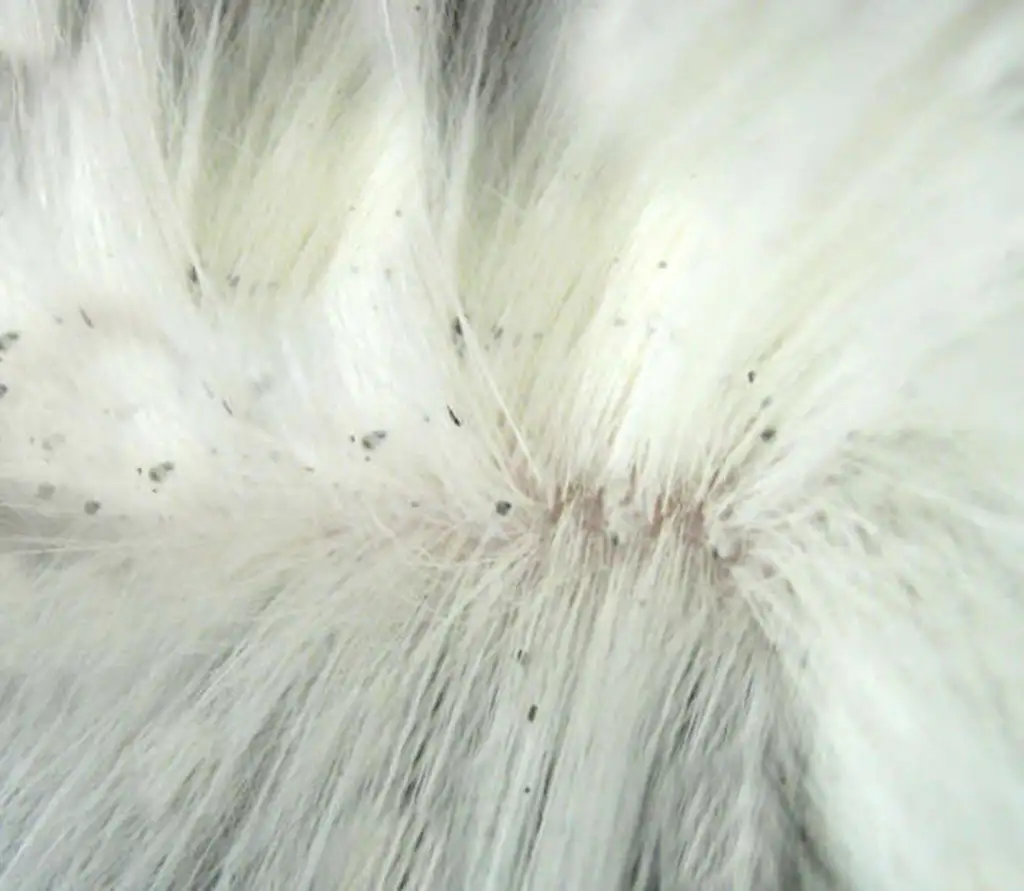
You can tell if your pet has fleas by watching for signs like excessive scratching, biting, or licking, which often result from itchy flea bites. Pets may develop red, irritated skin or small bumps, especially around the neck, belly, and base of the tail. Another key indicator is flea dirt—tiny black specks on the fur or skin that, when wiped with a damp cloth, turn reddish-brown, revealing flea feces. Sometimes you might even see the small, fast-moving dark brown fleas themselves hopping through the fur. In severe cases, constant scratching can cause hair loss or scabs, and your pet may seem restless or uncomfortable. If you suspect fleas but can’t find any, a veterinarian can perform a thorough check and suggest the best treatment options.
You can tell if you or your pet have ticks by carefully checking for these signs: ticks are small, flat, oval-shaped arachnids that latch firmly onto the skin to feed. On people, common places to find ticks include the scalp, behind the ears, under the arms, around the waist, and in the groin area. Pets often get ticks around the neck, ears, between toes, and under collars. You might notice a small bump or redness where the tick is attached, sometimes accompanied by itching or irritation. Unlike fleas, ticks don’t jump or move quickly—they crawl slowly and stay attached for several hours or days to feed. If you find a tick, it’s important to remove it promptly and carefully using tweezers or a tick removal tool to reduce the risk of disease transmission.
How Do Pets Get Fleas & Ticks
Pets typically get fleas and ticks by spending time in environments where these pests live and thrive. Fleas are commonly picked up when pets come into contact with infested animals, bedding, carpets, or outdoor areas like tall grass, bushes, or shaded spots where flea eggs, larvae, and adults hide. Ticks are usually encountered in grassy, wooded, or brushy areas where they wait on vegetation to latch onto passing hosts. Pets can pick up ticks during walks, hikes, or time spent outside in yards or parks, especially if they roam through tall grass, leaf litter, or along forest edges. Both fleas and ticks can also be brought into the home on clothing, shoes, or other pets, making indoor infestations possible if not properly managed.
Species of Ticks
Rocky Mountain Wood Tick
Dermacentor andersoni
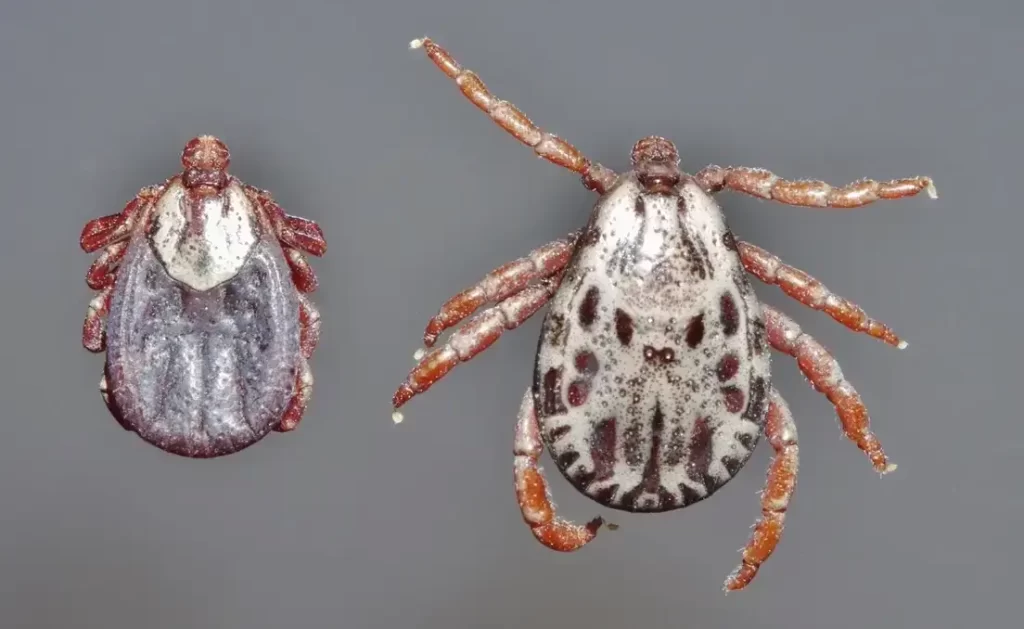
The Rocky Mountain wood tick is a common and medically important pest in Utah, typically found in grassy, shrubby, and wooded areas at elevations between 4,000 and 10,000 feet. Adults are about ¼ inch long, with a reddish-brown body and a silvery-gray shield behind the head. Active mainly from spring through early summer, these ticks feed on a variety of hosts throughout their life cycle, including rodents, pets, livestock, and humans. They are known vectors of Rocky Mountain spotted fever, Colorado tick fever, and tularemia, and can also cause tick paralysis if left attached too long. Their presence in recreational and rural areas makes prevention and regular tick checks crucial for outdoor enthusiasts and pet owners alike.
American Dog Tick
Dermacentor variabilis
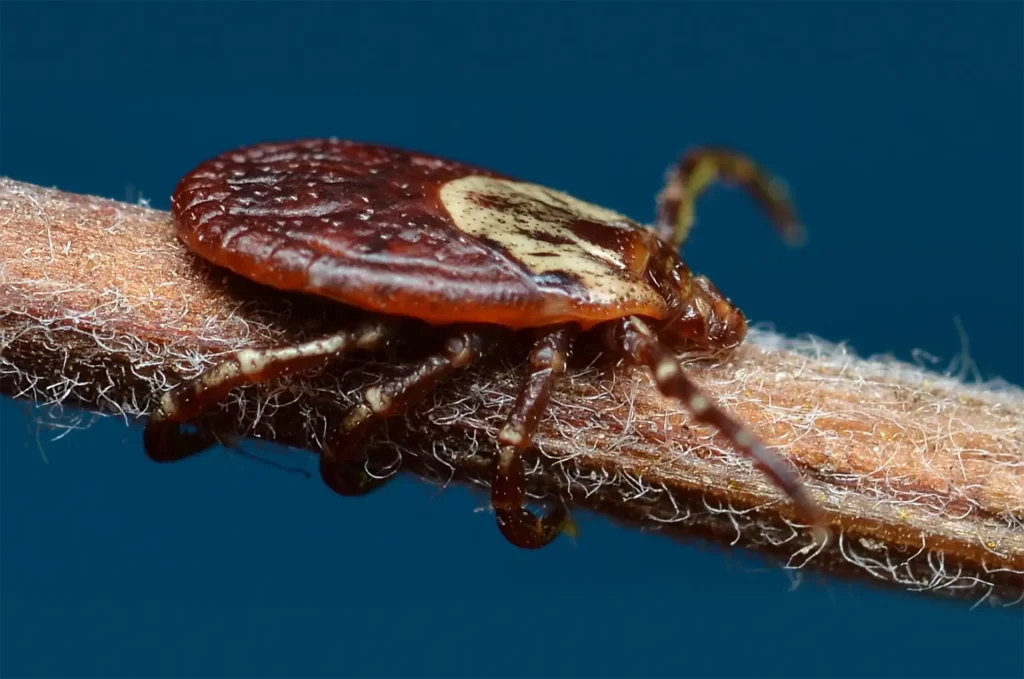
The American dog tick is a widespread and common tick pest in Utah, especially found in grassy fields, roadsides, and forest edges where pets, wildlife, and humans frequently pass. Adult ticks are relatively large, about ⅜ inch long, with a reddish-brown body and distinctive white or gray markings on the shield (scutum) behind the head. They are most active in spring and early summer, and prefer to feed on medium to large mammals, especially dogs, but will also bite humans. The American dog tick is a known carrier of Rocky Mountain spotted fever and tularemia, and although it doesn’t transmit Lyme disease, its bite can cause irritation, allergic reactions, or even tick paralysis in pets.
Western Blacklegged Tick
Ixodes pacificus
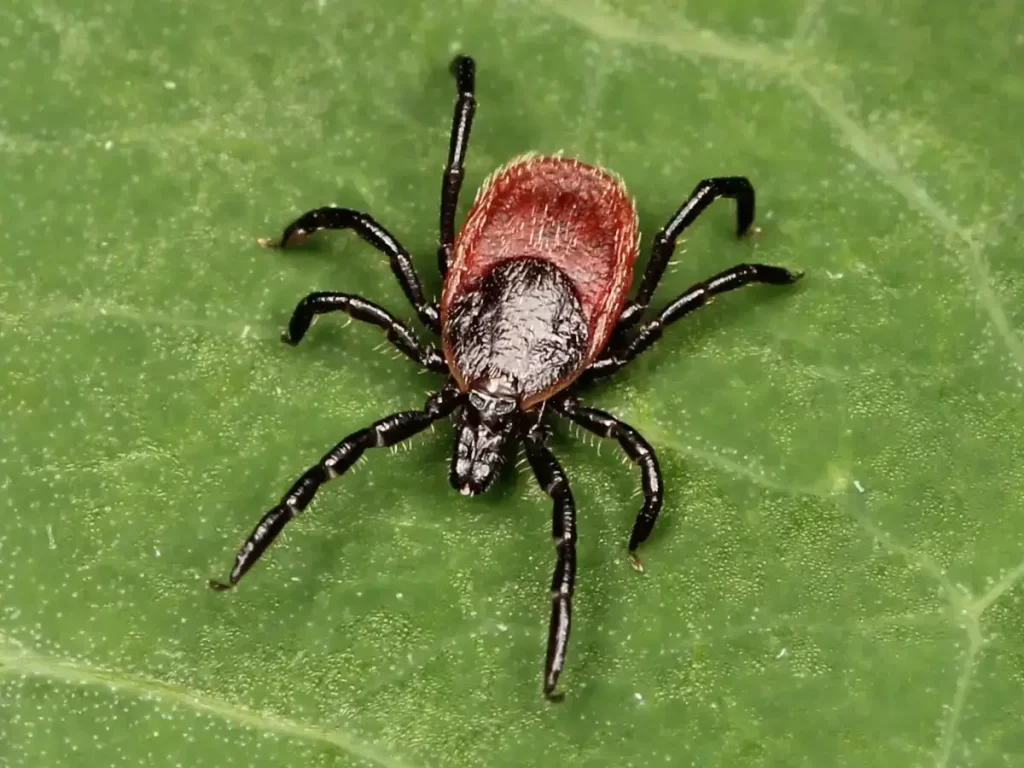
The Western blacklegged tick is a less common but notable pest in Utah, typically found in moist, wooded, or brushy areas, particularly in the western part of the state. It is a small tick, with adults measuring about ⅛ inch, and is characterized by a dark brown to black shield (scutum) and a reddish-orange body. This tick is most active during the cooler months, especially in late fall through early spring, and prefers to feed on birds, rodents, deer, and occasionally humans and pets. Of medical concern, the Western blacklegged tick is a primary vector of Lyme disease and anaplasmosis in the western U.S., although confirmed Lyme cases in Utah remain rare. Due to its small size and quiet bite, it often goes unnoticed, making early detection and prompt removal especially important in areas where it is present.
Brown Dog Tick
Rhipicephalus sanguineus
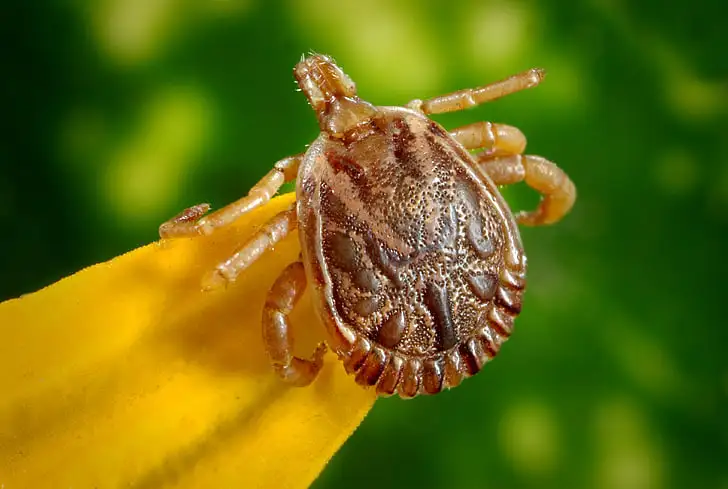
The brown dog tick is a unique tick pest in Utah because it can complete its entire life cycle indoors, making it a year-round concern for homes, kennels, and veterinary clinics. Reddish-brown in color and about ⅛ to ¼ inch long, this tick prefers warm, dry environments and primarily feeds on dogs, though it may bite humans in heavy infestations. Brown dog ticks are often found in cracks, baseboards, behind furniture, and in pet bedding, and they are known to crawl up walls and hide in ceilings when seeking new hosts. While they are not major disease vectors in humans, they can transmit canine ehrlichiosis and babesiosis, which are serious illnesses in dogs. Infestations can grow quickly indoors, making prompt treatment of pets and thorough cleaning of living spaces essential for control and prevention.
Preventing fleas involves a combination of pet care, home maintenance, and outdoor control. Here are some effective prevention methods:
1. Protect Your Pets
Use veterinarian-recommended flea prevention (topical treatments, oral medications, flea collars).
Regularly bathe and groom pets to check for signs of fleas.
Wash pet bedding weekly in hot water.
Avoid letting pets roam in areas with known flea problems (tall grass, animal dens, etc.).
2. Maintain a Clean Home
Vacuum frequently, especially carpets, rugs, furniture, and pet areas—then empty vacuum bags/canisters outdoors.
Wash linens, pet toys, and cushions in hot water regularly.
Use flea sprays or diatomaceous earth in areas where pets rest or fleas are suspected.
Consider steam cleaning carpets and upholstery during flea season.
3. Manage Outdoor Spaces
Mow lawns regularly and keep shrubs and weeds trimmed.
Remove organic debris like leaves, grass clippings, and brush piles where fleas can breed.
Discourage stray or wild animals (e.g., raccoons, opossums, stray cats) from entering your yard by securing trash and using fencing.
Apply outdoor flea treatments if needed, especially in shady, moist areas pets frequent.
4. Be Proactive After Exposure
If your pet visits a dog park, groomer, or kennel, check for fleas afterward.
If you adopt or foster a new pet, treat them for fleas before bringing them indoors.
Ticks
Preventing ticks involves protecting yourself, your pets, and your property—especially during warmer months when ticks are most active. Here are effective prevention strategies:
1. Personal Protection Outdoors
Wear long sleeves and pants, tucking pants into socks when hiking or walking through grassy or wooded areas.
Use tick repellents with DEET, picaridin, or permethrin (permethrin for clothing only).
Stay on trails and avoid tall grass, leaf litter, and dense brush.
Check your body thoroughly after outdoor activities—especially armpits, behind knees, scalp, and waistband areas.
Shower within 2 hours of being outdoors to help wash away unattached ticks.
2. Protect Pets
Use vet-approved tick preventatives like topical treatments, oral medications, or tick collars.
Inspect pets daily, especially after they’ve been outdoors—check ears, paws, under collars, and tails.
Keep pet bedding clean and wash it regularly in hot water.
3. Yard & Property Maintenance
Mow the lawn regularly and trim tall grasses, weeds, and shrubs.
Clear leaf litter, woodpiles, and brush around your home and yard edges.
Create a barrier between wooded areas and your lawn using mulch or gravel.
Keep play areas and patios away from dense vegetation.
Discourage deer and rodents, which can carry ticks, by using fencing and removing food sources.
4. Home Precautions
Seal cracks and entry points around the home to prevent ticks from wandering inside.
Treat problem areas (like crawl spaces or pet resting areas) with tick-control products if needed.
Use tick traps or consult a pest control professional for persistent infestations.
Have a Problem with Fleas or Ticks?
If you or your pets are having a problem with fleas or ticks, we can help. Contact us today to get a quote for pest control services