In Utah, spiders are common household and outdoor pests, particularly in basements, garages, sheds, and other undisturbed areas. While most spider species in the state are harmless and even beneficial as natural insect predators, a few—like the black widow and the hobo spider—are considered medically significant due to their venomous bites. Spiders often become a nuisance when they build unsightly webs, appear in living spaces, or trigger fear and discomfort. They typically enter homes in search of shelter, food, or mates, especially during seasonal changes. Although infestations are rarely dangerous, regular cleaning, sealing entry points, and reducing indoor insect activity can help keep spider populations under control.
Species of Spiders
Black Widow Spider
Latrodectus hesperus
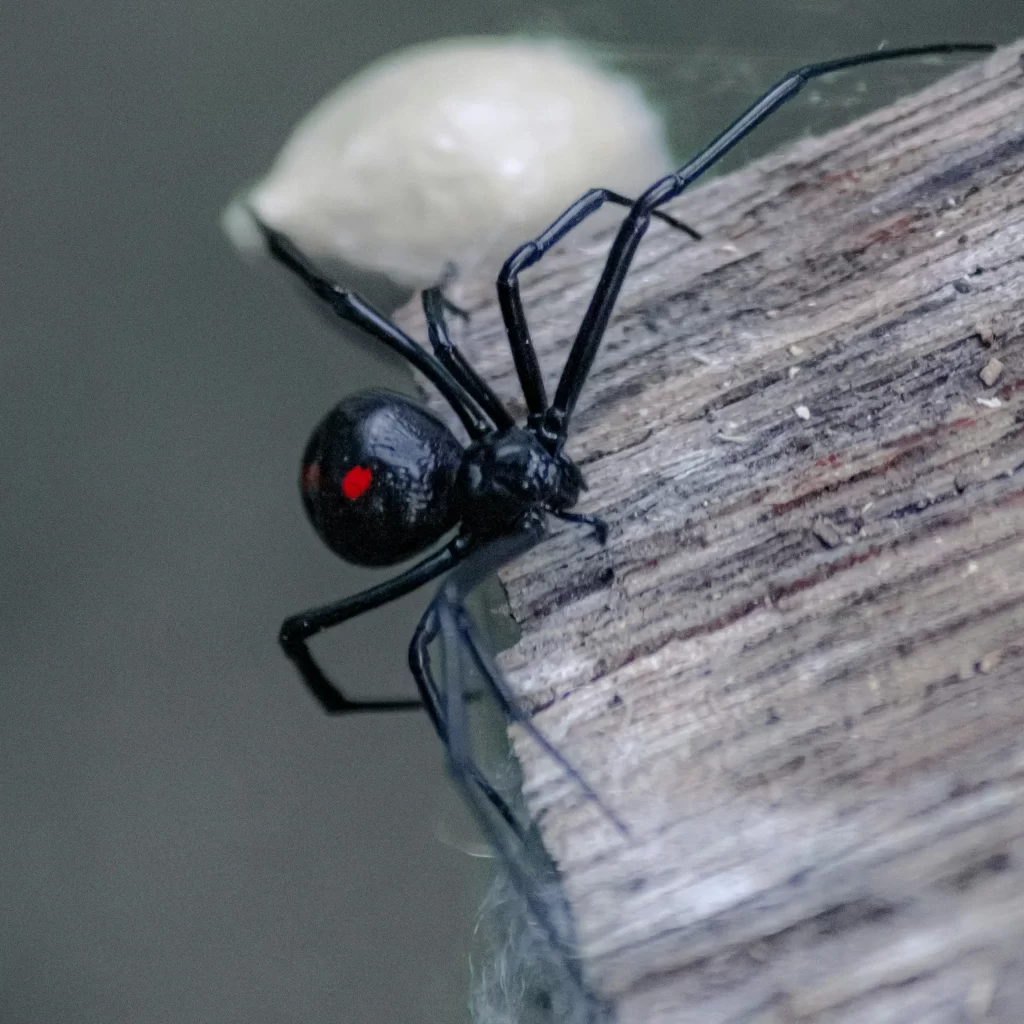
The black widow spider is a common and potentially dangerous pest in Utah, easily identified by its shiny black body and distinctive red hourglass marking on the underside of its abdomen. These spiders prefer dark, quiet places such as woodpiles, garages, sheds, crawl spaces, and basements, where they build irregular, sticky webs. While not aggressive, female black widows may bite if disturbed, and their venom can cause severe muscle pain, cramps, nausea, and other flu-like symptoms—though bites are rarely fatal. Preventing infestations involves keeping outdoor and indoor storage areas clean and clutter-free, wearing gloves when working in potential harborage sites, and sealing cracks and gaps where spiders might enter.
Hobo Spider
Eratigena agrestis
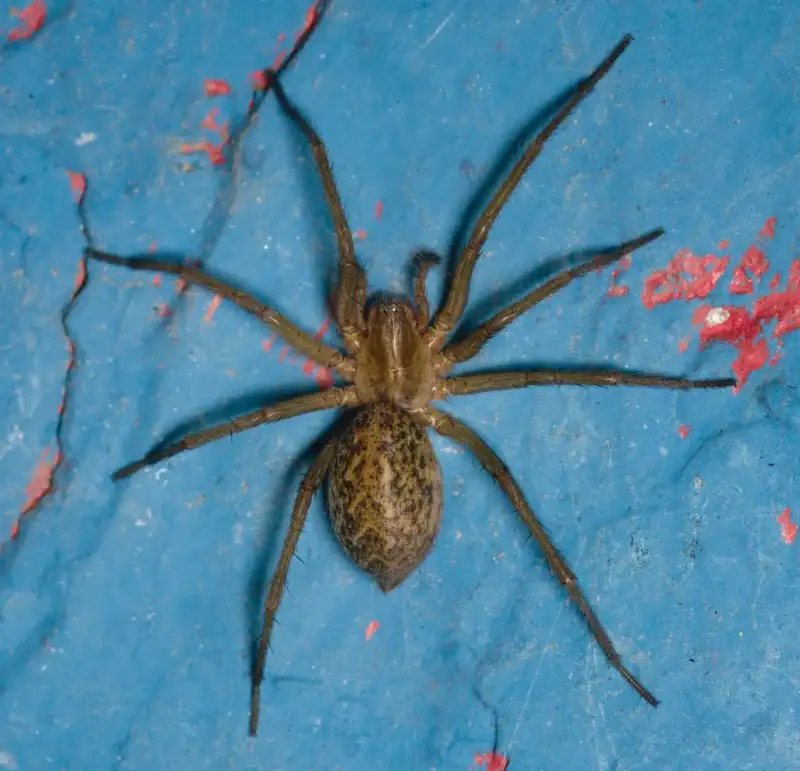
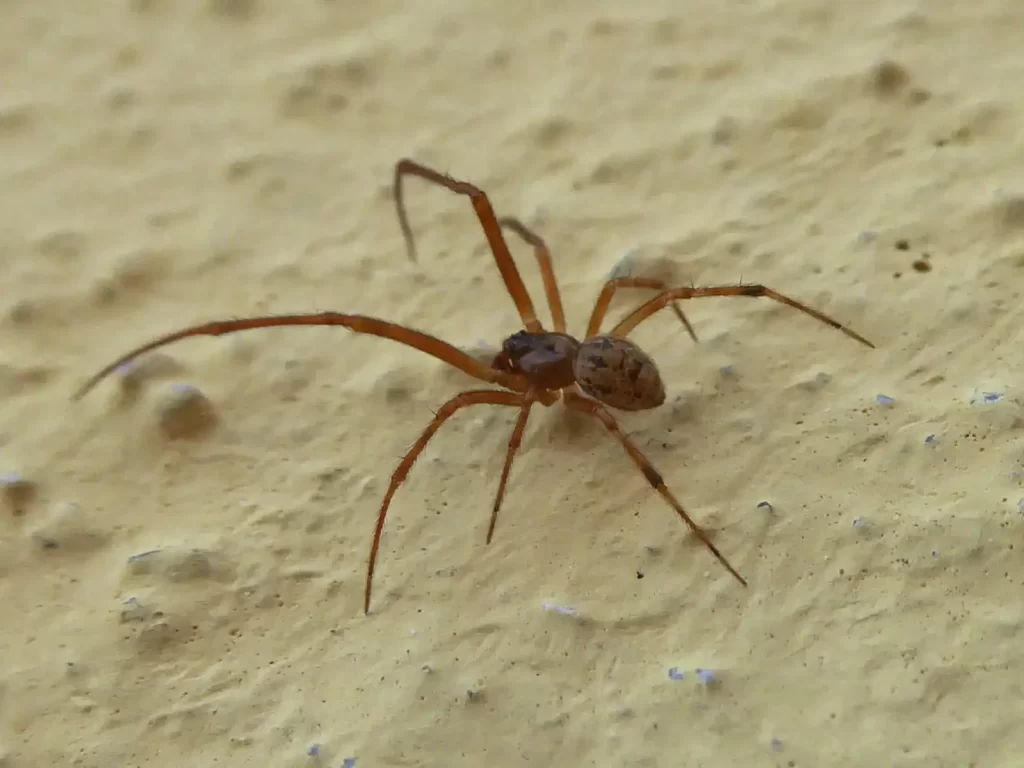
The hobo spider is a common spider pest in Utah, often found in basements, window wells, crawl spaces, and other dark, undisturbed areas of homes. It is typically brown with a slightly hairy body and features a subtle herringbone pattern on its abdomen, though it is often mistaken for more dangerous spiders like the brown recluse. Hobo spiders build funnel-shaped webs near ground level and are active hunters, often seen scurrying across floors or walls. While once believed to be harmful, current research suggests that hobo spider bites are not medically significant and rarely cause serious health effects. Nonetheless, their presence indoors can be unsettling, and keeping living spaces clean, dry, and sealed against entry points can help reduce encounters.
Wolf Spiders
Hogna and related genera
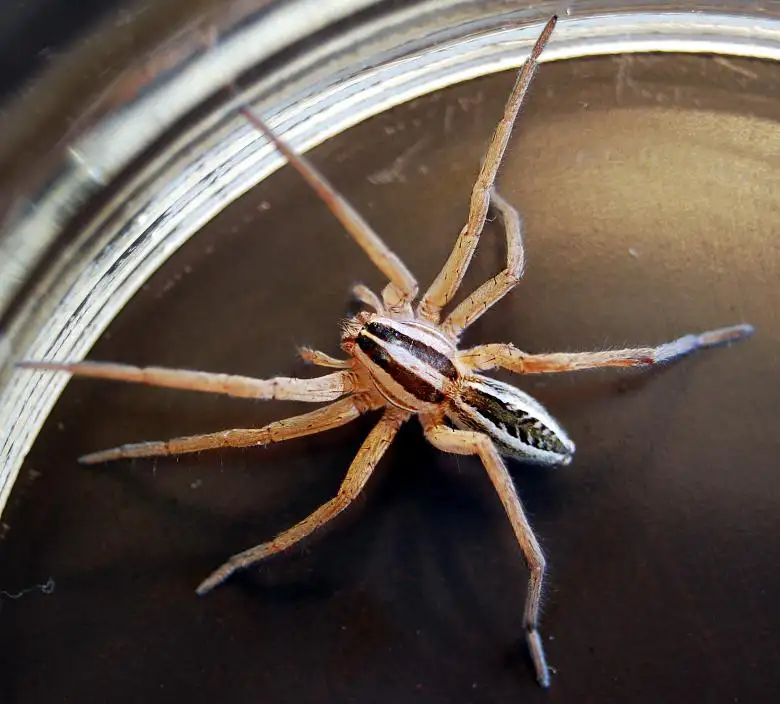
Wolf spiders are common outdoor and occasional indoor pests in Utah, known for their large, hairy bodies and fast, ground-hunting behavior. They range in color from gray to brown with dark markings and can grow up to 1.5 inches long, not including legs. Unlike web-building spiders, wolf spiders actively hunt prey, using their excellent eyesight and speed to catch insects and other small arthropods. They are often found in gardens, under rocks, around foundations, and sometimes inside homes—especially in basements or garages—seeking shelter or prey. While they may bite if handled, their bites are not dangerous and typically result in only mild irritation. Their sudden appearance can be startling, but they play a beneficial role in pest control.
Yellow Sac Spiders
Cheiracanthium species
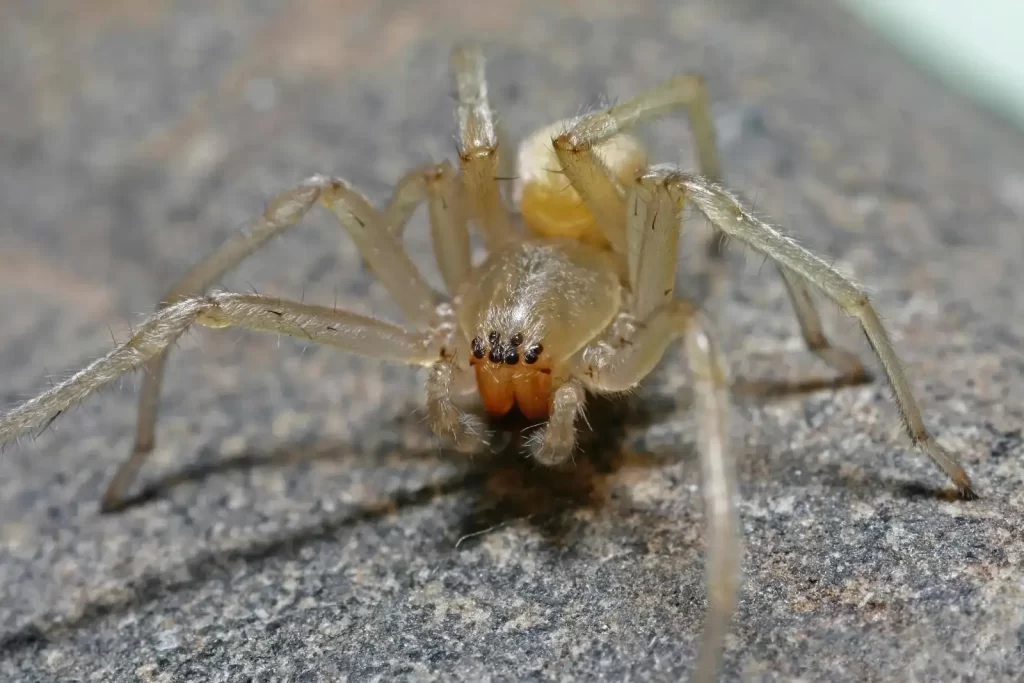
Yellow sac spiders (Cheiracanthium spp.) are common household pests in Utah, often entering homes in the fall as temperatures drop. These small spiders are pale yellow to light green, with slender bodies and long legs, and are typically found crawling along walls and ceilings at night. Unlike web-spinning spiders, they are active hunters and hide during the day in small, silken sacs tucked into ceiling corners, behind picture frames, or under furniture. While their bites are not dangerous, they can be painful and cause mild redness or swelling, and are sometimes mistaken for more serious spider bites. Though not aggressive, their presence indoors can be a nuisance, especially in homes with high insect activity or poor sealing around doors and windows.
Orb Weavers
Araneidae family
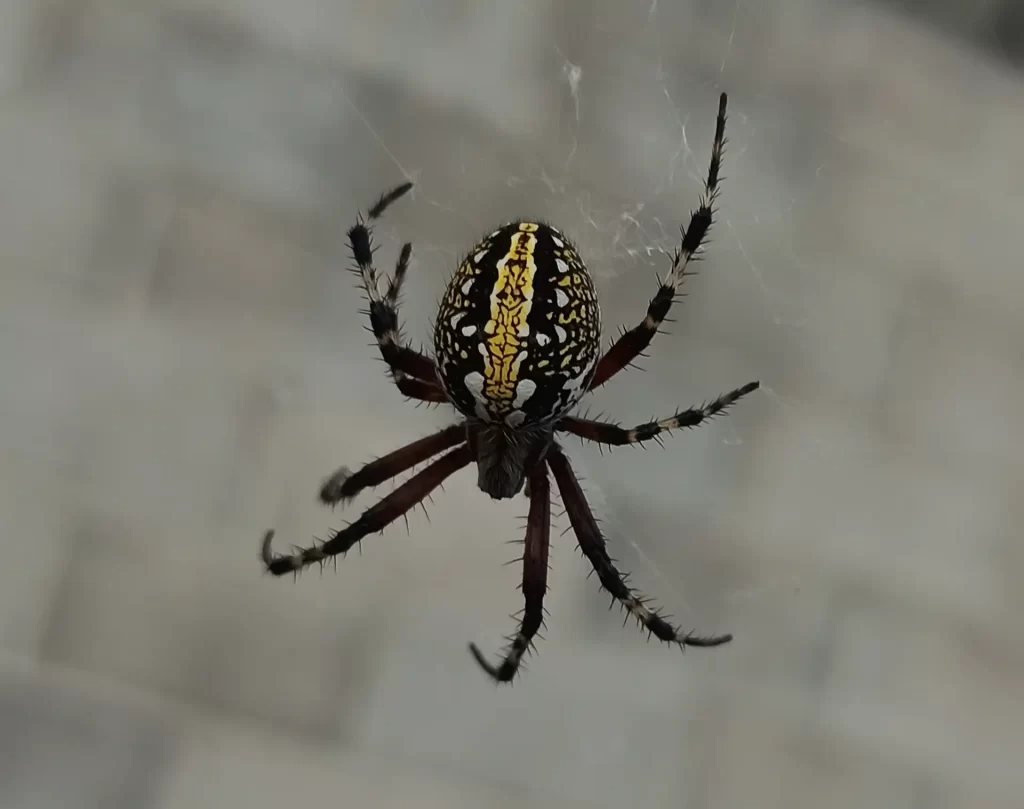
Orb weaver spiders (family Araneidae) are common outdoor spiders in Utah, known for spinning large, wheel-shaped webs in gardens, between trees, near lights, and around porches or sheds. These spiders come in a variety of colors—ranging from brown and gray to bright orange or yellow—and often have large, rounded abdomens with distinctive markings. They are generally non-aggressive and harmless to humans, preferring to stay in or near their webs where they wait for flying insects to get trapped. Orb weavers are most active during late summer and fall, and while they may appear intimidating due to their size, they are beneficial predators that help control pest insect populations. Occasionally, they may build webs near homes, windows or lights, but they rarely enter indoors and pose no threat aside from their startling presence.
Common House Spider
Parasteatoda tepidariorum
The common house spider (Parasteatoda tepidariorum) is a frequent indoor pest in Utah, often found in corners, closets, basements, garages, and other undisturbed areas of homes. These small spiders are usually brown or gray with a round abdomen and build messy, tangled webs in sheltered spots to catch flying insects and other small prey. They are harmless to humans and not aggressive, rarely leaving their webs unless disturbed. While they can become a nuisance when webs accumulate in living spaces, they are actually beneficial predators that help control indoor pest populations. Regular cleaning and vacuuming of corners and ceiling edges can help keep their numbers in check.
Cellar Spider (Daddy Longlegs Spider)
Pholcus phalangioides
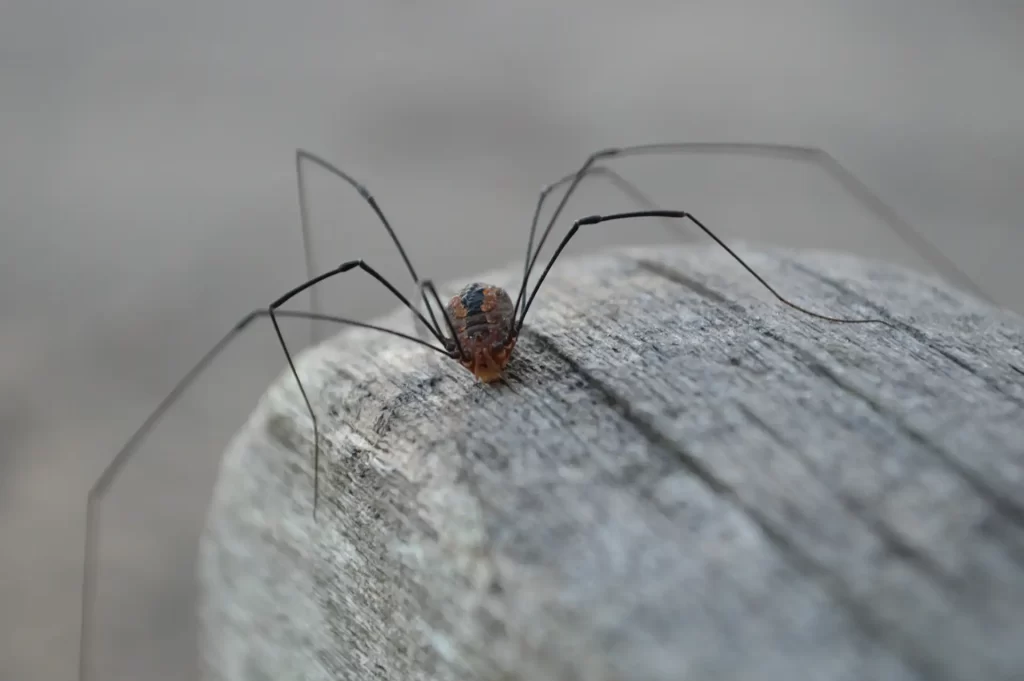
Cellar spiders (Pholcus phalangioides), often called “daddy longlegs spiders,” are common indoor pests in Utah, easily recognized by their small, oval bodies and extremely long, thin legs. They prefer dark, damp environments such as basements, crawl spaces, garages, and cellars, where they build loose, irregular webs in corners and ceilings. Though they may appear fragile, cellar spiders are effective predators, often feeding on other spiders and small insects. They are completely harmless to humans, do not bite, and are not venomous despite common myths. Their webs can become unsightly over time, but regular cleaning and reducing indoor humidity can help limit their presence.
Jumping Spiders
Salticidae family
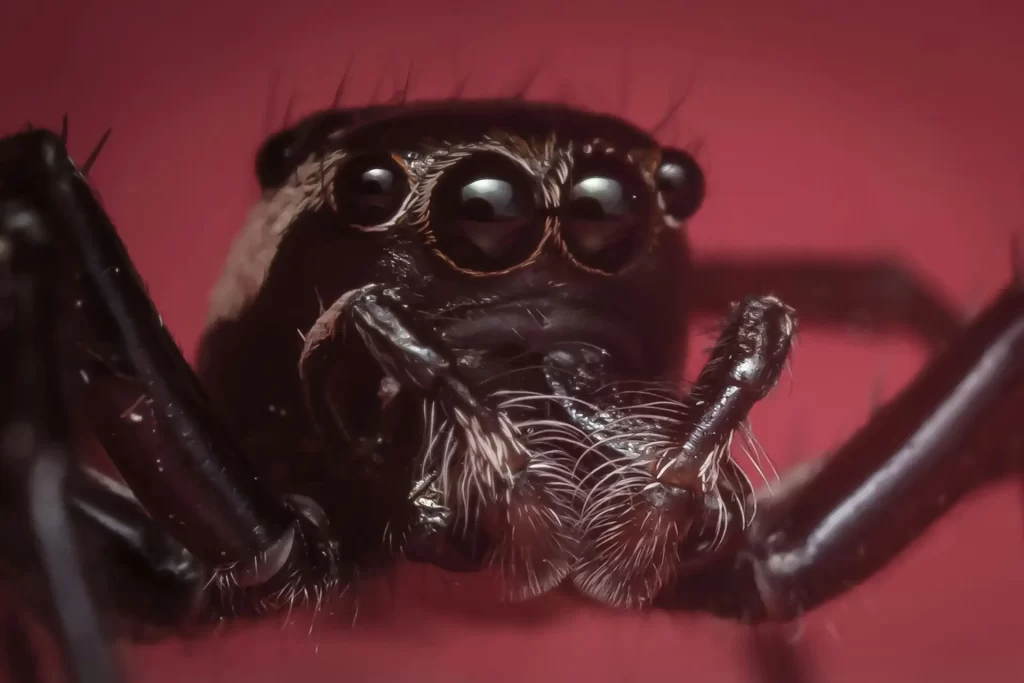
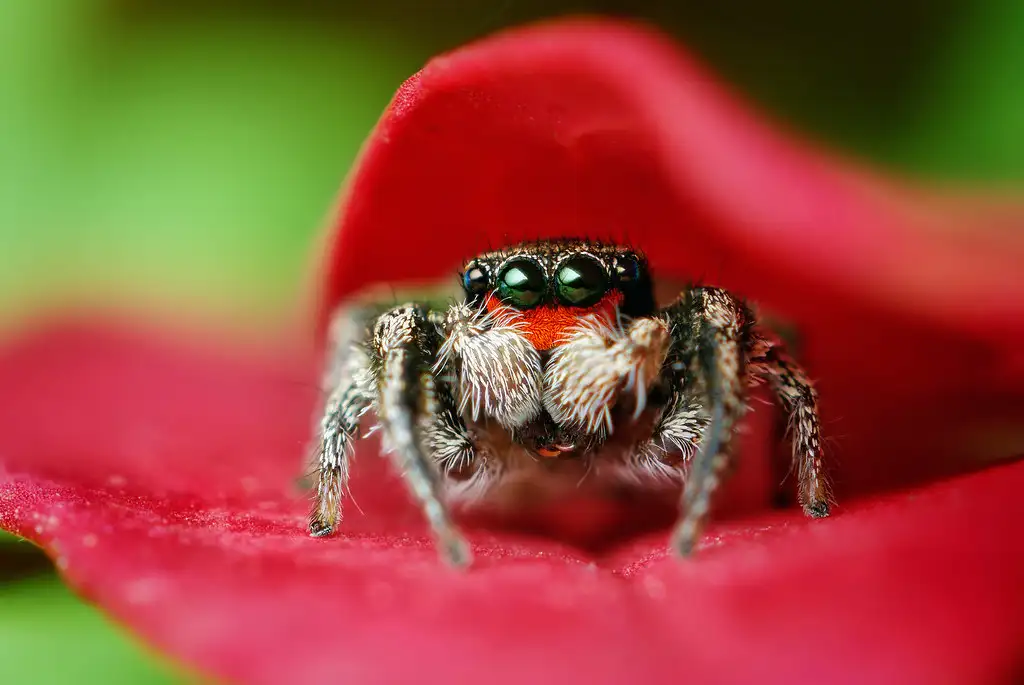
Jumping spiders are common and easily recognized spider pests in Utah, known for their compact, stout bodies, short legs, and large, forward-facing eyes that give them excellent vision. They are typically small—ranging from 1/8 to 3/4 inch—and come in a variety of colors, often with metallic or iridescent markings. Unlike most spiders, jumping spiders do not build webs to catch prey; instead, they actively hunt and leap short distances to pounce on insects. They are often found on windowsills, walls, and ceilings, especially during the day, as they are diurnal (daytime spiders) and curious in behavior. Although they may look intimidating up close, they are harmless to humans, do not pose health risks, and can even help control other pest populations indoors and outdoors.