
Wasps are showing up early this year in Utah
If you’re already seeing wasps around your home in early spring, you’re not imagining things—they’re showing up earlier than usual across Utah.
Many homeowners are seeing pests active in Orem and along the Wasatch Front, including Salt Lake County and surrounding areas. This early activity isn’t just a seasonal curiosity—it’s a warning sign for what’s coming later this summer.
Understanding what early wasp activity means can help you prevent major infestations before they start.
Why Wasps Are Emerging Earlier Than Usual
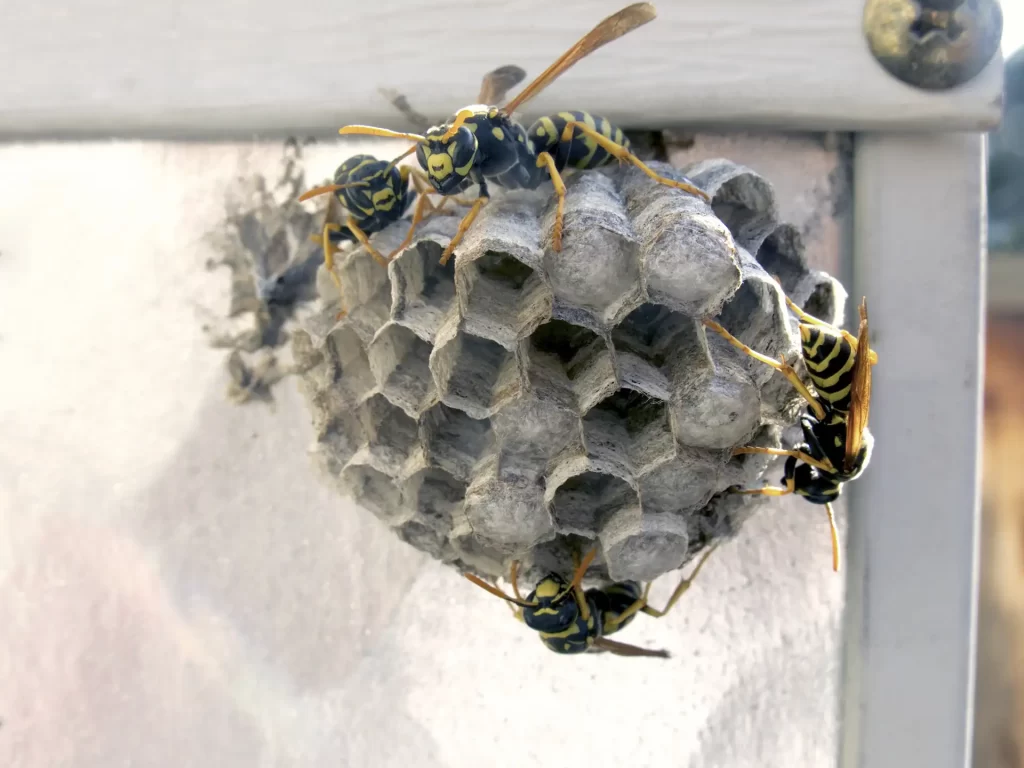
Several environmental factors are driving early wasp activity this year in Utah:
- Milder winters allow more queen wasps to survive
- Warmer early spring temperatures trigger earlier nest-building
- Lower precipitation pushes wasps closer to homes in search of water
Unlike worker wasps you see later in summer, the ones you’re spotting now are typically queen wasps. Their only goal right now is to find a place to build a nest and start a colony.
And this is where things become important for homeowners.
What Early Wasp Activity Means for Summer
Early wasp sightings usually mean one thing:
You’re headed for a bigger wasp season than normal
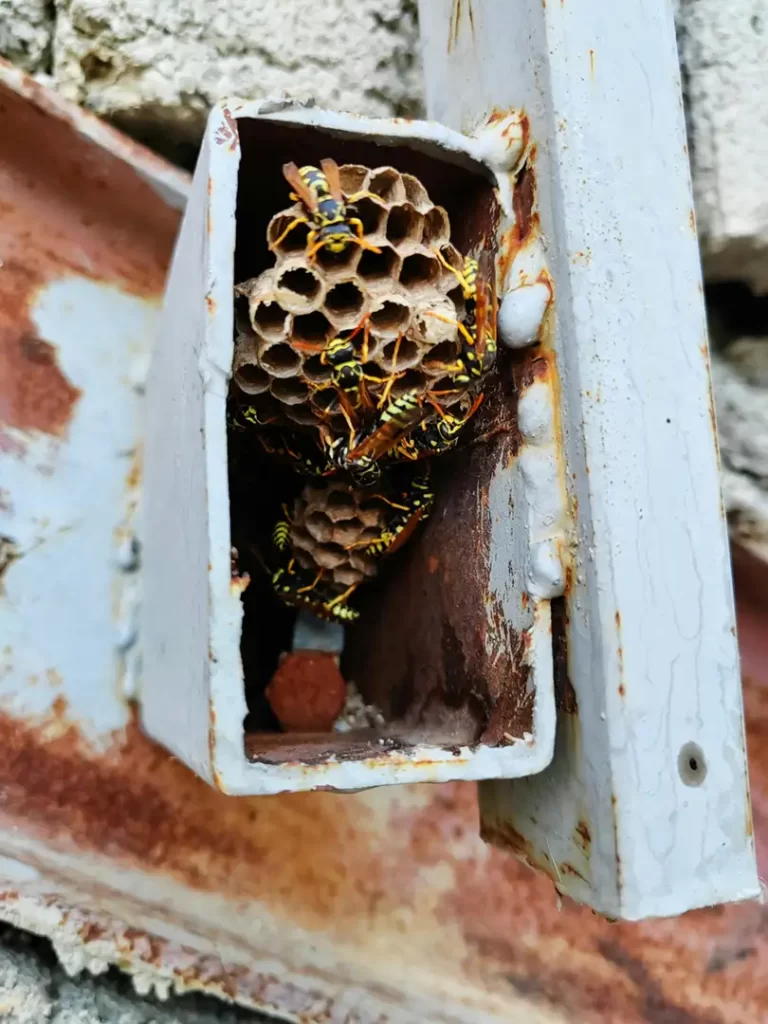
- Each queen builds a nest that produces hundreds to thousands of wasps
- Earlier nests = longer growth period
- More time = larger, more aggressive colonies by mid-to-late summer
- Aggressive yellow jacket colonies in the ground
- Large paper wasp nests under eaves
- Hidden infestations inside walls or attics
In other words: what you ignore now becomes a serious problem later.
Where Wasps Are Building Nests Right Now
Knowing where wasps are nesting will help you better prepare and prevent further or future infestations. In early spring, wasps look for quiet, sheltered areas to start small nests.
- Roof eaves and soffits
- Decks and patio covers
- Garages and sheds
- Attic vents and rooflines
- Underground burrows (especially for yellow jackets)
Early nests are typically small—about the size of a golf ball or smaller.
These are the easiest to deal with—but also the easiest to overlook, and can quickly grow into something much larger and more dangerous if left untreated.
Learn about Utah Wasps
See our pest library for the different species of wasps in Utah and how to identify them.
How to Prevent Wasps Early in the Season
Early prevention is the single most effective way to avoid a full-blown infestation later.
Step 1: Remove starter nests immediately
If you see a small nest:
- Knock it down early (daytime is safest when queens are less active)
- Use caution and protective clothing
Step 2: Seal entry points
- Close gaps in siding and soffits
- Install mesh over vents
- Repair damaged fascia boards
Step 3: Eliminate attractants
- Keep trash bins tightly sealed
- Clean outdoor eating areas
- Remove standing water
Step 4: Reduce nesting opportunities
- Declutter sheds and storage areas
- Limit exposed wood and sheltered corners
The goal is simple: make your home less appealing before colonies establish.
Common Mistakes That Make Wasp Problems Worse
Many homeowners unintentionally make the problem worse early in the season.
-
Ignoring small nests
These grow rapidly within weeks
-
Waiting until summer
By then, colonies are large and dangerous
-
Sealing active nest openings
Forces wasps into walls or living spaces
-
DIY spraying large nests
Can trigger aggressive swarming
When to Call a Professional
Early intervention is ideal—but sometimes it’s already beyond DIY.
You should consider professional help if:
- The nest is larger than a baseball
- Wasps are entering walls or ceilings
- You’re dealing with ground nests (yellow jackets)
- Wasps are showing aggressive behavior
Early-season treatment is typically faster, safer, and more affordable than dealing with peak-season infestations.
How Agent Pest Control Can Help
At Agent Pest Control, we specialize in early-season wasp prevention and removal across Utah.
- Identifying early nesting activity
- Safely removing starter and active nests
- Preventative treatments to stop future colonies
- Targeting high-risk areas around your home
If you’re already seeing wasps, now is the time to act—before colonies grow out of control.
Common Questions
Warmer winters and earlier spring temperatures allow more queens to survive and start colonies earlier than usual.
In Utah, queen wasps typically begin nest-building in early spring—but warm years can push this timeline even earlier.
Yes. Early nests are much easier to eliminate before they grow into large colonies.
Not usually. They become more aggressive later in summer as colonies grow and competition for food increases.
Don’t Wait Until Summer — Act Early
The good news?
Catching the problem early gives you the advantage.
- By taking action now, you can:
- Prevent large infestations
- Reduce risk to your family
Avoid costly removal later in the year
Protect Your Home Before Wasp Season Peaks
The best time to deal with wasps is right now, while nests are still small and manageable.