Most Common Mouse Nesting Locations in Salt Lake County & Utah County Homes
If you suspect mice in your home, the sooner you know where to look, the better your chances of stopping a small issue from turning into a full-blown infestation. Mice are experts at staying hidden, squeezing through tiny gaps and nesting in quiet, undisturbed areas most homeowners rarely check. From dark corners and storage boxes to utility lines and kitchen cabinets, knowing the most common hiding spots can help you spot early warning signs. Learn where mice commonly hide inside Utah homes and the signs of activity to watch for. From droppings to gnaw marks, discover how to spot mouse problems early.
Start your inspection here—these are the top spots where we find active nests, especially during Utah winters:
Behind and under kitchen appliances
Stoves, refrigerators, dishwashers (motors and coils generate heat that mice crave).
Kitchen and bathroom cabinet voids
Lower cabinets, under sinks, behind drawers, and corners (easy access to crumbs and plumbing warmth).
Furniture Voids
Inside couches, recliners, chairs, dressers, and upholstered pieces (especially in living rooms or basements).
Wall voids near heat sources
Near furnaces, baseboard heaters, electrical outlets, or plumbing runs (walls stay toasty in Utah’s freezing temps).
Ceiling voids and attics
Corners, above light fixtures, or in insulation (heat rises—common in older SLC homes).
Crawl spaces and foundations
Along foundation walls, subfloor areas, or under homes (very prevalent in Utah County properties).
Cluttered or neglected storage
Office drawers, desks, storage boxes, closets, garages, or basements full of unused items.
Around water heaters
Beneath or inside the base (constant warmth + rarely disturbed).
Near indoor garbage or recycling
Cluttered trash areas or pantries (quick food access).
Inside wall voids
Hidden throughout houses, condos, townhouses, and apartments (quiet protected highways for mice).
How to Identify Mouse Nests
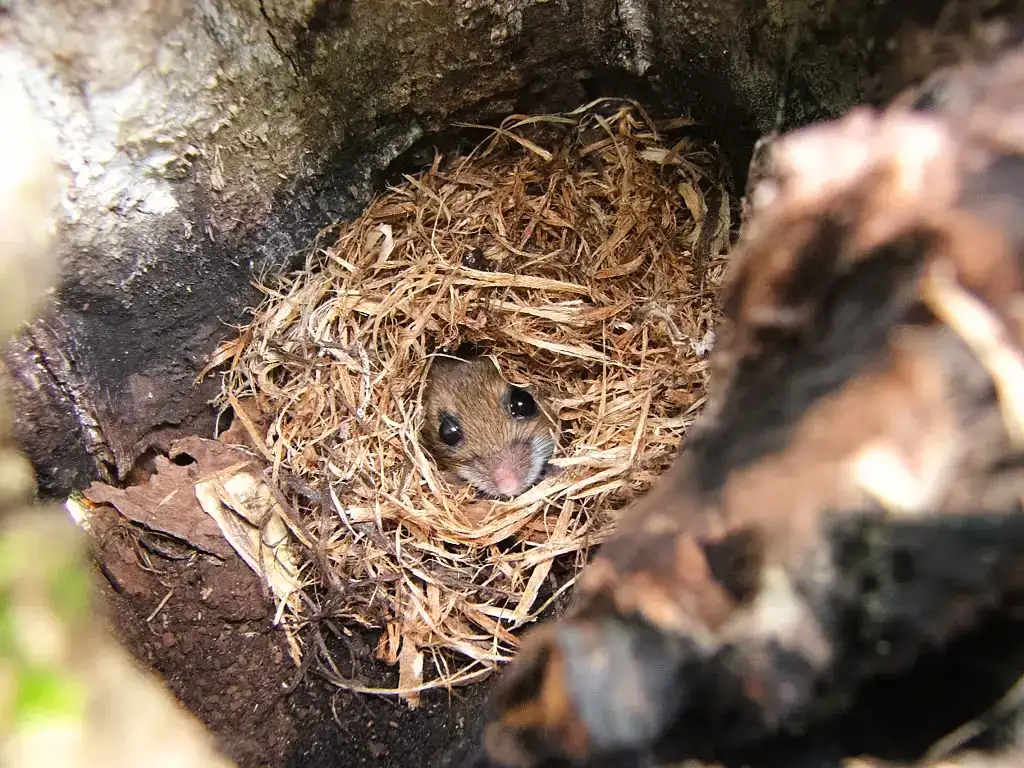
Mice frequently build nests inside wall cavities, which makes infestations harder to detect. They like to choose locations that provide warmth, shelter from predators, and give easy access to food and water.
Nests are usually softball-sized mounds of shredded material. Mice use paper, cardboard, fabric scraps, insulation, string, yarn, dried leaves—anything soft for bedding and insulation against our harsh Utah winters. Ensuring that you maintain good sanitation and cleanliness inside your home and the surrounding outdoor area can help reduce the attractiveness of your home and dramatically reduce the odds of mice and other rodents nesting.
Key Signs of Mice in Your Salt Lake County or Utah County Home
Even if you don’t spot the nest right away, look for these telltale signs (we commonly find these in our local inspections):

- Small, dark droppings (rice-sized with pointed ends) along walls, in cabinets, drawers, or near food.
- Gnaw marks on wires, wood, cardboard, food packaging, or furniture.
- Greasy rub marks (from body oils) along baseboards or travel paths.
- Scratching, scurrying, or squeaking noises—especially at night when mice are most active.
- Musky or ammonia-like odor in enclosed areas (from urine and droppings).
- Small chewed entry holes (mice only need a ¼-inch gap—check foundations, vents, pipes, doors).
Pro Tips from 16+ Years in Utah Pest Control
1. Always start in the kitchen
The kitchen is the #1 hotspot for mice in Salt Lake County and Utah County homes due to prevalent food and heat sources.
2. Use a bright flashlight and gloves when checking voids
Mouse droppings can carry diseases like hantavirus, especially from deer mice in Utah rural edges. Wearing gloves will help protect your from accidental exposure to these diseases.
3. Winter is peak season
Mice in Utah move indoors most commonly between October and March; act fast to avoid rapid breeding.
4. Prevention basics
- Seal entry points with steel wool + caulk
- Store food in airtight containers
- Reduce clutter
- Clean up crumbs/spills immediately.
Why Proper Inspection Matters

A thorough inspection is essential for effective mouse control and prevention. Finding nest locations helps identify entry points, harborage areas, the level of infestation, and the best treatment strategy. A professional can help identify areas most often missed by home owners. Ignoring these hidden areas often leads to repeated infestations.
If you find nests or multiple signs of a rodent infestation, professional mouse control in Salt Lake County or Utah County (targeted baiting/trapping near nests) is usually the most effective and safest option—DIY traps often miss hidden populations. Catching an infestation early saves time, money, and headaches!
Common Questions
Common signs include droppings, gnaw marks, scratching noises in walls or ceilings, nests made from shredded materials, and greasy rub marks along baseboards.
Mice can enter through extremely small openings—sometimes as small as a dime. Common entry points include gaps around doors, cracks in the foundation, vents, and openings around utility lines.
Mice are primarily nocturnal, meaning they are most active at night. During the day, they remain hidden to avoid predators and disturbances, which is why infestations can go unnoticed for long periods.
Mice typically establish nesting areas but will travel throughout the home in search of food and water. They often follow the same paths repeatedly, leaving behind scent trails and grease marks.
Stop the Infestation Before it Spreads
Don’t let mice ruin your day — one small problem can quickly turn into a major headache. Call Agent Pest Control today to get a detailed inspection and let our experts restore comfort and peace of mind to your home.