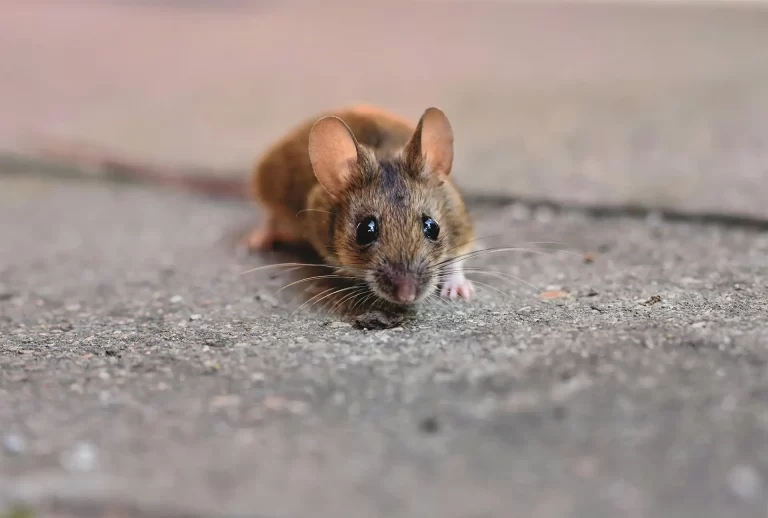
Many homeowners assume rodent problems disappear once winter ends. As temperatures rise and snow begins to melt, it’s easy to think mice will naturally move back outdoors and leave your home alone.
Unfortunately, that’s rarely what happens.
Once mice find their way inside during winter, they often decide to stay. Homes provide everything they need to survive comfortably: warmth, shelter, food, water, and protection from predators. By spring, what started as a seasonal issue can quietly become a long-term infestation hidden behind walls, inside attics, and beneath storage areas.
Across Orem, Provo, and surrounding areas along the Wasatch Front, homeowners commonly continue dealing with mouse activity well after winter ends.
Why Mice Don’t Leave After Winter
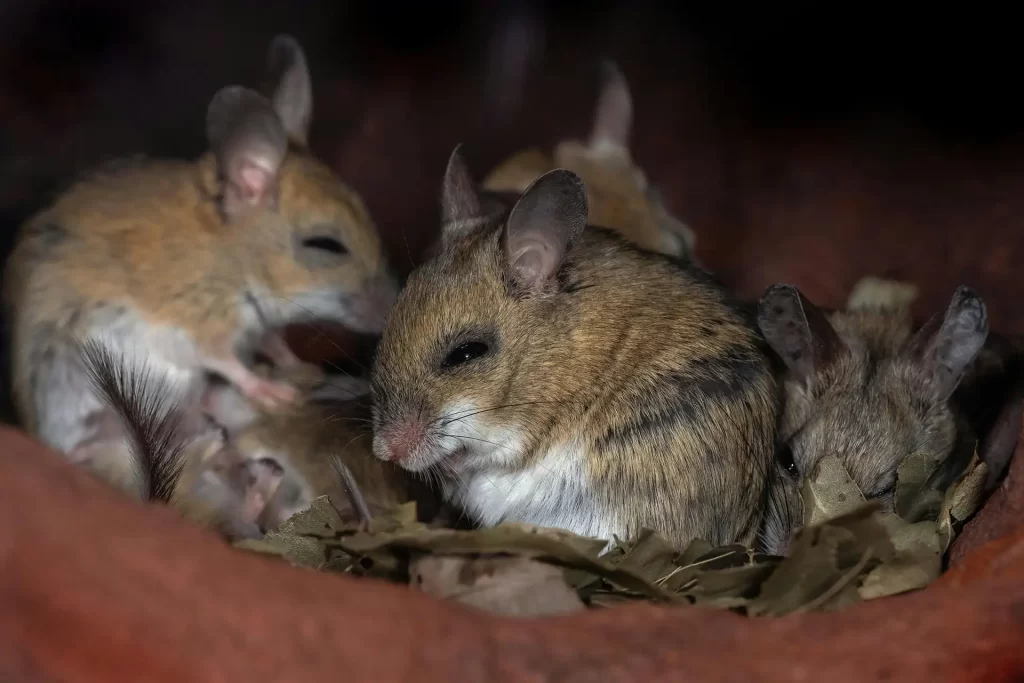
Mice don’t enter homes by accident. During colder months, they actively search for warm, protected spaces where they can survive the winter safely.
- Finding reliable food sources
- Building nests in hidden areas
- Creating travel routes throughout the home
- Reproducing in secluded spaces
By the time spring arrives, many mice are already deeply established indoors. There’s little incentive for them to leave when your home continues providing consistent shelter and easy access to food.
This is one of the biggest reasons rodent issues often continue long after temperatures warm up.
Where Mice Commonly Hide Inside Utah Homes

One of the challenges with rodent infestations is that mice are extremely good at staying hidden.
Most homeowners rarely see the full extent of the problem because mice prefer quiet, undisturbed areas where they can nest safely during the day.
- Attics and insulation
- Wall voids
- Basements and crawl spaces
- Storage rooms and garages
- Behind appliances
- Inside cabinets or utility areas
These locations provide warmth, darkness, and protection while allowing mice to move throughout the home unnoticed.
Signs You Still Have Mice
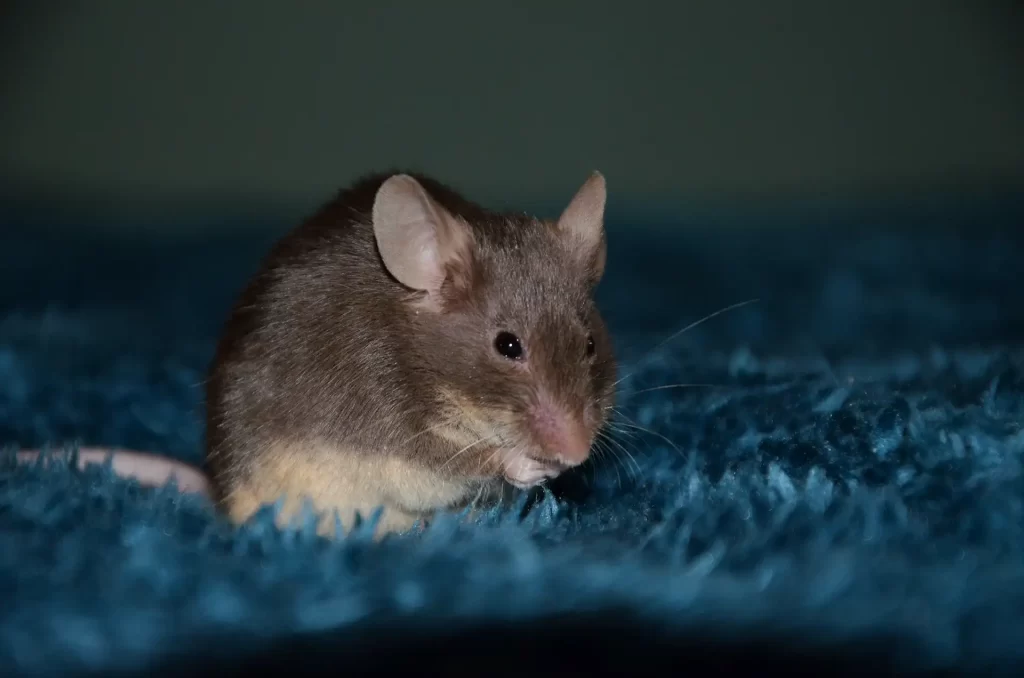
Even if you haven’t seen a mouse recently, the infestation may still be active behind the scenes.
- Droppings in drawers, cabinets, or pantries
- Scratching or movement inside walls or ceilings
- Chewed food packaging or wires
- Greasy rub marks along walls or baseboards
- Unusual musty odors near nesting areas
In many cases, visible signs represent only a small portion of the actual activity occurring inside the home.
- Even a small number of mice can indicate a larger hidden infestation.
Why Mouse Problems Often Get Worse in Spring
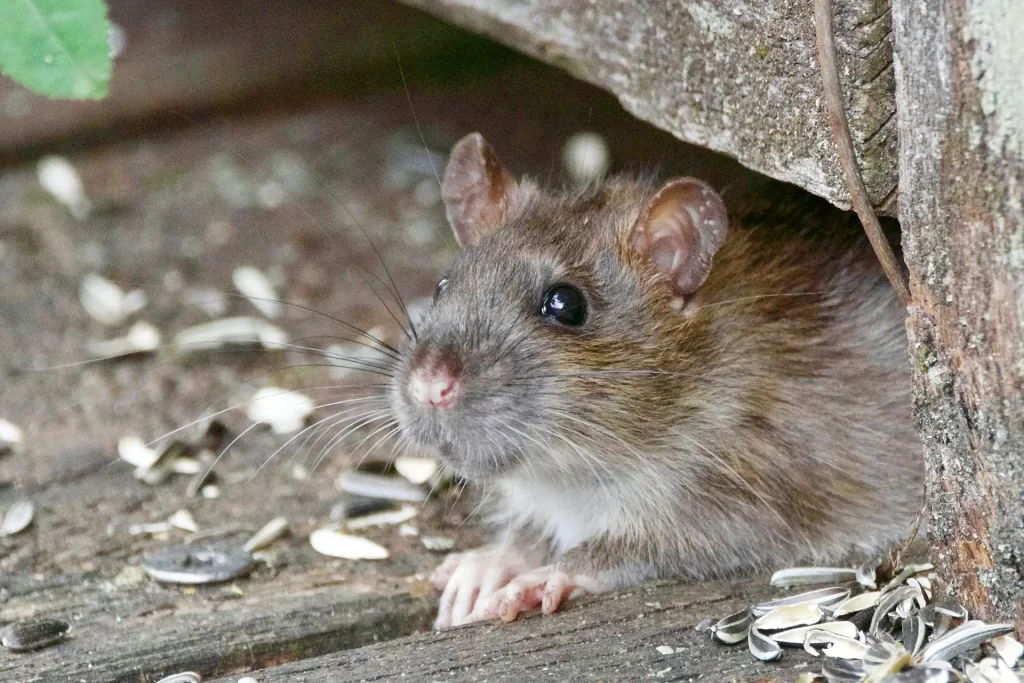
Spring doesn’t usually eliminate rodent problems—it often accelerates them.
- Mice become more active
- Breeding activity increases rapidly
- Food sources become easier to access
- Nesting populations continue expanding
Because mice reproduce so quickly, even a minor infestation can grow substantially within just a few months.
- A winter problem can quickly turn into a year-round infestation.
How to Reduce Mouse Activity in Your Home
-
Seal Entry Points
Mice can fit through surprisingly small openings. Sealing gaps and cracks around the exterior of your home helps reduce opportunities for entry.
- Gaps around exterior doors and garage doors
- Foundation cracks
- Utility line openings
- Damaged vents or screens
-
Remove Food Sources
Food availability is one of the primary reasons mice remain indoors.
- Store pantry items in sealed containers
- Clean crumbs and spills quickly
- Avoid leaving pet food exposed overnight
- Keep trash sealed and contained
-
Reduce Clutter and Nesting Areas
Mice prefer cluttered, undisturbed spaces where they can build nests safely.
- Keep storage areas organized
- Remove cardboard piles and debris
- Limit excess nesting materials in garages and basements
Be sure to check out our pest prevention checklist to make sure your home is prepared and protected against pests this spring.

When to Call a Professional
If signs of mice continue appearing after winter—or if activity seems to be increasing—the infestation is likely already established.
Unfortunately, mice rarely disappear on their own once they’ve settled inside a home.
Professional treatment is often necessary to:
- Identify hidden nesting areas
- Eliminate active infestations
- Seal common entry points
- Prevent recurring rodent problems
The earlier the issue is addressed, the easier it typically is to control.
Learn more about Utah Mice
See our pest library for the different species of mice in Utah and how to identify them.
What Lehi Homeowners Should Do Next
Rodent problems are much easier to stop early than after populations begin growing.
If you’re hearing scratching noises, finding droppings, or noticing signs of activity around your home this spring, it’s important to act before the infestation becomes more severe.
Many recurring infestations continue because homeowners never fully identify the hidden entry points pests use to access kitchens, basements, attics, and wall voids throughout the home.
Ignoring the problem often leads to:
- Increased contamination
- Property damage
- Larger nesting populations
- Ongoing recurring activity
Protect Your Home From Rodents Year-Round

At Agent Pest Control, we help homeowners throughout Utah County eliminate rodent infestations and prevent future problems before they grow.
Our rodent control services focus on:
- Eliminating active mouse infestations
- Identifying and sealing entry points
- Reducing long-term rodent activity
- Helping homeowners protect their homes year-round
Common Questions
Mice remain indoors because homes provide food, warmth, and shelter, making it unnecessary for them to leave.
They enter through small gaps in foundations, doors, vents, and utility openings.
Yes, mice become more active in spring due to increased breeding and food availability.
Eliminating entry points and addressing nesting areas is the most effective long-term solution.
Don’t Let a Winter Mouse Problem Become a Year-Round Infestation
Just because temperatures are warming up doesn’t mean mice have left your home. Once rodents establish nesting areas indoors, they often continue spreading throughout attics, walls, basements, and storage spaces long after winter ends.
At Agent Pest Control, we help Utah homeowners eliminate active rodent infestations and prevent mice from returning.