Why Pests Keep Getting Inside Your Home
If pests keep showing up inside your home, it usually isn’t random.
Most recurring infestations happen because pests have already found reliable ways to get indoors. Tiny gaps, cracks, and openings around your home create easy access points that often go completely unnoticed until activity becomes obvious.
Across communities like American Fork and Lehi, Utah’s seasonal temperature swings cause homes to naturally expand and contract throughout the year.
Over time, that movement creates small openings around foundations, doors, vents, and utility lines—exactly the kind of access pests are constantly searching for.
Once pests discover those openings, they rarely stop using them.
Ants establish scent trails, spiders move freely between indoor and outdoor spaces, and rodents repeatedly travel the same protected routes into your home.
The Most Common Pest Entry Points Around Utah Homes
Many pest entry points are surprisingly small and easy to overlook. Even newer homes can develop vulnerabilities over time.
-
Cracks in Foundations
Foundation cracks are one of the most common ways pests enter homes.
- Ants to create indoor foraging trails
- Spiders to move between exterior and interior spaces
- Moisture-loving pests to seek shelter indoors
Because these gaps are often hidden near landscaping or ground level, many homeowners don’t notice them until they see spiders inside homes and infestations begin recurring.
-
Gaps Around Doors and Windows
Doors and windows naturally wear down over time, especially with Utah’s changing seasons.
- Worn weather stripping
- Small openings along window seals
- Misaligned door frames
- Gaps beneath exterior doors
These locations are especially attractive to pests because they provide direct access into living areas where food, moisture, and shelter are easy to find.
-
Utility and Pipe Openings
Anywhere pipes, cables, or utility lines enter the home creates a potential vulnerability.
- Behind sinks and cabinets
- Around HVAC lines
- Exterior electrical penetrations
- Openings near plumbing connections
These areas are frequently overlooked during routine home maintenance, making them ideal access points for ants, spiders, and even rodents.
-
Rooflines, Soffits, and Vents
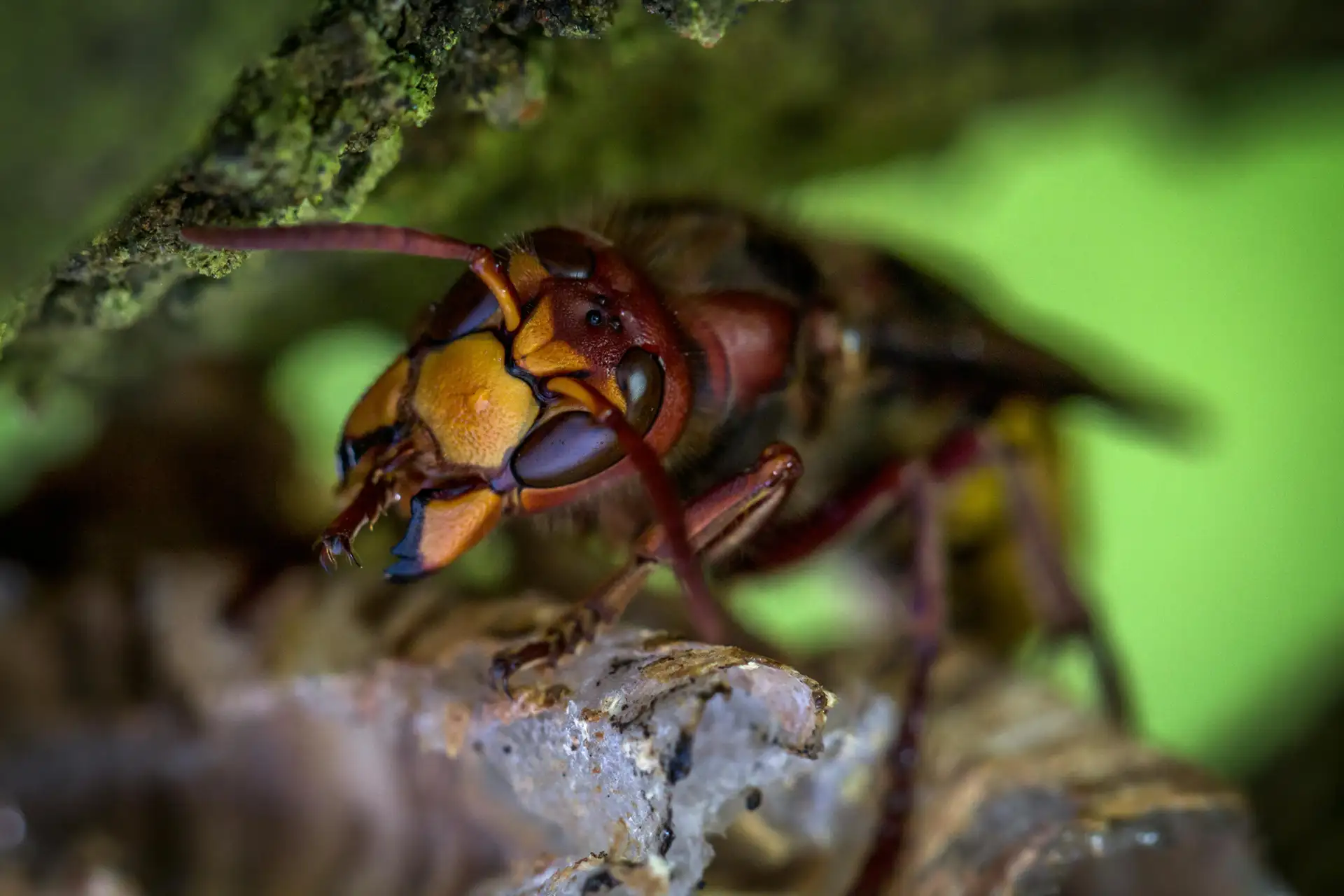
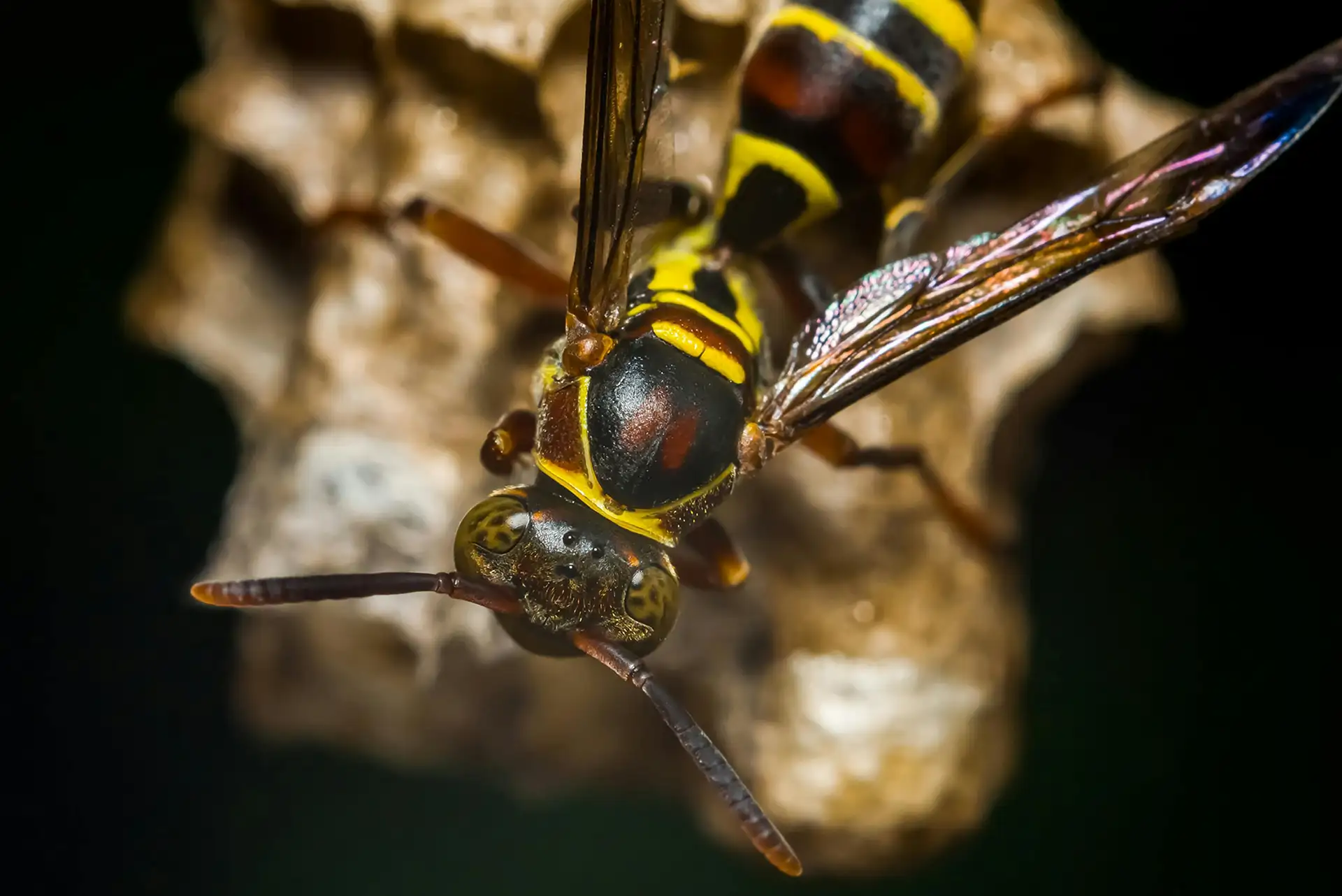
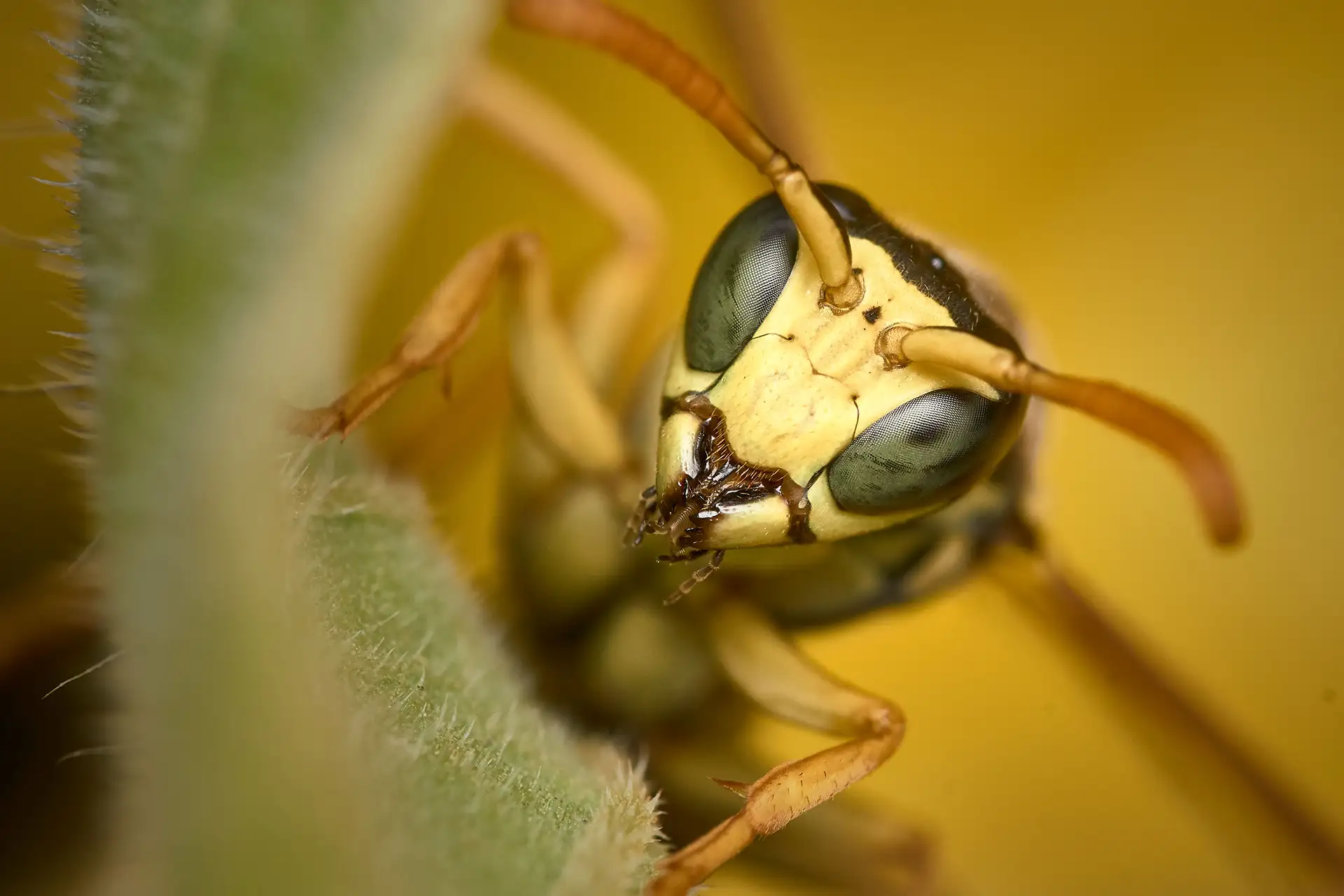
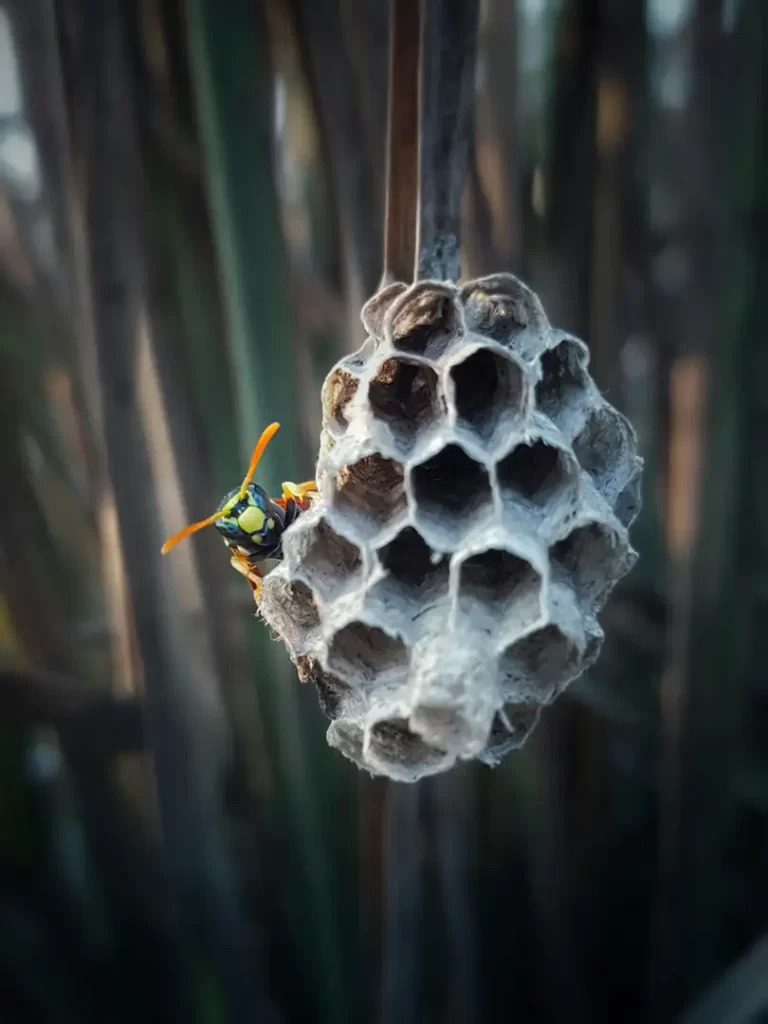
The upper portions of your home are another major access point for pests. If you’re noticing wasps getting inside your home, there’s a good chance nests may already be developing nearby around rooflines, soffits, vents, or other exterior areas.
- Damaged soffits
- Roofline gaps
- Unscreened attic vents
- Loose flashing or trim
- Wasps building nests near eaves and rooflines
- Rodents entering attic spaces
- Spiders nesting in undisturbed upper areas
Because these locations are harder to inspect regularly, infestations can develop unnoticed for long periods.
Why Small Openings Lead to Bigger Pest Problems
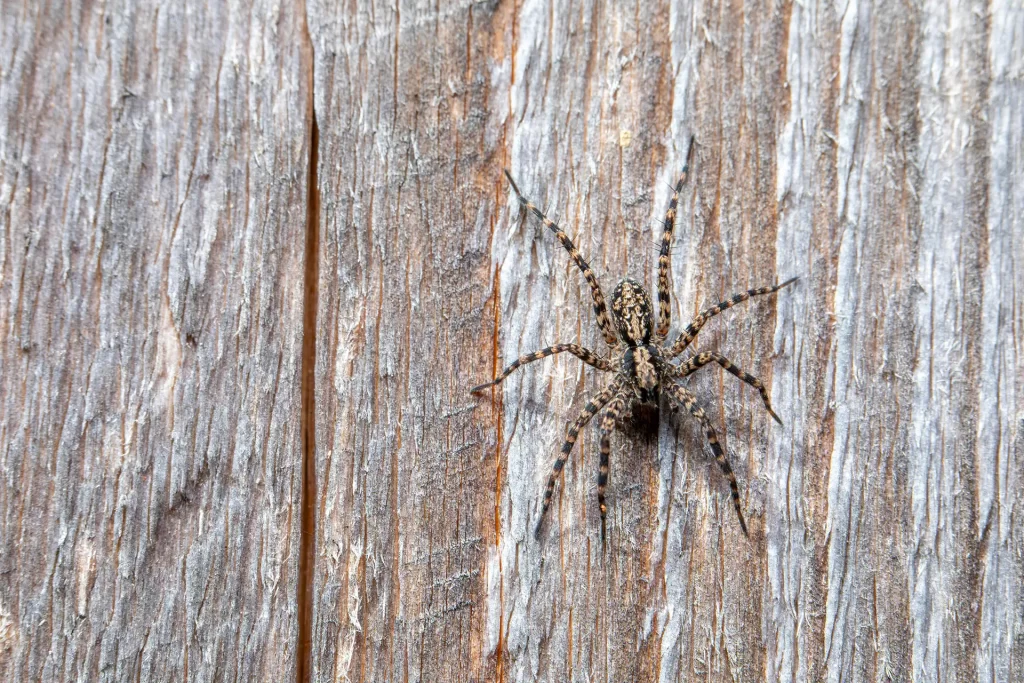
One of the biggest misconceptions homeowners have is underestimating how little space pests actually need.
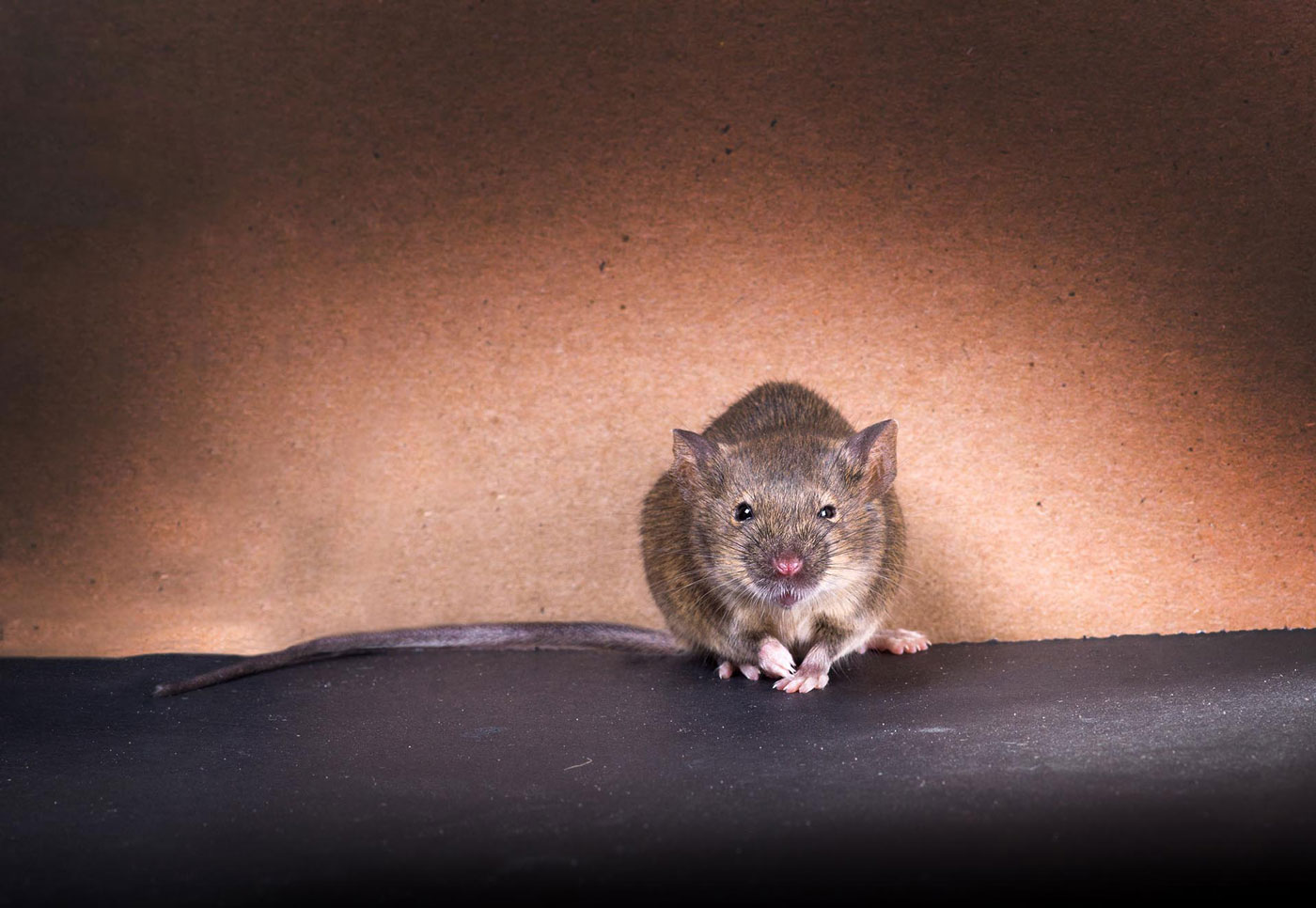
- Mice can squeeze through openings as small as a dime
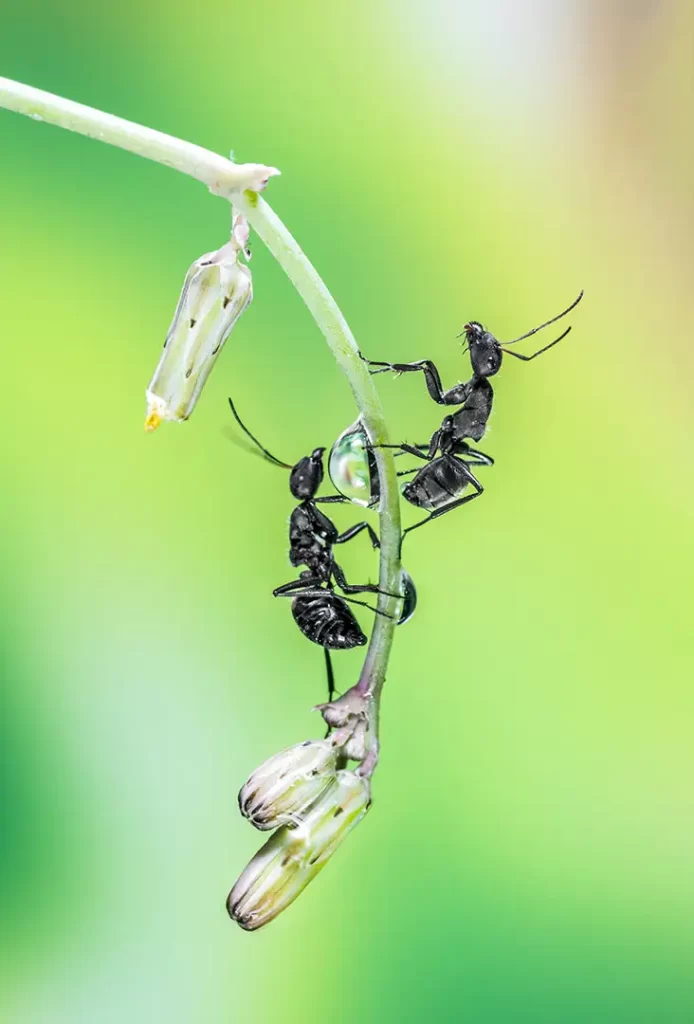
- Ants only need tiny cracks to establish trails
- Spiders can enter through nearly invisible gaps
If pests are repeatedly getting indoors, it almost always means accessible entry points still exist somewhere around the home.
How to Help Seal Your Home Against Pests
Preventing infestations starts with reducing the opportunities pests have to get inside.
-
Seal Cracks and Exterior Gaps
Sealing small exterior gaps early in the season can make a major difference in preventing ants entering your home as spring temperatures begin to rise.
- Foundations
- Window frames
- Exterior wall penetrations
- Siding gaps
- Even small repairs can significantly reduce pest access.
-
Replace Worn Weather Stripping
- Exterior doors
- Garage doors
- Sliding glass doors
- Tight seals help block both pests and drafts.
-
Repair Screens and Protect Vents
- Repair torn windows screens
- Install screened vent covers
- Inspect attic and crawlspace vents regularly
- This helps prevent flying insects, spiders, and rodents from entering vulnerable areas.
-
Inspect Your Home Regularly
Seasonal inspections are one of the best ways to catch developing issues early.
- New cracks or openings
- Loose trim or siding
- Damaged seals
- Signs of pest activity near entry points
- Early prevention is much easier than dealing with a growing infestation later.
Common Pest Prevention Mistakes Homeowners Make
Many recurring infestations happen because homeowners unknowingly focus on the symptoms instead of the source.
-
Only Treating Inside the Home
Indoor treatments may temporarily reduce visible pests, but they don’t stop new pests from entering.
-
Ignoring Small Gaps
Tiny openings are often the primary reason infestations continue returning.
-
Waiting Until Activity Gets Worse
Pest populations rarely stay small for long. Delaying treatment often allows infestations to spread and become harder to control.
Learn about Utah Pests
See our pest library for the different species of pests in Utah and how to identify them.
What Utah Homeowners Should Do Next
If pests keep coming back despite repeated treatment, there’s a good chance your home still has accessible entry points that need to be addressed.
The earlier those vulnerabilities are identified, the easier it is to prevent larger infestations from developing.
Protect Your Home From Pests Year-Round
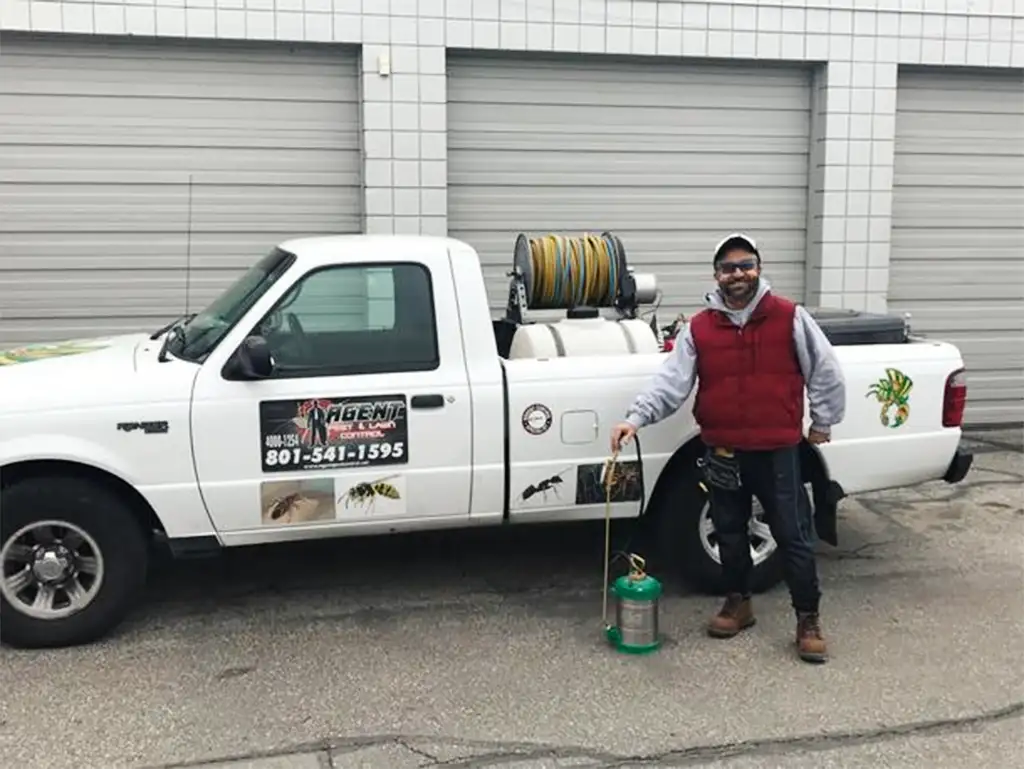
At Agent Pest Control, we help homeowners throughout Utah County identify hidden pest entry points, reduce vulnerabilities, and prevent recurring infestations before they grow.
Our pest control services focus on:
- Identifying common access points
- Treating active infestations
- Helping prevent future pest problems
- Protecting homes year-round
Common Questions
Most pests enter through foundation cracks, gaps around doors and windows, utility openings, and roofline vulnerabilities.
Yes. Many pests require only tiny openings—mice can fit through dime-sized gaps, and insects need even less space.
If entry points aren’t sealed, pests will continue re-entering even after treatment.
Sealing entry points combined with regular inspections is the most effective long-term solution.
Stop Ants Before They Keep Finding Their Way Inside
Small cracks and hidden gaps around your home can give ants easy access to kitchens, bathrooms, and living spaces—especially during spring and summer when colonies are actively searching for food and moisture.
At Agent Pest Control, we help Utah homeowners eliminate ant infestations at the source and reduce the entry points that allow recurring activity.