Why Early Wasp Activity Is a Warning Sign
It starts with a single wasp.
Maybe you notice one hovering near your patio. Perhaps a few are flying around the eaves of your home. At first, it doesn’t seem like a big deal.
But when wasps begin appearing early in the season, they’re often signaling something much larger.
Across Utah, spring is when overwintering wasp queens emerge from shelter and begin searching for places to establish new colonies. The sooner that process begins, the more time colonies have to grow throughout the summer.
That’s why homeowners who notice early wasp activity in spring should pay attention. What appears to be a minor nuisance today can become a much larger problem by midsummer.
Why Early Wasp Activity Matters
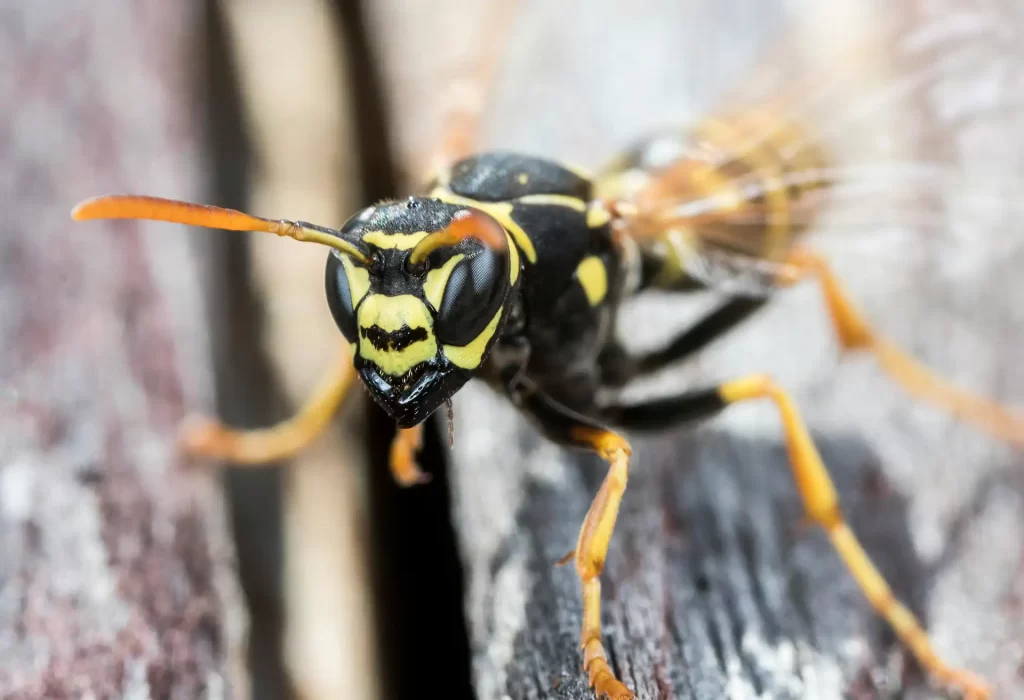
Wasps don’t simply appear overnight.
By the time you’re seeing queens flying around your property, they’re actively searching for suitable nesting locations and beginning the colony-building process.
- Queens survived the winter successfully
- Nest construction is already underway
- Environmental conditions favor colony growth
- Populations may be larger later in the season
In many cases, the wasps you see during spring are only the beginning.
A single queen can eventually produce an entire colony of worker wasps that remain active throughout the summer.
What Happens After a Wasp Colony Is Established?
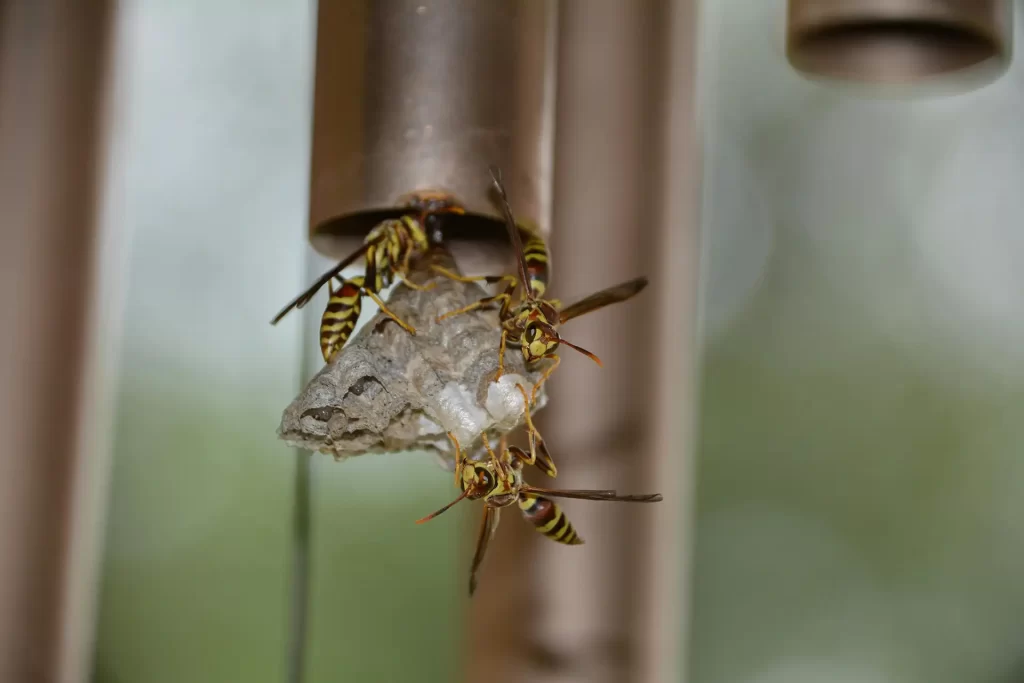
Once a queen finds a suitable location and begins building a nest, growth happens surprisingly quickly.
- Worker wasps begin emerging
- Nest construction accelerates
- Food collection increases
- Colony populations expand
The small nest hidden under an eave in April can become a significant colony by July or August.
This is why understanding where wasps build nests around your home is one of the most effective ways to prevent larger infestations later in the season.
Why Wasps Become More Aggressive as Summer Progresses
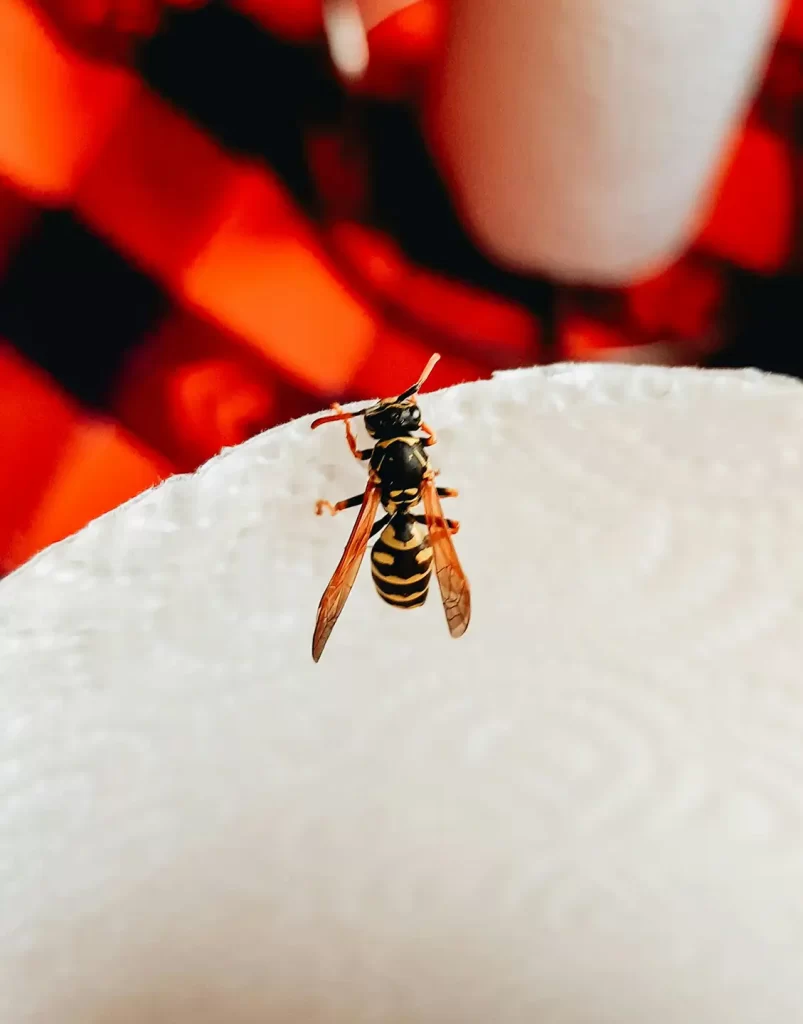
Many homeowners notice that wasps seem relatively harmless in spring but become much more aggressive later in the year.
That’s because the colony’s priorities change.
- More workers are present
- More resources are required
- Colonies become increasingly defensive
- Competition for food increases
By late summer, wasps are often protecting hundreds of nestmates and will aggressively defend established colonies if they perceive a threat.
This is why most sting incidents occur later in the season rather than during early spring.
The Advantage of Taking Action Early
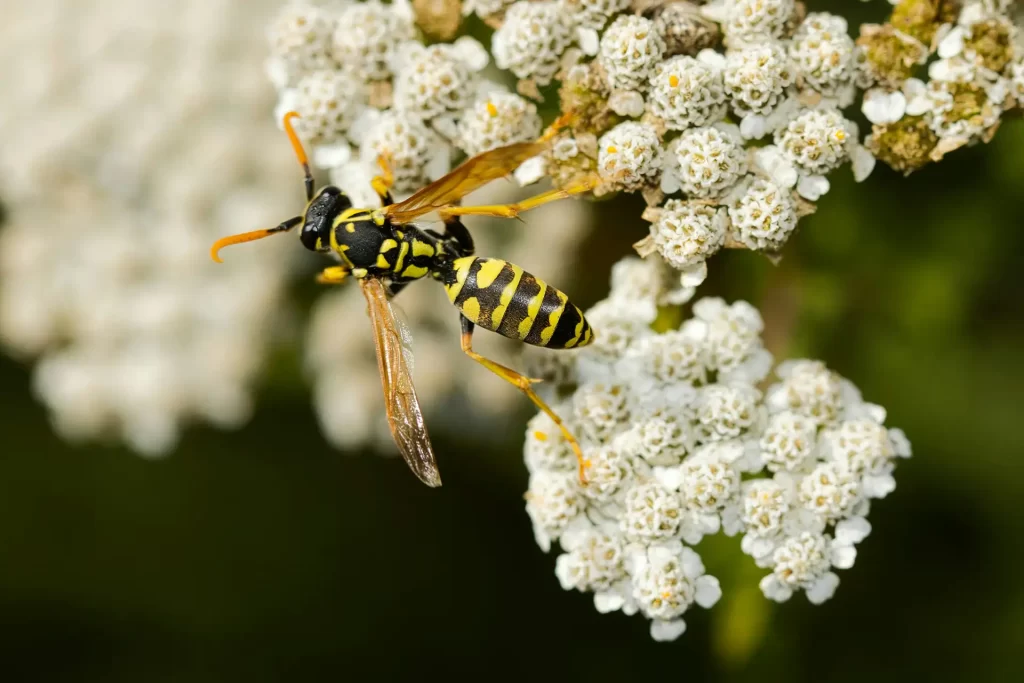
One of the biggest mistakes homeowners make is assuming a small amount of wasp activity isn’t worth worrying about.
In reality, early intervention is often the easiest and most effective approach.
- Prevent nests from becoming established
- Reduce future wasp populations
- Lower the risk of stings
- Avoid larger infestations later in the season
Small problems are usually much easier to manage than fully developed colonies.
What You Can Do Right Now
If you’re already noticing wasps around your home, a few preventative steps can help reduce future issues.
-
Inspect Common Nesting Areas
- Rooflines
- Eaves
- Soffits
- Decks
- Sheds
- Outdoor structures
These are among the most common nesting locations around Utah homes.
-
Reduce Food Sources
- Outdoor food
- Sugary drinks
- Open trash containers
- Pet food left outdoors
Reducing attractants can help discourage activity around your property.
-
Address Activity Quickly
The sooner potential nesting activity is identified, the easier it is to prevent colonies from becoming established.
Waiting until summer often means dealing with a much larger and more active population.
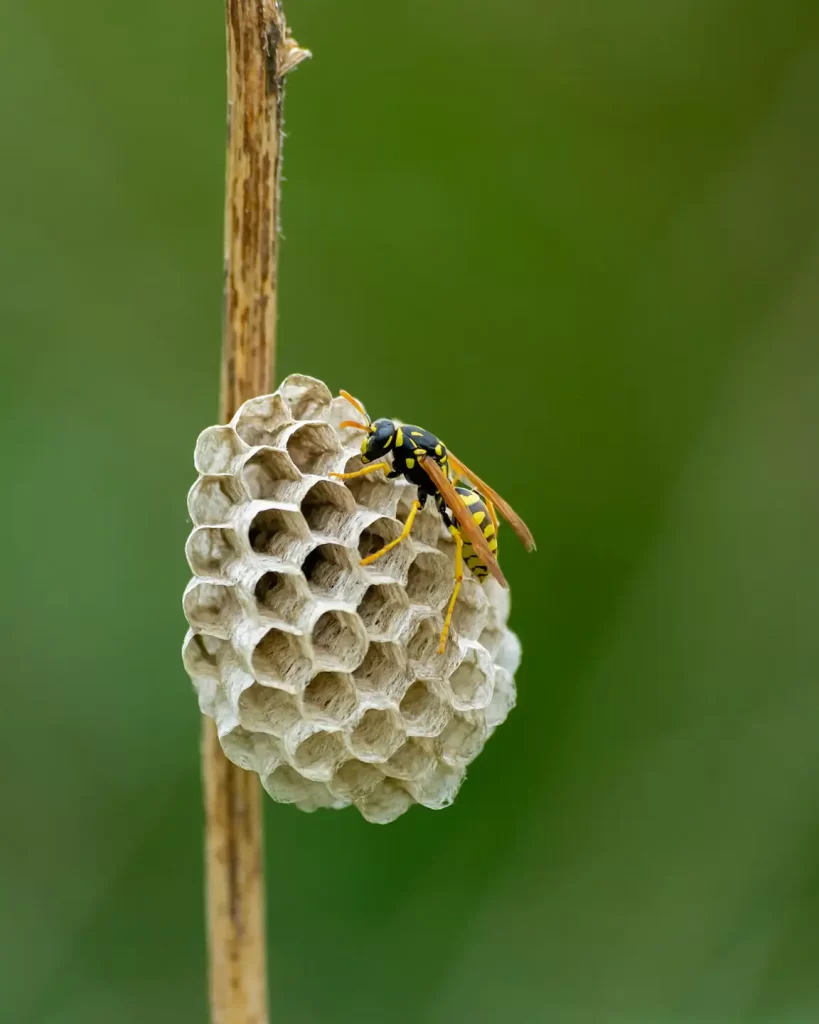
The Risk of Waiting Too Long
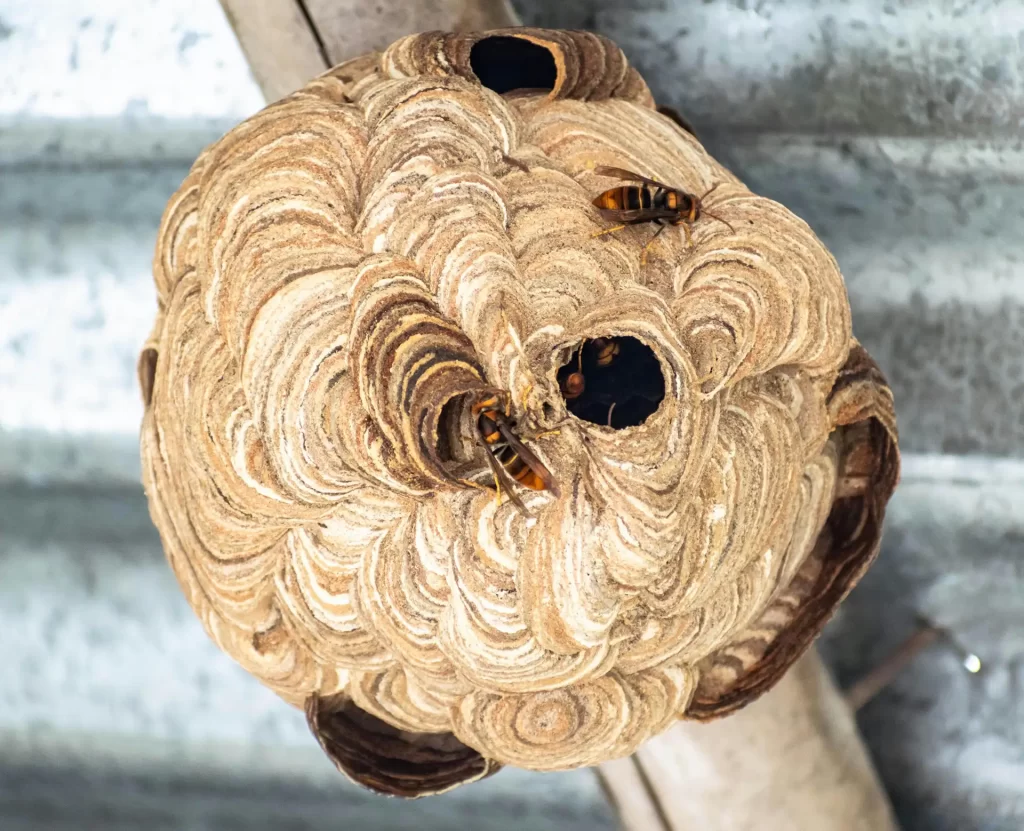
Many homeowners don’t take action until wasps become impossible to ignore.
- Colonies are often much larger
- Nest removal becomes more difficult
- Sting risks increase
- Activity is more widespread
A small spring problem can quickly turn into a significant summer pest issue.
That’s why proactive prevention tends to be far more effective than reactive treatment.
What Utah Homeowners Should Do Next
If you’re already seeing wasps around your property this spring, now is the ideal time to act.
Early-season sightings often provide valuable insight into what the rest of the season may look like. Addressing activity before colonies become established can significantly reduce future problems and help keep outdoor spaces more enjoyable throughout the summer.
The sooner wasp activity is addressed, the easier it typically is to control.
Learn about Utah Wasps
See our pest library for the different species of wasps in Utah and how to identify them.
Stop Wasp Problems Before They Grow
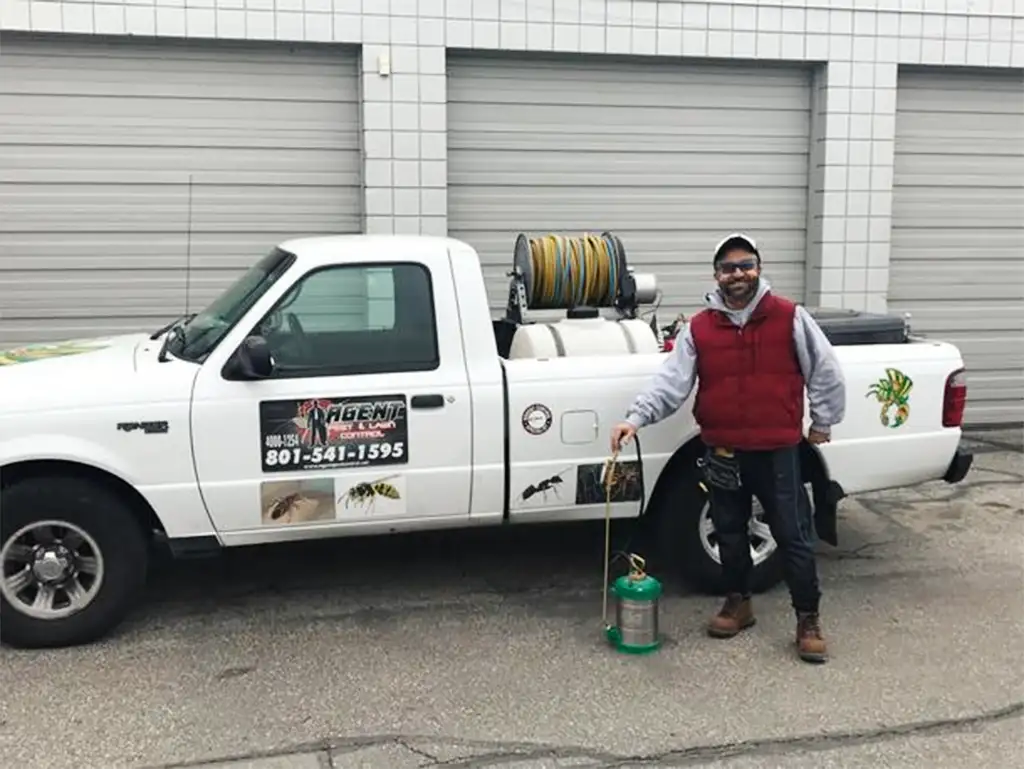
Seeing wasps early in the season often means nests are already being established nearby. The longer colonies have to grow, the larger and more aggressive they can become during the summer months.
At Agent Pest Control, we help Utah homeowners:
- Identify wasp activity early
- Eliminate developing colonies
- Prevent recurring nests
Common Questions
Not necessarily, but it often indicates that queens have emerged successfully and begun establishing new colonies. Early activity can lead to larger wasp populations later in the season.
Yes. Many large summer colonies begin as very small nests built by a single queen during spring.
Wasps are typically most aggressive during late summer when colonies reach peak population and become highly protective of their nests.
Wasps commonly build nests under eaves, rooflines, decks, sheds, soffits, and other protected outdoor structures.
Small, easily accessible nests may be manageable in some situations, but larger or active colonies can pose significant sting risks and often require professional treatment.