Yellow Jackets vs. Wasps:
Understanding the Difference Before There’s a Problem
When a fast-moving stinging insect starts flying around your yard, most homeowners have the same reaction: “Is that a wasp?”
In many cases, the answer is yes—but that doesn’t tell the whole story.
Yellow jackets (or “yellowjackets”) are actually a type of wasp, but their behavior, nesting habits, and aggression can make them a very different problem compared to other common wasps found around Utah homes.
Knowing what you’re dealing with matters because the right approach depends on where the insects are nesting, how the colony behaves, and how quickly the problem is growing.
How to Tell a Yellowjacket from a Wasp
While paper wasps and yellow jackets are both types of wasps, there are several noticeable differences that can help you identify what is flying around your home.
Knowing the difference can give you a better idea of where the nest may be located, how the insects are likely behaving, and what level of concern to have.
Paper Wasp vs. Yellow Jacket Identification Guide
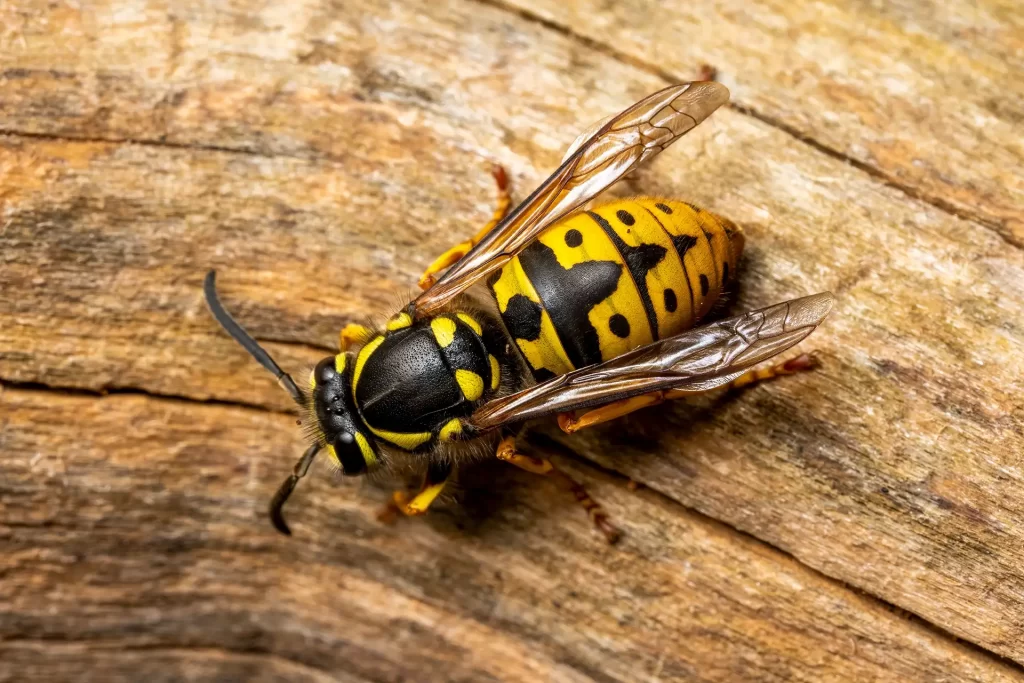
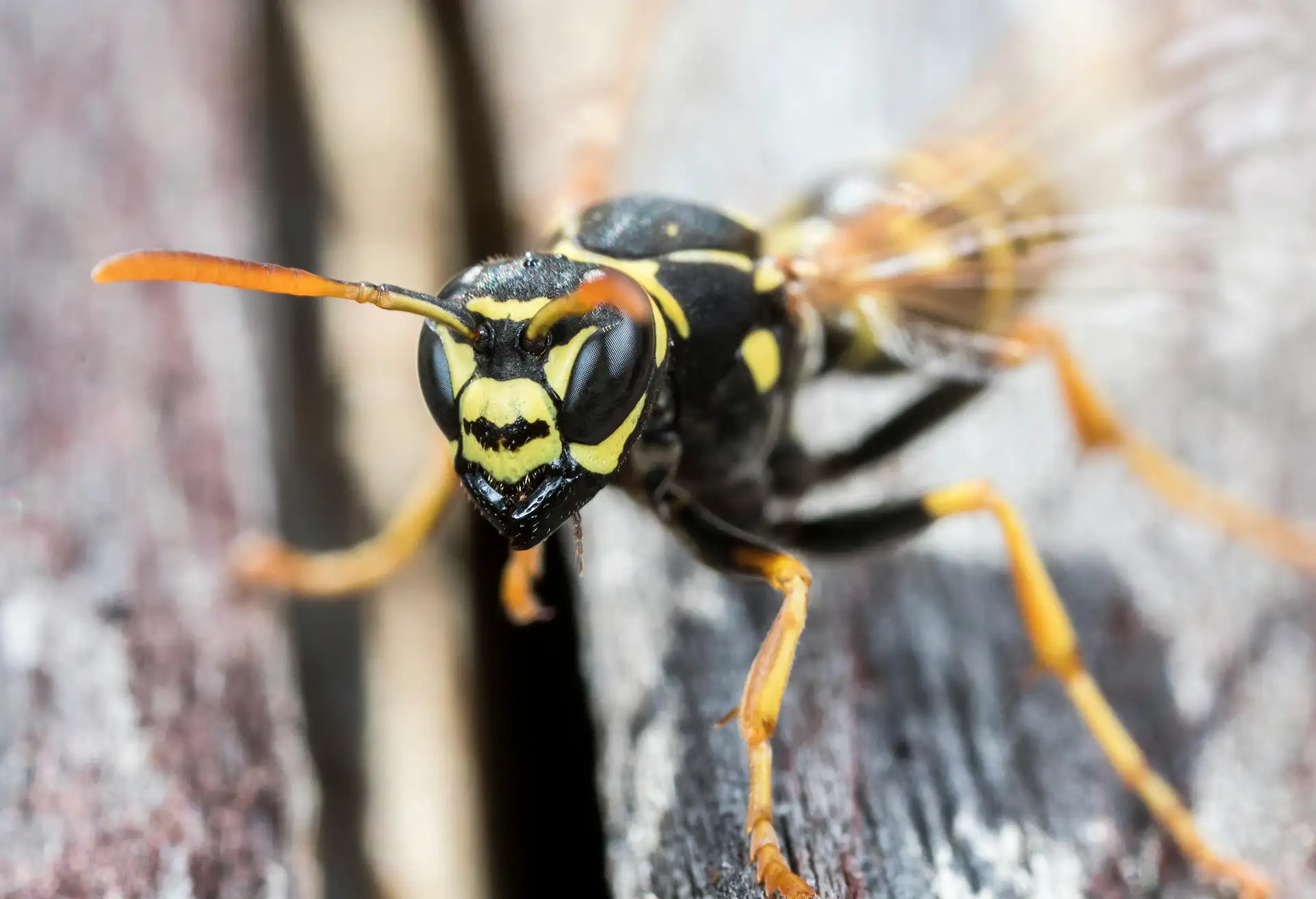
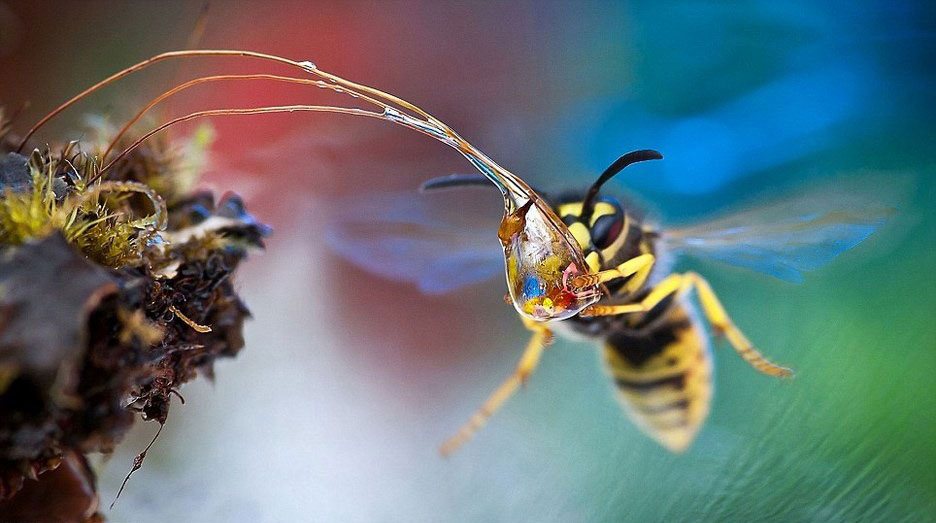
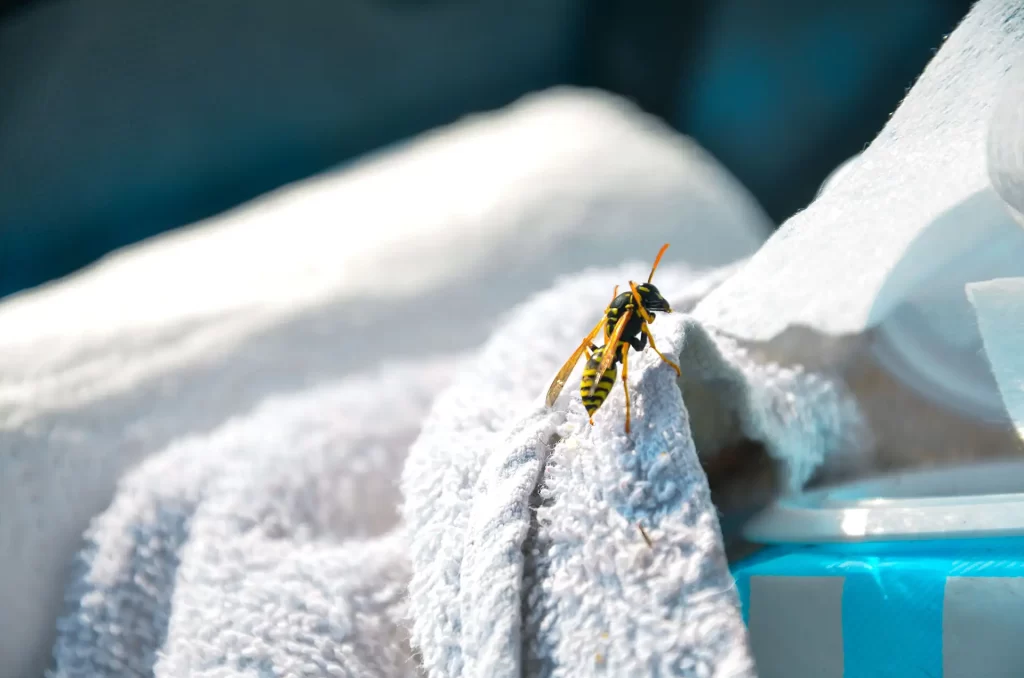
Typically shorter and stockier with bright yellow and black banding across the body.
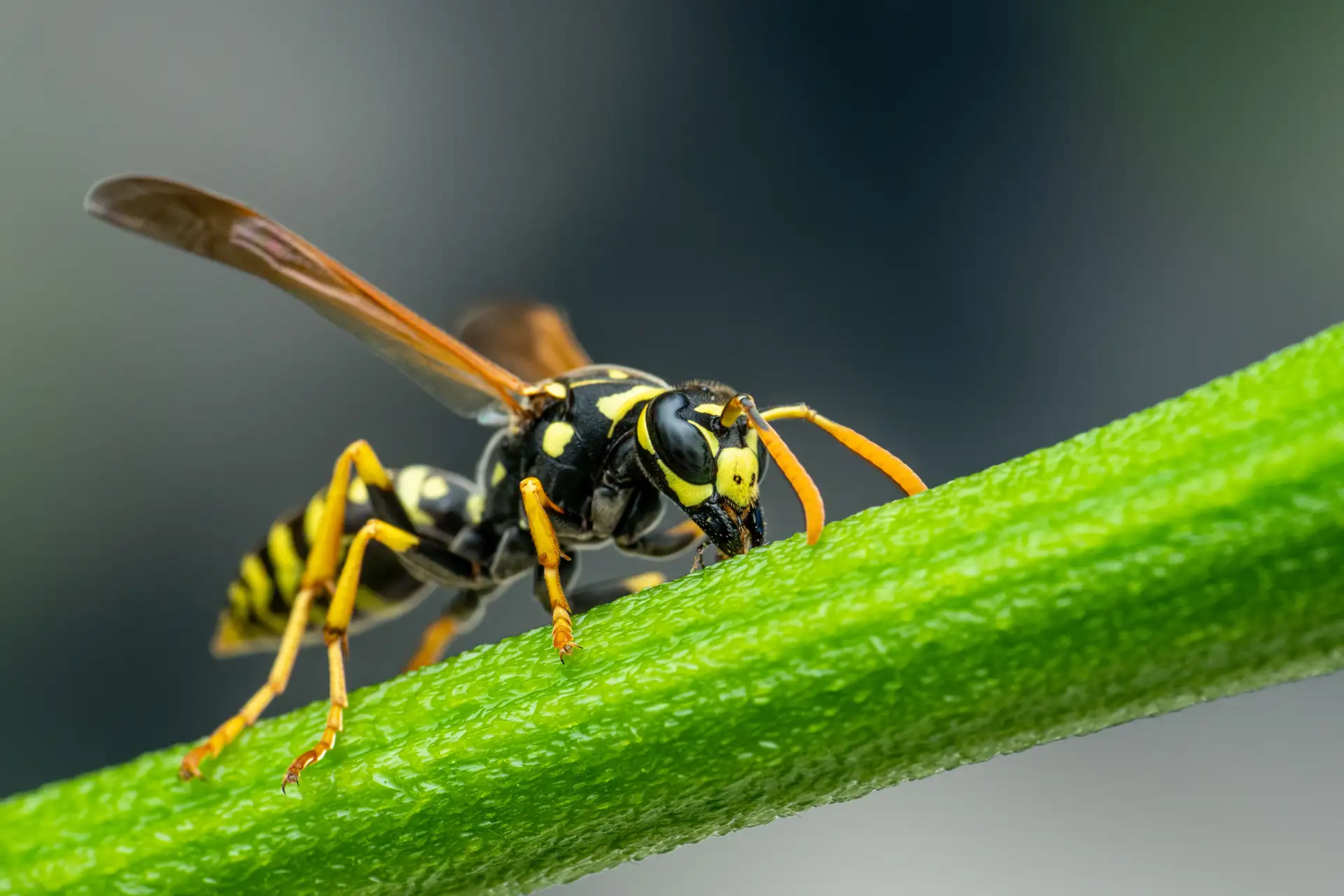
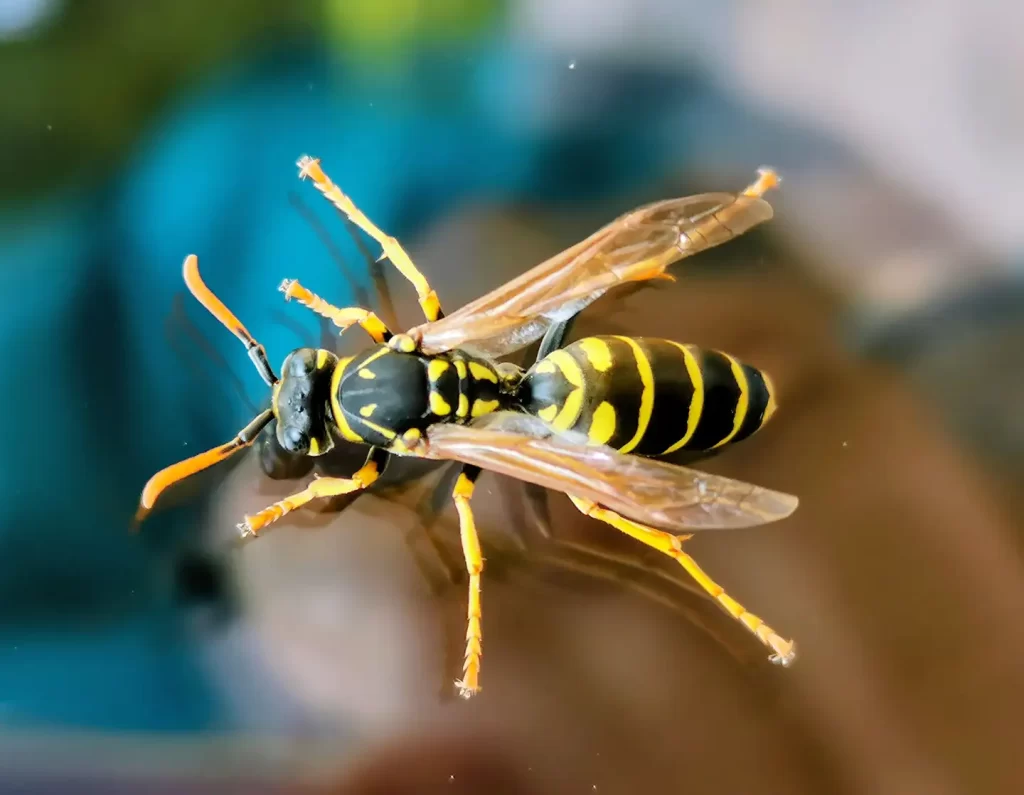
Usually longer and more slender with a narrow waist. Common paper wasps have reddish-brown coloring mixed with yellow or orange markings.
More compact body with shorter legs and a thicker appearance.
Thin body with long legs that often hang down while flying.
Faster, more direct flight patterns. They may repeatedly fly in and out of the same area near a nest entrance.
Often slower, more controlled flyers that may hover around plants, eaves, or structures while searching for nesting locations.
Often nests underground, inside wall voids, or hidden cavities around homes and landscaping.
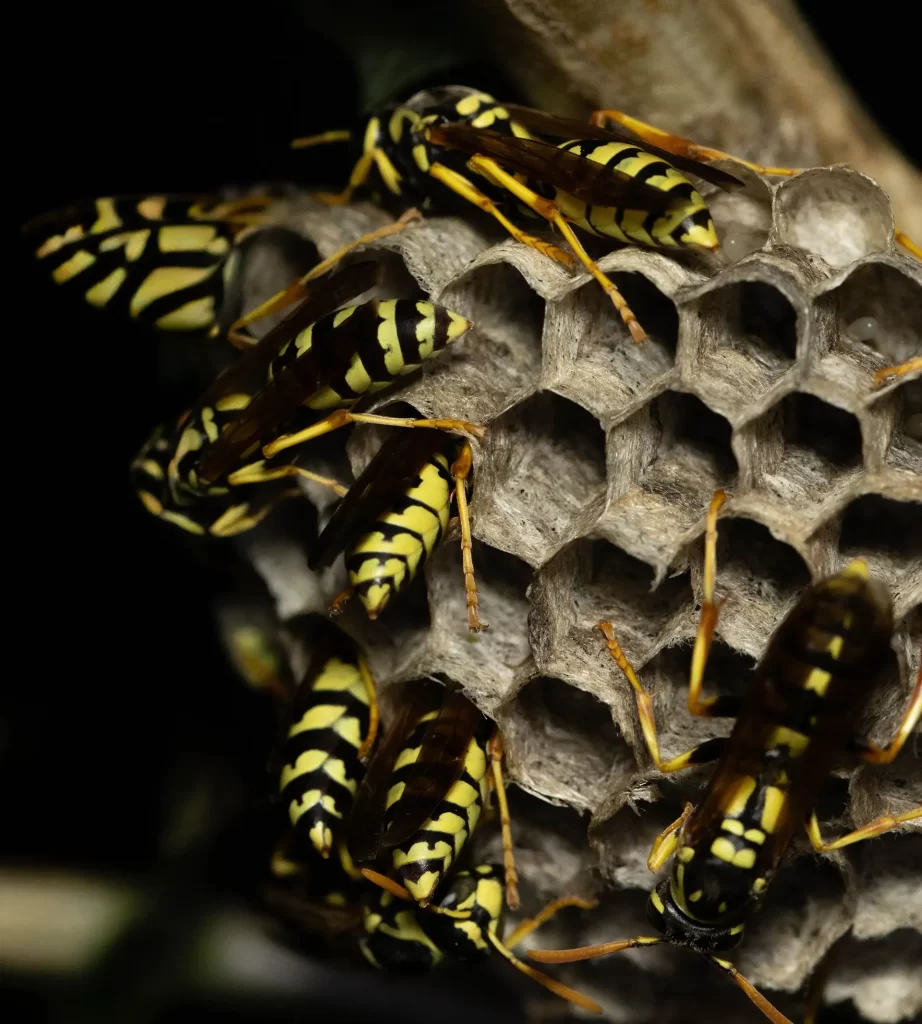
Usually builds exposed paper-like nests under roof eaves, porch ceilings, decks, sheds, or other protected areas.
Frequently attracted to human food, sugary drinks, garbage, pet food, and outdoor gatherings.
Primarily hunts other insects and is often found around gardens and plants.
More defensive, especially when protecting a nest. Large colonies can become increasingly aggressive later in the season.
Generally less aggressive and usually only becomes defensive when the nest is disturbed.
More likely to sting when people get close to the nest or disturb their activity area.
Usually poses a lower risk when left alone, but can sting if threatened.
Around yards, patios, trash cans, landscaping, and areas where food is present.
Around rooflines, porches, fences, gardens, and sheltered outdoor areas.
Why Yellow Jackets Are Often Confused With Other Wasps
- Both are capable of stinging
- Both become more active during warmer months
- Both build colonies near homes
- Both can become a nuisance around outdoor spaces
- Both have similar yellow and black patterns on their bodies
The confusion usually happens because homeowners see a flying insect near their home and assume all wasps behave the same.
They don’t.
A paper wasp nest hanging under an eave is a very different situation than a hidden yellow jacket colony underground.
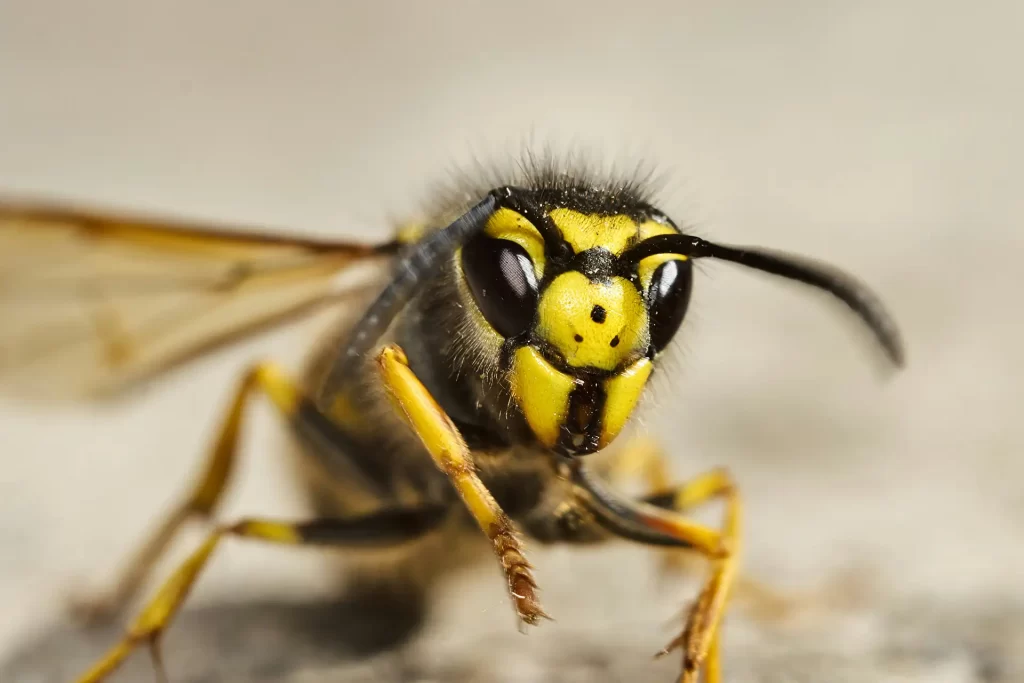
What Makes Yellow Jackets Different?
Yellow jackets stand out because they are typically more defensive and more likely to interact with people.
- Nest underground or inside hidden cavities
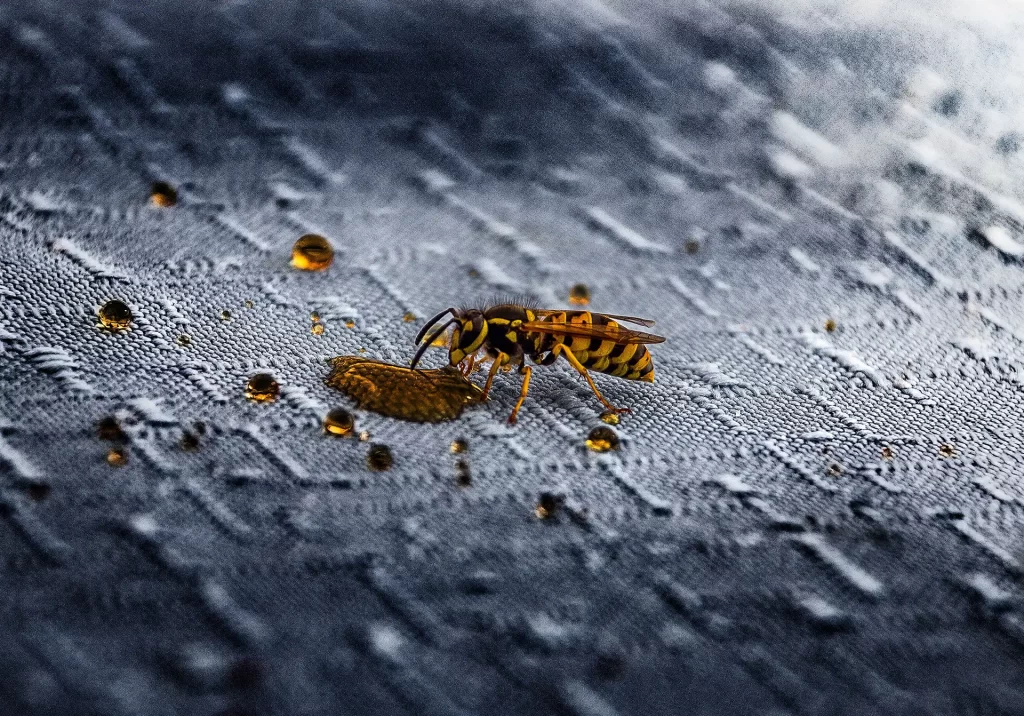
- Scavenge for food around homes
- Are attracted to sugary drinks, garbage, and outdoor meals
- Become increasingly aggressive later in the season
One of the biggest challenges with yellow jackets is that the nest may not be obvious.
A homeowner may notice increased activity around a yard, patio, or landscaping area without realizing there is a colony nearby.
This hidden nesting behavior is one reason yellow jacket problems can escalate quickly. As activity increases throughout the season, understanding when wasp nests become dangerous can help homeowners recognize when professional treatment may be needed.
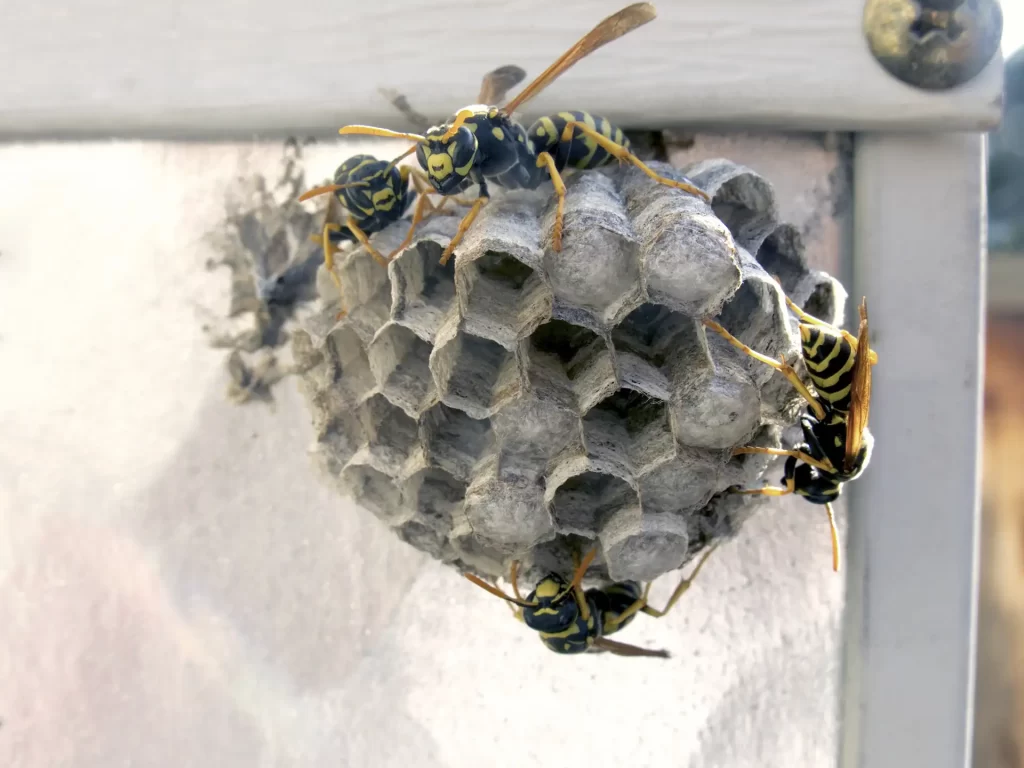
How Paper Wasps and Other Wasps Behave Differently
While yellow jackets are a type of wasp, many homeowners are actually dealing with paper wasps.
- Under roof eaves
- Around porch ceilings
- Inside sheds
- Under outdoor structures
Compared to yellow jackets, paper wasps are generally less aggressive unless their nest is disturbed.
However, that does not mean they should be ignored.
A small nest early in the season can grow as the colony expands, which is why recognizing early wasp activity can help prevent larger problems later.
Why Wasp Identification Matters
Knowing the difference between yellow jackets and other wasps changes how you should respond.
A visible nest attached to your home may be easy to identify.
A yellow jacket colony hidden underground may not be discovered until someone accidentally gets too close.
- Using ineffective DIY treatments
- Missing the actual nesting locations
- Disturbing a colony unintentionally
- Increasing the change of stings
Understanding where wasps build nests around Utah homes can help homeowners recognize potential problem areas before activity increases.
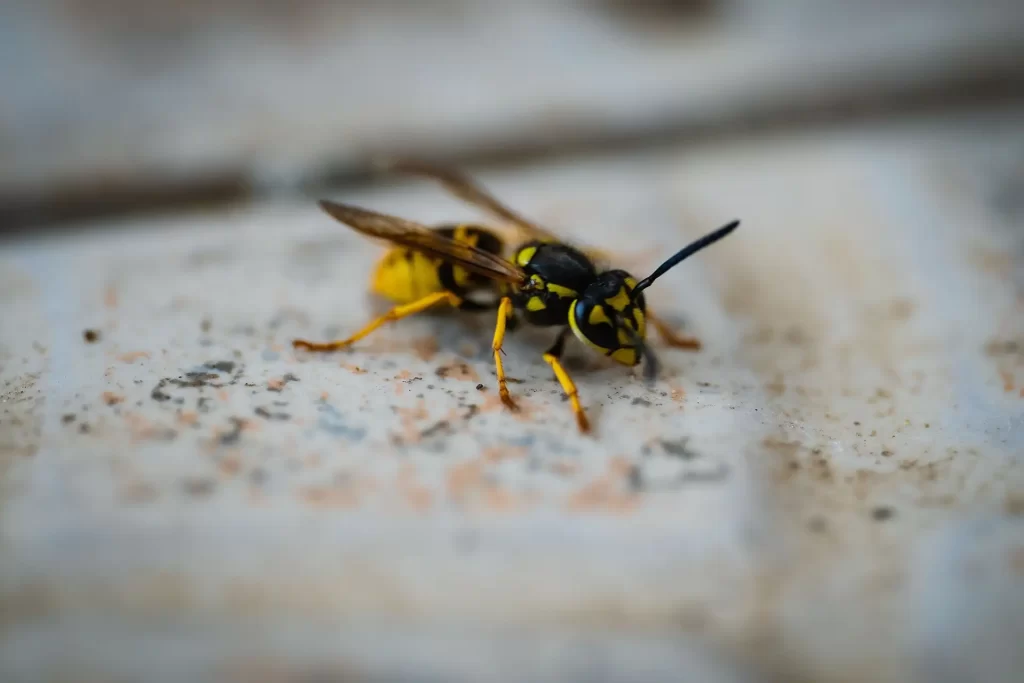
Signs You May Have a Yellow Jacket or Wasp Problem
- Increased insect activity around patios or yards
- Wasps repeatedly entering and leaving the same area
- Flying insects near the ground or landscaping
- Activity around trash cans or outdoor food areas
- Visible nests attached to structures
If you notice more more wasps around your yard, it usually means the colony is already established nearby.
Why Wasp Problems Get Worse Later in the Season
Many homeowners assume that a few wasps in spring are not a major concern.
The problem is that colonies do not stay the same size.
- Colonies produce more workers
- Food competition increases
- Defensive behavior increases
- Nest activity becomes more noticeable
A problem that starts as occasional activity can become much harder to manage later in the summer. Knowing the signs you need wasp removal can help you address the problem before the colony becomes larger and more difficult to control.
How Professional Wasp Control Helps
When you’re unsure whether you’re dealing with yellow jackets, paper wasps, or another stinging insect, professional identification can help determine the best solution.
At Agent Pest Control, our approach focuses on more than removing visible insects.
Professional treatment can help:
- Identify the type of wasp causing the problem
- Locate active nesting areas
- Eliminate established colonies
- Reduce future activity around your home
The goal is not just removing one insect—it’s stopping the colony that is creating the problem.
Common Questions
Yes. Yellow jackets are generally considered more defensive than many other wasp species, especially later in the season when colonies are larger.
Yes. Yellow jackets are a type of wasp. The difference is mainly in their behavior, nesting habits, and how they interact with people.
Yellow jackets often nest underground, so look for repeated activity entering and leaving one area of your yard, landscaping, or hidden spaces.
Most wasps can sting, but many species only become aggressive when they feel threatened or their nest is disturbed.
The best time to address wasp activity is early, before colonies grow larger and become more difficult to manage.
Protect Your Home From Yellow Jackets and Wasps
Yellow jackets and wasps are common around Utah homes, but that does not mean you have to deal with an escalating stinging insect problem.
Agent Pest Control helps Utah homeowners safely manage yellow jackets, paper wasps, and other stinging insects with targeted treatments designed to eliminate active problems and reduce future activity. Contact us today for professional wasp control before the problem grows.