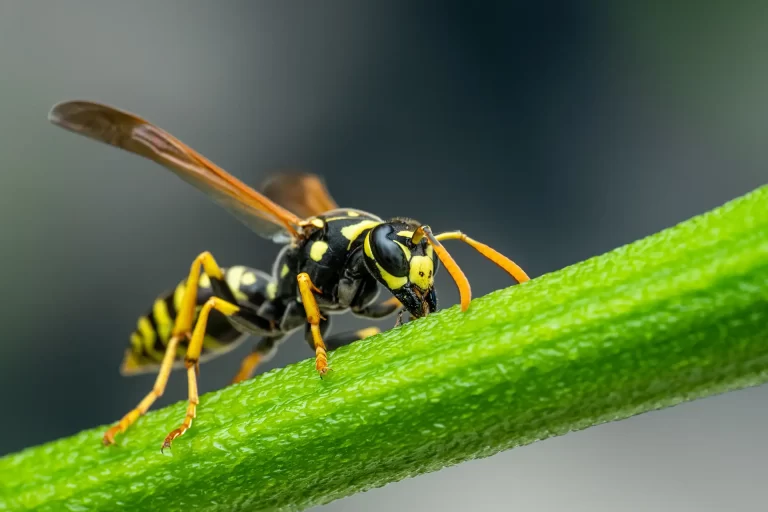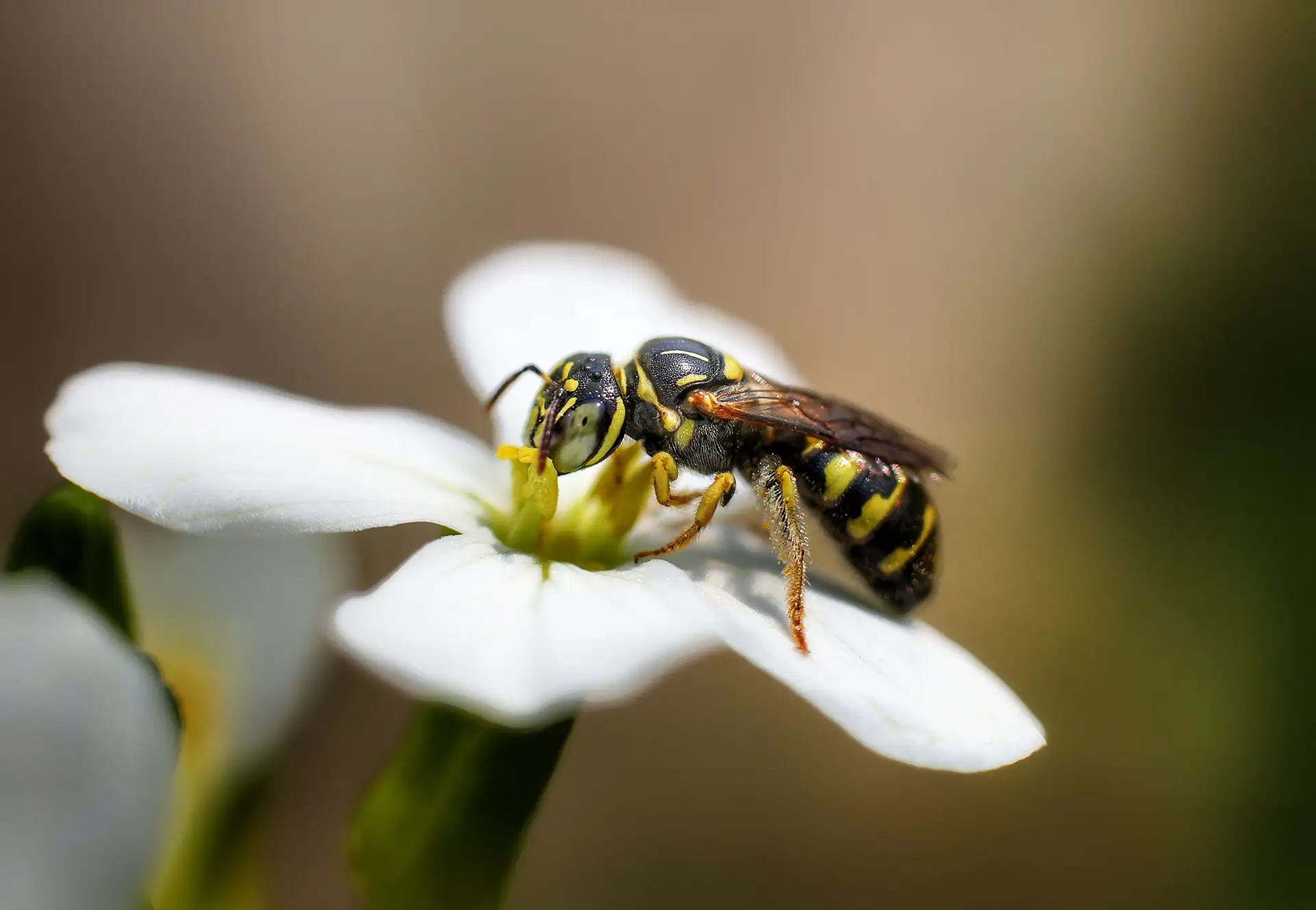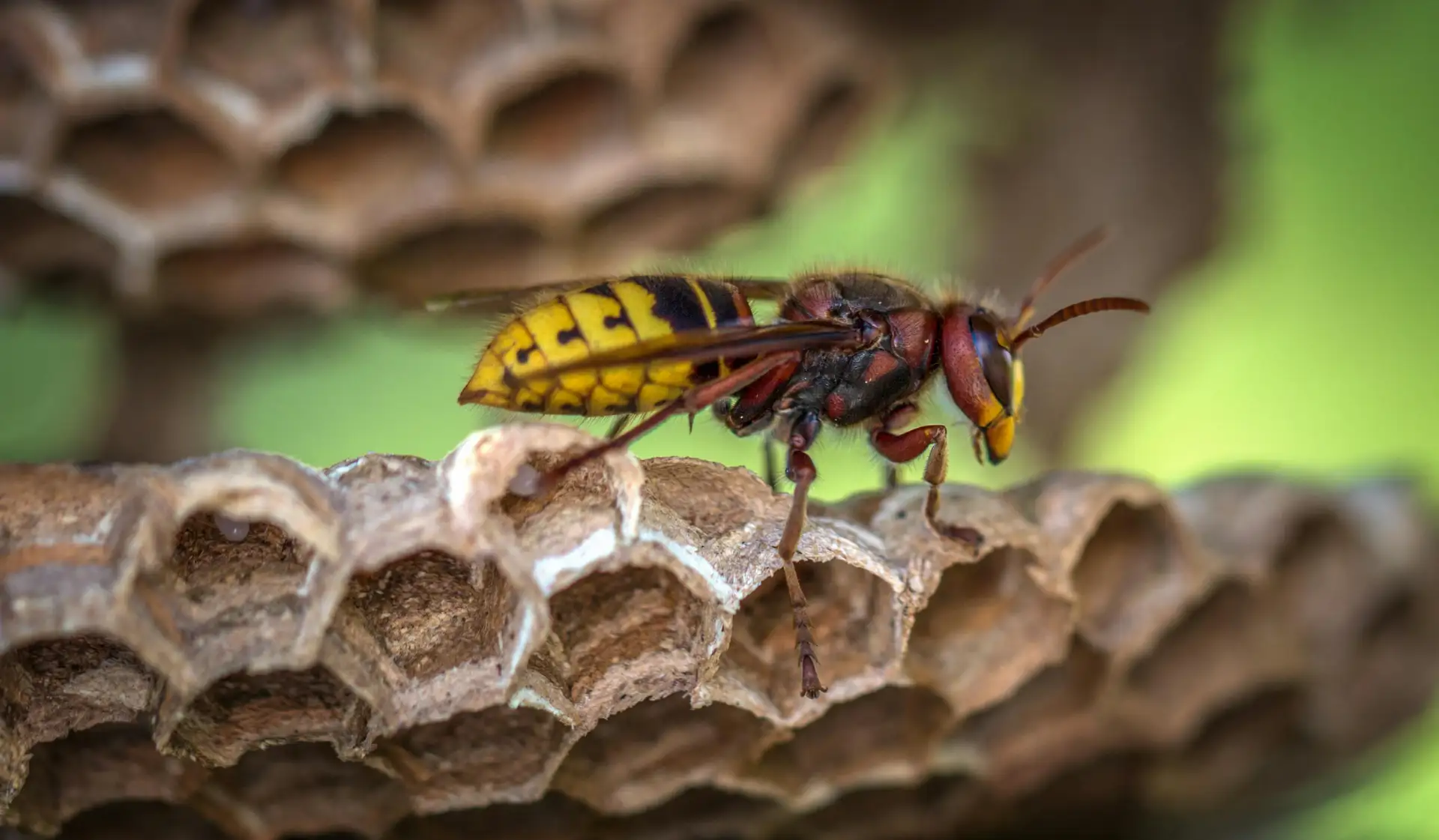
Why Are There Suddenly So Many Wasps?
You walk outside to enjoy the backyard, and suddenly you notice them—a wasp buzzing around the deck, another near the fence, and one disappearing under the eaves of your home.
For many Utah homeowners, this seems to happen almost overnight.
The reality is that wasps have likely been around your property for weeks. What changes is their activity level. As spring transitions into summer, colonies begin growing rapidly, sending worker wasps farther from the nest in search of food and building materials.
What starts as a few occasional sightings can quickly become dozens of wasps flying around your yard every day.
Why Wasp Activity Increases During Spring and Summer
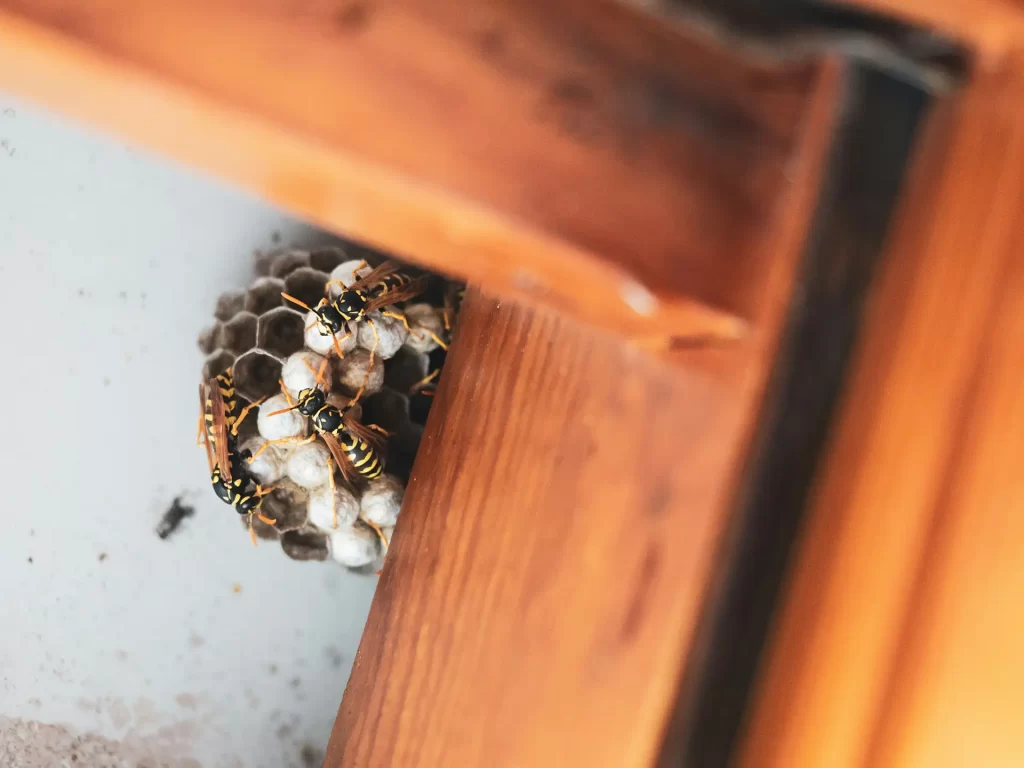
Early in the season, a single queen emerges from winter shelter and begins building a small nest. Once the first generation of workers matures, the colony’s growth accelerates.
- Worker wasps begin foraging constantly
- Colonies grow larger every week
- New nesting sites become established
- Wasps travel greater distances looking for food
This is one reason many homeowners notice a dramatic increase in activity even if they never actually see the nest itself.
If you’ve already noticed early wasp activity, it may be a sign that colonies around your home are becoming established.
What Attracts Wasps to Your Yard?
Your property may offer exactly what wasps are looking for.
-
Food Sources
- Outdoor meals and barbecues
- Pet food left outside
- Fallen fruit from trees
- Open garbage cans
- Sugary drinks and food spills
As the season progresses, worker wasps actively search for these easy food sources.
-
Water
- Bird baths
- Leaking sprinklers
- Ponds and streams
- Damp landscaping
- Dripping outdoor faucets
-
Shelter and Nesting Areas
- Roof eaves
- Decks and patios
- Sheds and playsets
- Fence posts
- Attics and soffits
Knowing where wasps build nests can help homeowners identify problems before colonies become much larger.
The Most Common Wasps Around Utah Homes
While Utah is home to several wasp species, two account for the vast majority of service calls we receive.
Paper Wasps
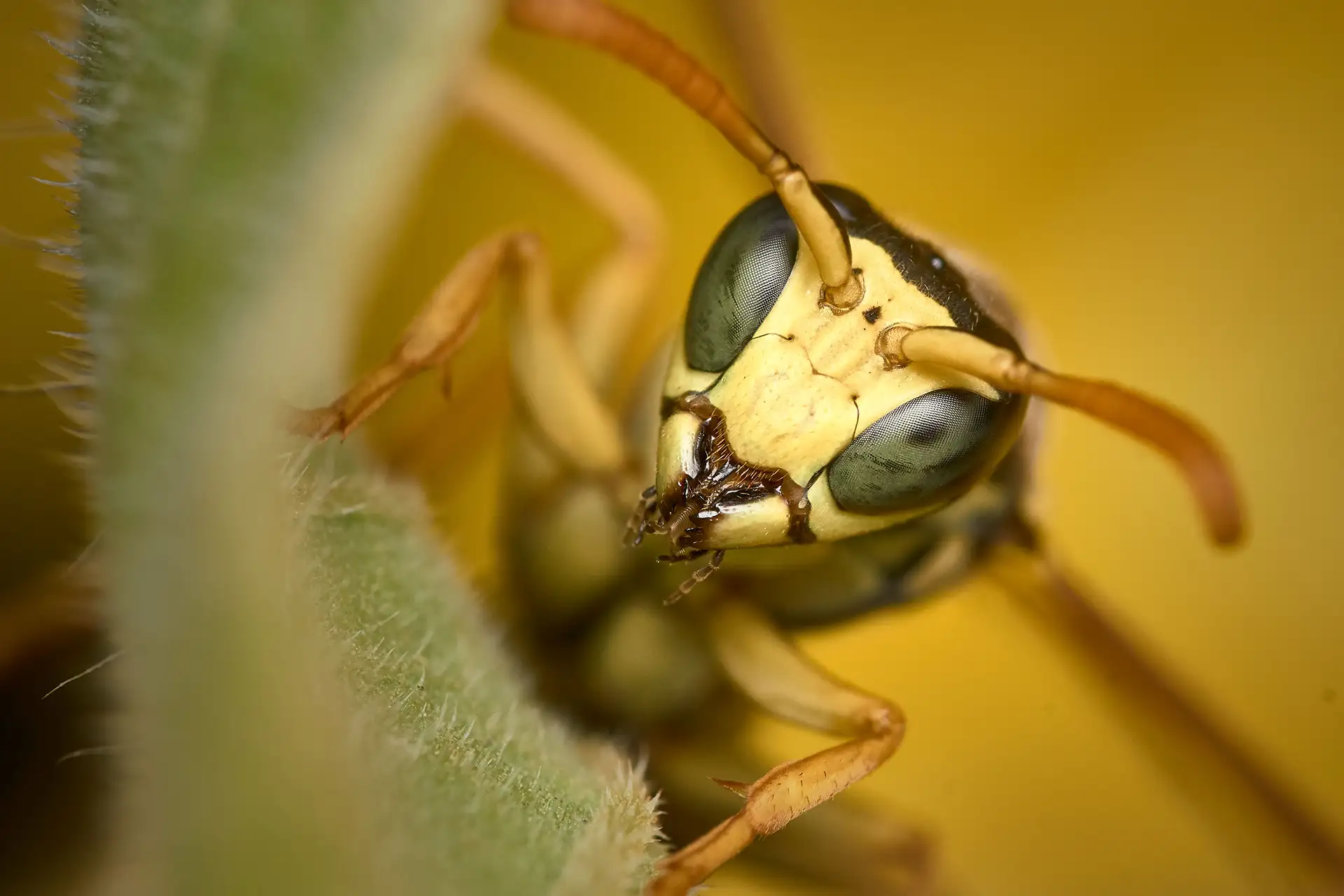
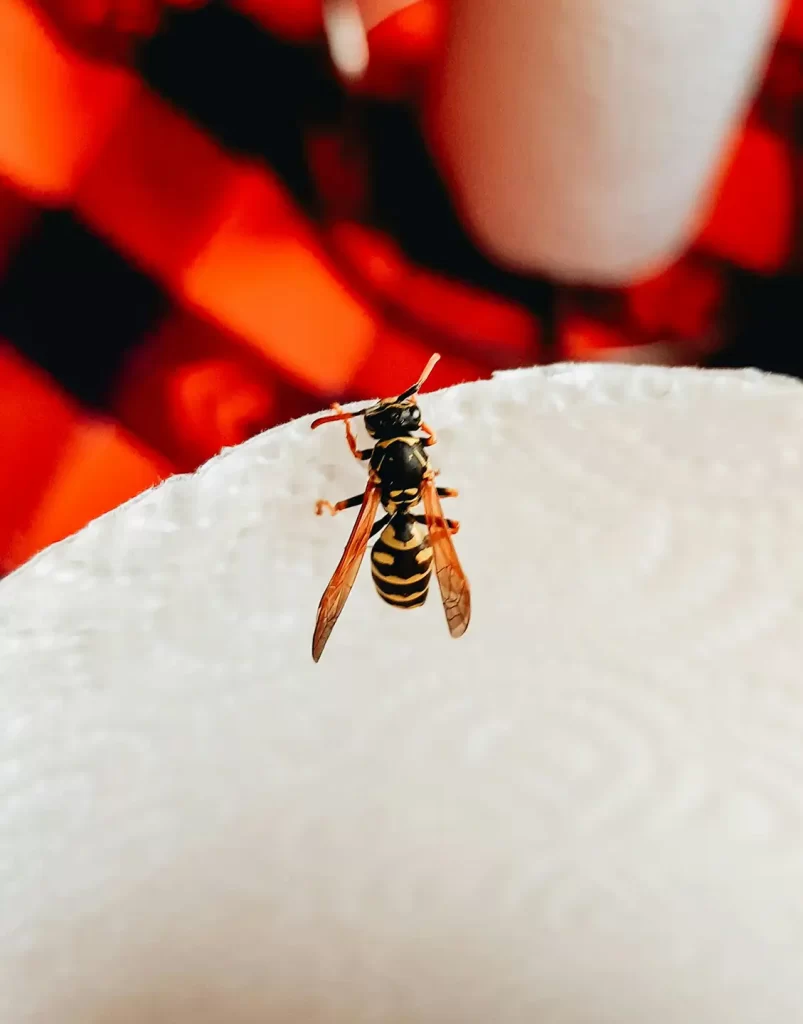
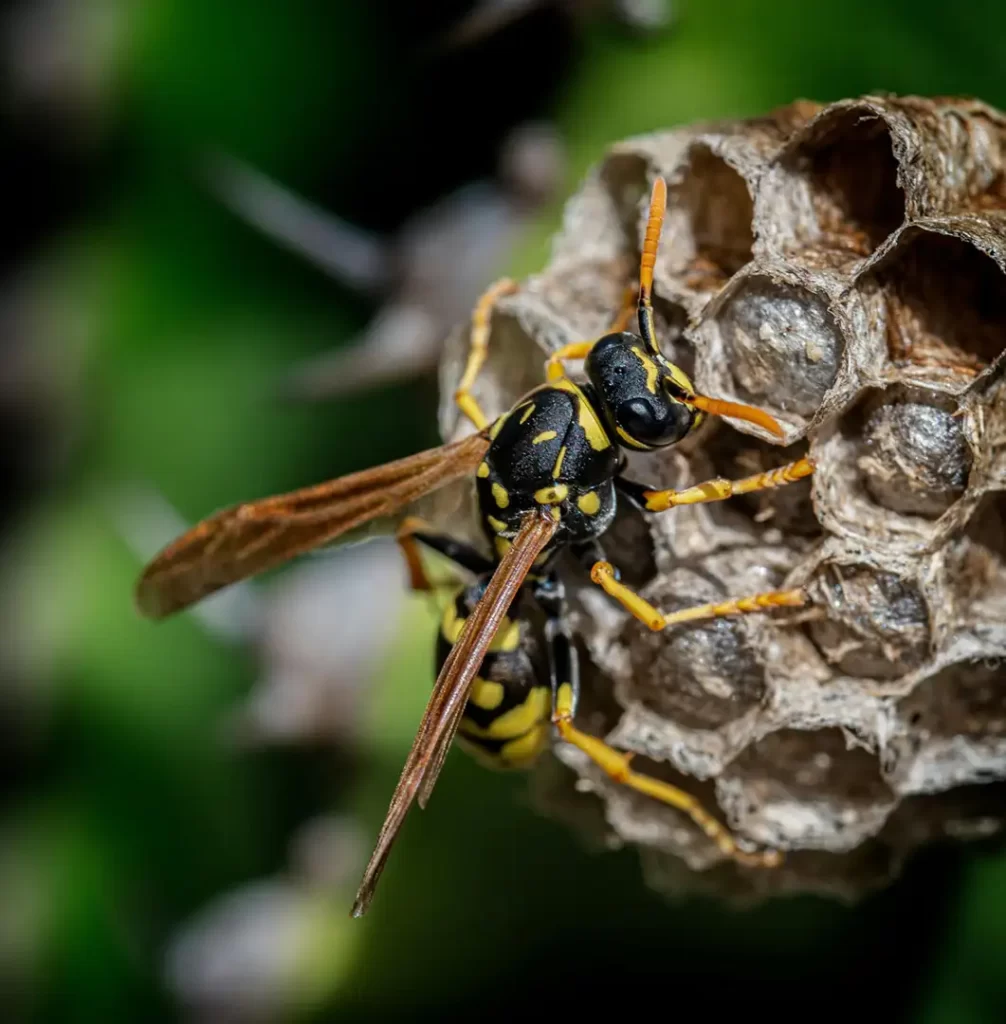
Paper wasps are by far the most common stinging insects we encounter throughout Utah.
Paper wasps build the familiar open-cell nests often found hanging beneath eaves and overhangs. They are generally less aggressive than yellowjackets but will defend their nests if disturbed.
Paper wasp nests are most often built directly around entryways and outdoor gathering areas, which can make them a lot more immediately noticeable and annoying. Early removal of these nests can significantly reduce the likelihood of unwanted encounters.
Yellowjackets
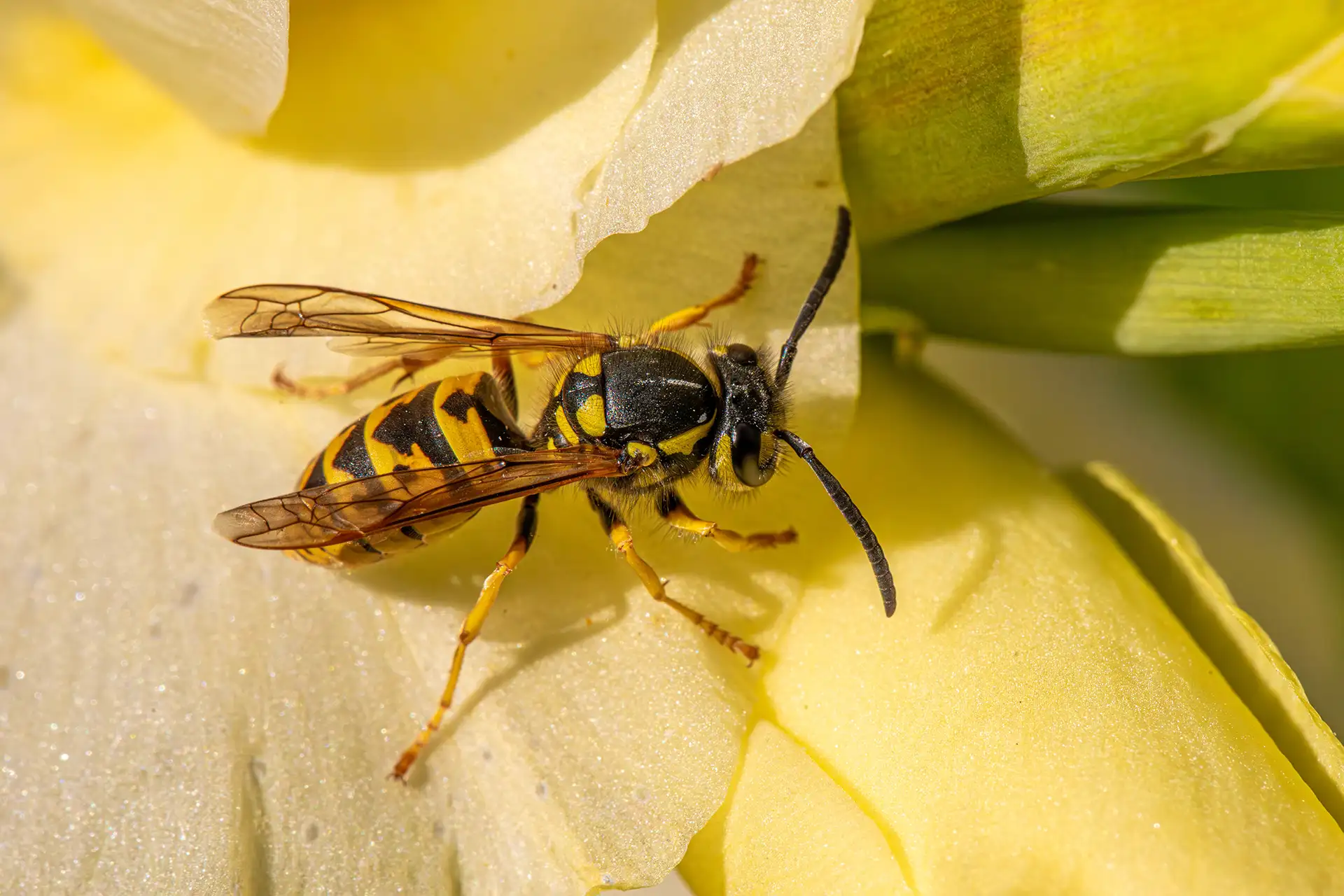
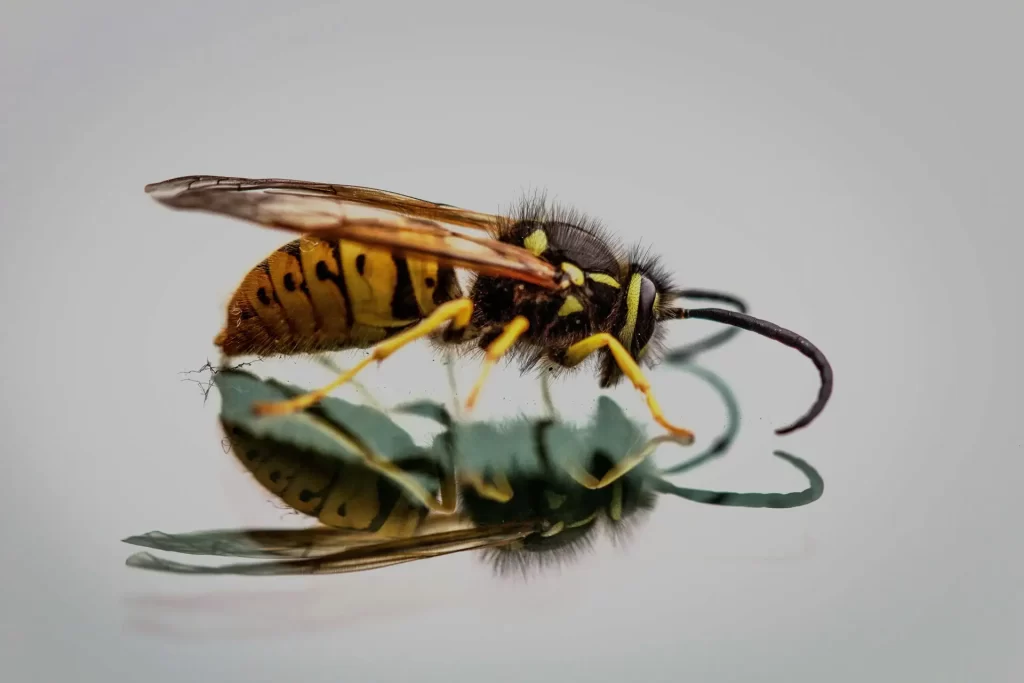
Yellowjackets are highly active foragers and can become aggressive, especially later in the season. Many build hidden nests underground or inside structural voids, making them difficult to locate.
Because yellowjackets often nest out of sight, homeowners may only notice the increased traffic around their yard.
Explore Utah Wasps
Learn more about the different species of wasps in Utah and how to identify and prevent them.
Why Ignoring Wasps Can Lead to Bigger Problems
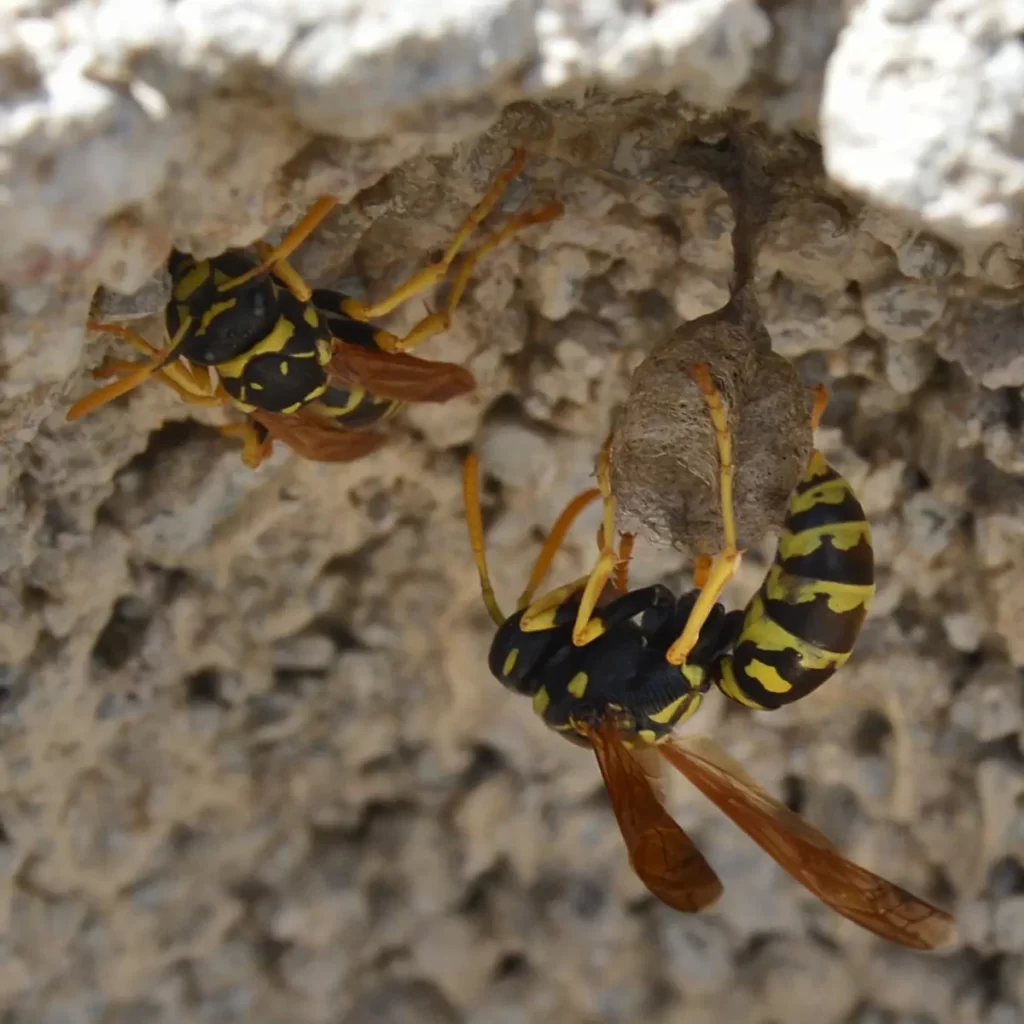
Unlike many pest problems that remain relatively stable, wasp colonies continue growing throughout the warm months.
A nest that contains only a handful of workers in early spring can eventually support hundreds of wasps by late summer.
- Larger colonies
- Increased sting risk
- More aggressive behavior
- Multiple nests around the property
The earlier a developing colony is addressed, the easier it is to manage.
How to Reduce Wasp Activity Around Your Home
While professional treatment is often the most effective solution, homeowners can reduce attractants by:
-
Keep Food Covered
- Clean up outdoor meals promptly
- Keep garbage lids tightly closed
- Remove fallen fruit from the yard
-
Eliminate Standing Water
- Repair leaking faucets
- Empty containers that collect rainwater
- Maintain bird baths and decorative water features
-
Inspect Your Home Regularly
- Rooflines
- Porch ceilings
- Decks
- Sheds
- Outdoor furniture
Finding a small nest early is much easier than dealing with a mature colony later in the season.
When Should You Call a Professional?
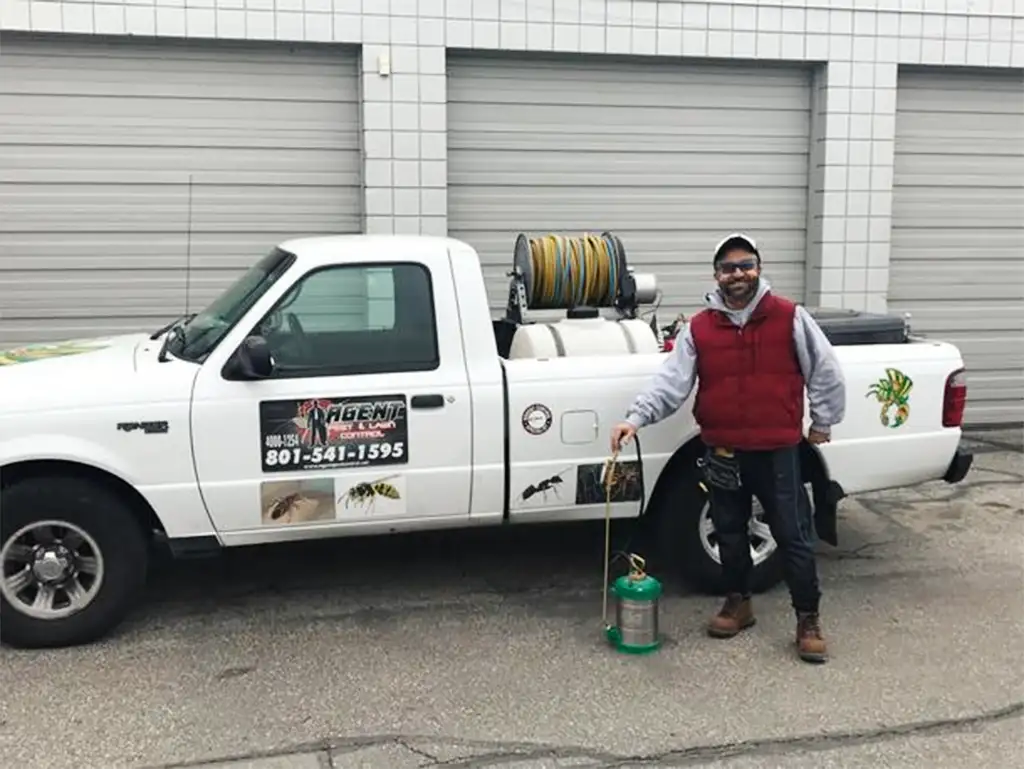
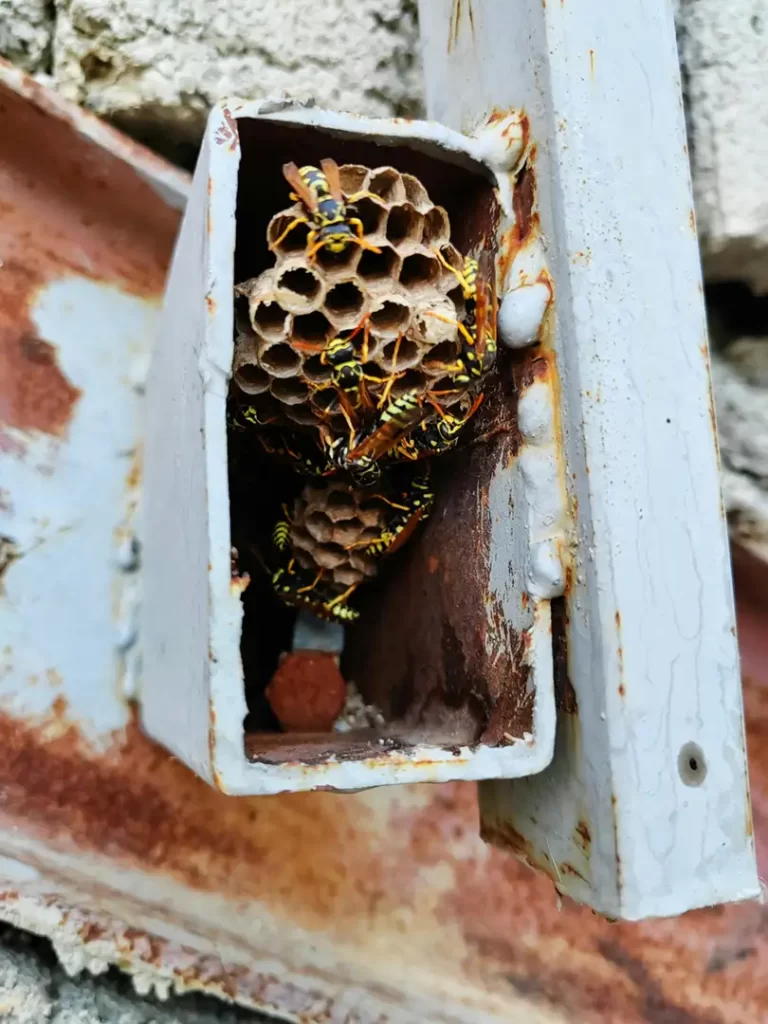
If you’re seeing wasps every day but can’t locate a nest, there’s a good chance the colony is hidden somewhere around your property.
Professional treatment can help:
- Locate hidden nesting sites
- Eliminate active colonies
- Reduce future wasp activity
- Create a protective barrier around your home
The goal isn’t simply removing one visible nest—it’s preventing ongoing wasp problems throughout the season.
Common Questions
As temperatures rise, wasp colonies grow rapidly and worker wasps begin searching for food and water. Increased activity often means a nearby colony has become established.
Food scraps, sugary drinks, pet food, standing water, and sheltered nesting locations all attract wasps.
Many species, especially yellowjackets, build nests underground or inside wall voids, making them difficult to locate.
Wasp activity typically increases during late spring and peaks during late summer when colonies are at their largest.
Most colonies die off after the first hard freezes, but waiting can mean dealing with hundreds of wasps throughout the summer and early fall.
Don't Let a Few Wasps Turn Into a Bigger Problem
Seeing a handful of wasps around your yard today could mean a much larger colony is already developing nearby. Early treatment helps reduce sting risks, eliminate active nests, and prevent wasp problems from growing throughout the season.