Why Wasps Don’t Seem Dangerous at First
Seeing the occasional wasp flying through your yard doesn’t necessarily mean you have a serious problem.
In fact, early in the season, most wasp colonies are still relatively small. A single queen is focused on building her nest and raising the first generation of workers, so encounters with people are often limited.
As spring gives way to summer, however, everything changes.
Colonies grow rapidly, worker populations increase, and wasps become much more protective of their nest. What may have started as a minor nuisance in May can become a genuine safety concern by late summer—especially if the nest is close to areas where your family spends time outdoors.
Knowing when wasps become dangerous can help you take action before a small problem turns into a much larger one.
Why Wasp Behavior Changes Throughout the Season
A wasp colony isn’t the same size all year long.
Throughout spring and summer, the queen continually produces new workers, each helping expand the nest and care for future generations.
- More worker wasps are actively searching for food
- Nest activity becomes much more noticeable
- Wasps become increasingly defensive around their colony
- Encounters with people become more frequent
This is why homeowners often notice a dramatic increase in wasp activity during the middle and end of summer.
Understanding what early wasp activity means for the season can help explain why addressing nests early is much easier than waiting until they’re fully established.
What Makes a Wasp Nest Dangerous?
Not every wasp nest poses the same level of risk.
Several factors determine whether a nest should be addressed sooner rather than later.
Location
- Above a front door
- Under a deck
- Near children's play areas
- Around patios or outdoor seating
- Beside frequently used walkways
is much more likely to result in accidental encounters.
Colony Size
As colonies expand, the number of worker wasps protecting the nest also increases.
Larger colonies naturally have more defensive insects responding to perceived threats.
Wasp Species
Different wasp species behave differently.
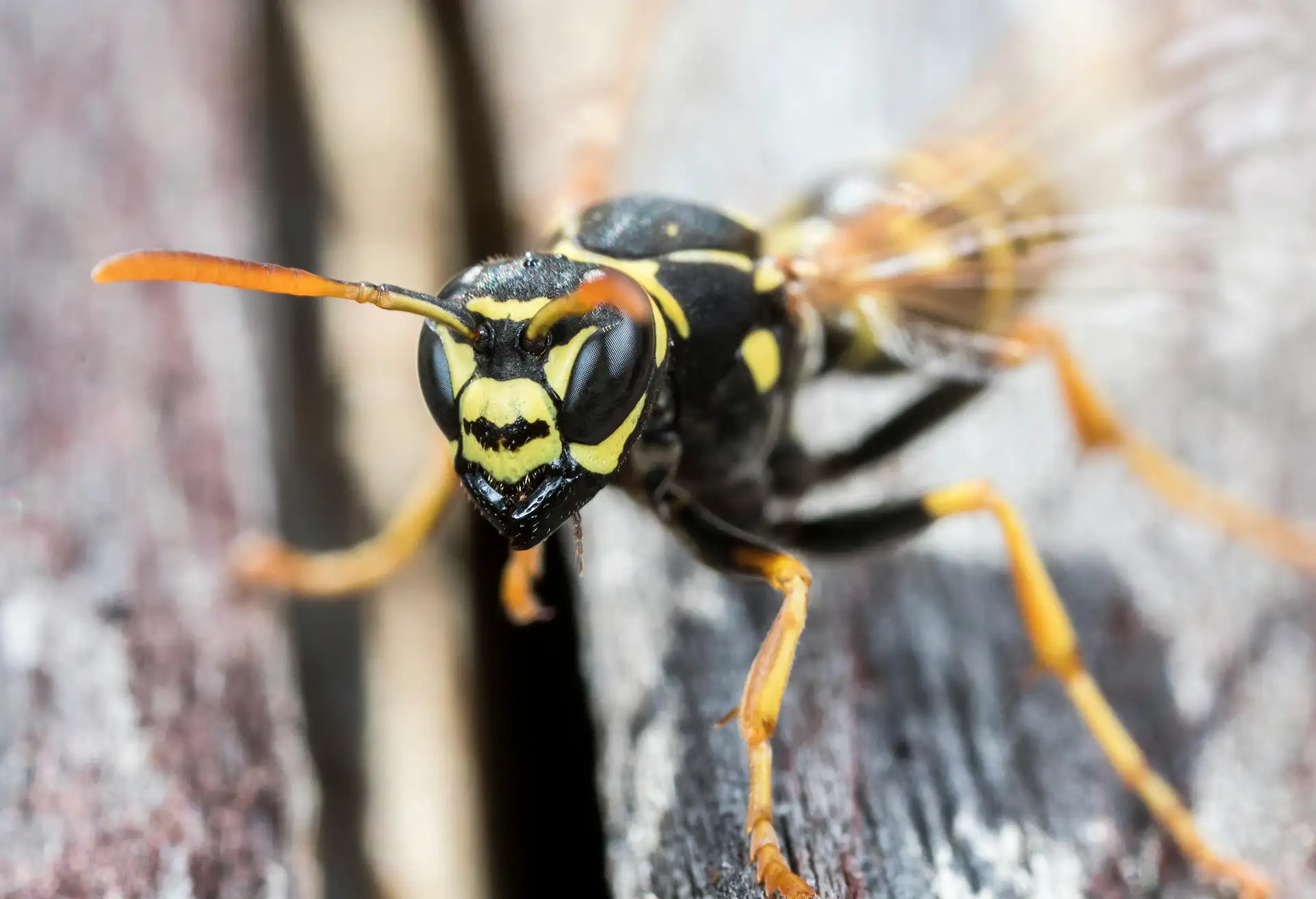
For example, yellow jackets and paper wasps don’t always respond the same way when disturbed. Yellow jackets often nest underground or inside hidden cavities and tend to become more aggressive as colonies mature.
Knowing the difference can help homeowners better understand the level of risk.
Learn about wasps in Utah
See our pest library to learn more about the different species of wasps in Utah, and how to identify and prevent them.
Signs a Wasp Problem Is Becoming More Serious
While every property is different, several warning signs suggest a colony may be growing.
- Consistent wasp activity in one location
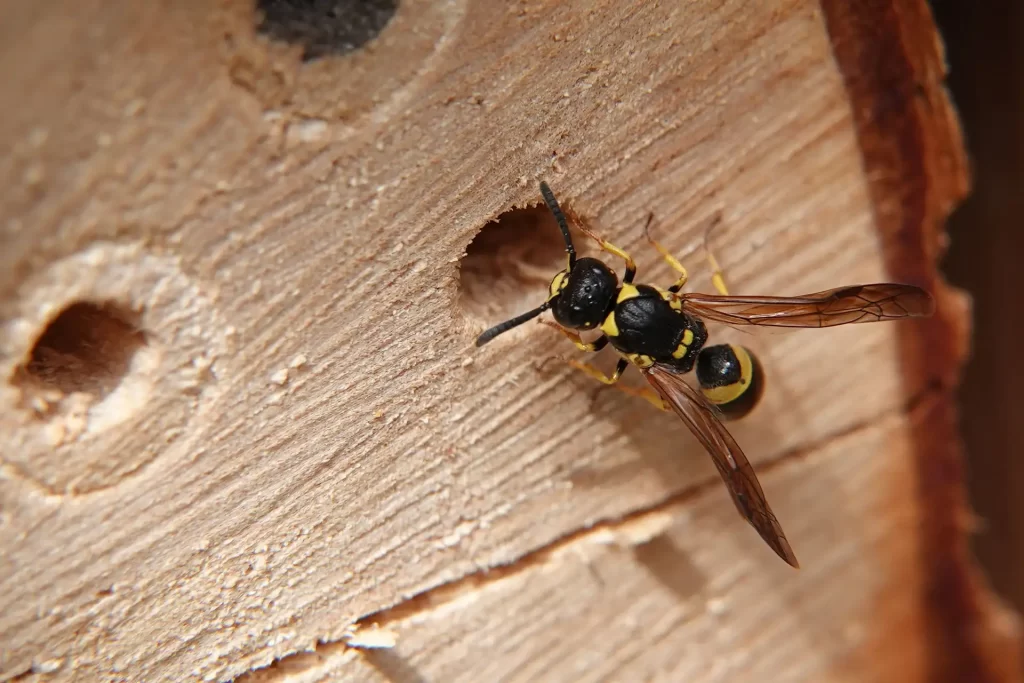
- Wasps repeatedly entering the same hole or opening
- Increasing numbers of wasps each week
- Visible nests that continue growing
- Wasps becoming defensive when people are nearby
These signs often indicate that the colony has become well established.
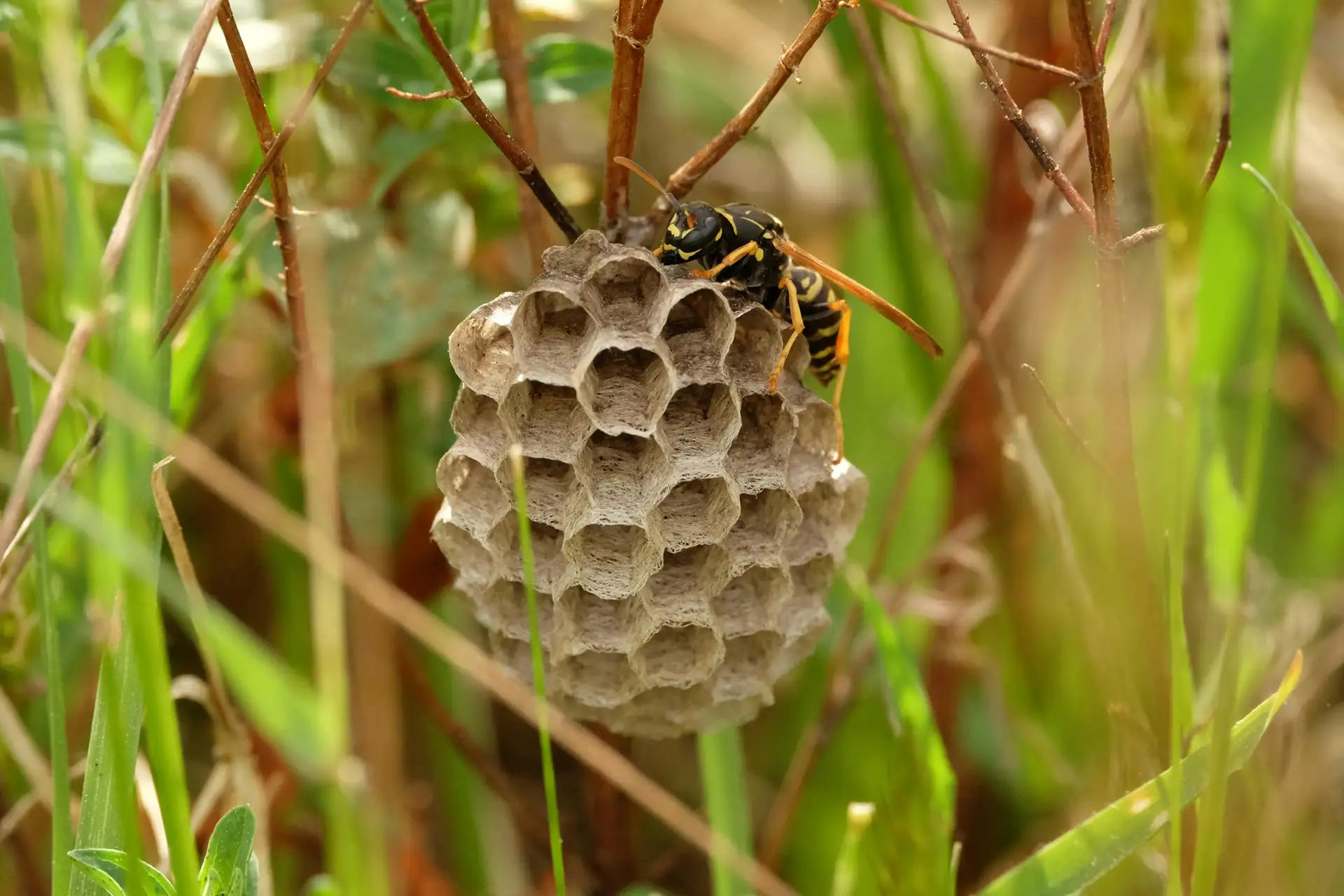
Learning where wasps build nests around Utah homes can also help you recognize common nesting locations before they become difficult to manage.
Why Waiting Usually Makes the Problem Worse
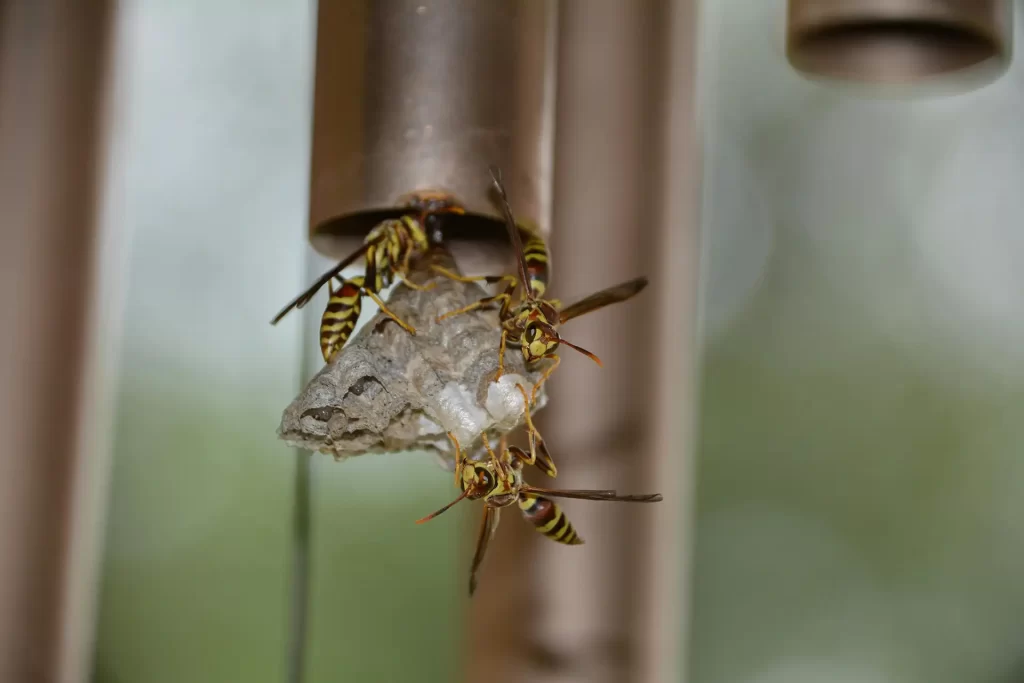
Unlike many seasonal nuisances, wasp colonies don’t remain the same size.
- More workers are produced
- The nest continues expanding
- Activity becomes more concentrated
- Defensive behavior increases
Waiting several weeks can allow a manageable nest to become significantly larger and more difficult to eliminate safely.
The sooner a colony is identified, the easier it is to address before activity peaks.
How Professional Wasp Control Helps
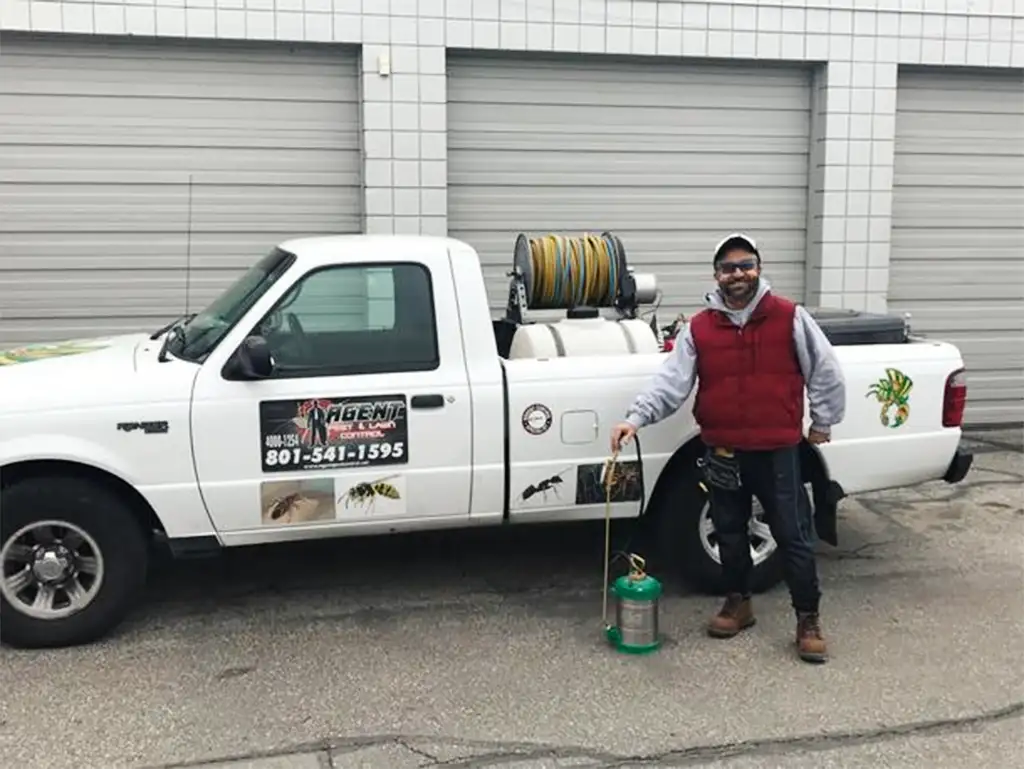
If you’re seeing increasing wasp activity but aren’t sure where the nest is located, professional treatment can help identify the source before it becomes a larger issue.
At Agent Pest Control, our service focuses on more than simply removing a visible nest.
Professional treatment can help:
- Identify active nesting locations
- Eliminate established colonies
- Reduce wasps activity around your home
- Create a protective treatment barrier to discourage future nesting
Common Questions
Wasps are generally most dangerous during late summer, when colonies have reached their largest size and worker wasps become more defensive.
Yes. As colonies grow and more workers are produced, wasps become increasingly protective of their nest, making defensive behavior more common.
Nests located near doors, patios, play areas, or walkways—or those with heavy wasp activity—should be treated with caution.
Small, easily accessible nests may appear manageable, but disturbing an active colony can trigger aggressive defensive behavior. Professional treatment is the safest option for established nests.
In most cases, yes. Addressing nests early in the season is typically safer and easier than waiting for the colony to grow.
Protect Your Home Before Wasps Become a Bigger Problem
Wasps are a normal part of Utah summers, but growing colonies near your home shouldn’t be ignored. Addressing increased activity early can help reduce the risk of painful stings, larger nests, and recurring problems throughout the season.
If you’re noticing increasing wasp activity around your home, Agent Pest Control can identify the source, eliminate active colonies, and help prevent future infestations.