Why Spring Is Prime Time for Ant Growth
Most homeowners don’t worry when they see a few ants.
A small trail along the baseboard or a handful of ants near the kitchen sink doesn’t usually seem like a major concern. But what many people don’t realize is that the ants they’re seeing are often only a tiny fraction of the colony that’s actually nearby.
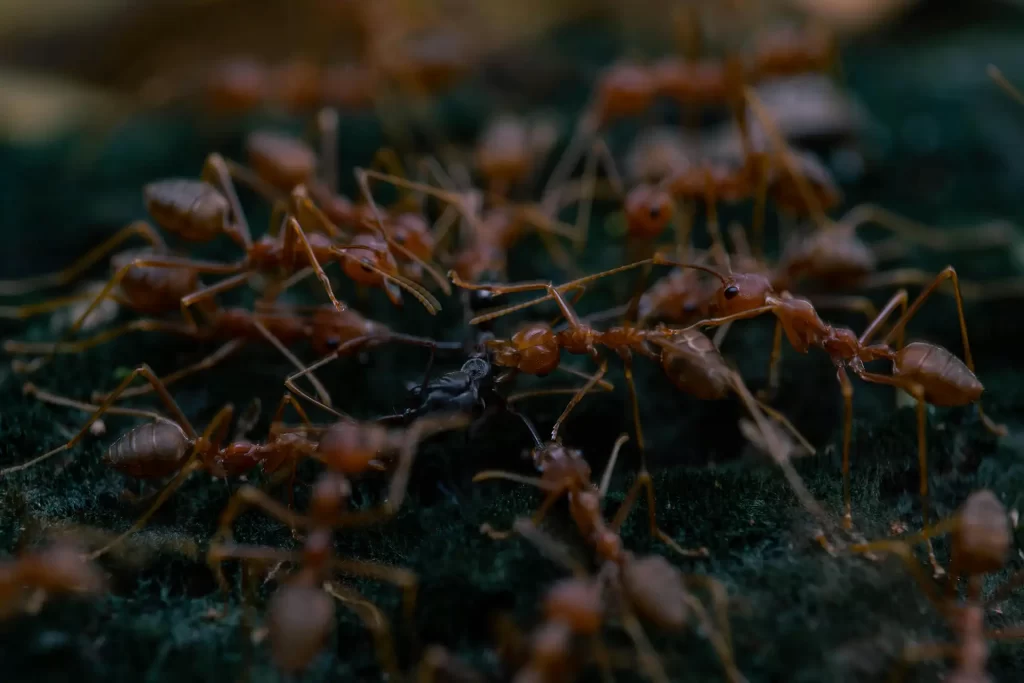
Spring is the season when ant colonies shift into growth mode. As temperatures rise across Utah, queens begin producing more eggs, worker ants expand their search for food, and colonies become increasingly active.
That’s why spring is often the starting point for many serious ant infestations later in the year.
What appears to be a minor nuisance today can quickly become a persistent problem by summer if the colony is allowed to grow unchecked.
Why Spring Triggers Rapid Colony Growth
Winter is largely a survival period for ants.
As temperatures warm, colonies begin taking advantage of improved conditions and increased food availability. Activity that was relatively dormant during colder months suddenly accelerates.
- Queens increase egg production
- Worker ants expand foraging routes
- Colonies search for new food sources
- Nest populations begin growing rapidly
- Satellite colonies may begin forming
This is why many homeowners notice ant activity seemingly appearing overnight once temperatures consistently warm.
The colony was already there. Spring simply makes it more active and more visible.
How Quickly Can Ant Colonies Grow?
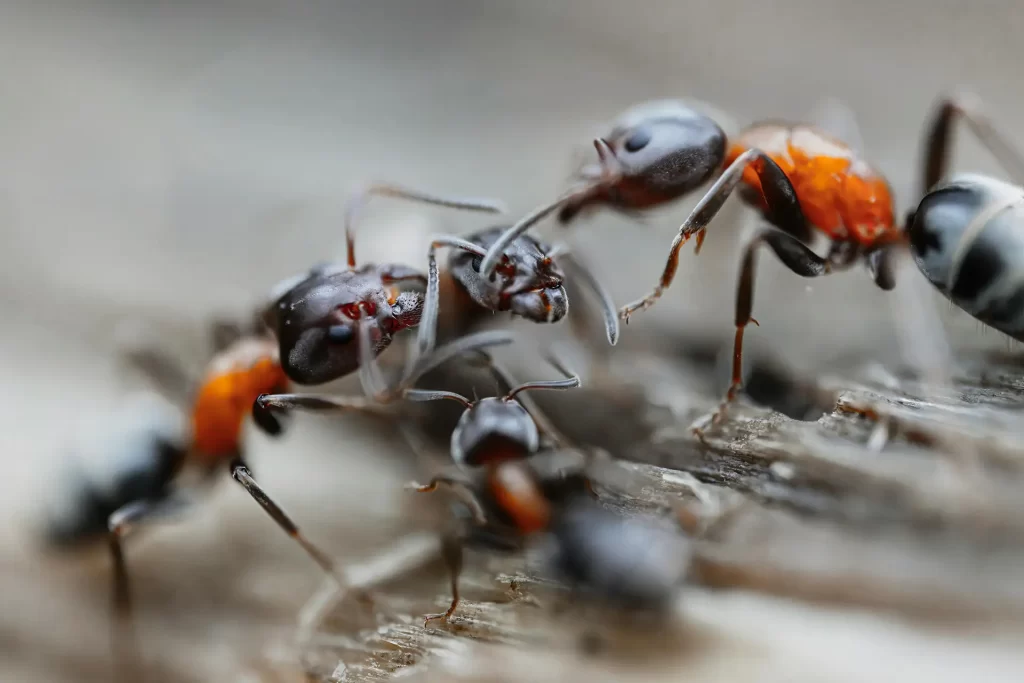
Under favorable conditions, ant colonies can expand surprisingly fast.
- Produce hundreds of new workers within weeks
- Establish multiple nesting areas
- Expand foraging territory significantly
- Create satellite colonies that spread throughout a property
What started as a small colony near the foundation in early spring can become a much larger problem by midsummer.
This rapid growth is one of the primary reasons early intervention is so important.
Why You're Suddenly Seeing More Ants Indoors
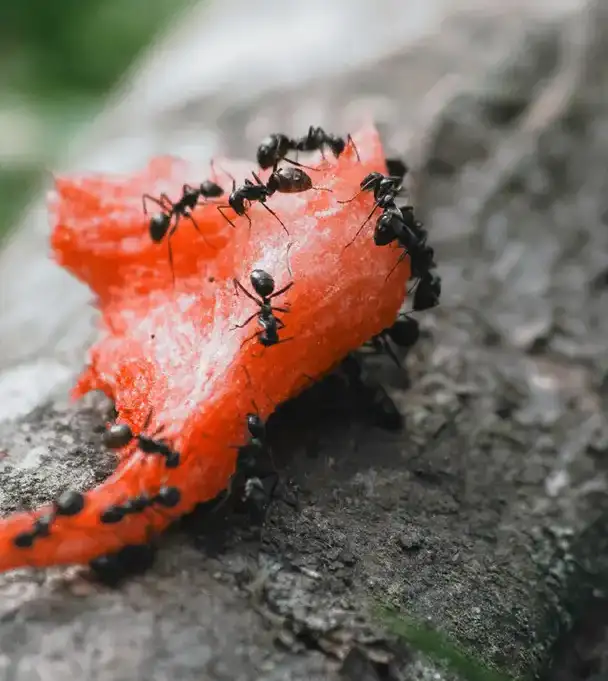
Many homeowners assume ants randomly wander into homes.
In reality, ants are highly organized and incredibly efficient.
When worker ants discover food, moisture, or shelter, they leave behind chemical scent trails that guide additional ants directly to the resource.
This is why a few ants often turn into dozens seemingly overnight.
- Food crumbs
- Pet food
- Sugary spills
- Standing water
- Leaky plumbing
- Condensation around sinks and appliances
If you’re already noticing ants in your kitchen, there’s a good chance workers have identified a reliable resource worth returning to.
Hidden Colonies Are Often the Real Problem
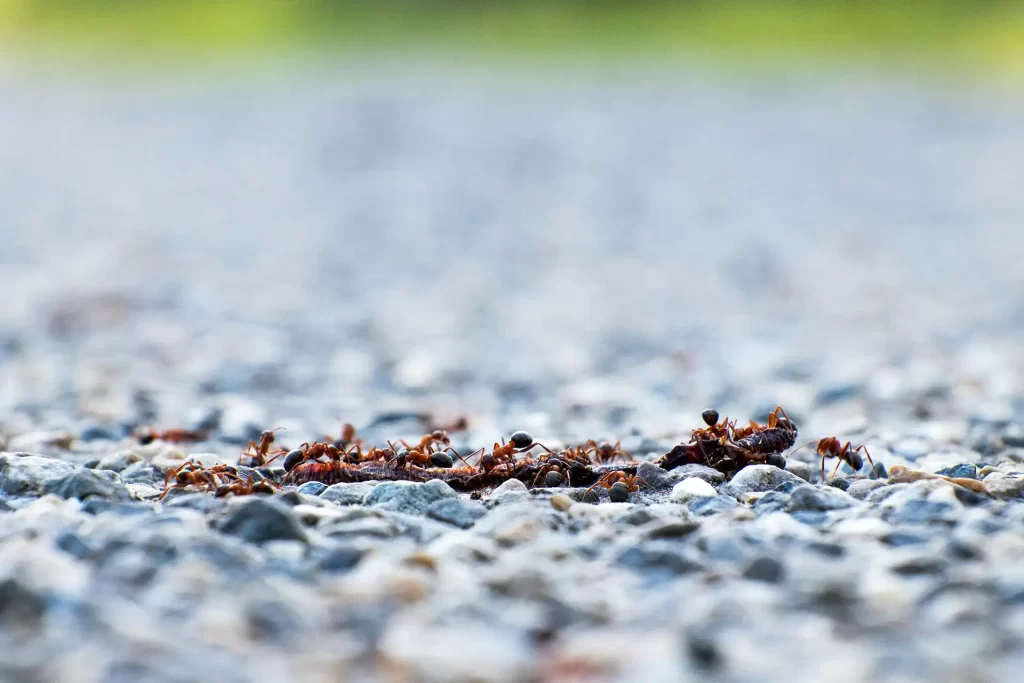
One of the biggest misconceptions about ant control is assuming the visible ants are the infestation.
In many cases, the colony itself remains completely hidden.
- Outdoor colonies near foundations
- Colonies beneath landscaping materials
- Nesting sites inside wall voids
- Satellite colonies beneath flooring
- Multiple connected colonies on the same property
This is why sprays and surface treatments often provide only temporary relief.
Removing the ants you see doesn’t necessarily eliminate the colony producing them.
Signs Your Ant Problem Is Getting Worse
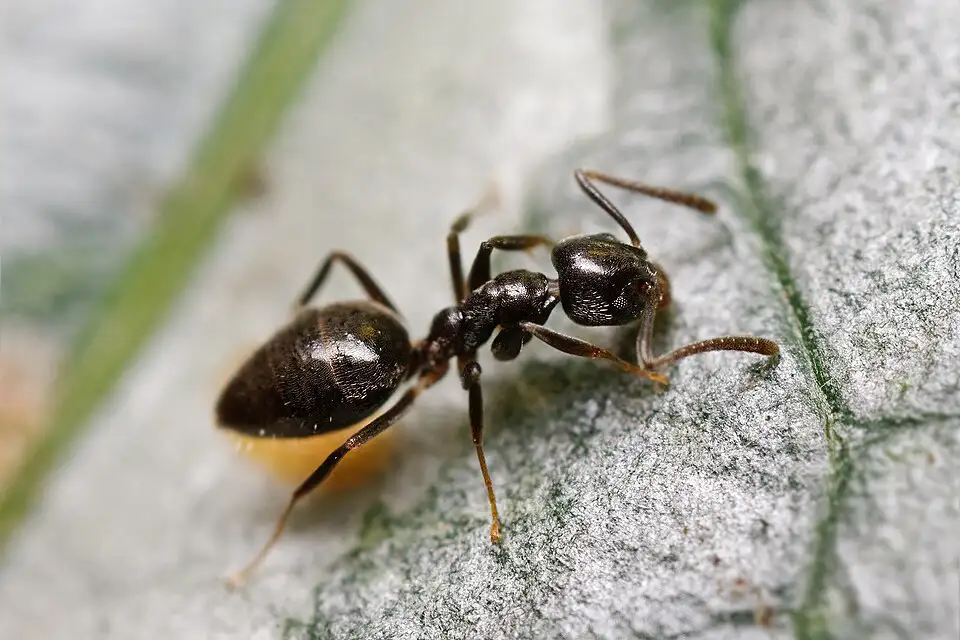
As colonies grow, activity typically becomes more noticeable.
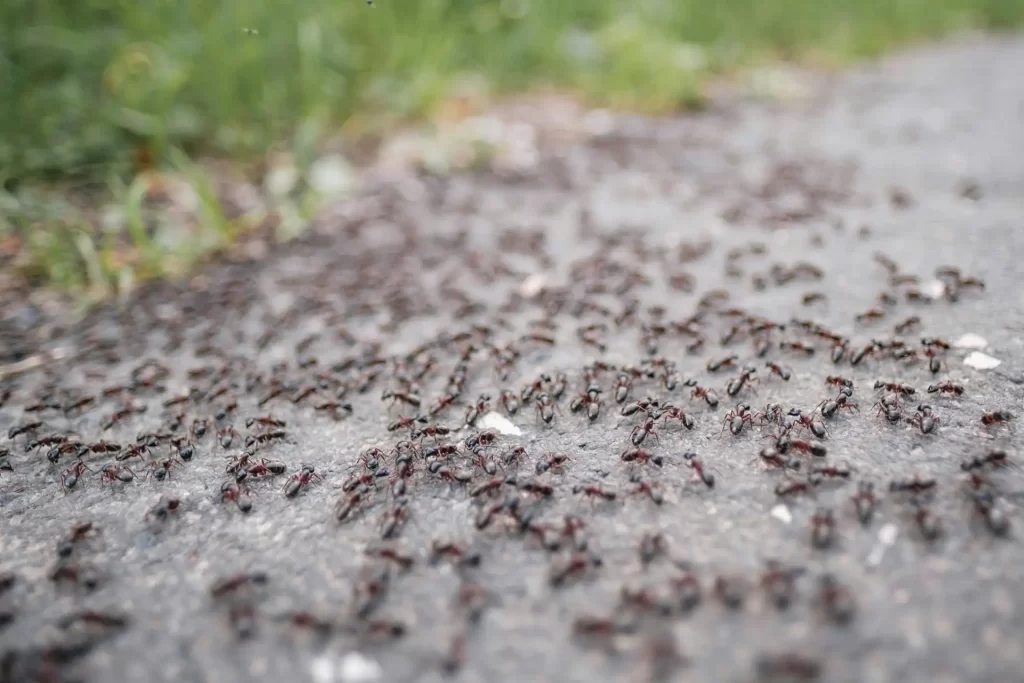
- Increasing numbers of ants each day
- New trails appearing in different areas
- Activity spreading into multiple rooms
- Recurring infestations after cleaning
- Ants returning shortly after treatment
These signs often indicate colony growth rather than isolated activity.
How to Slow Colony Growth and Reduce Activity
While complete colony elimination often requires professional treatment, homeowners can take steps to make conditions less favorable.
-
Eliminate Food Sources
Ants are constantly searching for resources.
- Clean countertops regularly
- Wipe up spills immediately
- Store food in sealed containers
- Limit access to pet food
-
Address Moisture Issues
Water is often just as attractive as food.
- Plumbing leaks
- Damp cabinets
- Condensation issues
- Standing water near the foundation
-
Seal Entry Points
Preventing access can help reduce indoor activity.
- Foundation cracks
- Utility penetrations
- Window gaps
- Door thresholds
Reducing access points can make it more difficult for foraging ants to enter the home.
Why Early Action Matters
One of the biggest advantages homeowners have is timing.
Small colonies are generally easier to manage than large, established populations.
- Produce more workers
- Expand nesting areas
- Create satellite colonies
- Establish stronger food trails
- Spread throughout the property
The longer activity continues, the more difficult the problem often becomes.
What Utah Homeowners Should Do Next
If you’re already seeing ants this spring, now is the best time to act.
Early-season activity often indicates colony growth is already underway. Addressing the issue before populations peak can help prevent larger infestations and reduce recurring problems later in the year.
The sooner colonies are identified and controlled, the easier they typically are to eliminate.
Learn about Utah Ants
See our pest library for the different species of pests in Utah and how to identify them.
Stop Ant Problems Before They Spread
A few ants today can become a much larger infestation by summer. As colonies grow, they often establish additional nests, expand their foraging territory, and become increasingly difficult to eliminate.
At Agent Pest Control, we help Utah homeowners:
- Locate hidden colonies
- Eliminate ant activity at the source
- Prevent recurring infestations
Common Questions
Ant colonies can grow rapidly during spring as queens increase egg production and worker populations expand. Under favorable conditions, colonies may produce hundreds of new workers within a relatively short period.
Warmer temperatures trigger increased foraging, reproduction, and colony expansion, making ant activity much more noticeable.
Yes. Many ant species create satellite colonies, allowing infestations to expand into multiple areas around a home and yard.
Cleaning removes food sources, but it doesn’t eliminate the colony itself. If a colony remains active nearby, worker ants may continue searching for resources.
The most effective solution is targeting the colony itself rather than only treating visible ants. Long-term control usually focuses on eliminating the source of the infestation.