Recurring Ant Problems Aren't Random
You wipe down the counters, spray the ants you can see, and for a few days everything looks fine.
Then, almost without warning, the trail comes back.
It may be in the exact same place—or it may appear somewhere completely different. Either way, it’s frustrating. Many Utah homeowners feel like they’re fighting the same battle over and over again.
The good news is that recurring ant problems usually aren’t random.
If ants keep returning after you’ve treated them, it’s often because the source of the infestation is still active.
Why Ant Problems Feel Never-Ending
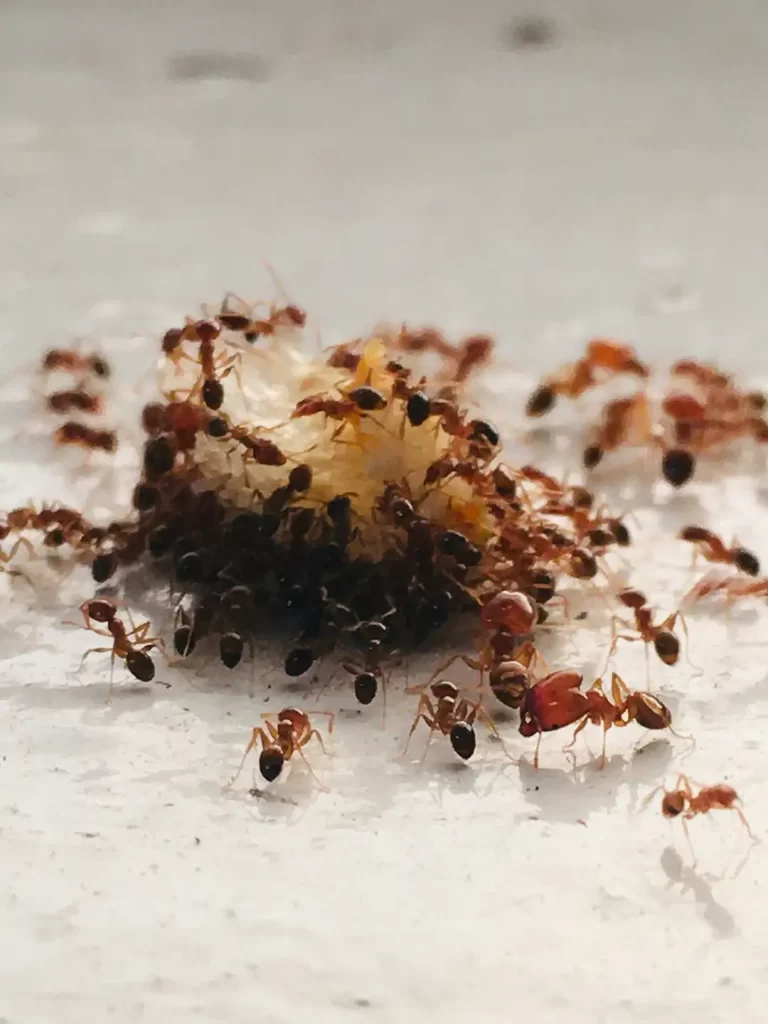
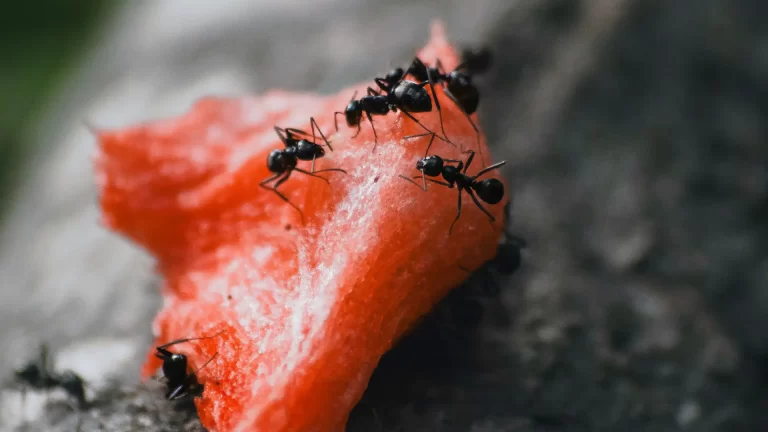
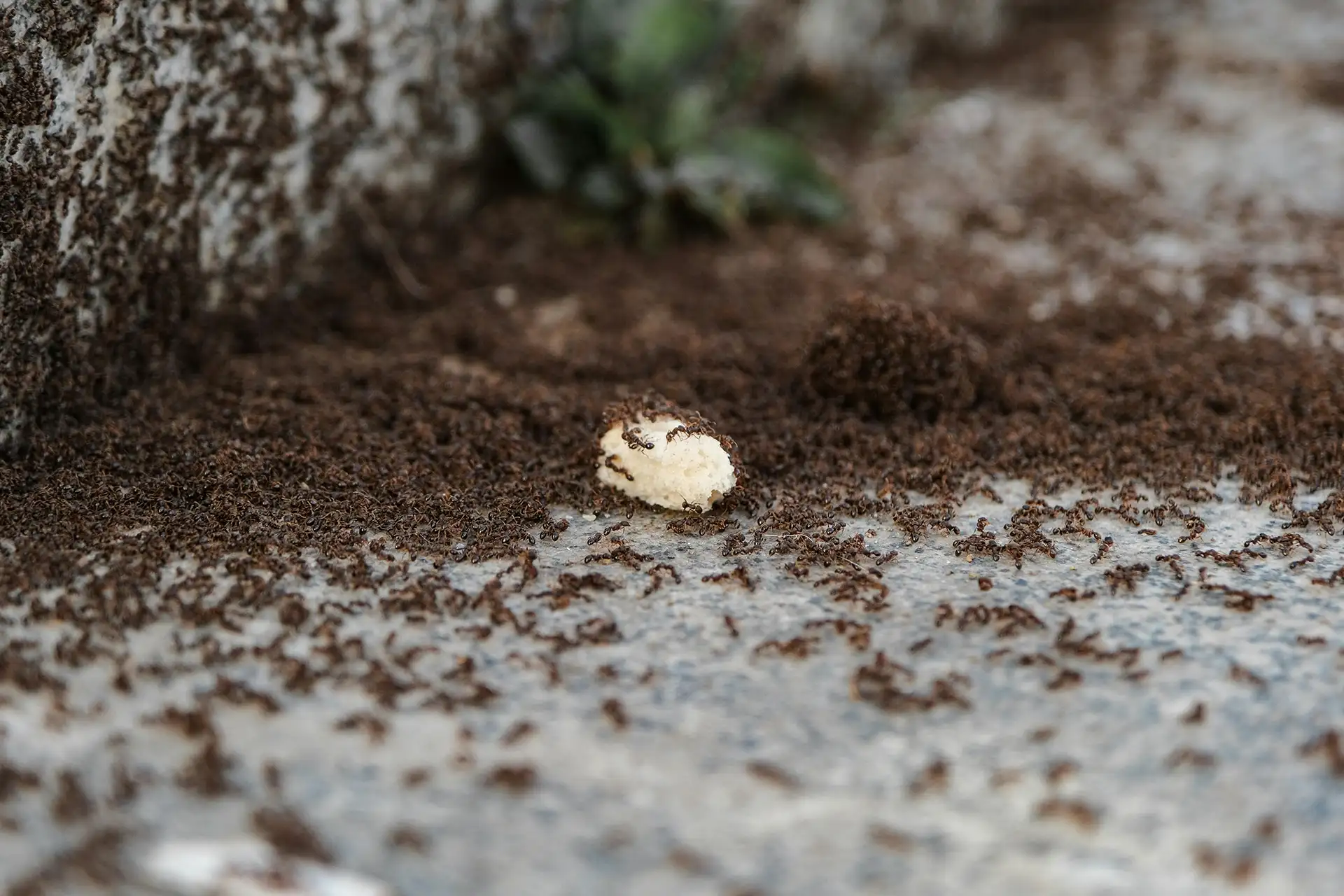
When ants enter your home, you’re only seeing a tiny fraction of the colony.
The workers traveling across your floor are simply gathering food and water for thousands of other ants that remain hidden.
- A queen continues producing new workers
- Foraging ants follow established scent trails
- The colony keeps expanding as long as resources remain available
Removing the ants you can see may prevent ant infestations for a short time, but it rarely affects the colony itself.
That’s why homeowners often feel like the infestation “came back,” when in reality it never left.
You're Treating the Symptom—Not the Colony
Most recurring infestations happen because treatments only address visible ants.
- The queen
- Hidden nesting sites
- Satellite colonies
- Outdoor nests near your home
As long as those remain active, new workers simply replace the ones that were eliminated.
This is also why DIY pest control often fails to provide lasting relief from established infestations.
Why Ants Return to the Same Areas
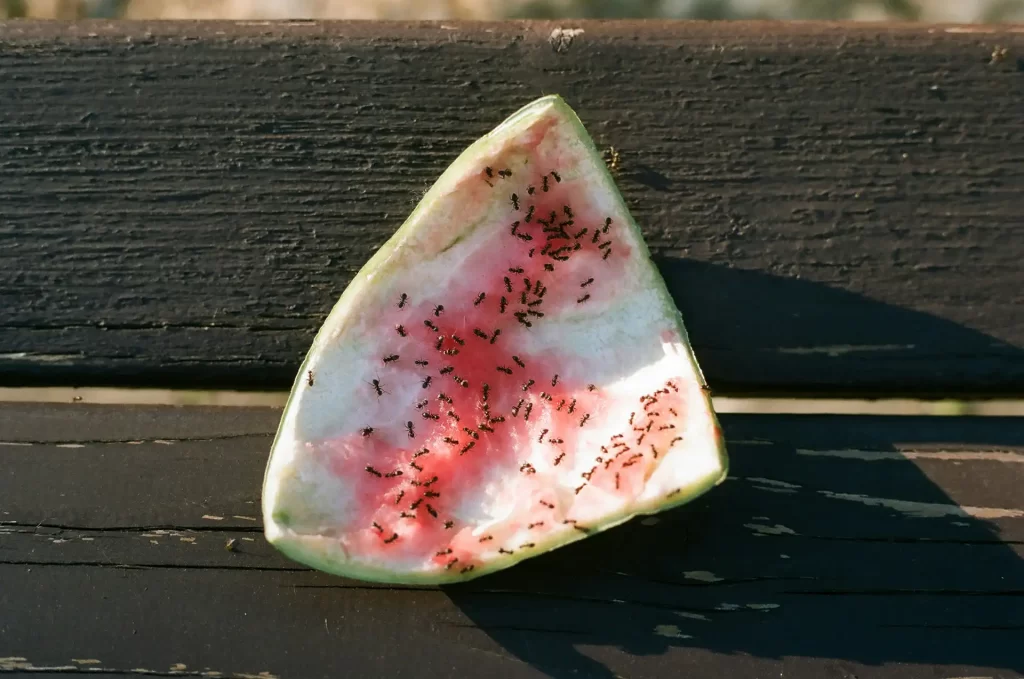
Ants don’t wander randomly through your home.
They communicate using chemical scent trails that guide other workers directly to food and water.
- Small amounts of scent can remain
- Food sources may still be available
- New workers quickly rebuild established trails
That’s why kitchens, pantries, bathrooms, laundry rooms, and baseboards often become repeat problem areas.
If you’re noticing recurring trails indoors, it’s worth learning the signs of a hidden ant infestation, since the colony may be much closer than you realize.
Hidden Colonies Are More Common Than Most Homeowners Realize
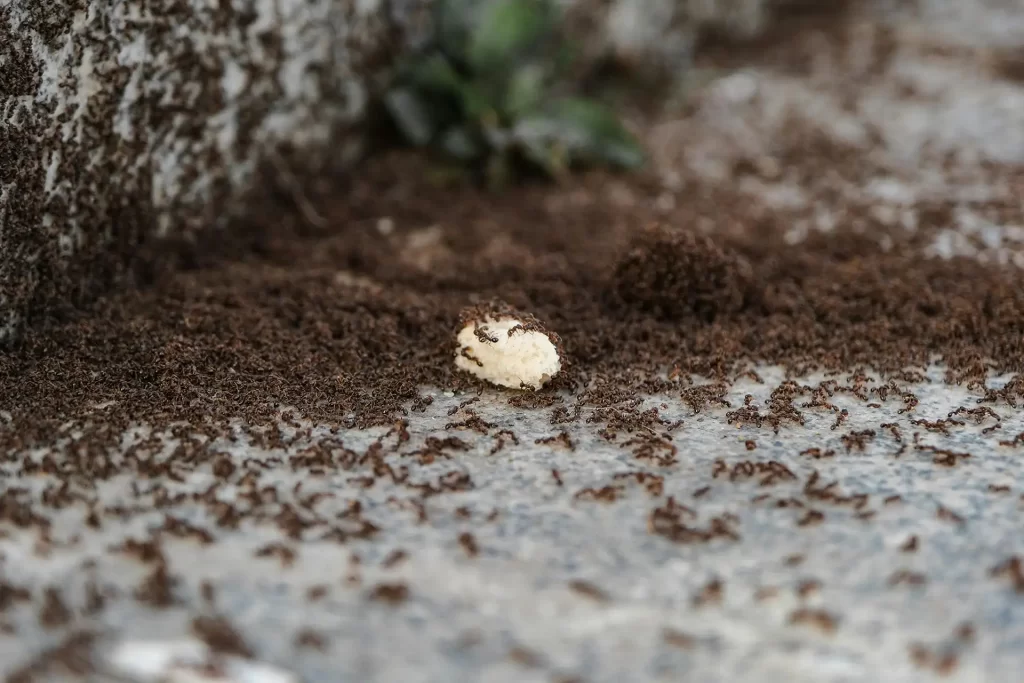
Many homeowners assume ants must be nesting somewhere inside the house.
In reality, the primary colony is often outdoors.
- Beneath landscaping
- Under concrete slabs
- Around tree roots
- Along foundations
- Inside retaining walls
- Under decorative rock
Some species also establish multiple satellite colonies, allowing the infestation to spread while remaining difficult to locate.
This is one reason recurring ant problems can become increasingly difficult to solve over time.
Why Ant Problems Often Return Every Year
If ants seem to appear around the same time every spring or summer, there is usually a reason.
Established colonies often survive from one season to the next.
As temperatures warm, they begin sending workers back out to search for food and moisture.
Understanding how fast ant colonies grow in spring helps explain why small problems can quickly become recurring seasonal infestations if they’re never fully eliminated.
What Actually Stops Recurring Ant Infestations?
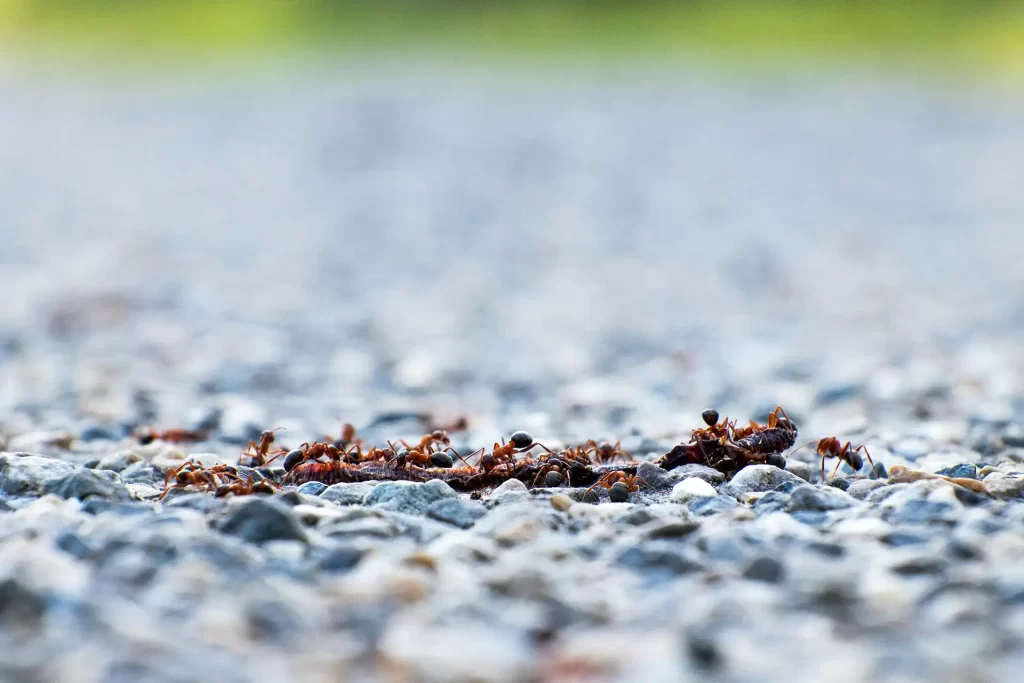
Long-term control focuses on eliminating the source—not just reducing visible activity.
- Identifying where ants are entering the home
- Locating the primary colony whenever possible
- Targeting the colony instead of individual workers
- Eliminating food and moisture sources
- Reducing future access through exclusion and prevention
When these pieces work together, recurring infestations become much less likely.
How Professional Ant Control Can Help
If ants continue returning despite repeated treatments, it’s often a sign that the infestation is larger than it appears.
Professional ant control can help:
- Identify hidden nesting areas
- Eliminate active colonies
- Address recurring entry points
- Reduce future ant activity around your home
Common Questions
Most sprays only kill the ants you can see. The queen and the rest of the colony often remain unaffected, allowing new workers to continue entering your home.
Yes. Many ant species create satellite colonies that support the primary nest, making infestations more difficult to eliminate completely.
Ants follow chemical scent trails that guide workers back to reliable food and water sources. If those trails or attractants remain, new ants often return.
Cleaning helps remove food sources and may reduce activity, but it usually won’t eliminate an established colony.
If ants continue returning after multiple treatments or appear in several areas of your home, the infestation may require a more comprehensive approach.
Stop the Cycle of Recurring Ant Problems
Recurring ants don’t necessarily mean your home is impossible to protect. They usually mean the colony is still active somewhere nearby. By identifying the source and treating the infestation more completely, you can stop the cycle instead of temporarily reducing it.
If ants keep returning no matter how many times you’ve treated them, Agent Pest Control can help identify the source and eliminate the colony for longer-lasting protection.
Contact Agent Pest Control today to schedule professional ant control and take back your home.