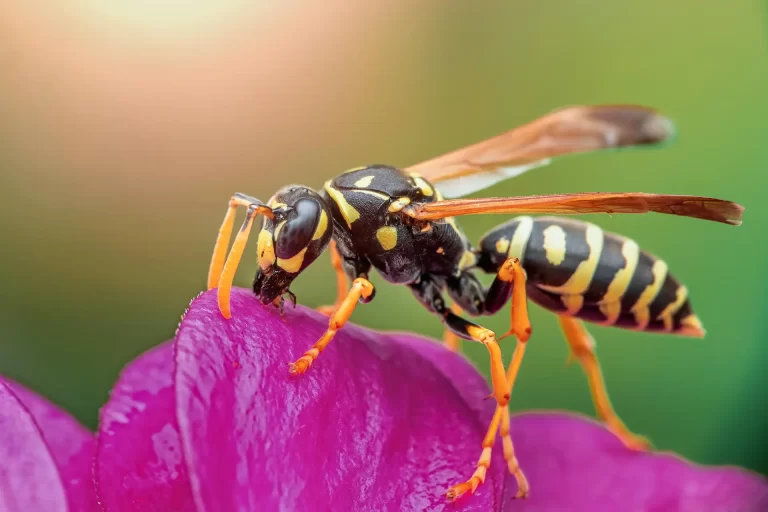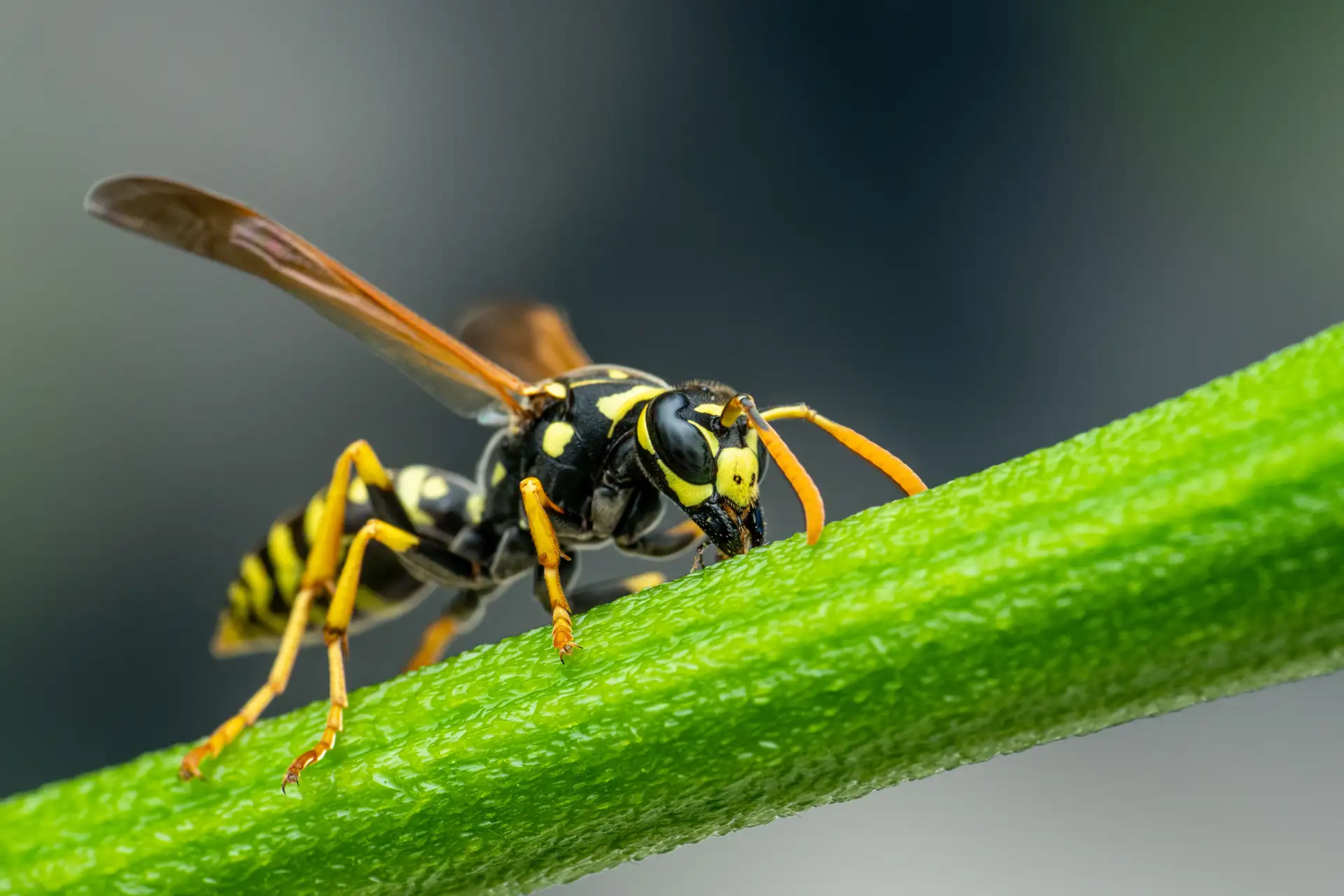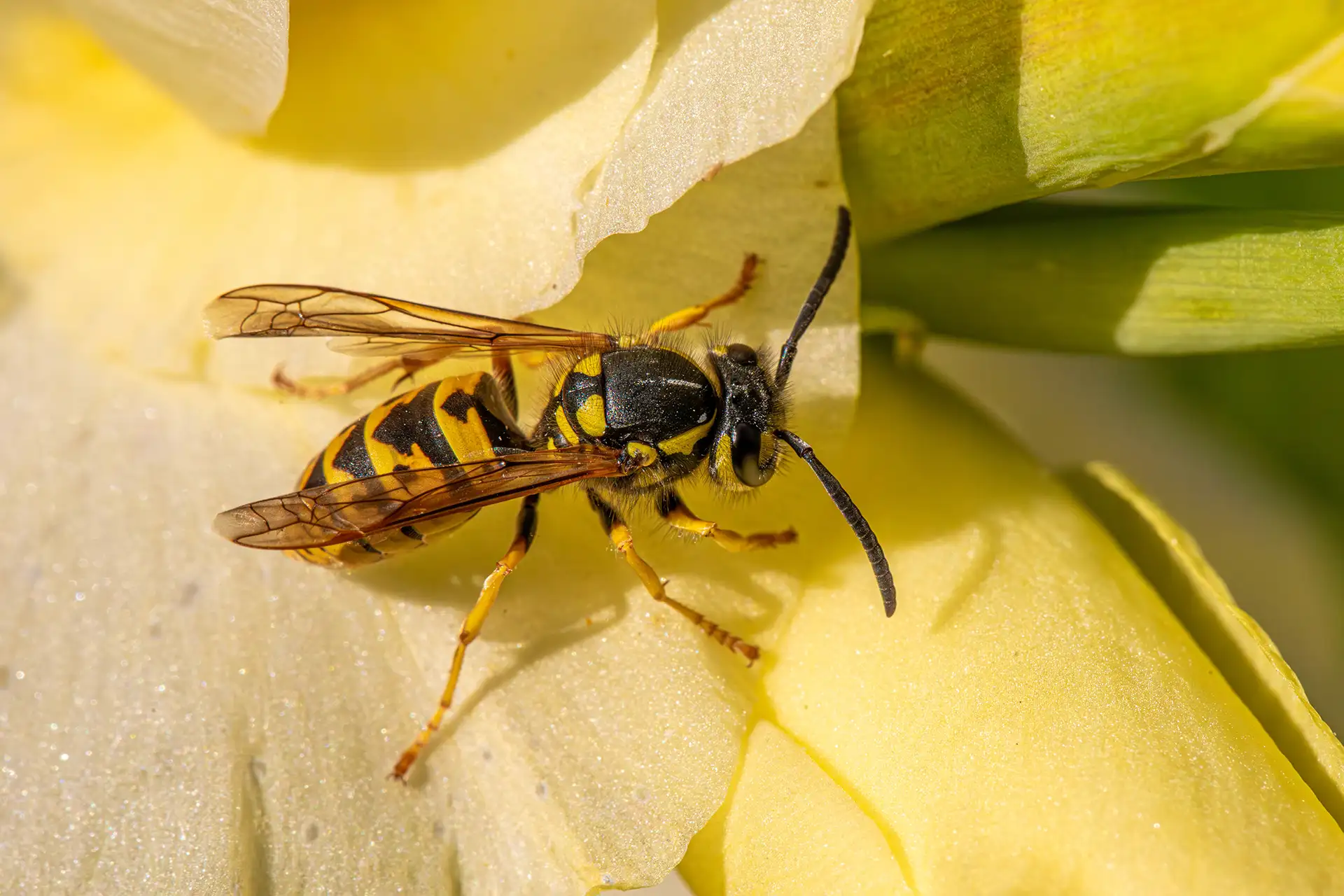
What Attracts Wasps to Your Yard?
A few wasps flying around your yard may not seem like a major concern at first.
You might notice them hovering around flowers, exploring your patio, or passing through while you’re outside. But when you notice wasp activity increasing around your yard, it usually means your property is providing something they need.
Wasps are not randomly choosing your yard. They are searching for food, water, shelter, and suitable locations to build or expand a nest.
Understanding what attracts wasps to your yard is one of the first steps toward reducing activity and preventing a larger problem later in the season.
Why Wasps Are Drawn to Certain Yards
Wasps are highly adaptable insects. They can thrive in many residential environments because most homes naturally provide the resources they need.
- Accessible food sources
- Moisture and water
- Insects they hunt for food
- Protected nesting locations
- Landscaping that provides shelter
Food Sources That Attract Wasps
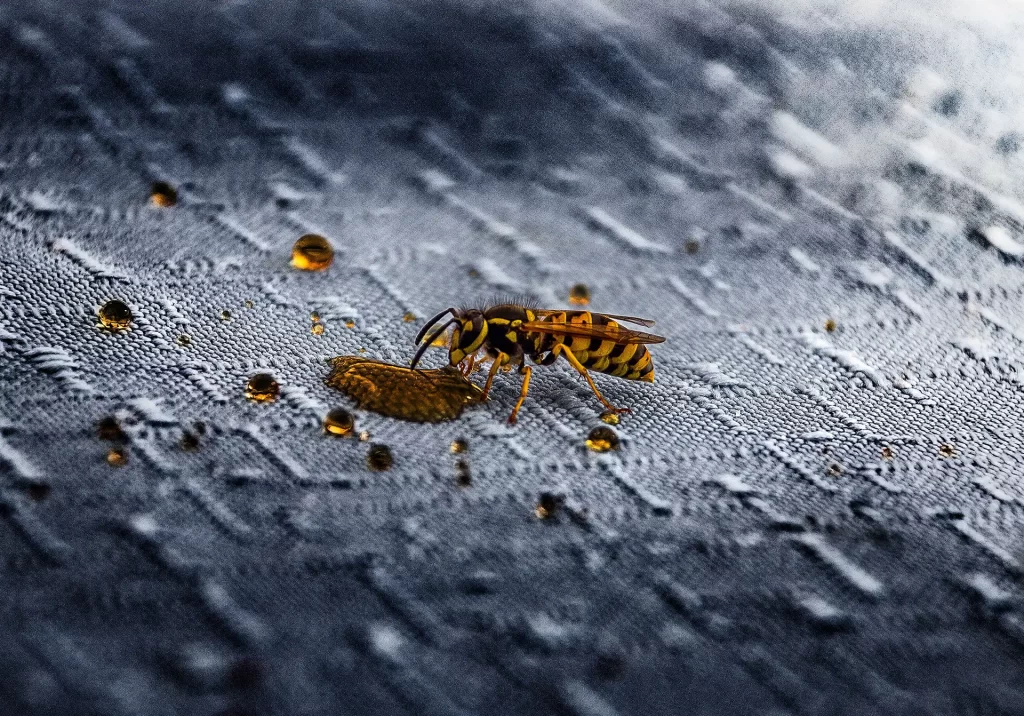
One of the biggest reasons wasps visit residential properties is the availability of food.
- Sugary drinks and outdoor beverages
- Fruit trees and fallen fruit
- Open garbage containers
- Pet food left outside
- Outdoor dining areas
Keeping food covered and cleaning up spills or fallen fruit can help reduce the number of wasps visiting your yard.
Water and Moisture Can Encourage Wasp Activity
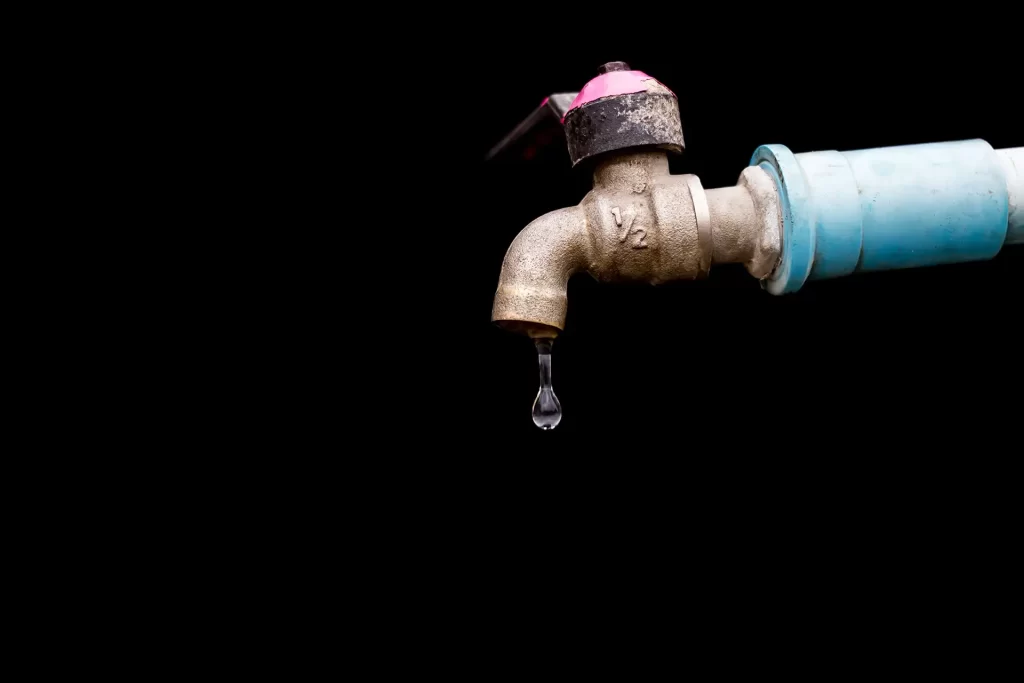
Like many pests, wasps need water to survive.
- Irrigation systems
- Leaky outdoor faucets
- Bird baths
- Pool areas
- Standing water after storms
Reducing unnecessary water sources around your property can make your yard less appealing to nesting wasps.
Your Yard May Provide Ideal Nesting Locations
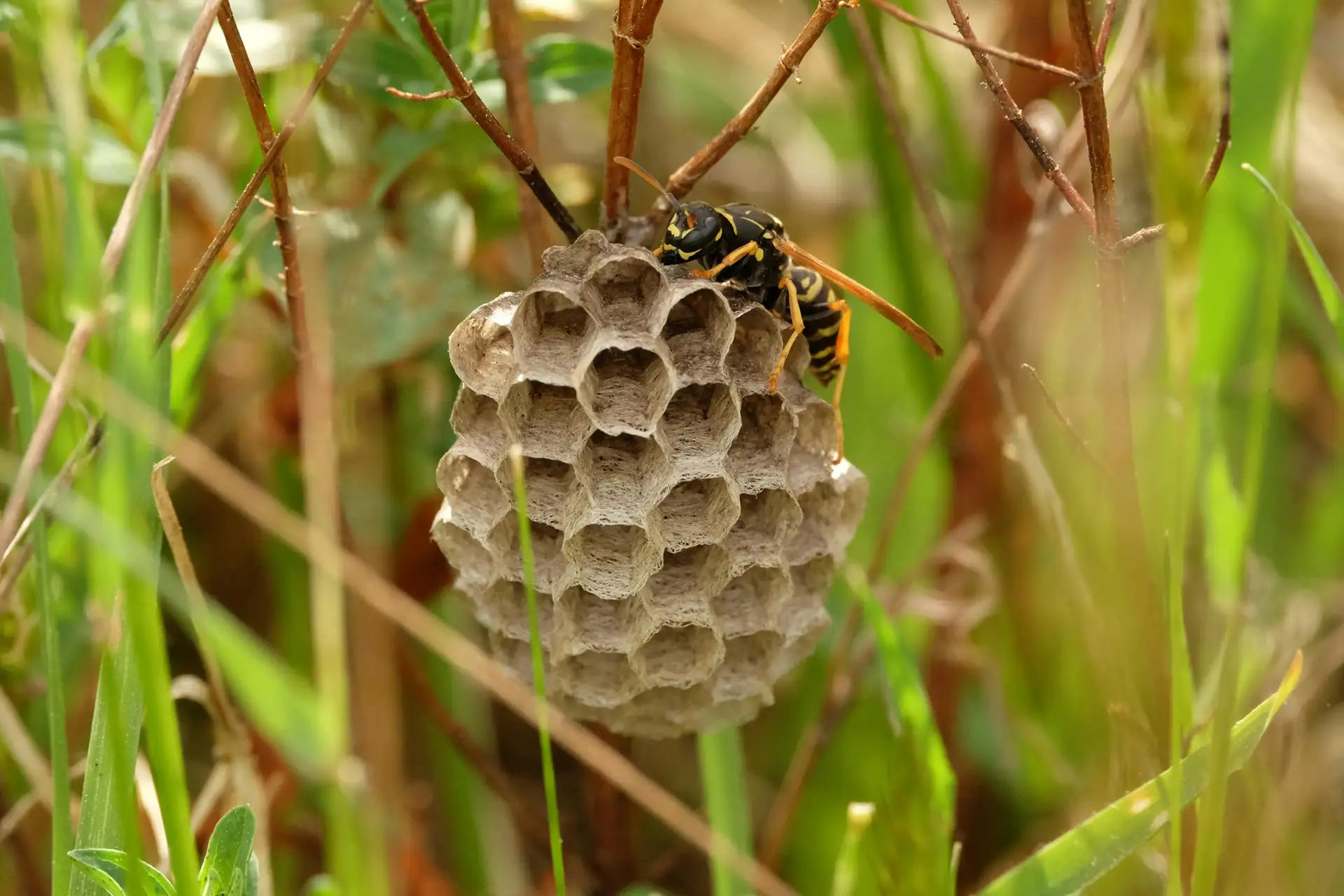
Wasps don’t just visit yards for food—they also search for safe places to build nests.
- Under roof eaves
- Inside wall voids
- Around decks and patios
- In sheds or outdoor structures
- Underground near landscaping or lawn areas
Other Insects Can Attract Wasps
Wasps are predators, and many species feed on other insects.
- Flies
- Caterpillars
- Other small insects
- Garden pests
…it may naturally become a better hunting area for wasps.
This means increased wasp activity can sometimes be connected to broader pest activity around your property.
Learn about Utah Wasps
See our pest library for the different species of wasps in Utah and how to identify them.
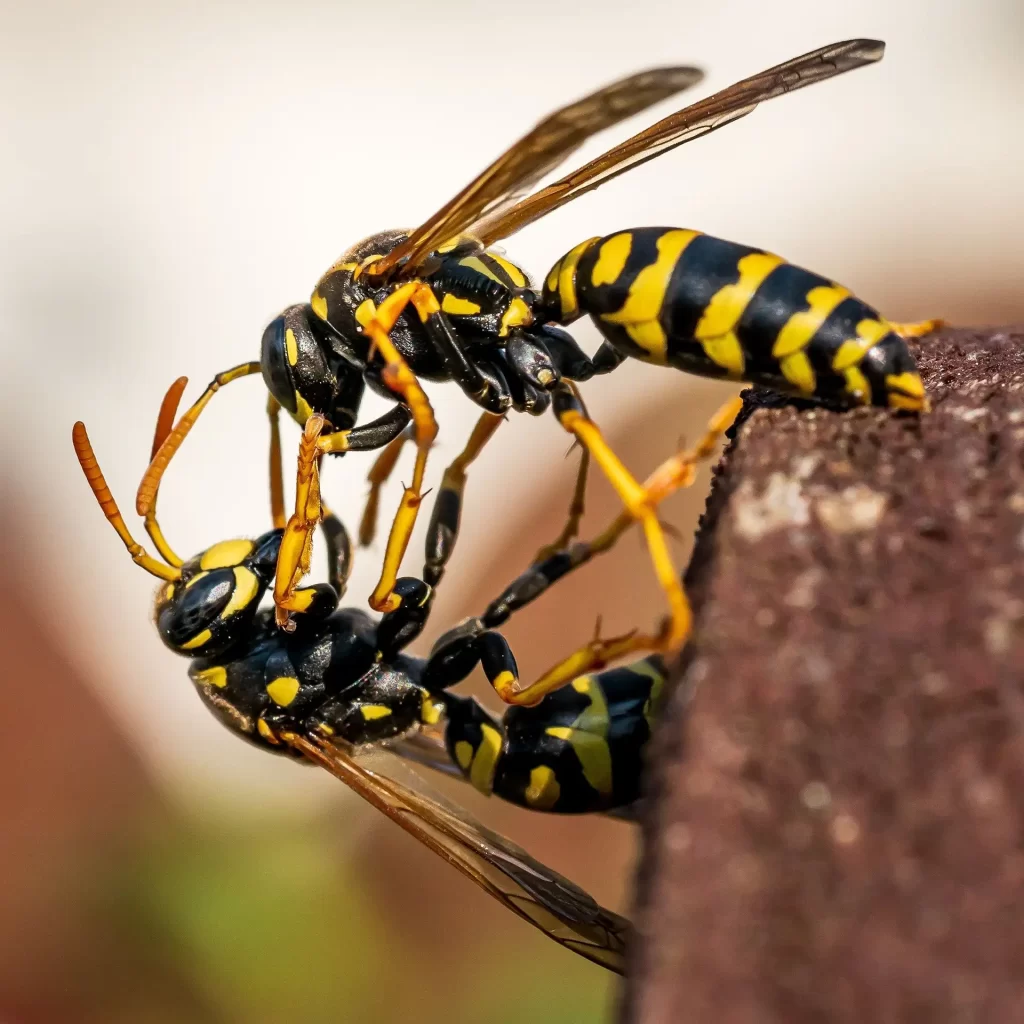
Why Wasp Activity Often Gets Worse Later in the Season
Early in the year, wasp activity may seem limited.
- More worker wasps are produced
- Food demands increase
- Nests become more established
- Defensive behavior becomes more noticeable
How to Make Your Yard Less Attractive to Wasps
While you cannot completely eliminate wasps from your property, you can reduce the conditions that attract them.
- Keep garbage cans sealed tightly
- Remove fallen fruit from trees
- Cover outdoor food and drinks
- Eliminate unnecessary standing water
- Inspect outdoor structures for nests
- Trim vegetation near your home
When Professional Wasp Control Is Needed
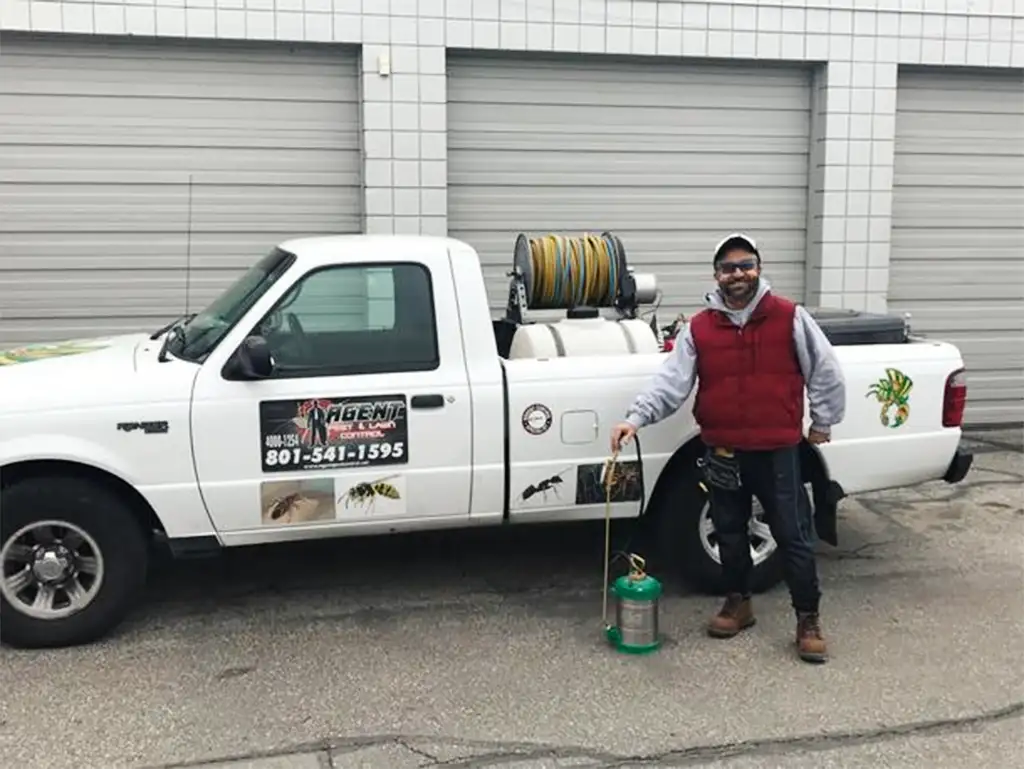
If you see signs of a growing wasp problem in your yard despite prevention efforts, there may be an active nest nearby.
Professional pest control can help:
- Locate hidden nesting areas
- Eliminate active colonies
- Reduce recurring wasp activity
- Create a safer outdoor environment
Common Questions
Wasps are commonly attracted to food sources, water, insects, and protected nesting areas around homes.
An increase in wasps usually means your property provides access to food, shelter, or a nearby nesting location.
Some flowering plants can attract insects that wasps hunt for, but wasps are usually more interested in available food sources and nesting locations.
Reducing food sources, removing standing water, sealing garbage containers, and inspecting for nests can help reduce activity. Established nests may require professional treatment.
Keep Wasps Away From Your Yard
If wasps are becoming a regular problem around your home, addressing the issue early can help prevent a larger infestation.