Why DIY Pest Control Often Fails
Few things are more frustrating than dealing with the same pest problem over and over again.
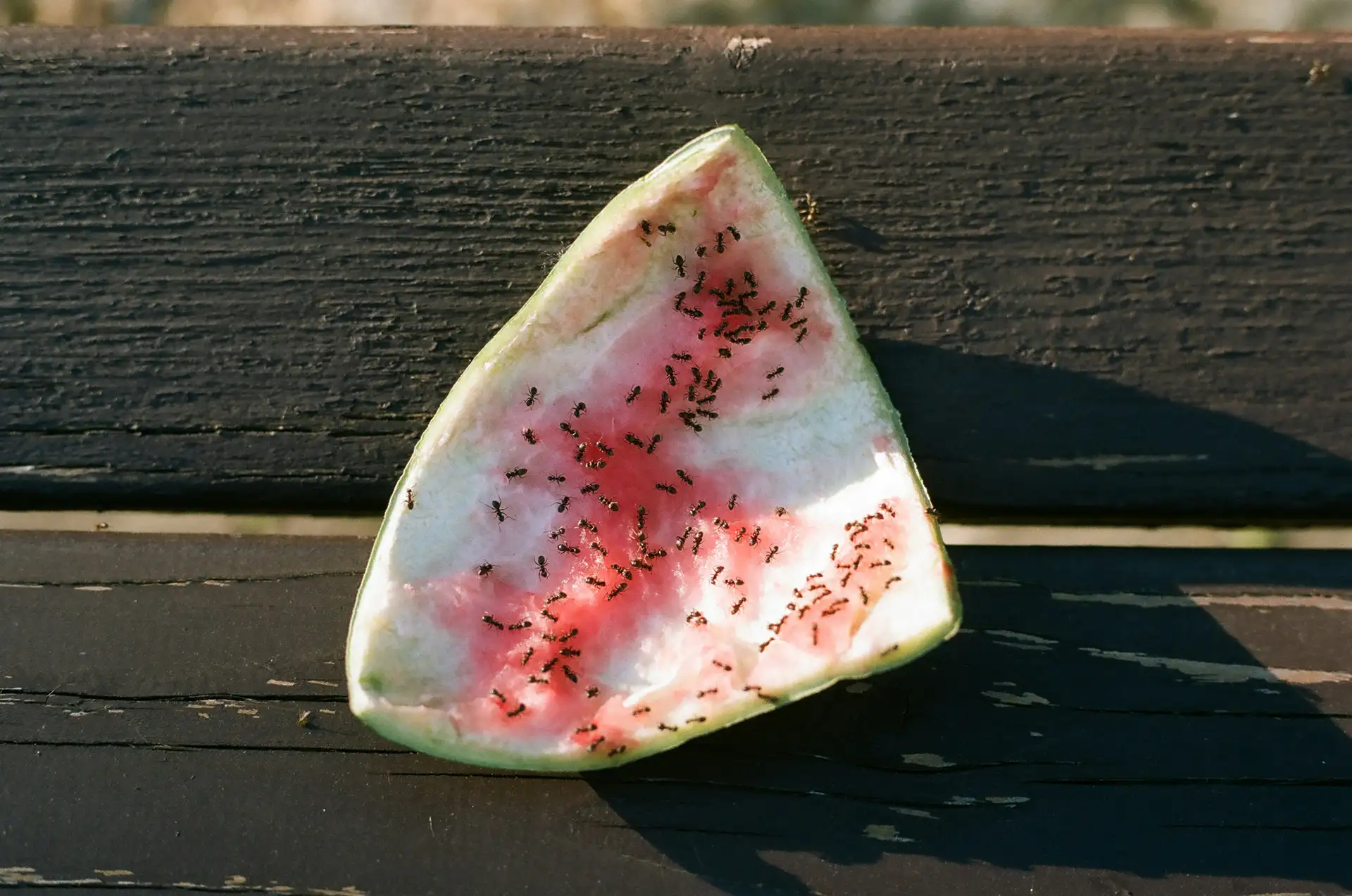
You spot ants in the kitchen, buy a spray, and the ants disappear. A few weeks later, they’re back. You set traps for mice and catch one or two, only to hear scratching in the walls again a month later. You knock down a wasp nest and assume the problem is solved, then discover another one forming nearby.
For many homeowners, DIY pest control seems like the logical first step. It’s convenient, relatively inexpensive, and promises fast results. Sometimes those products even appear to work.
The problem is that most DIY solutions only address the pests you can see—not the reasons they’re there in the first place.
Why DIY Pest Control Is So Appealing
When pests suddenly appear, most homeowners want immediate relief.
- Kill ants instantly
- Eliminate spiders
- Stop rodent activity
- Prevent wasp problems
And to be fair, many of these products do exactly what they claim.
The issue is that eliminating visible pests is often only a small part of solving the problem.
In many cases, the real source of the infestation remains completely untouched.
The Biggest Problem With DIY Pest Control
Most pest infestations don’t begin where you’re seeing activity.
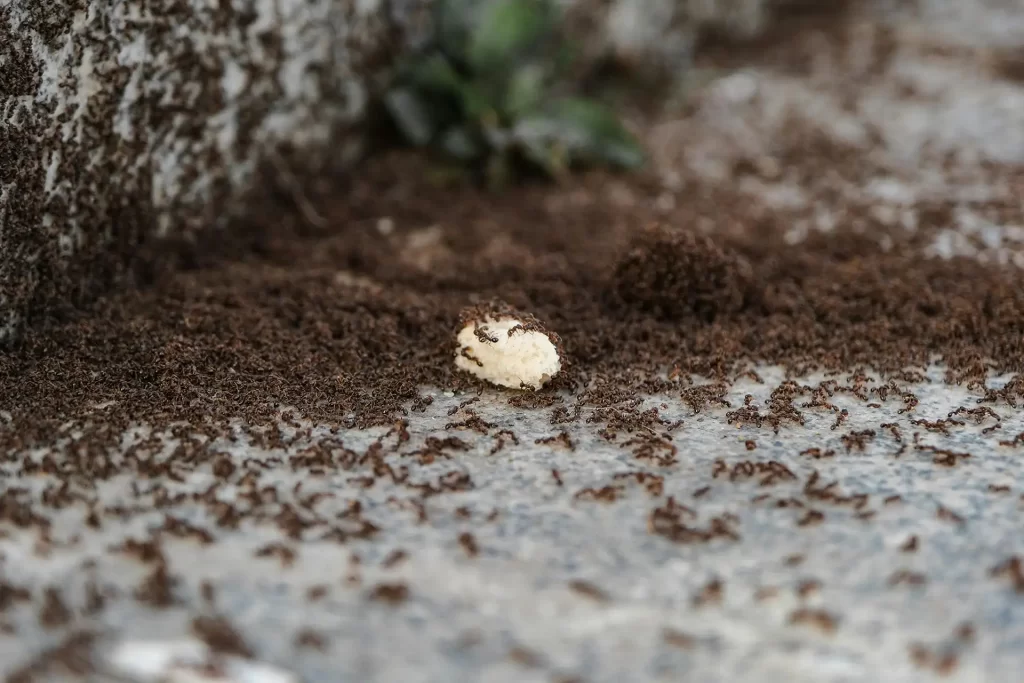
- The ants in your kitchen aren't the colony
- The mouse caught in a trap isn't the nest
- The spider in the corner isn't the reason spiders keep appearing
The visible pest is usually a symptom of a larger issue happening somewhere else.
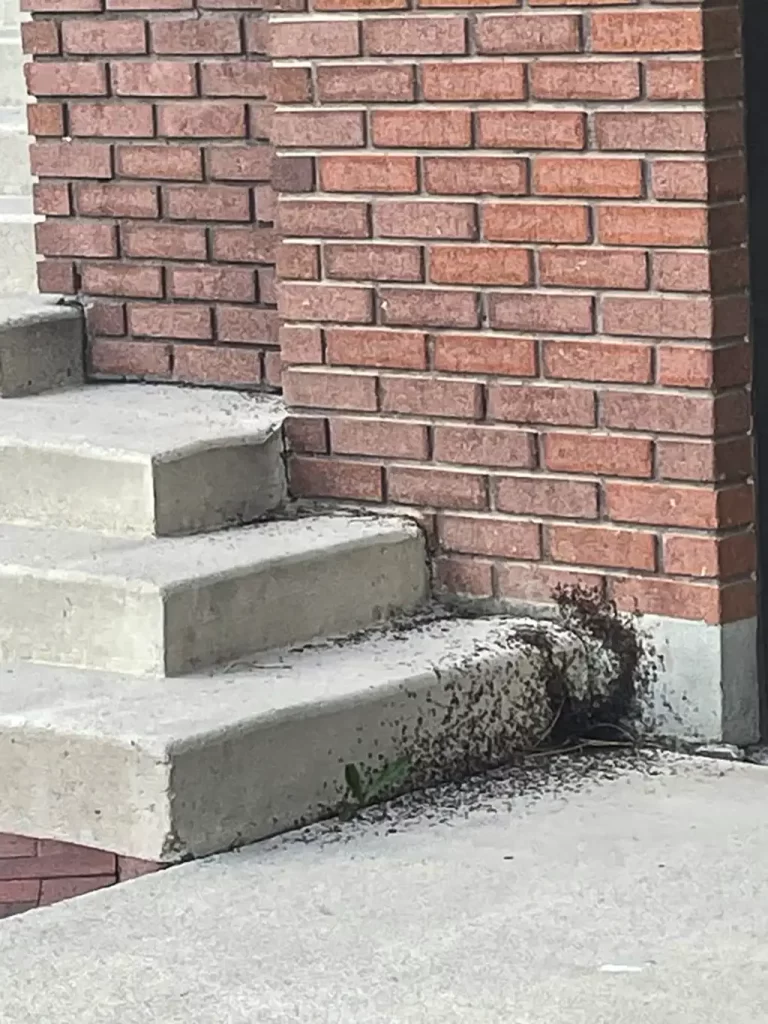
This is especially true with hidden ant infestations, where colonies may be located inside walls, beneath foundations, or in areas homeowners never see.
As long as the source remains active, new pests will continue replacing the ones you’ve removed.
Why Pest Problems Keep Coming Back
One reason DIY treatments often feel ineffective is because they focus on immediate activity rather than long-term prevention.
-
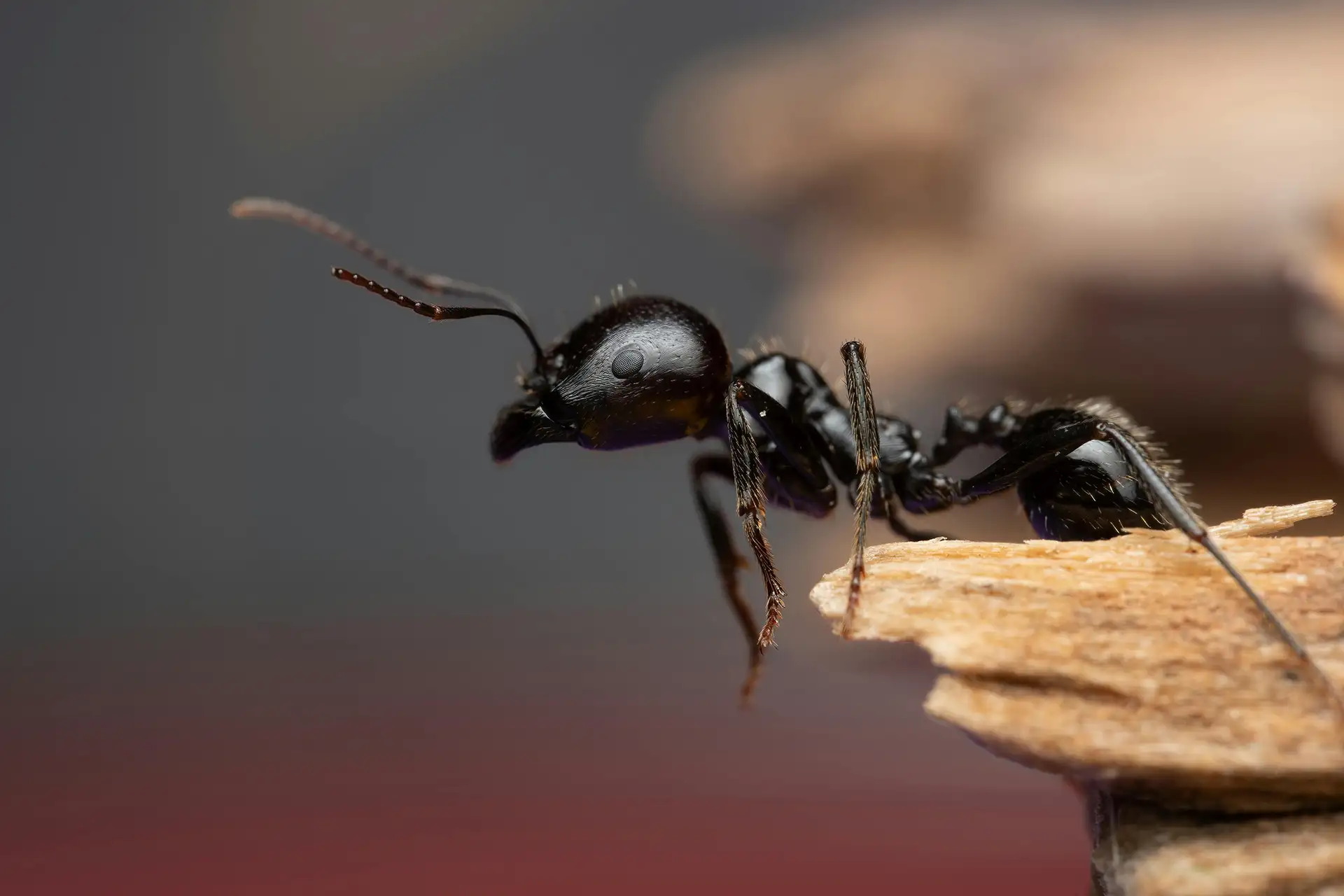
Ants
Spraying a trail may kill dozens of ants, but it doesn’t eliminate the queen or the colony producing them.
In fact, understanding how fast ant colonies grow helps explain why seemingly small ant problems can quickly return after treatment.
-
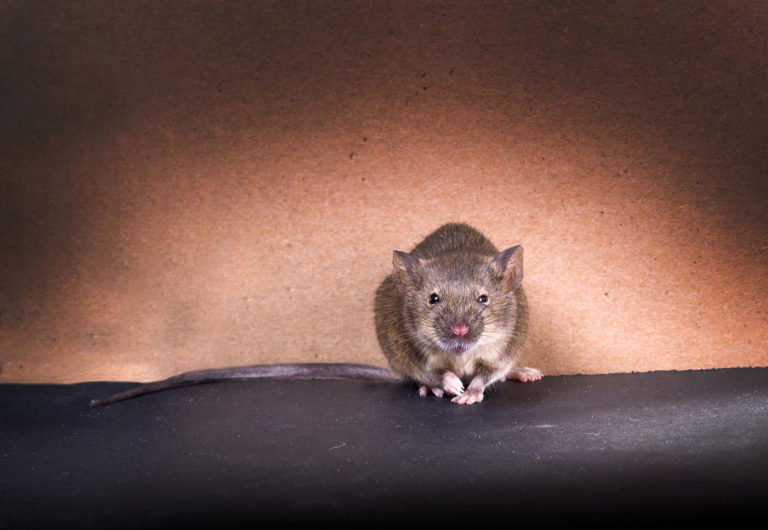
Rodents
- Entry points
- Nesting locations
- Food sources
- Breeding populations
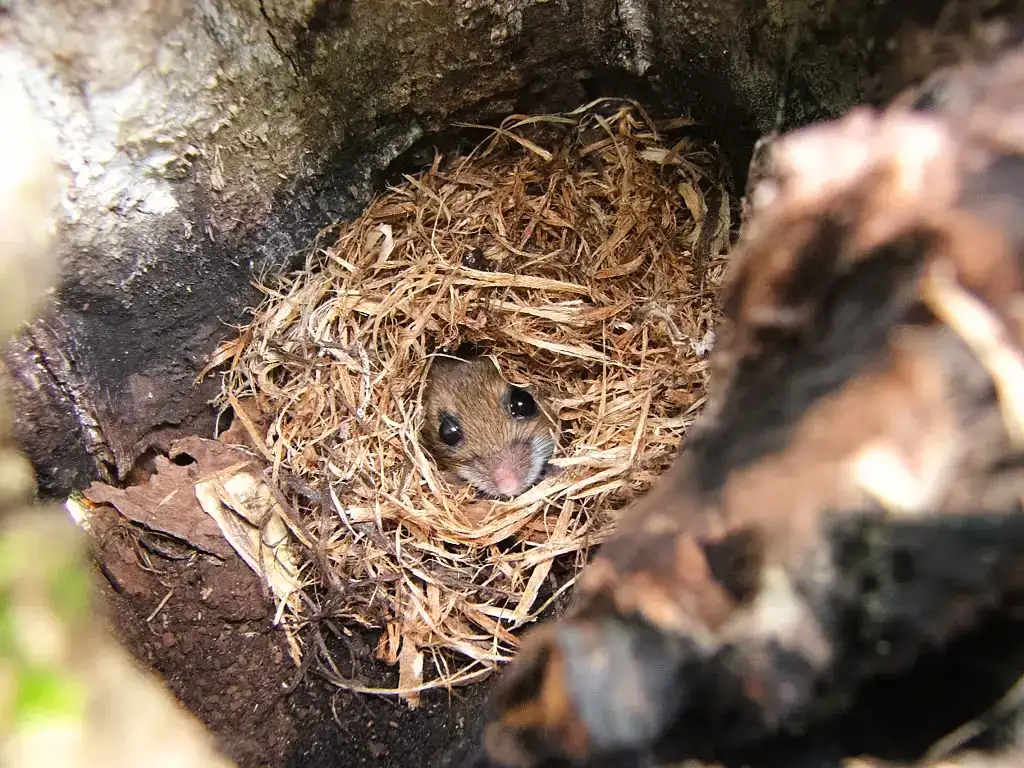
This is one reason homeowners continue experiencing mouse activity after winter, even after catching a few rodents.
-
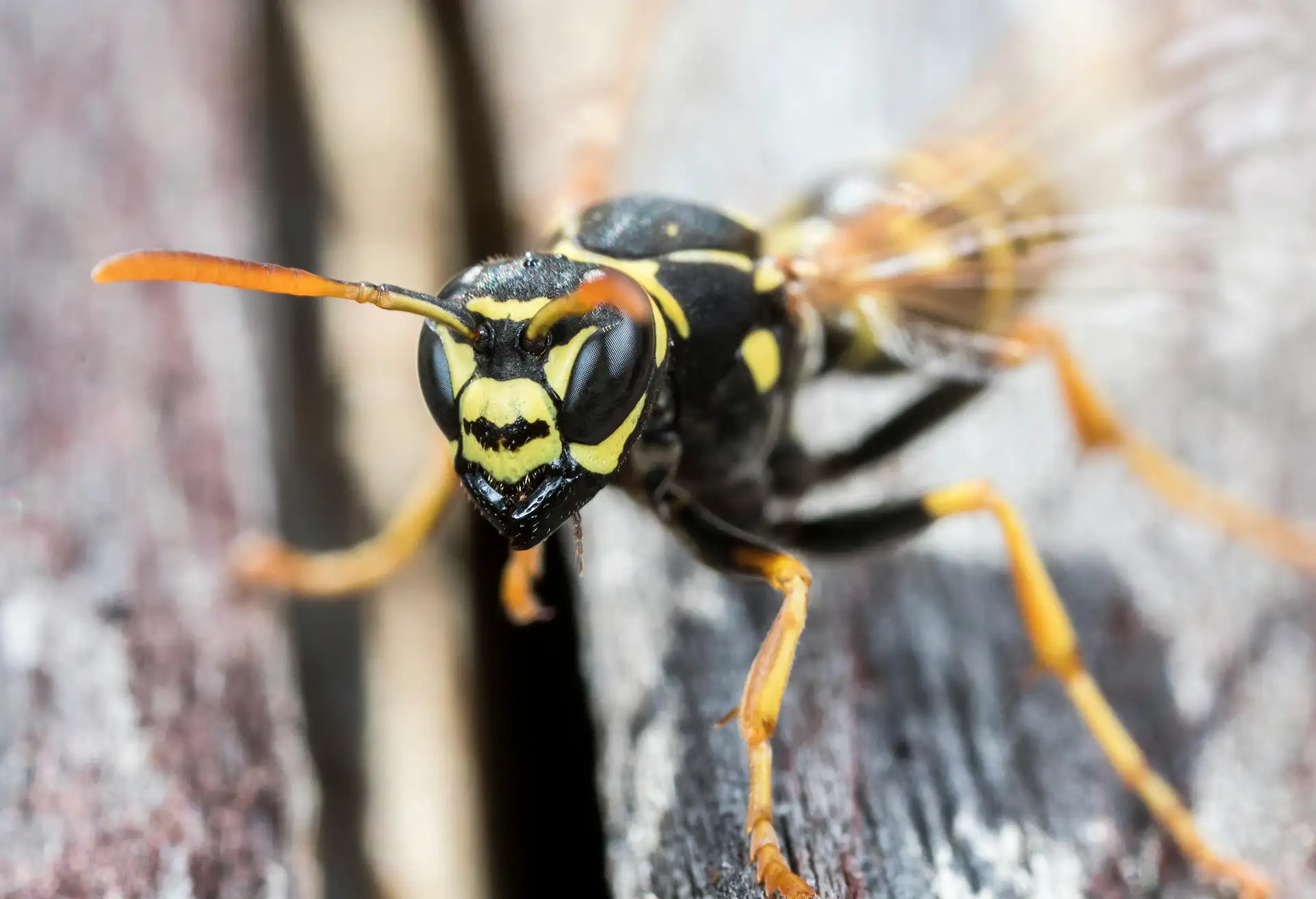
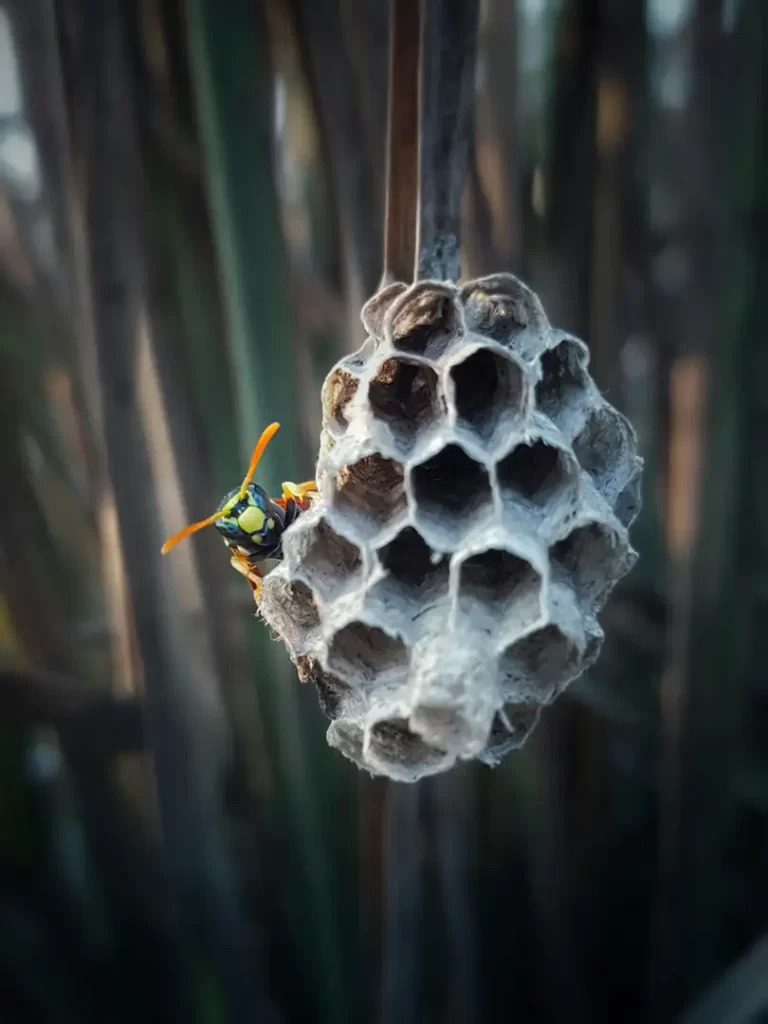
Wasps
Knocking down a visible nest may remove current activity, but it doesn’t prevent additional colonies from establishing themselves elsewhere around the property.
-
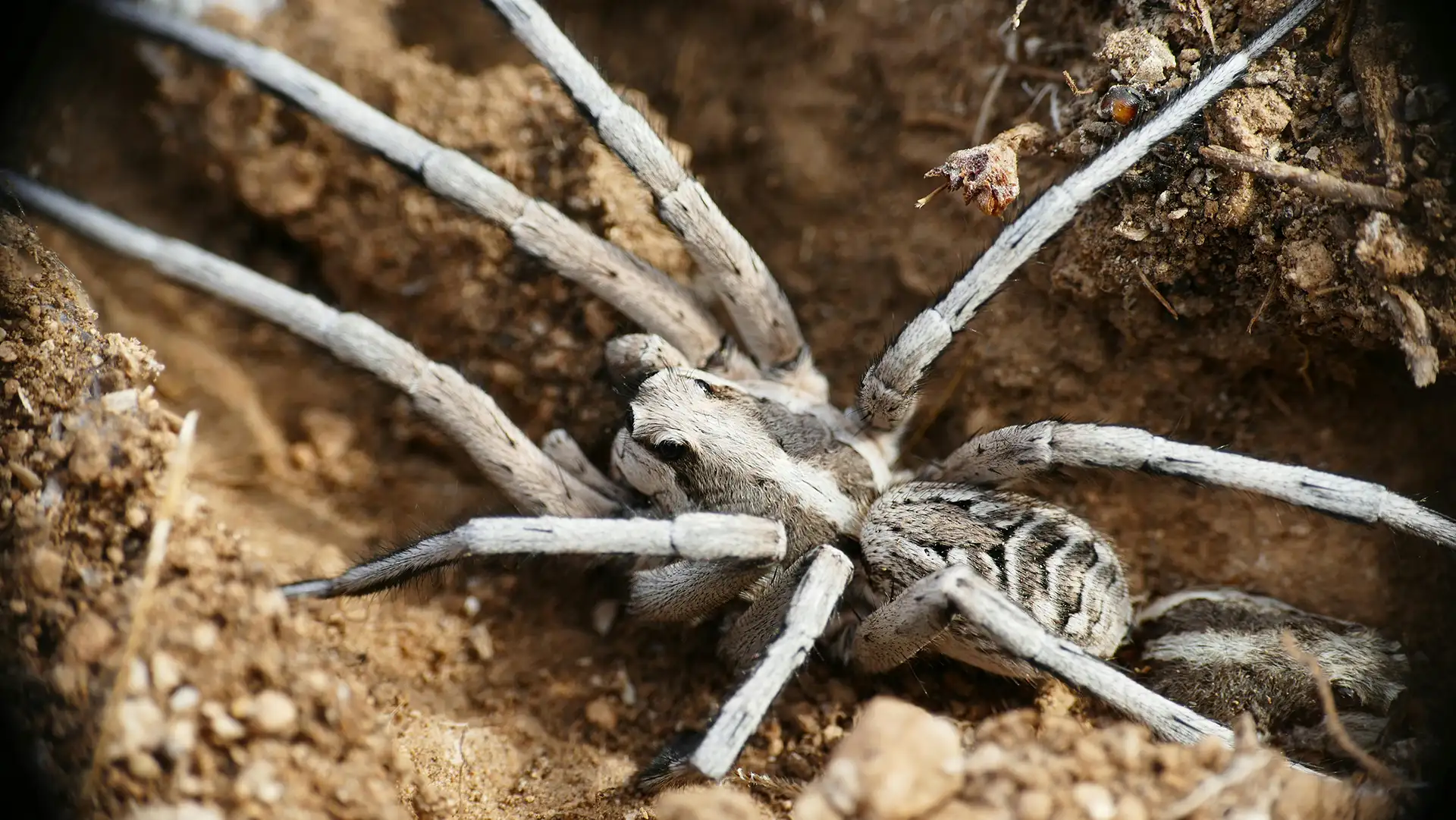
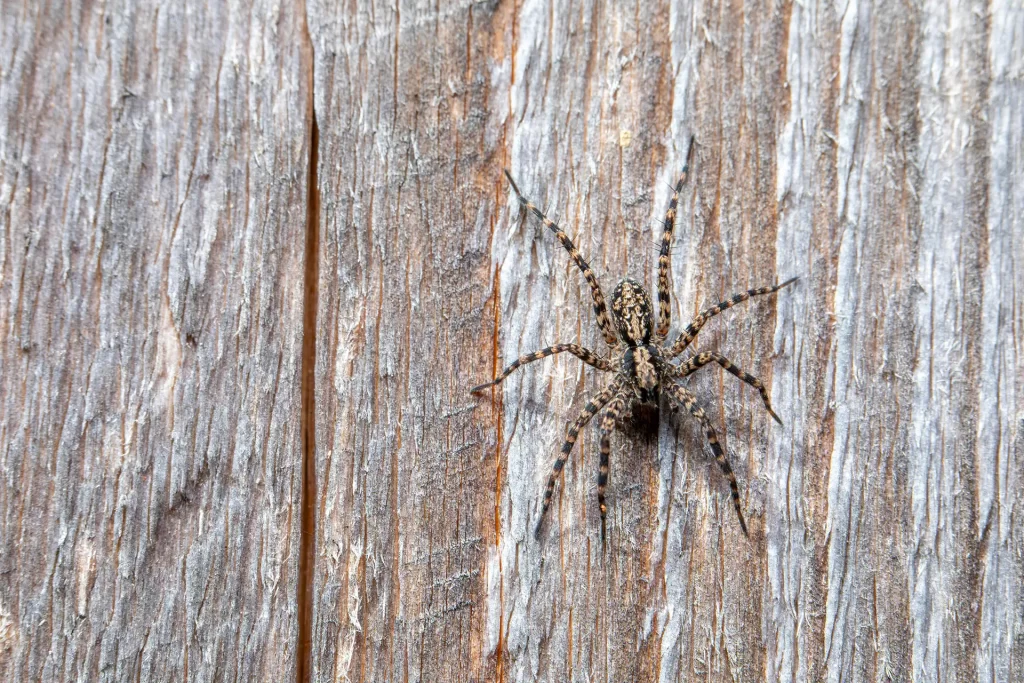
Spiders
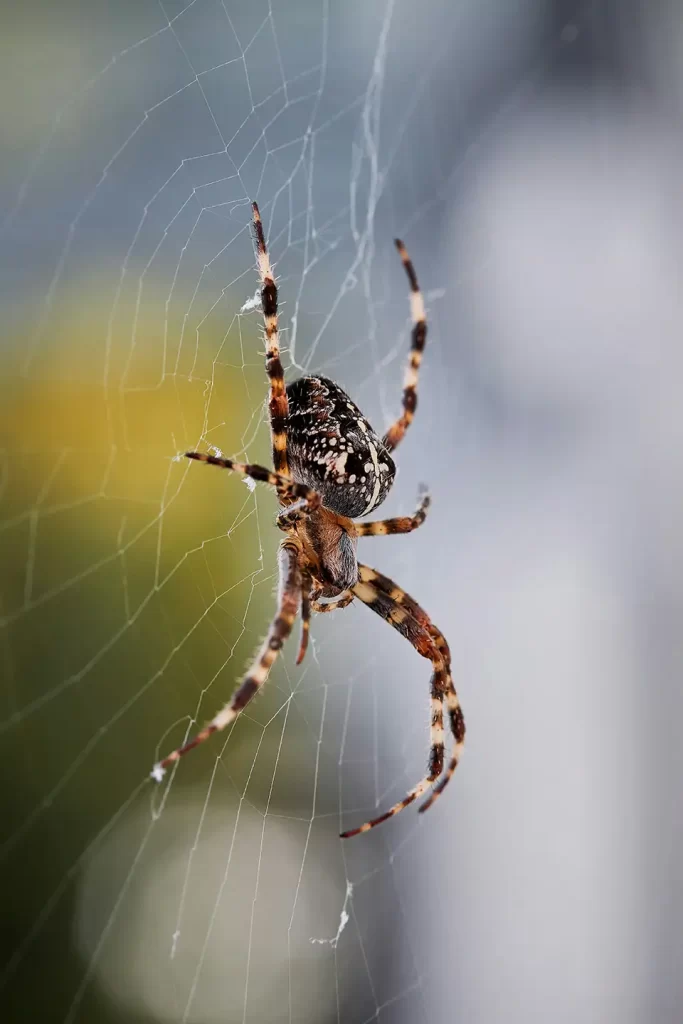
Removing spiders doesn’t eliminate the insects attracting them.
In many cases, recurring spider activity is actually a sign of a larger pest issue.
Learn about Utah Pests
See our pest library for the different pests in Utah and how to identify them.
Pest Problems Are More Complex Than They Appear
Most infestations involve several contributing factors working together.
- Hidden nesting sites
- Entry points around the home
- Available food and water sources
- Favorable environmental conditions
- Seasonal population growth
If only one piece of the puzzle is addressed, pests often return.
This is why successful pest management requires a broader approach than simply treating what is visible.
What Actually Works for Long-Term Pest Control?
Effective pest control focuses on solving the underlying problem rather than chasing individual pests.
-
Identify the Source
The first step is determining where pests are coming from and why they’re attracted to the property.
-
Address Entry Points
Many recurring infestations begin because homeowners never identify the entry points pests use to get inside.
Sealing gaps, cracks, and openings can significantly reduce future activity.
-
Reduce Attractants
- Food
- Water
- Shelter
Removing these resources makes a property less appealing.
-
Apply Targeted Treatments
When treatments are needed, they should focus on the pest species involved and the areas where activity is occurring.
This creates more effective and longer-lasting results.
When Should You Move Beyond DIY?
DIY solutions can sometimes help manage small, isolated pest issues.
- Pests keep returning
- Activity is spreading throughout the home
- Multiple pest species are present
- You can't locate the source
- Treatments provide only temporary relief
Recurring infestations are often a sign that the underlying problem has not been resolved.
Why Professional Pest Control Produces Better Results
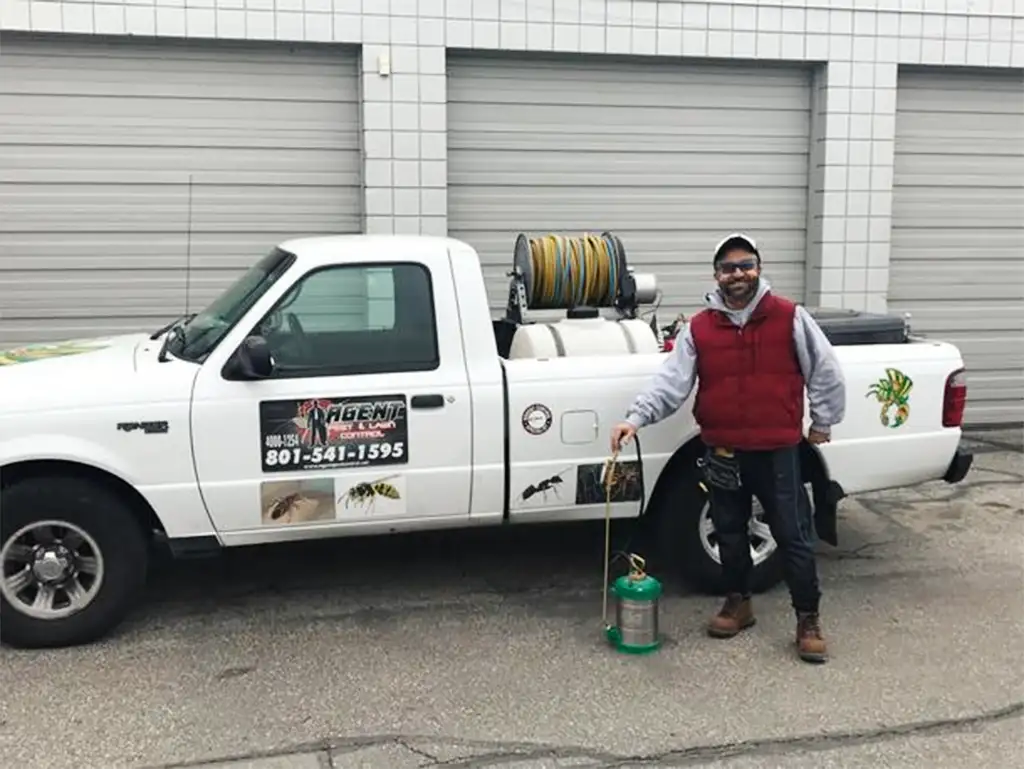
Professional pest control isn’t simply about applying stronger products.
The real difference is the approach.
Professional treatment can help:
- Identify hidden infestations
- Locate nesting areas
- Find entry points
- Reduce environmental attractants
- Create long-term prevention strategies
The goal isn’t just eliminating today’s pest problem—it’s reducing the likelihood of future infestations as well.
Common Questions
Most DIY treatments focus on visible pests rather than addressing the colony, nest, entry points, or conditions causing the infestation.
In some cases, minor problems can be reduced temporarily. However, established infestations often require a more comprehensive approach.
Sprays typically kill worker ants but don’t eliminate the queen or the colony producing them.
If pests continue returning despite treatment efforts, it’s often a sign that the source of the infestation hasn’t been identified or eliminated.
The best approach combines inspection, targeted treatment, exclusion, prevention, and ongoing monitoring.
Stop Treating Symptoms and Start Solving the Problem
If you’ve been dealing with the same pest problem again and again, there’s a good chance the source of the infestation is still active somewhere around your home. Long-term pest control requires more than temporary fixes—it requires addressing the conditions that allow pests to thrive in the first place.