Why Ant Infestations May Not Always be Visible
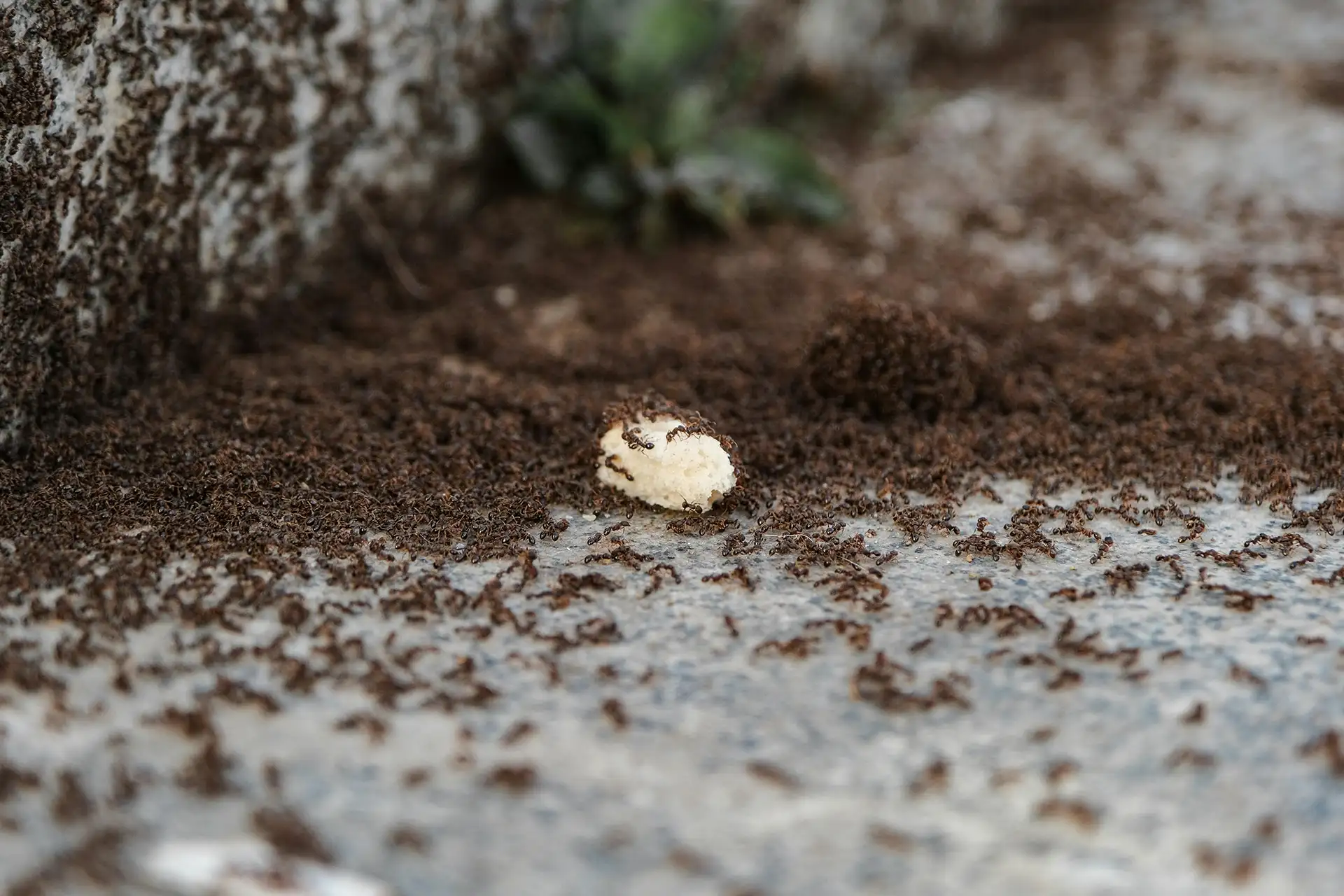
When most homeowners think of an ant infestation, they picture a visible trail of ants marching across a countertop or floor. But in many cases, the ants you see are only a small part of a much larger problem.
Ant colonies are experts at staying hidden. While worker ants travel throughout your home searching for food and water, the colony itself may be tucked away inside a wall, beneath a foundation, under flooring, or somewhere else you’ll never see.
This is one reason many homeowners struggle with recurring ant problems. The visible ants disappear for a few days, only to return again and again because the source of the infestation remains untouched.
Why Hidden Ant Infestations Are So Common
Ants don’t need much space to establish themselves. A tiny crack near your foundation, a gap around plumbing, or a hidden void inside a wall can provide everything a colony needs to survive.
- Inside wall voids
- Beneath concrete slabs
- Under flooring
- Around foundations
- Beneath landscaping features
- In mulch beds and flower beds near the home
Because these areas are rarely disturbed, colonies can continue growing for months before homeowners realize the extent of the infestation.
Warning Signs You May Have a Hidden Ant Colony
A few ants occasionally wandering indoors isn’t always cause for concern. However, certain patterns often indicate a larger colony is active nearby.
-
Ants Keep Appearing in Multiple Rooms
One of the biggest warning signs is finding ants in several areas of the home at the same time.
- The kitchen
- Bathrooms
- Laundry rooms
- Basements
- Near windows and doors
When you’re seeing ants in your kitchen and in multiple locations, it often suggests the colony has access to several routes inside the home.
-
Activity Returns Shortly After Cleaning
Many homeowners assume they’ve solved the problem after wiping away an ant trail.
Then a day or two later, the ants are back.
This usually happens because cleaning removes the visible ants but doesn’t affect the colony itself. As long as the nest remains active, new workers will continue searching for food.
-
You See Trails at Different Times of Day
Hidden colonies often send workers out on changing schedules.
- Ants in the morning but not the afternoon
- Activity increasing after sunset
- New trails appearing unexpectedly
Changing patterns often indicate an established colony actively foraging throughout the day.
-
You Never Find the Nest
One of the clearest signs of a hidden infestation is when ants continue appearing, but no nest can be located.
- Inside walls
- Beneath floors
- Under concrete
- Outdoors near the foundation
If ants are consistently appearing without an obvious source, the nest is likely concealed somewhere nearby.
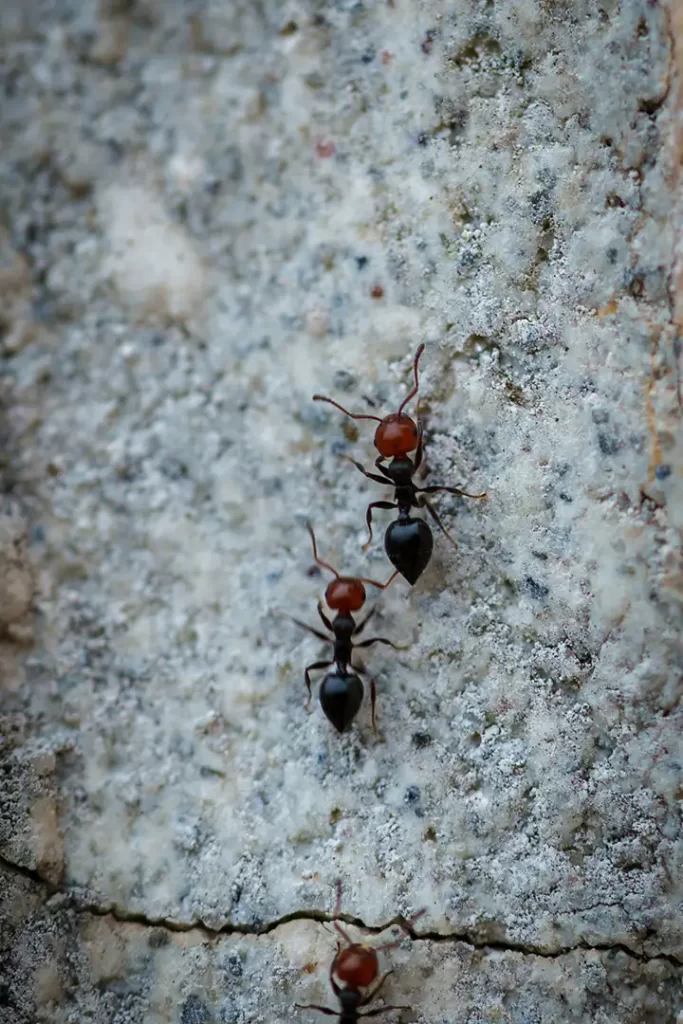
Why Hidden Ant Colonies Continue Growing
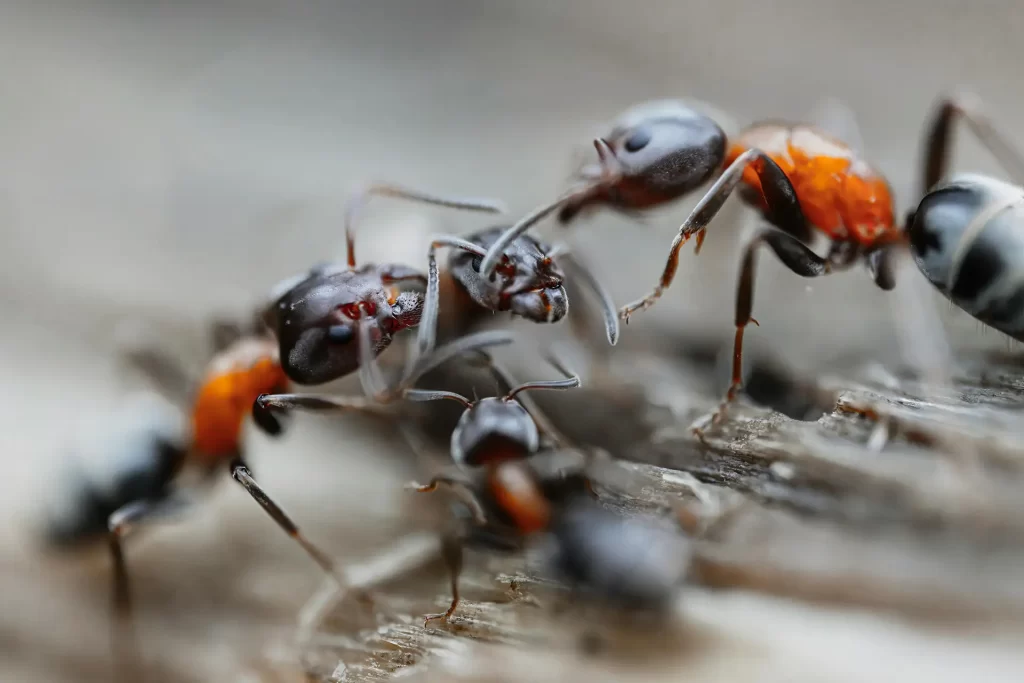
A hidden infestation rarely stays small.
As temperatures warm and resources become available, colonies begin expanding rapidly. Queens increase egg production, worker populations grow, and some species create satellite colonies that spread into additional areas.
This is one reason understanding how fast ant colonies grow is important. What appears to be a minor nuisance today can become a much larger infestation over the course of a single season.
Why Spraying the Ants You See Usually Doesn't Work
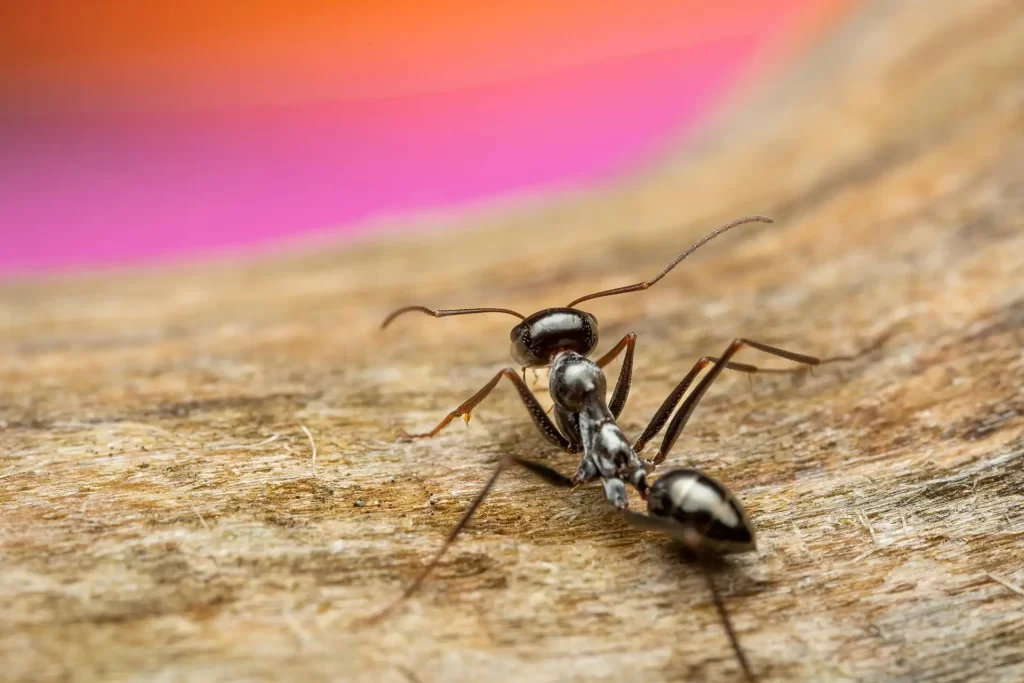
When homeowners spot ants indoors, the natural response is to eliminate the visible insects.
The problem is that the ants you see represent only a small fraction of the colony.
- The queen
- Hidden workers
- Developing larvae
- Satellite colonies
As long as the colony remains active, new ants will continue replacing those that were removed.
How to Identify the Source of an Ant Infestation
While locating a hidden colony isn’t always easy, a few steps can help narrow down where activity is originating.
-
Follow Ant Trails
Worker ants typically travel along established routes between food sources and the colony.
- Entry points
- Outdoor nesting locations
- Areas of concentrated activity
-
Inspect Common Entry Points
- Doors
- Windows
- Utility penetrations
- Foundation cracks
- Exterior wall gaps
Even tiny openings can provide access for large numbers of ants.
-
Watch for Activity Patterns
- Where ants appear most often
- When activity increases
- Which rooms are affected
Patterns often reveal valuable clues about the colony’s location.
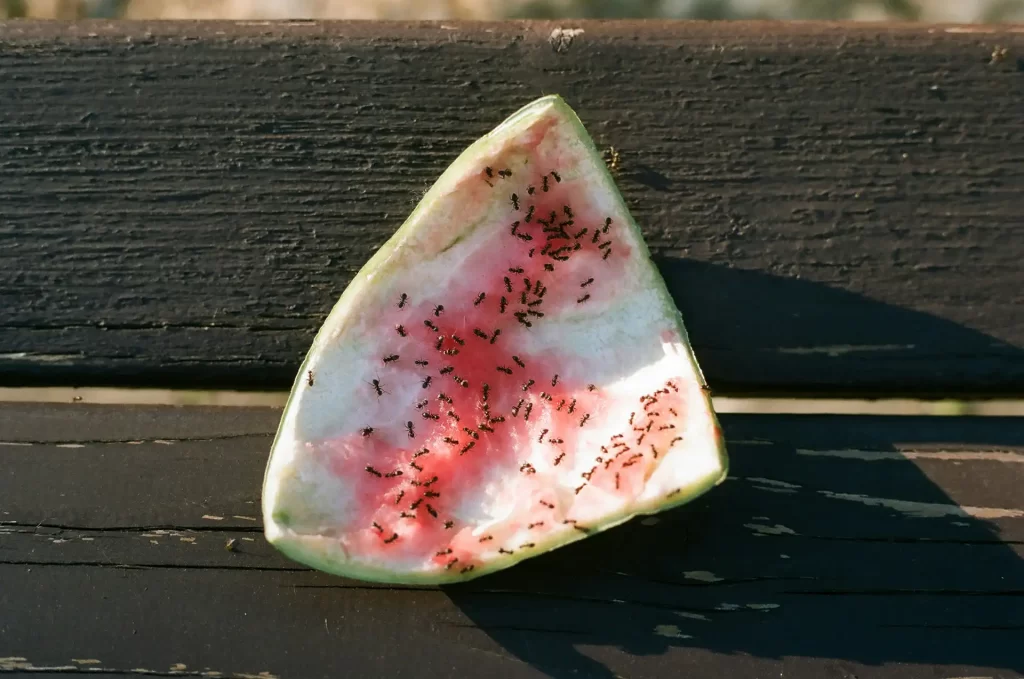
Learn about Utah Ants
Learn about the different species of ants in Utah and how to identify and prevent them.
Why Early Detection Matters
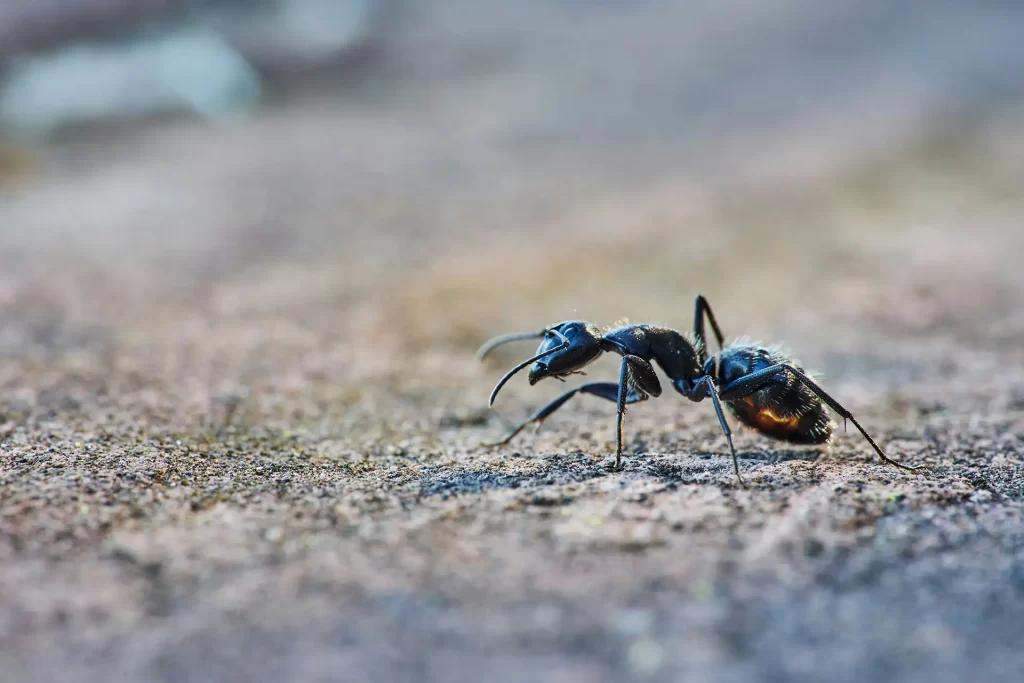
Hidden infestations become more difficult to eliminate the longer they’re allowed to grow.
Early action can help prevent:
- Larger colonies
- Multiple nesting sites
- More widespread indoor activity
- Ongoing seasonal infestations
Addressing the problem while populations are still manageable often leads to faster and more effective results.
When Should You Call a Professional?

If ants keep returning no matter how often you clean, spray, or remove visible trails, the real problem is likely hidden somewhere you can’t see. In many cases, recurring activity is a sign that a colony has become established inside your home or around the foundation.
Professional ant control can help:
- Locate hidden colonies and nesting areas
- Identify how ants are entering your home
- Eliminate the colony, including the queen
- Reduce the risk of future infestations
- Create a protective barrier around your home
The goal isn’t simply getting rid of the ants you see today—it’s stopping the colony that’s producing them. By targeting the source of the infestation, professional treatment can help prevent recurring ant problems and provide longer-lasting protection for your home.
Common Questions
If ants continue appearing in multiple rooms without a visible nest, there’s a good chance the colony is located inside a wall void or another hidden area of the home.
Cleaning removes the ants you see, but it doesn’t eliminate the colony. As long as the queen remains active, new workers will continue appearing.
Yes. Many infestations remain unnoticed for extended periods because colonies are often located behind walls, beneath flooring, or outside near foundations.
Frequent ant sightings, activity in multiple rooms, recurring trails, and ants returning after treatment can all indicate a larger hidden colony.
The most effective solution is identifying and targeting the entire colony rather than simply treating the visible ants.
Stop Hidden Ant Colonies Before They Spread
If ants keep appearing no matter how often you clean, there’s a good chance a hidden colony is still active somewhere around your home. The sooner the source is identified, the easier it is to stop the infestation before it grows.