Pest Activity in Provo This Spring
For many homeowners in Provo, spring brings longer days, warmer temperatures, and more time spent outdoors. Unfortunately, it also marks the beginning of one of the busiest pest seasons of the year.
A few ants near the kitchen sink. A spider suddenly appearing in the corner of a room. Wasps flying around the eaves of your home. These may seem like minor annoyances at first, but they’re often early warning signs of larger pest activity developing around your property.
As temperatures rise across Utah County, pests become more active in search of food, water, and shelter. Colonies begin growing, nests start forming, and populations can expand quickly if conditions are favorable.
Understanding which pests are most active during spring—and taking action early—can help prevent bigger problems later in the season.
Why Spring Triggers Pest Activity
Winter forces many pests into survival mode.
As temperatures warm, those same pests begin taking advantage of improved conditions. Food becomes easier to find, breeding cycles begin, and activity increases throughout residential neighborhoods.
- Rising temperatures
- Food and water become more available
- Nesting and reproduction begin
- Outdoor populations expand rapidly
This combination often leads to a noticeable increase in pest sightings throughout Provo homes and neighborhoods.
Ants Are Often the First Warning Sign
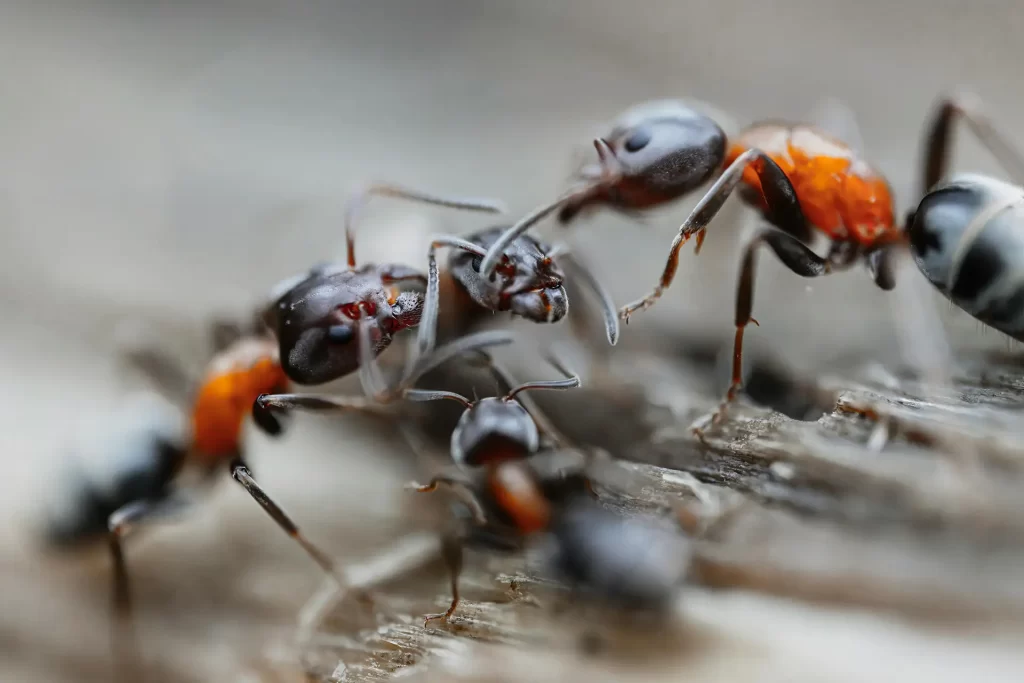
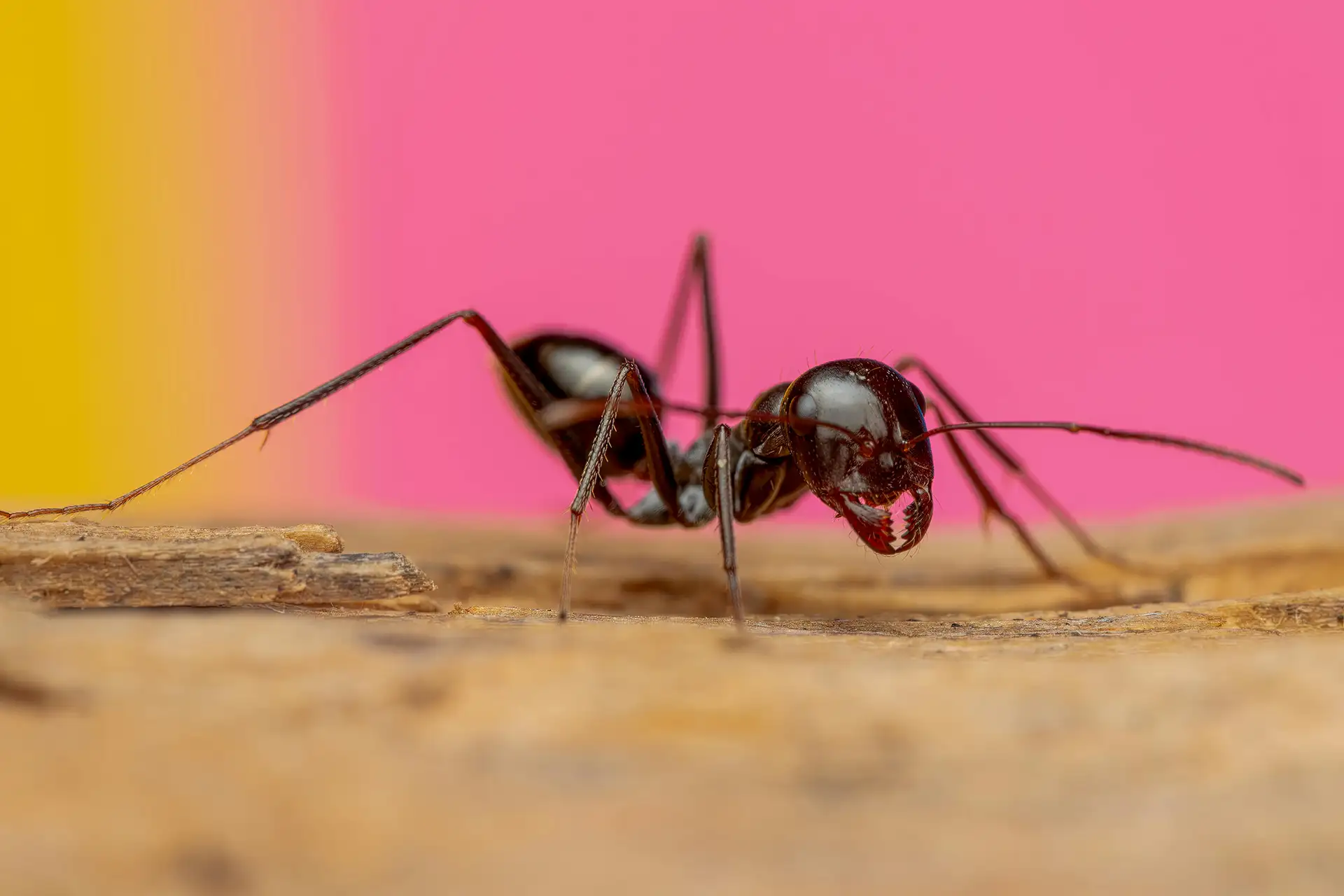
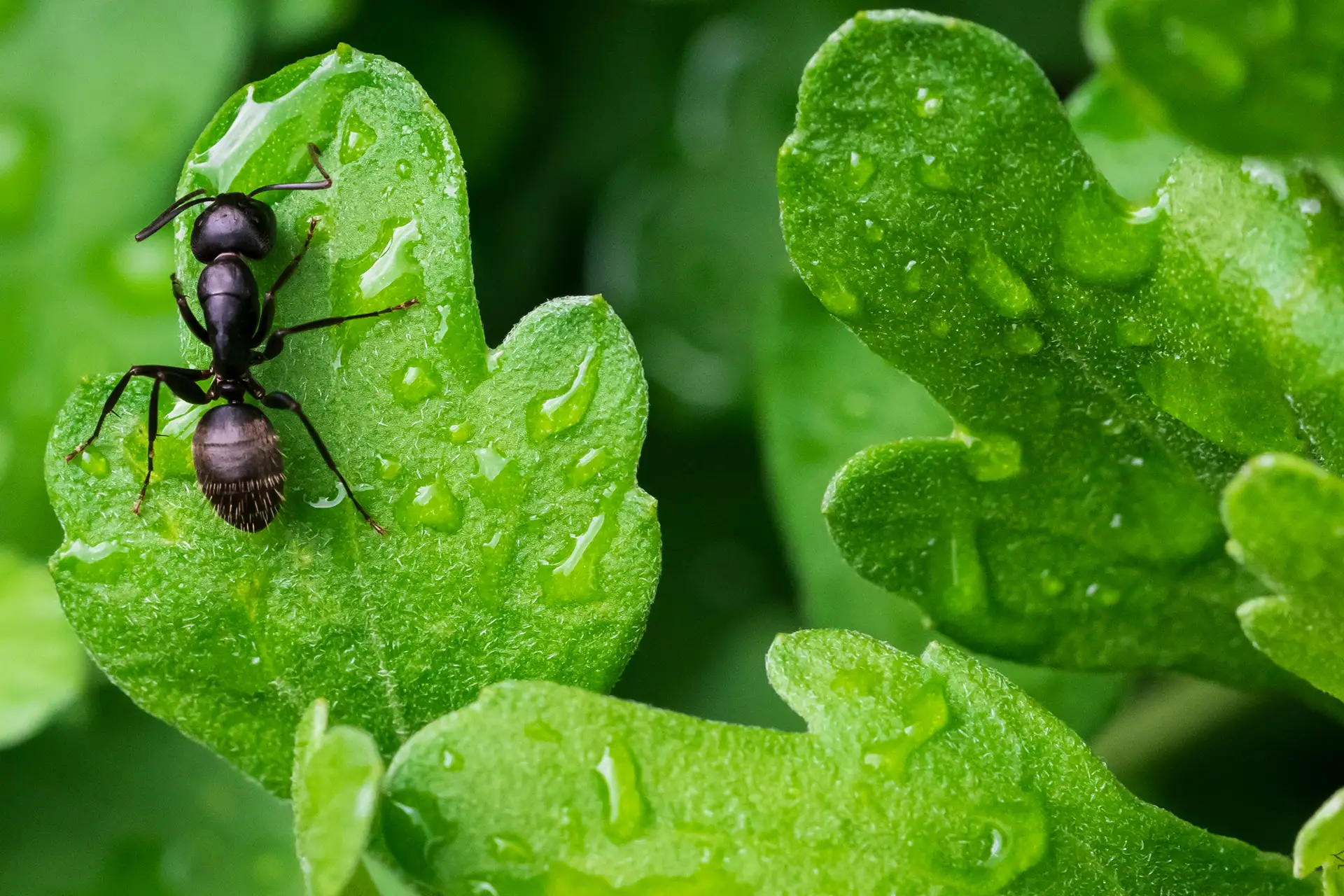
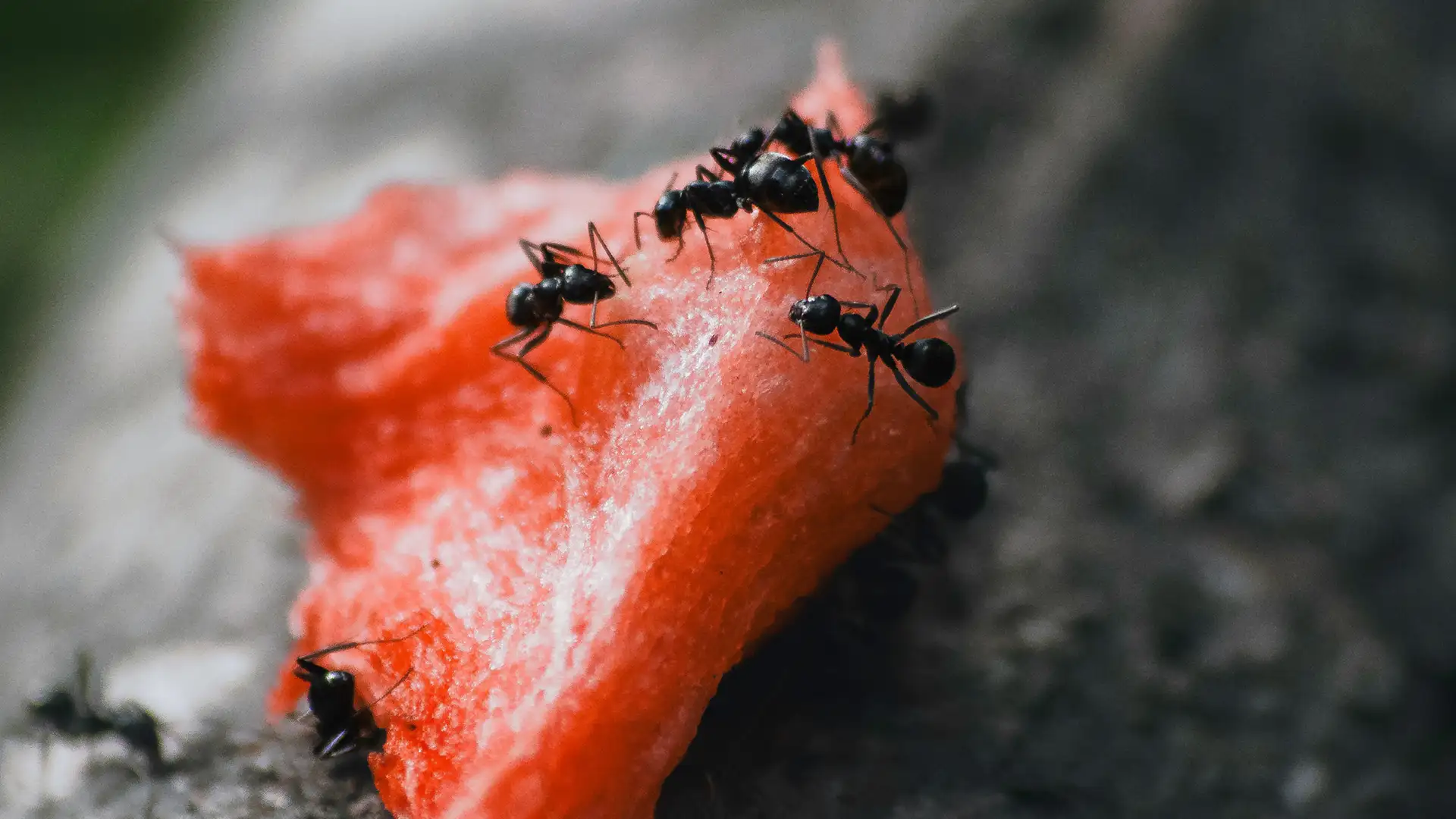
One of the earliest spring pest problems homeowners encounter is ant activity.
As colonies become active, worker ants begin searching for food and moisture. Kitchens, bathrooms, laundry rooms, and pantries frequently become targets because they provide easy access to both.
The challenge is that visible ants rarely represent the full problem.
Most ant infestations begin long before homeowners notice activity indoors. By the time ants are consistently appearing inside, a much larger colony is often already established nearby.
This is why early intervention is so important during spring.
Wasps Begin Building Nests Earlier Than Many Homeowners Realize
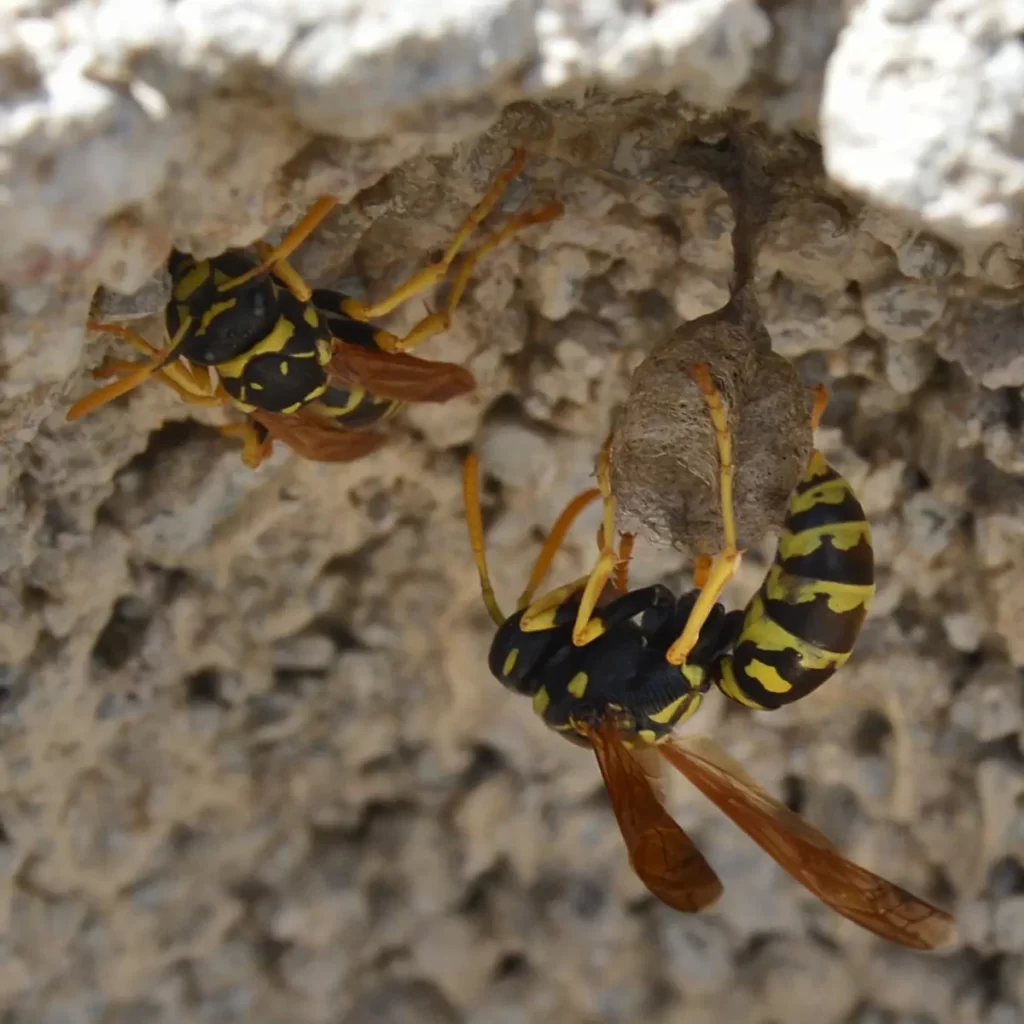
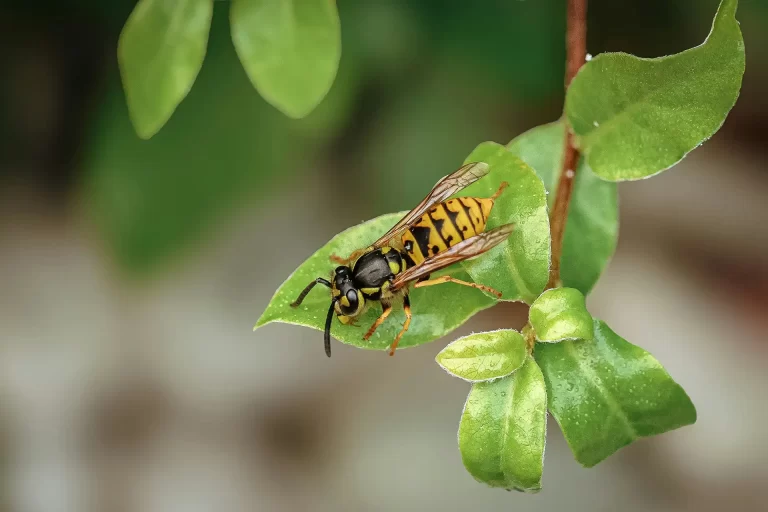
While ants are often the first pests noticed indoors, wasps are among the first pests becoming active outdoors.
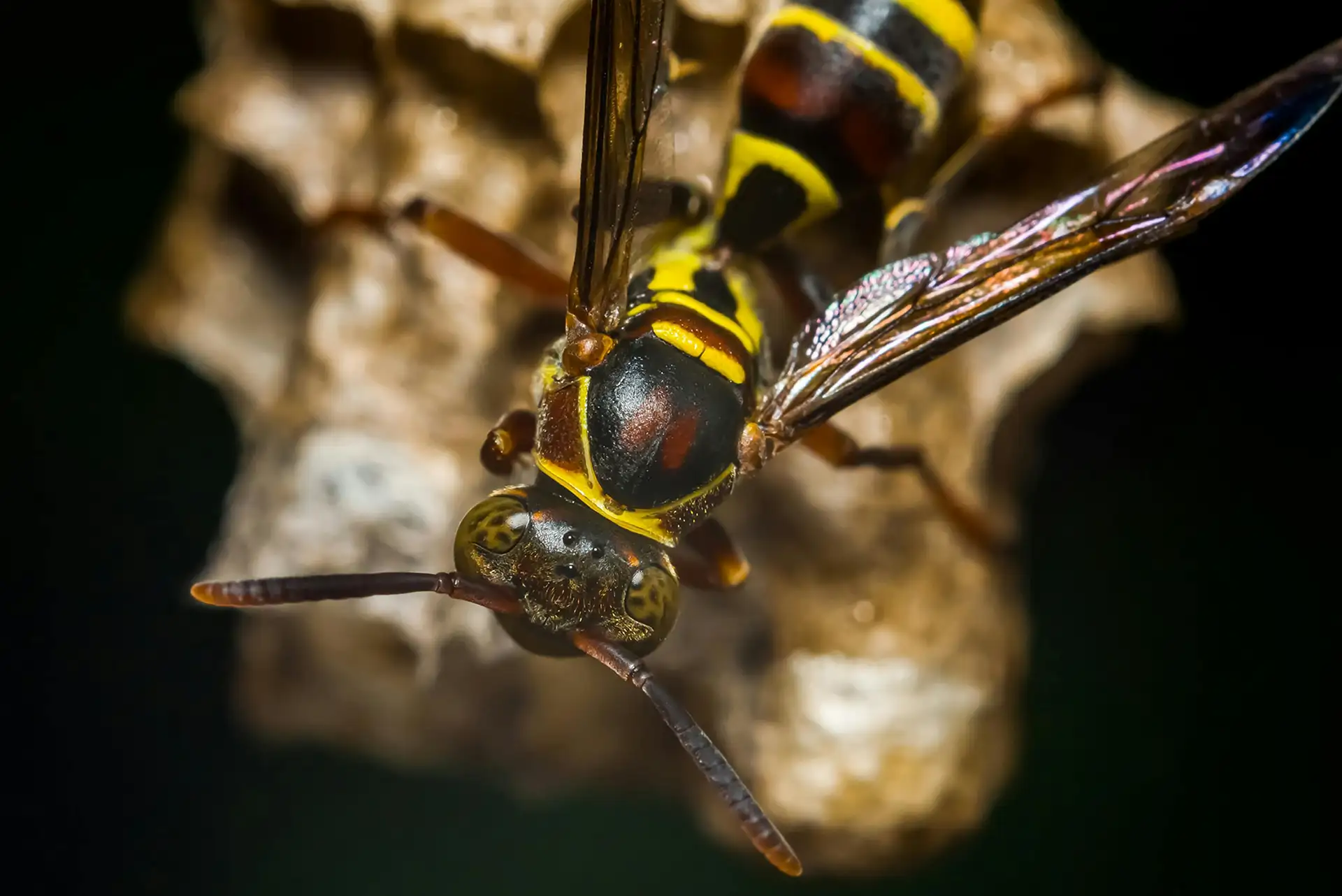
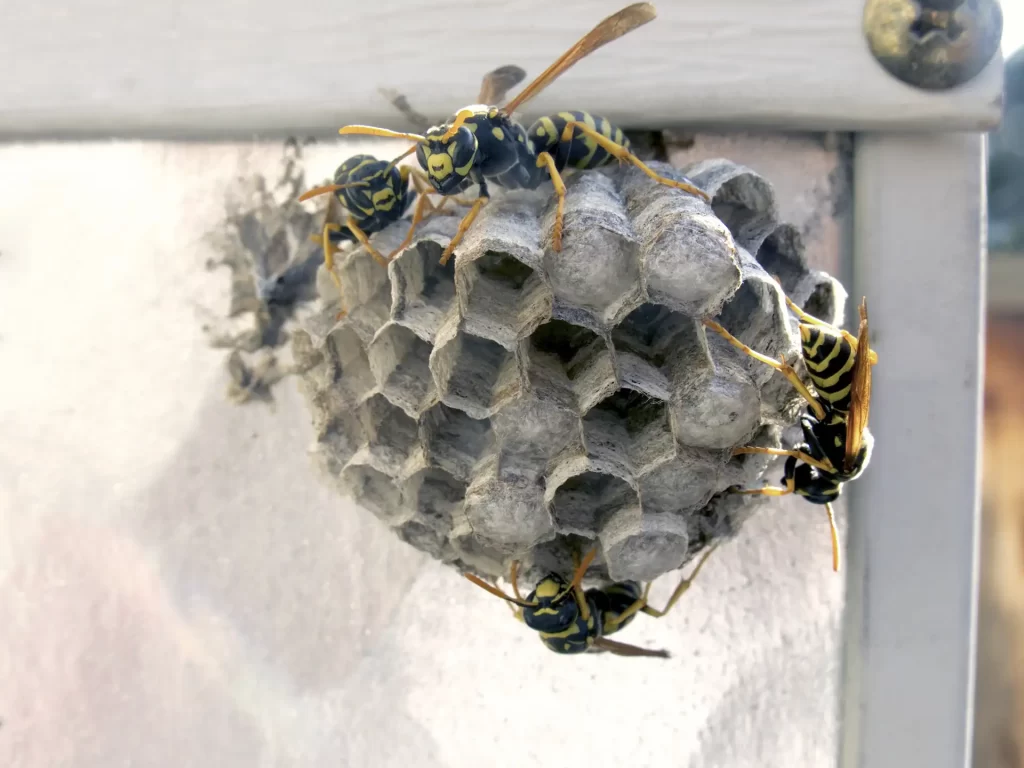
During spring, overwintering queens emerge and begin searching for protected locations where they can establish new colonies.
- Rooflines
- Eaves
- Soffits
- Decks
- Sheds
- Patio covers
Many homeowners don’t discover wasp nests until summer, but colony development often begins weeks or even months earlier.
Identifying activity during spring can significantly reduce the likelihood of dealing with larger and more aggressive colonies later in the season.
Why Spiders Become More Noticeable
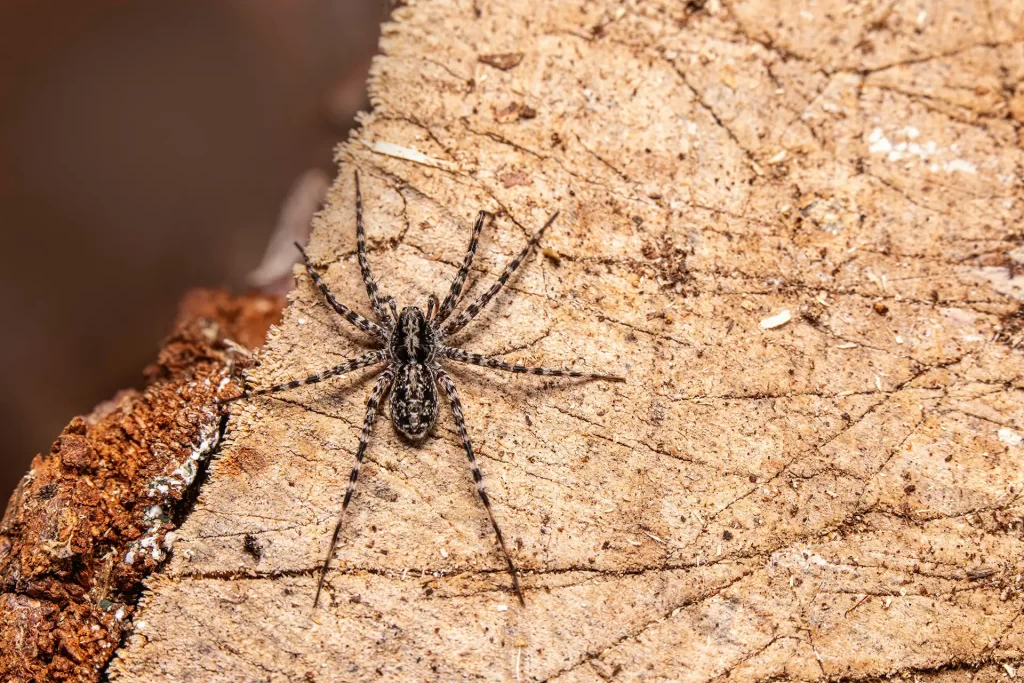
Spiders tend to become more visible during spring, but not necessarily because spider populations are suddenly exploding.
More often, spiders are following their food source.
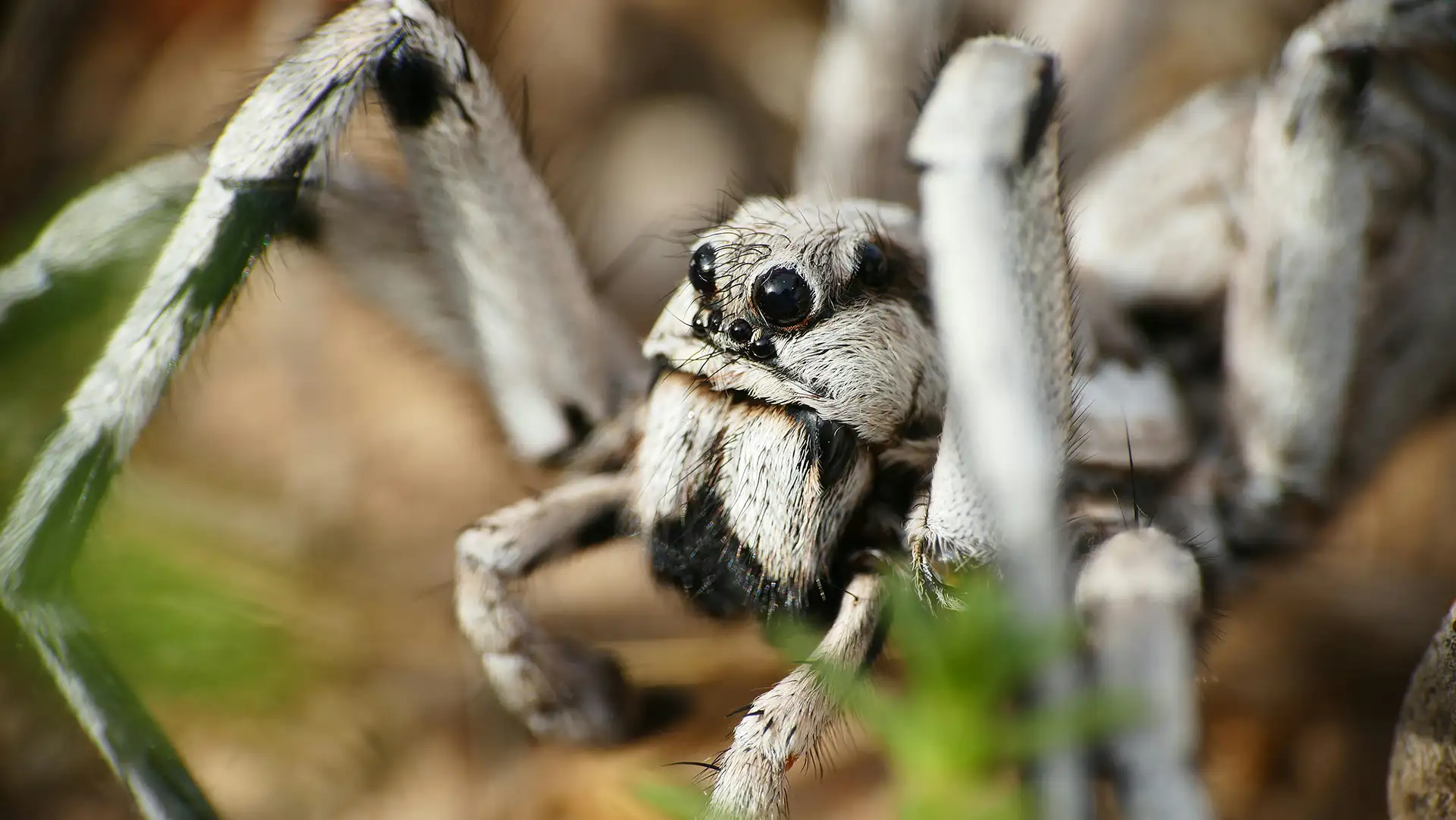
As insect activity increases around homes, spiders become more active as they hunt for prey. This often leads to more sightings in garages, basements, crawl spaces, window wells, and indoor living areas.
While occasional spider sightings are normal, increasing activity can indicate broader pest issues around the property.
Rodents Don't Always Leave After Winter
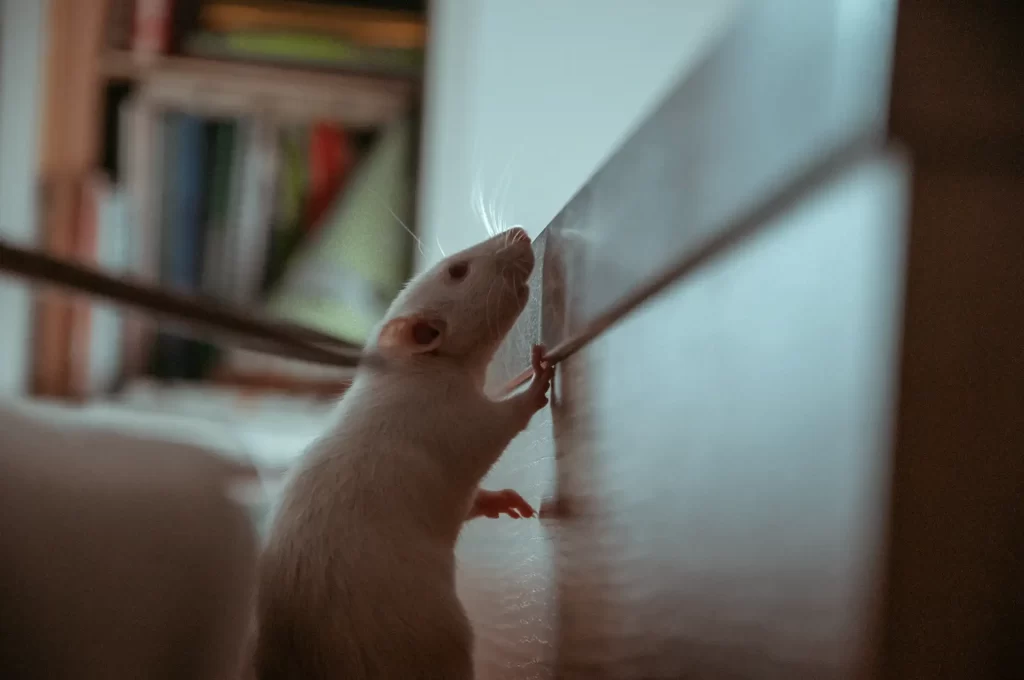
Many homeowners assume mice and rats move back outdoors once temperatures rise.
In reality, rodents that entered during winter often remain hidden inside homes long after spring arrives.
- Attics
- Wall voids
- Crawl spaces
- Garages
- Storage areas
If rodents have already established nesting areas indoors, activity may continue throughout spring and summer unless the infestation is addressed.
How to Prevent Spring Pest Problems
The best way to avoid major infestations is to address conditions that attract pests before populations begin growing.
-
Seal Entry Points
- Foundation cracks
- Utility penetrations
- Door gaps
- Damaged screens
Reducing access points makes it harder for pests to enter.
-
Maintain Indoor Cleanliness
Food and moisture attract many common pests.
- Cleaning spills quickly
- Storing food properly
- Removing crumbs
- Addressing plumbing leaks
-
Keep Landscaping Maintained
Overgrown vegetation often provides shelter for insects and rodents.
Regular trimming and cleanup can help reduce pest-friendly environments around the home.
-
Eliminate Excess Moisture
Many pests are drawn to damp environments.
- Leaking faucets
- Poor drainage
- Standing water
- Irrigation issues
Reducing moisture can make your property less attractive to a variety of pests.
Why Early Prevention Matters
One of the most common mistakes homeowners make is waiting until pest activity becomes severe before taking action.
Unfortunately, pests rarely stay at low population levels for long.
- Larger infestations
- Property damage
- Recurring pest activity
- More expensive treatment needs later in the season
Addressing issues early is almost always easier than trying to eliminate a well-established infestation.
What Provo Homeowners Should Do Next
If you’ve started noticing ants, wasps, spiders, or rodents around your home this spring, now is the ideal time to respond.
The earlier pest activity is identified and addressed, the easier it typically is to prevent larger problems throughout the summer.
Small warning signs today can become much bigger infestations if ignored.
Learn about Utah Pests
See our pest library to learn more about ants, wasps, spiders, rodents, and other species of pests in Utah.
Stop Wasp Problems Before Summer Arrives
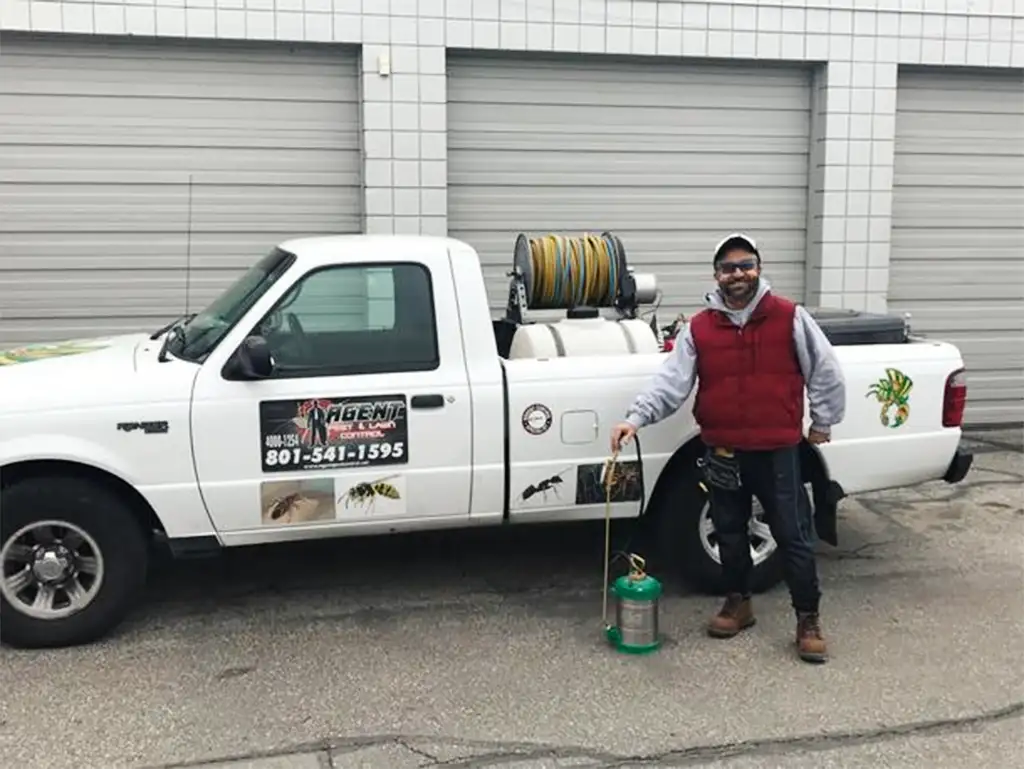
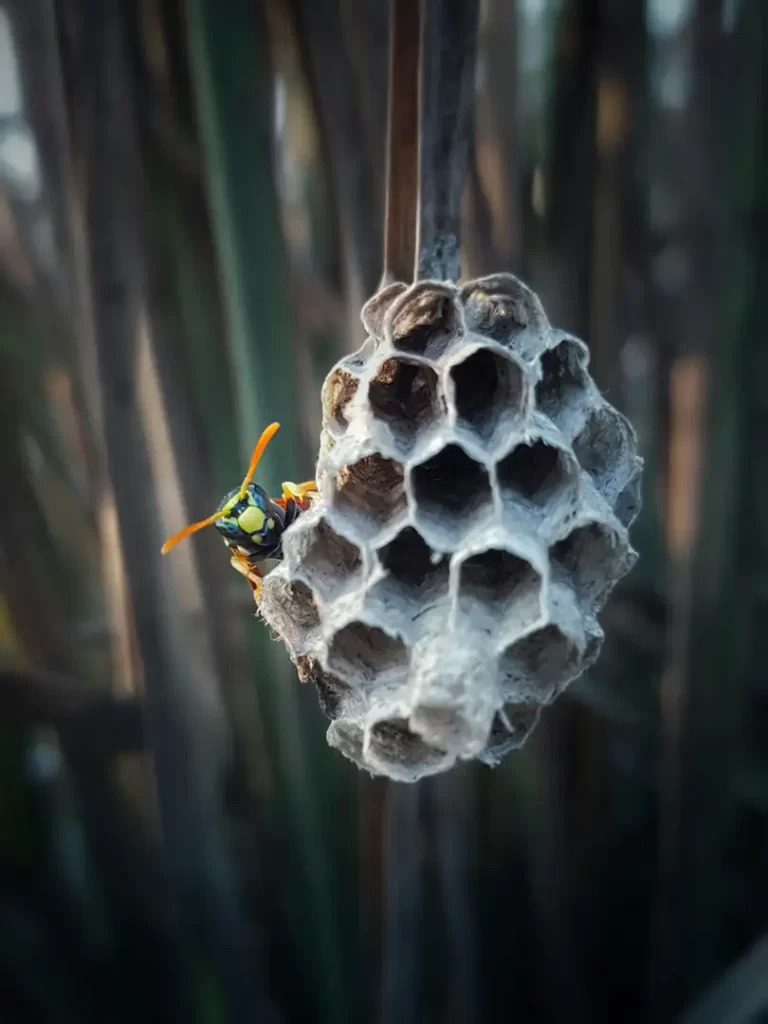
Many of the wasp problems homeowners deal with in July and August actually begin during spring. Early-season wasp activity often means queens are already searching for nesting locations around your property.
At Agent Pest Control, we help Provo homeowners:
- Identify wasp activity early
- Eliminate developing colonies
- Prevent nests from becoming larger
Common Questions
Ants, wasps, spiders, and rodents are among the most common pests homeowners encounter during spring in Provo.
Warmer temperatures, increased food availability, and seasonal breeding cycles cause many pest populations to become more active during spring.
Early spring is generally the best time to begin preventative pest control before infestations become established.
Yes. Spring is when overwintering queens emerge and begin building new nests around homes and outdoor structures.
Not usually. Once rodents establish nesting areas inside a home, they often remain active throughout spring and summer unless the infestation is addressed.