Why Spiders Seem to Appear Out of Nowhere
You walk into the basement and spot a spider crawling along the wall. A few days later, there’s another one near a window. Then you notice a web in the corner of the garage.
It’s a common experience for homeowners, and it often leads to the same question:
“Why do I keep seeing spiders in my house?”
The answer is usually simpler than people think. Spiders rarely appear out of nowhere. In most cases, they’ve been living nearby all along.
Spiders are masters of staying hidden. They prefer quiet areas with limited disturbance, easy access to food, and plenty of places to shelter. Most homeowners only begin noticing them when their activity increases or when growing insect populations encourage spiders to venture into more visible areas of the home.
Why Spiders Are So Good at Staying Hidden
Unlike many pests, spiders don’t need large nesting areas or constant access to food.
A small crack, a dark corner, or a storage area that rarely gets disturbed can provide everything they need.
Many spider species spend most of their lives avoiding human activity. They remain hidden during the day and become more active when conditions are favorable.
As a result, homeowners may have dozens of spiders around the property without realizing it.
The spiders aren’t necessarily new—they’re simply becoming more visible.
The Most Common Places Spiders Hide
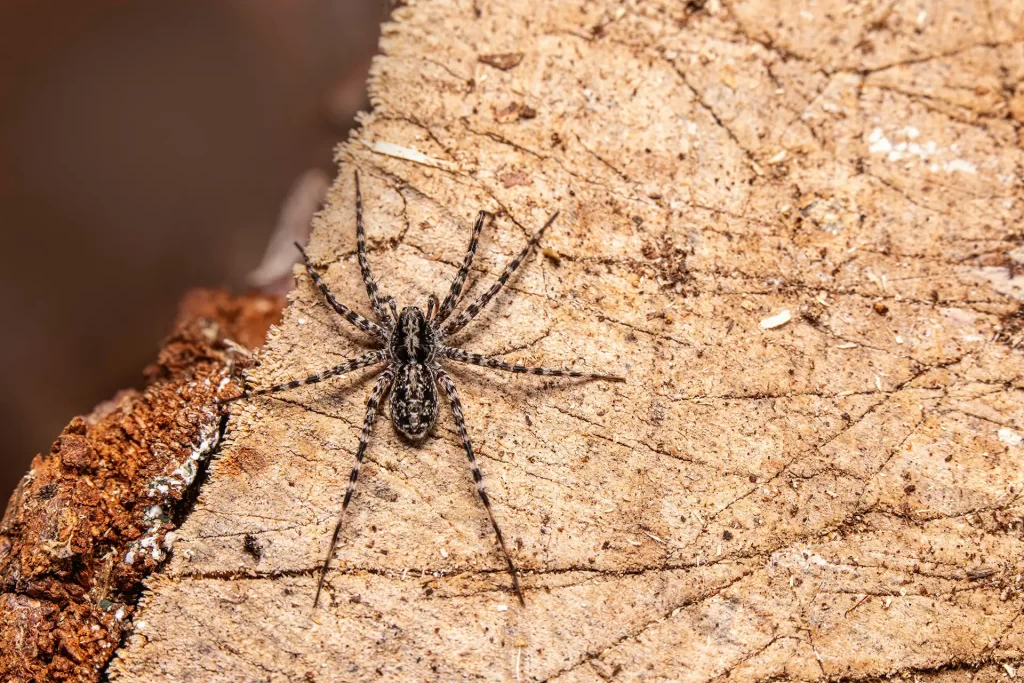
Spiders tend to settle wherever they can find shelter and a steady supply of insects.
Some of the most common hiding spots include:
-
Basements
Basements provide ideal conditions for spiders.
- Dark
- Quiet
- Undisturbed
- More humid than other parts of the home
Because insects frequently find their way into basements, spiders often establish themselves nearby.
-
Garages
Garages are one of the most overlooked spider hotspots.
Boxes, storage bins, tools, and shelving create countless hiding places while doors opening and closing allow insects to enter throughout the day.
It’s common for homeowners to discover webs tucked behind stored items or in ceiling corners.
-
Behind Furniture and Appliances
Spiders prefer locations that receive little foot traffic.
Behind refrigerators, washing machines, couches, and entertainment centers, they can remain hidden for extended periods while continuing to hunt insects that wander nearby.
-
Closets and Storage Areas
- Darkness
- Minimal disturbance
- Consistent temperatures
Seasonal decorations, cardboard boxes, and stored belongings can create excellent hiding locations.
-
Crawl Spaces and Attics
Some of the largest spider populations around a property are found in areas homeowners rarely visit.
- Limited human activity
- Protection from predators
- Access to insects entering the structure
These locations frequently serve as long-term harborage areas for spiders.
-
Window Wells and Entry Points
Many spiders establish themselves near the places insects enter.
Window wells, door frames, vents, and exterior lighting all attract insects, making them natural hunting grounds.
Spiders often build webs nearby or use these locations as staging areas before moving indoors.

Why You're Seeing More Spiders During Spring
Many homeowners notice a sudden increase in spider activity once temperatures begin warming.
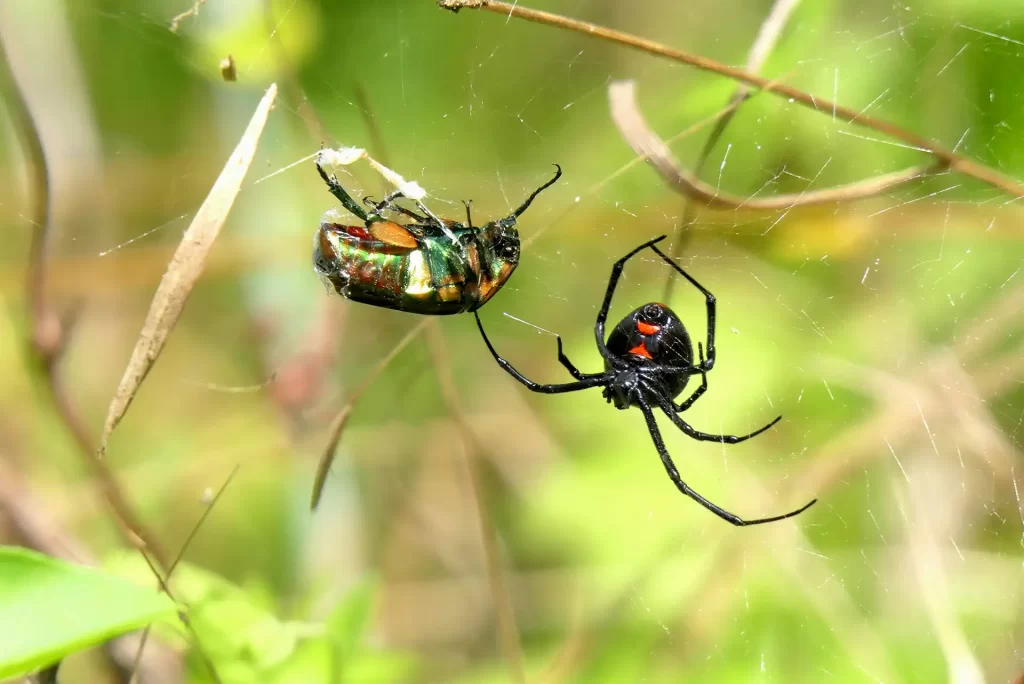
The reason usually isn’t the spiders themselves—it’s their food supply.
- Insect populations increase
- Ants become active
- Flying insects emerge
- Outdoor pest activity expands
With more prey available, spiders become more active as well.
This is one reason homeowners often wonder why they’re seeing more spiders in their home this spring. In many cases, spiders are simply following other pests that have already become established around the property.
Learn about Utah Spiders
See our pest library for the different species of spiders in Utah and how to identify them.
Are Spiders a Sign of Other Pest Problems?
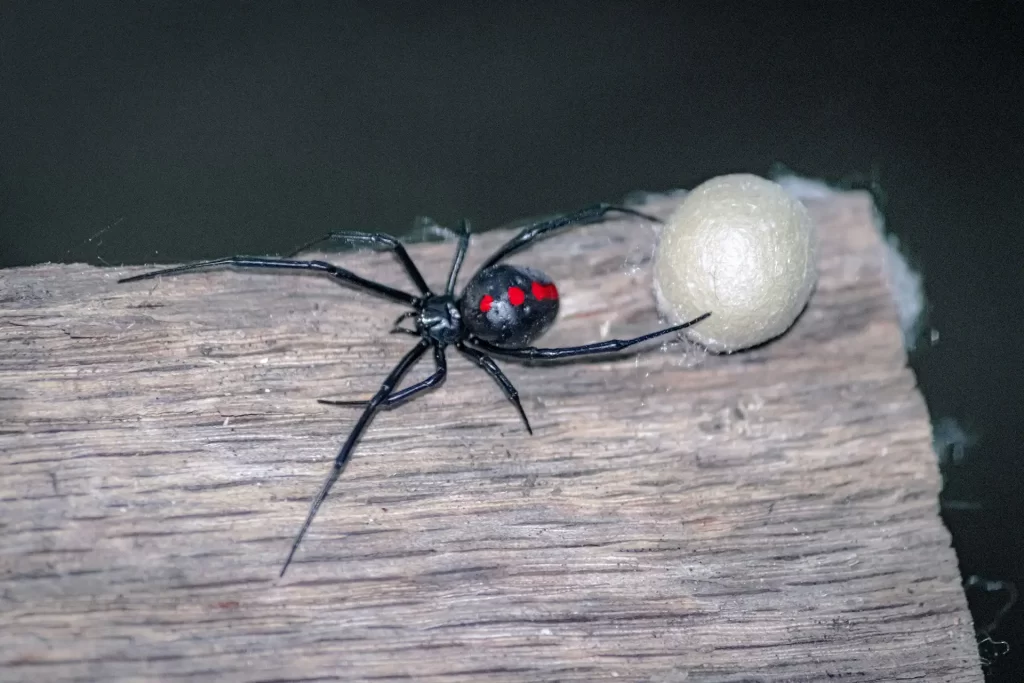
Very often, yes.
Spiders are predators. They go where food is available.
- An active insect population
- Hidden entry points
- Excess moisture
- Conditions that attract multiple pest species
This is why spider problems are frequently connected to larger pest issues.
Addressing the spiders alone may not fully solve the problem if the insects attracting them remain active.
When Spider Activity Becomes a Problem
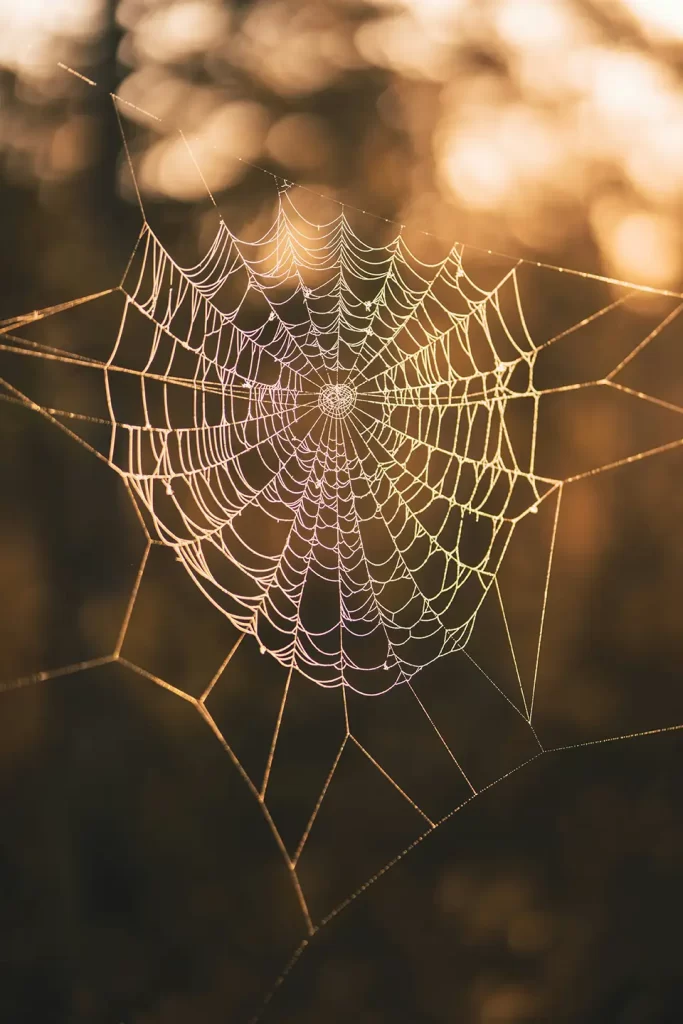
Finding an occasional spider indoors is normal.
However, increased sightings can indicate conditions that deserve attention.
- New webs appear regularly
- Spider sightings are becoming more frequent
- Activity is occurring in multiple rooms
- Large spiders are appearing indoors
- Spiders continue returning after removal
These signs often suggest that favorable conditions exist somewhere around the home.
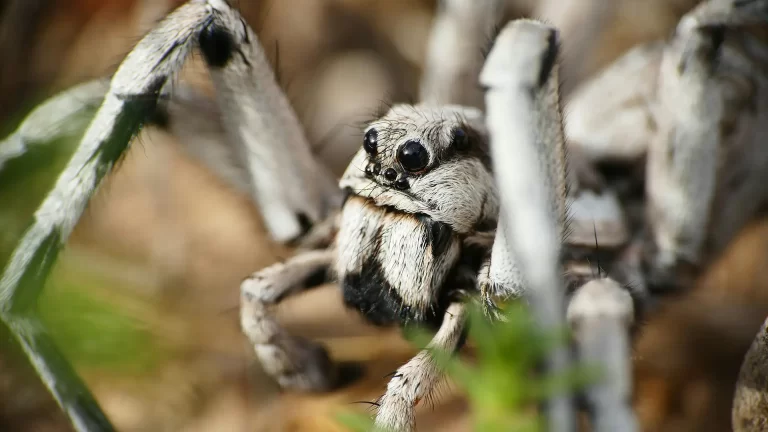
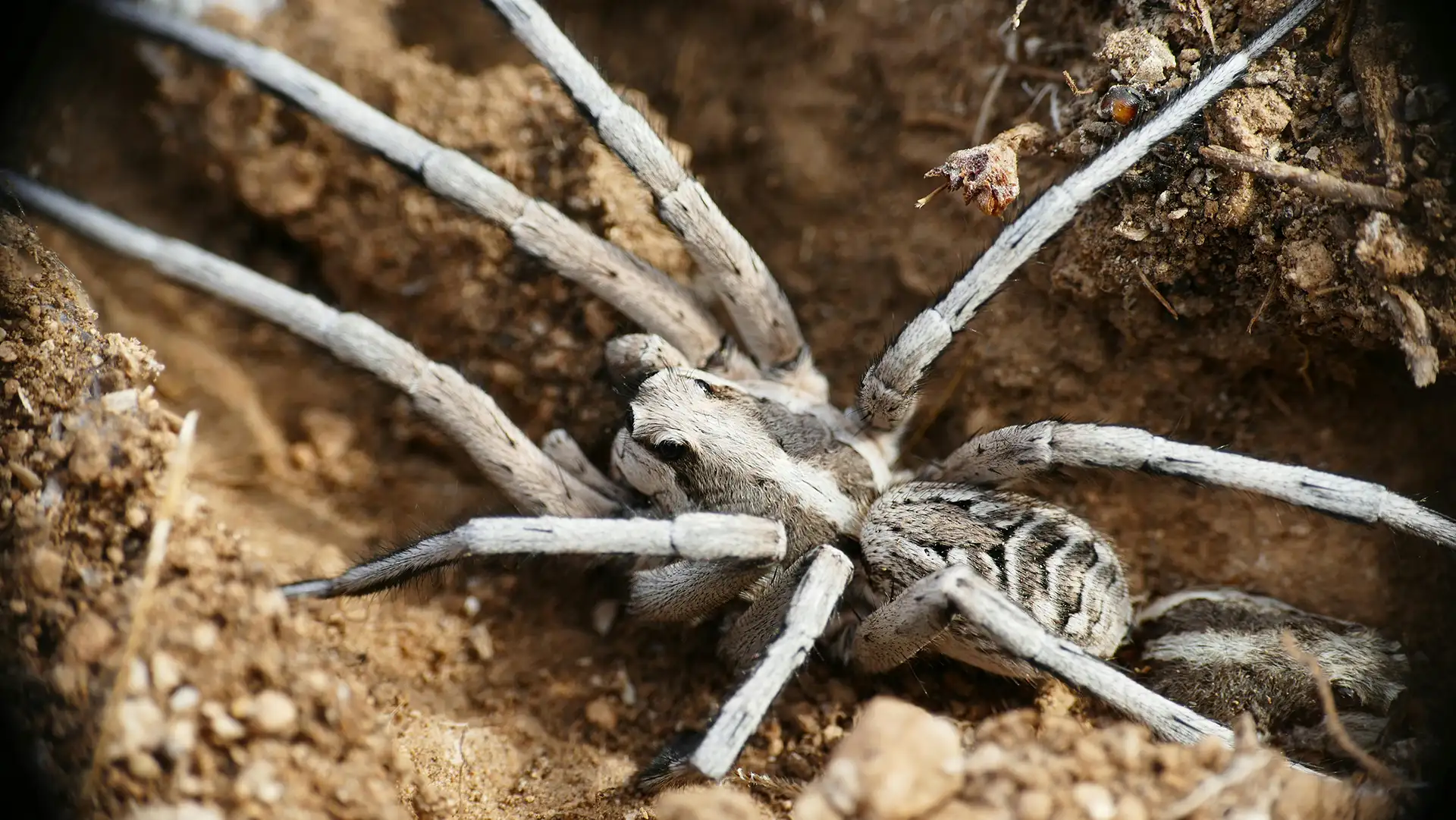
If large spiders are becoming a common sight around your home, you may be wondering are wolf spiders dangerous and whether they pose a threat to your family or pets.
How to Reduce Spider Activity
The most effective spider prevention strategies focus on reducing both spiders and the conditions that attract them.
-
Reduce Other Pest Activity
Since spiders rely on insects for food, reducing insect populations often leads to fewer spiders.
-
Seal Entry Points
- Foundation cracks
- Door gaps
- Window openings
- Utility penetrations
Reducing the entry points spiders use helps limit both insects and spiders.
-
Eliminate Clutter
Storage areas with excessive clutter provide countless hiding places.
Keeping these spaces organized can reduce harborage opportunities.
-
Control Moisture
Repair leaks and address damp areas that attract insects and other pests.
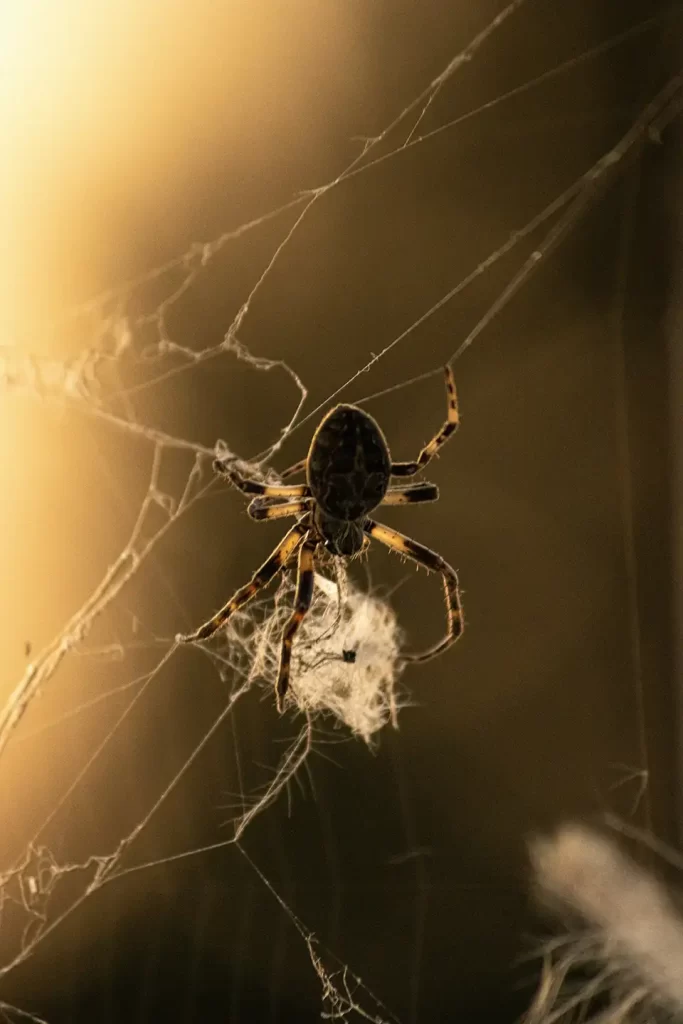
When Should You Call a Professional?
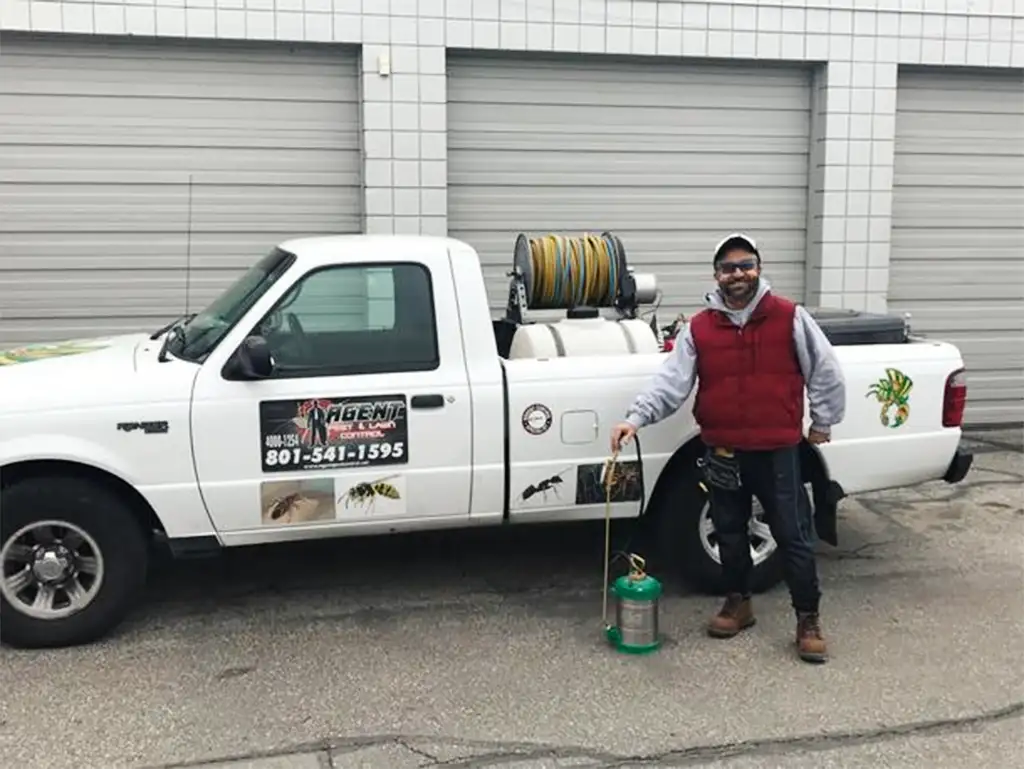
If spider sightings continue increasing despite your efforts, the problem may extend beyond the spiders themselves.
Professional treatment can help:
- Reduce active spider populations
- Identify conditions attracting spiders
- Eliminate insect food sources
- Create a protective barrier around your home
The goal isn’t simply removing the spiders you see today—it’s addressing the conditions that allow them to keep returning.
Common Questions
Spiders commonly hide in basements, garages, closets, crawl spaces, attics, behind furniture, and other low-traffic areas.
Increased spider activity is often linked to growing insect populations, seasonal changes, or favorable indoor conditions.
Often, yes. Spiders feed on insects, so recurring spider activity may indicate that other pests are present around the home.
Spring brings an increase in insect activity, providing spiders with more food and encouraging them to become more active.
Reducing insect populations, sealing entry points, eliminating clutter, and maintaining preventative pest control are some of the most effective strategies.
Stop Spider Problems at the Source
If you’re constantly finding spiders around your home, there’s usually a reason they’re choosing to stay. Addressing the conditions that attract spiders is often the most effective way to reduce activity and prevent future problems.