An "Uptick" in Sightings
If it feels like you’re hearing more about ticks this year, you’re not imagining it.
Across the country, homeowners, hikers, pet owners, and outdoor enthusiasts are reporting increased tick encounters. Whether you’re spending time in your backyard, walking the family dog, or enjoying Utah’s trails and open spaces, ticks have become a growing concern as temperatures warm and outdoor activity increases.
While most people associate ticks with heavily wooded regions, they can also be found throughout Utah in grassy areas, overgrown vegetation, parks, trails, and residential properties that provide suitable habitat.
The good news is that understanding why tick activity increases—and knowing how to reduce your risk—can go a long way toward protecting your family and pets, and additionally reducing seasonal pests around Utah homes.
Why Tick Activity Seems Higher This Year
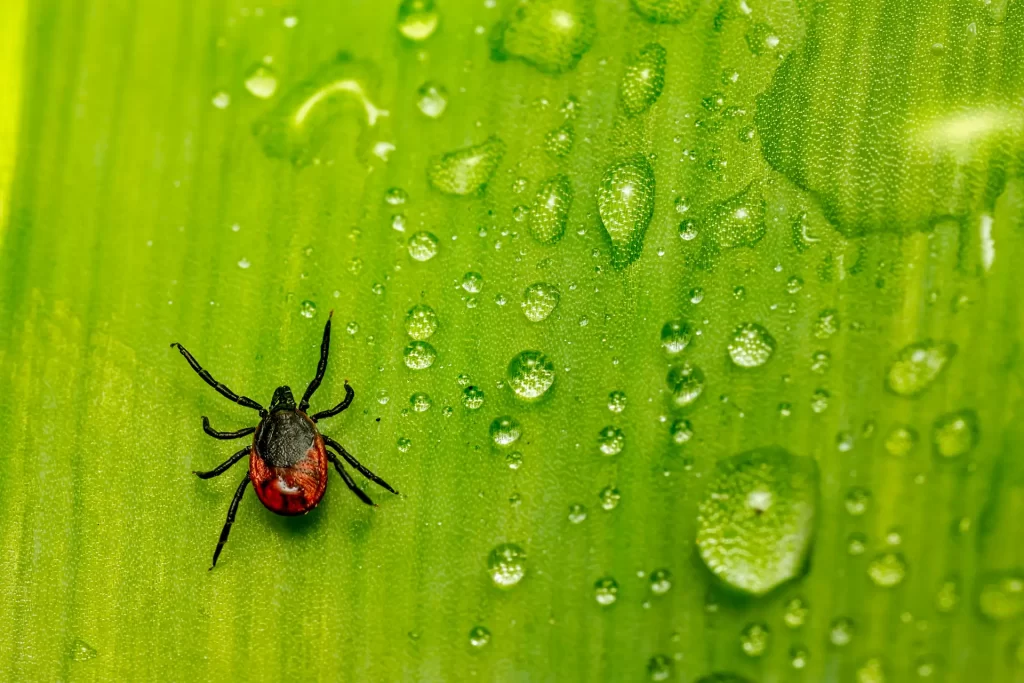
Tick populations naturally fluctuate from year to year based on environmental conditions.
- Mild winter temperatures that improve survival rates
- Eariler spring warmups
- Increased wildlife movement
- Expanding vegetation and ground cover
- More people spending time outdoors
When these conditions align, homeowners often notice more ticks on pets, around yards, and during outdoor recreation.
Even if tick populations aren’t dramatically higher than previous years, increased awareness often leads to more reported sightings.
Where Ticks Are Commonly Found in Utah
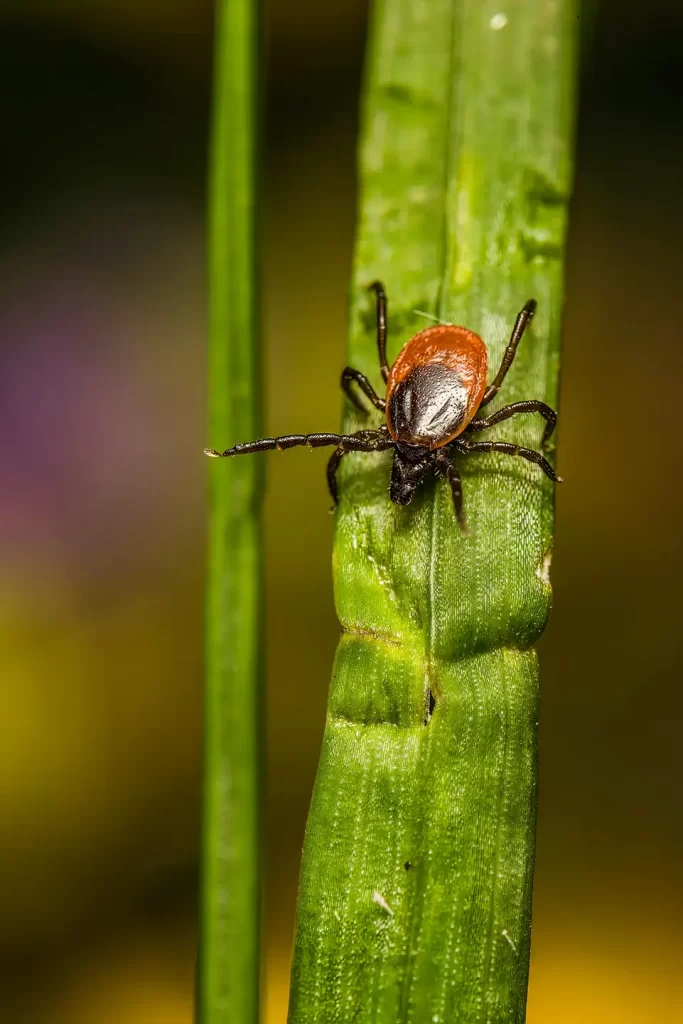
One of the biggest misconceptions about ticks is that they only live deep in forests.
In reality, ticks are often encountered much closer to home.
- Tall grass
- Brushy areas
- Overgrown landscaping
- Trail edges
- Parks and open spaces
- Areas frequented by deer and other wildlife
- Untended portions of residential properties
Homes located near foothills, open fields, natural areas, and wildlife corridors may experience increased tick activity throughout spring and summer.
How Ticks Find People and Pets
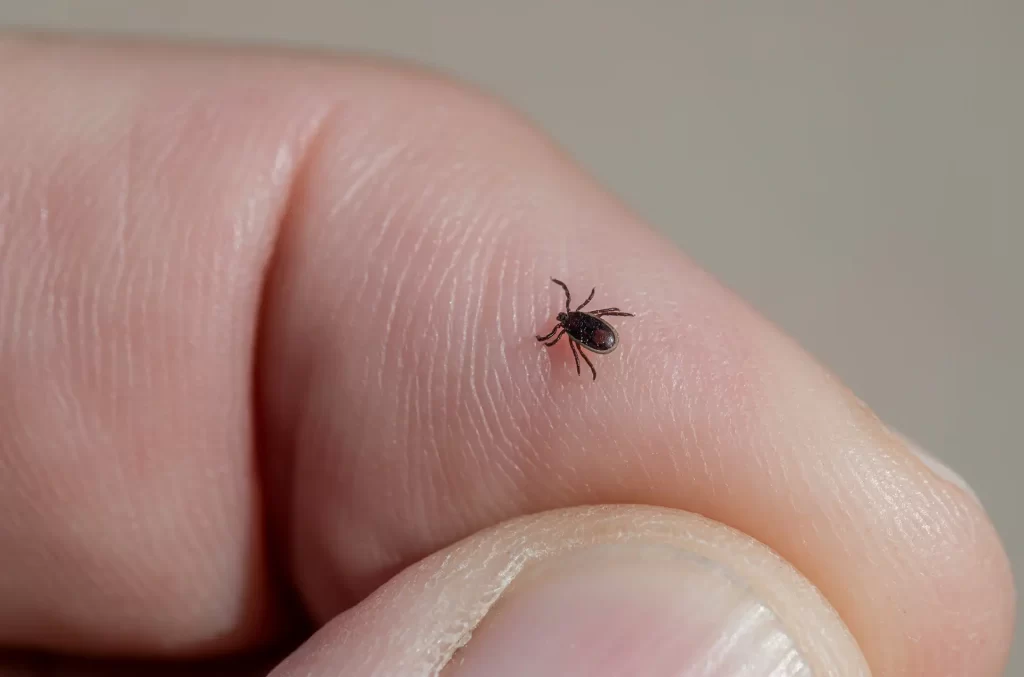
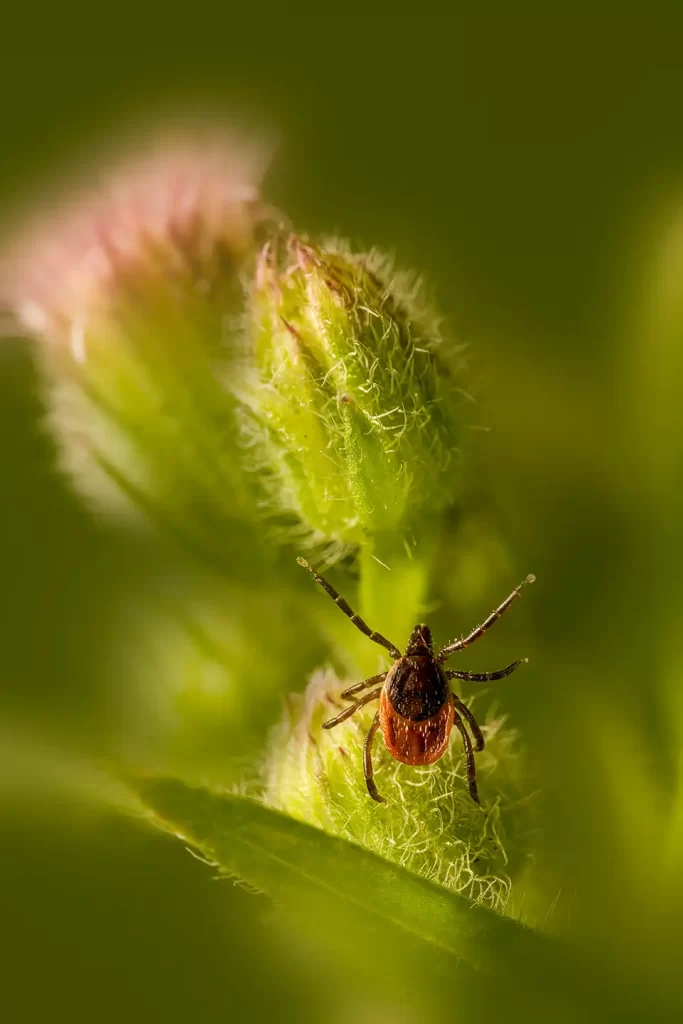
Unlike mosquitoes, ticks don’t fly or jump. Instead, they use a behavior called “questing.”
Ticks climb onto vegetation and wait with their front legs extended, ready to latch onto passing animals or people.
- Walking through tall grass
- Gardening
- Hiking
- Playing in unmanaged portions of a yard
- Spending time near brush and vegetation
Because ticks are small and often difficult to spot, many people don’t realize they’ve been exposed until later.
Why Tick Bites Matter
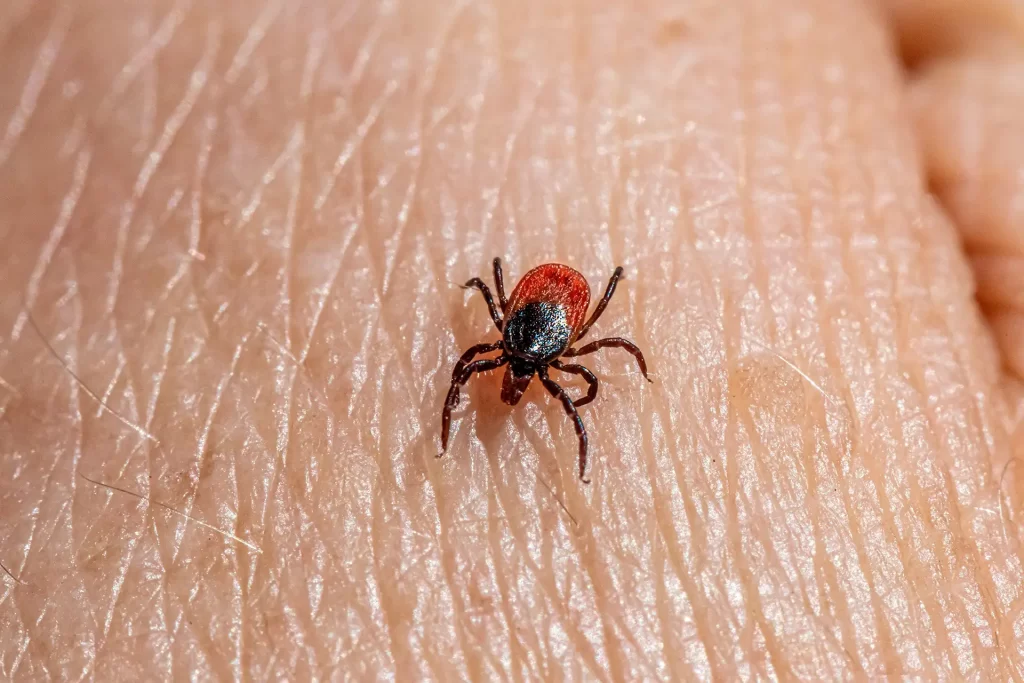
Many tick bites are harmless, but they should never be ignored.
Ticks can remain attached for extended periods while feeding, increasing the importance of early detection and removal.
- Check clothing thoroughly
- Inspect pets
- Examine skin, especially hidden areas
- Shower soon after outdoor activities
The sooner a tick is discovered, the lower the likelihood of complications.
How to Reduce Tick Activity Around Your Home
Preventing ticks starts with making your property less attractive to them.
-
Maintain Your Landscaping
Ticks thrive in areas that provide shade and moisture.
- Mow regularly
- Trim overgrown vegetation
- Remove brush piles
- Clear excess ground cover
-
Create Separation Zones
Keeping a buffer between recreational areas and dense vegetation can help reduce tick encounters.
- Gravel borders
- Mulched transitions
- Clearly maintained lawn edges
-
Discourage Wildlife Activity
Wildlife often transports ticks onto residential properties.
- Accessible food sources
- Dense cover
- Unmanaged vegetation
Removing these attractants will help reduce wildlife activity around your property, and limit tick introductions.
-
Protect Pets
Pets frequently encounter ticks before humans do.
Use veterinarian-recommended prevention products and inspect pets after spending time outdoors.
When Tick Activity Becomes a Property Concern
A single tick encounter doesn’t necessarily indicate a major problem.
However, repeated sightings around the home may suggest that conditions are supporting ongoing tick activity.
Homeowners who regularly find ticks on pets, family members, or around outdoor living spaces may benefit from evaluating landscaping conditions and overall pest pressure around the property.
Learn about Utah Ticks
See our pest library for tips on how to identify and prevent ticks in Utah.
What Utah Homeowners Should Do Next
Tick activity is often easiest to manage before it becomes a recurring issue.
Taking preventative steps now can help reduce encounters throughout the rest of the season and create a safer outdoor environment for family members and pets.
If you’re already addressing common seasonal pests around your home, tick prevention should be part of your overall outdoor pest management strategy.
Protect Your Property From Seasonal Pest Activity

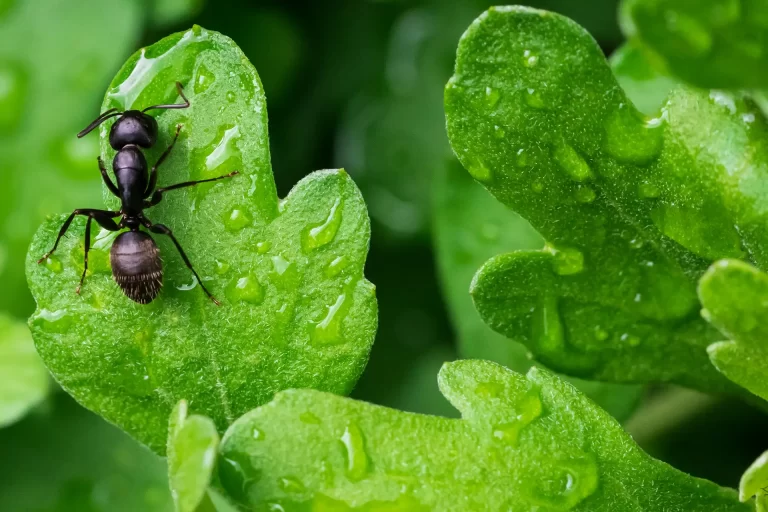
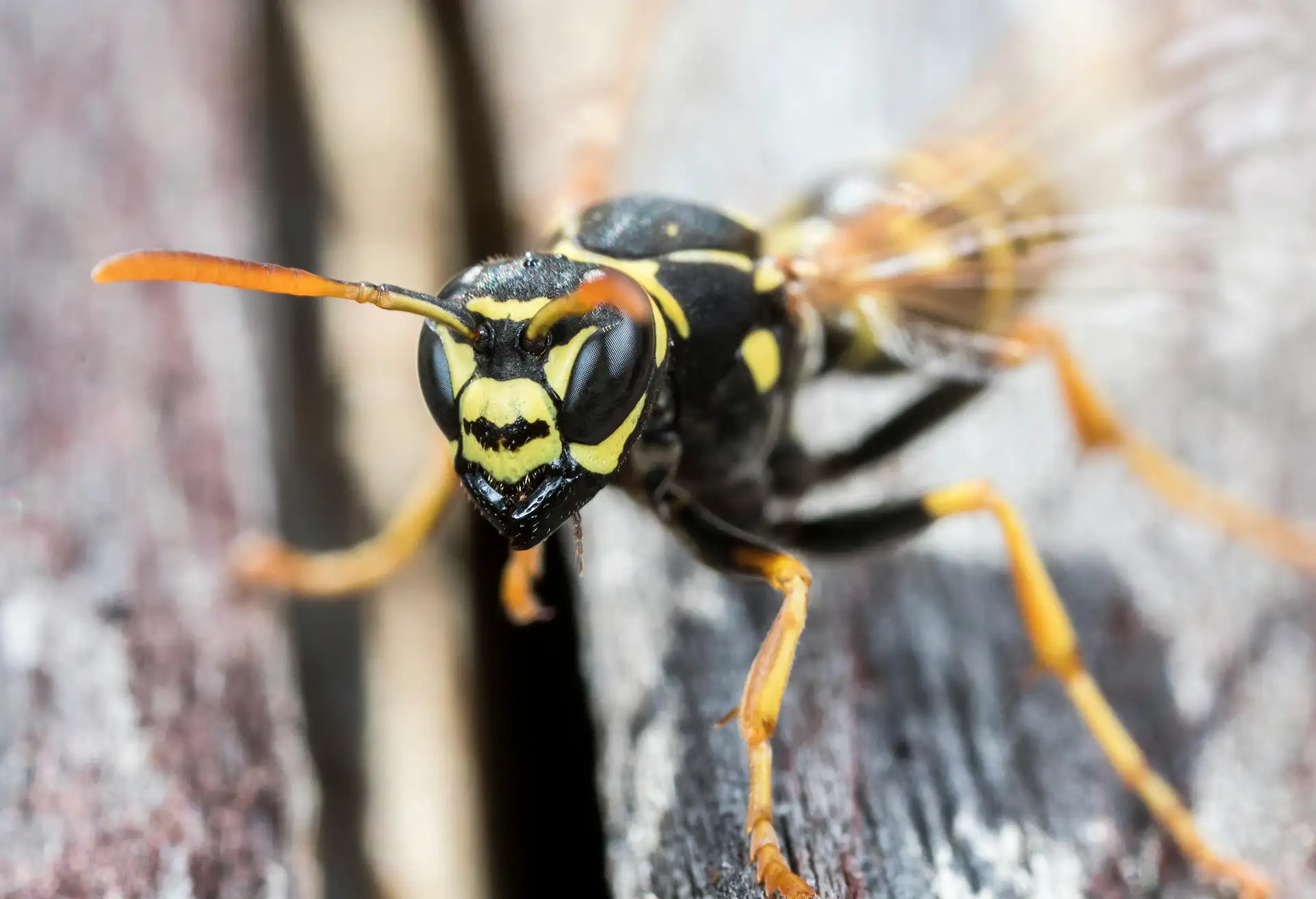
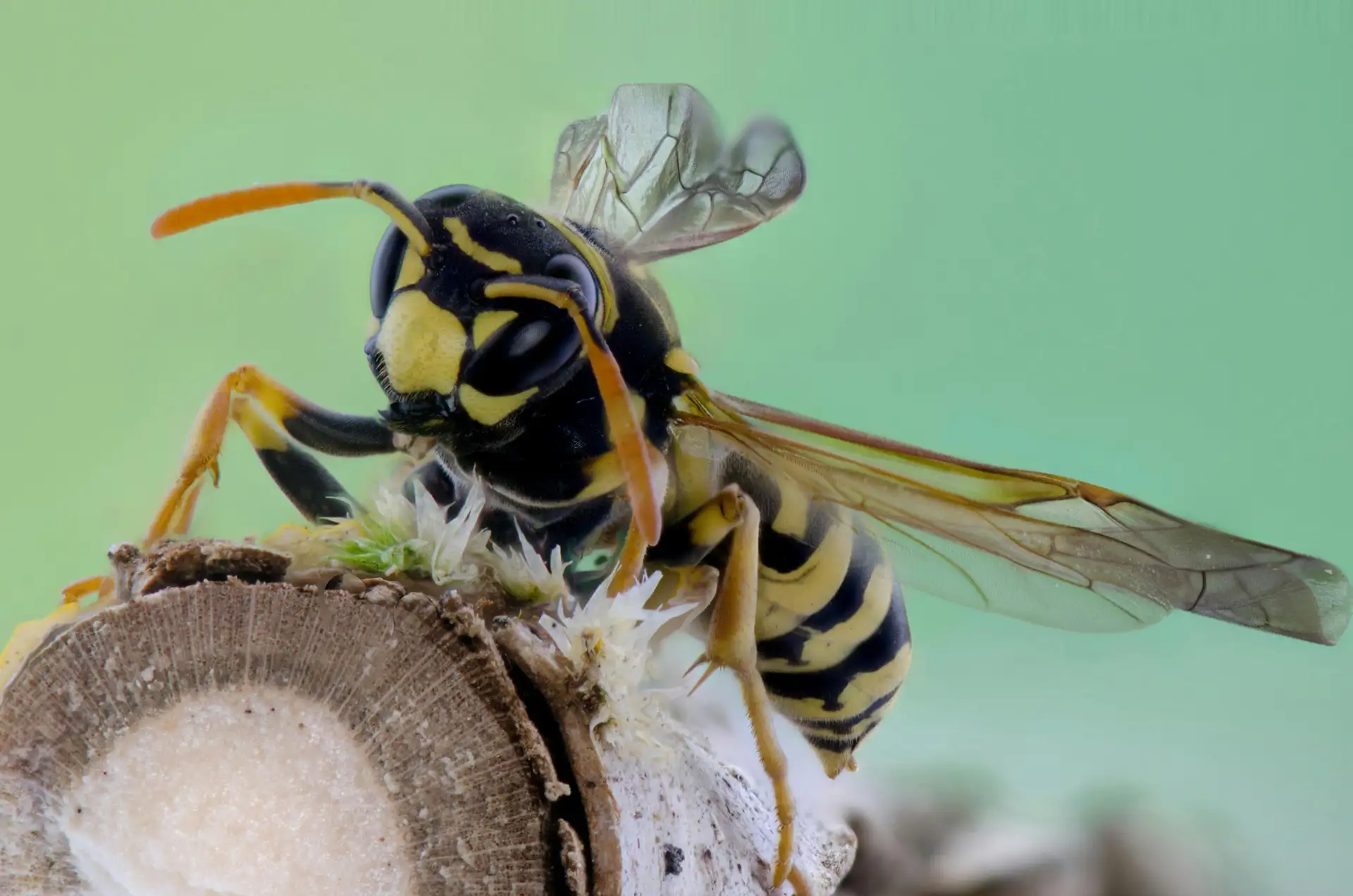
Many of the same conditions that attract ticks can also support ants, spiders, wasps, and other seasonal pests.
At Agent Pest Control, we help Utah homeowners identify pest-friendly conditions around their properties and create long-term solutions that reduce pest activity throughout the year.
Common Questions
Yes. While tick activity varies by location and season, ticks can be found throughout Utah, particularly in grassy, brushy, and wildlife-prone areas.
Tick activity generally increases during spring and summer when temperatures rise and outdoor activity increases.
Yes. Ticks can survive in yards that provide shade, moisture, tall grass, and access to wildlife hosts.
Many homeowners first discover ticks on pets, clothing, or after spending time outdoors. Repeated encounters often indicate suitable habitat nearby.
Maintaining landscaping, reducing overgrowth, discouraging wildlife activity, and keeping outdoor areas well maintained can help reduce tick habitat.