Dealing with Late Summer Pest Problems in Springville, Utah Homes
By the time late summer arrives, many homeowners in Springville have already been dealing with pests for months. What often begins as a few ants in the kitchen or occasional wasps in the yard can become much more noticeable as the season progresses.
Late summer is one of the busiest times of year for pest activity. Colonies have had months to grow, insect populations are at their peak, and many pests begin changing their behavior as they prepare for cooler weather.
If you’ve started noticing more activity around your home recently, you’re not imagining it. Late summer is often when pest problems become the hardest to ignore.
Why Pest Activity Peaks in Late Summer
Warm temperatures, mature colonies, and increased competition for food all contribute to higher pest activity this time of year.
- Insect populatios reach their highest levels
- Wasp colonies become fully established
- Ant colonies continue expanding
- Spiders follow growing insect populations
- Rodents begin scouting for reliable shelter before temperatures begin to cool
Wasps Become More Defensive
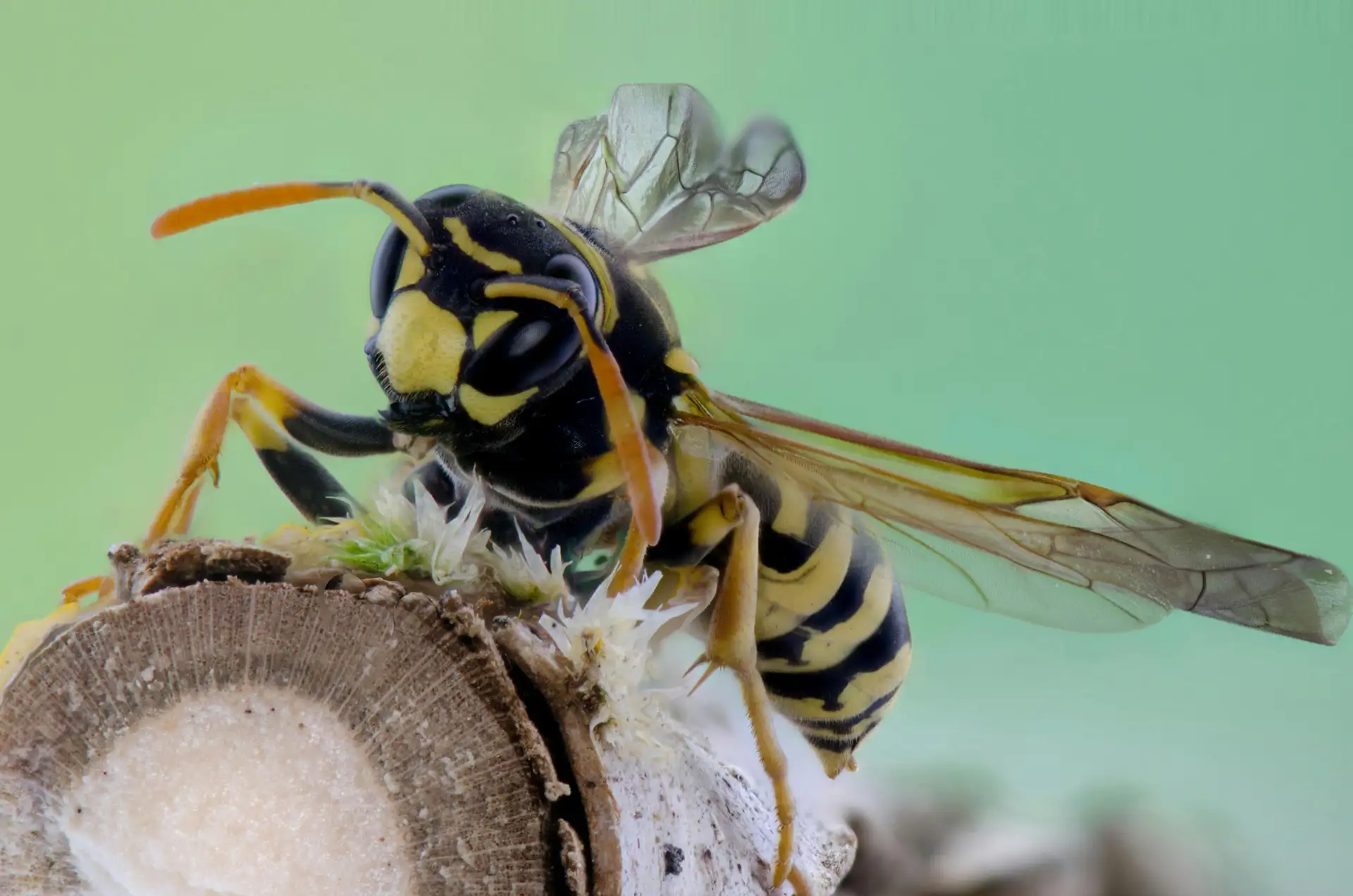
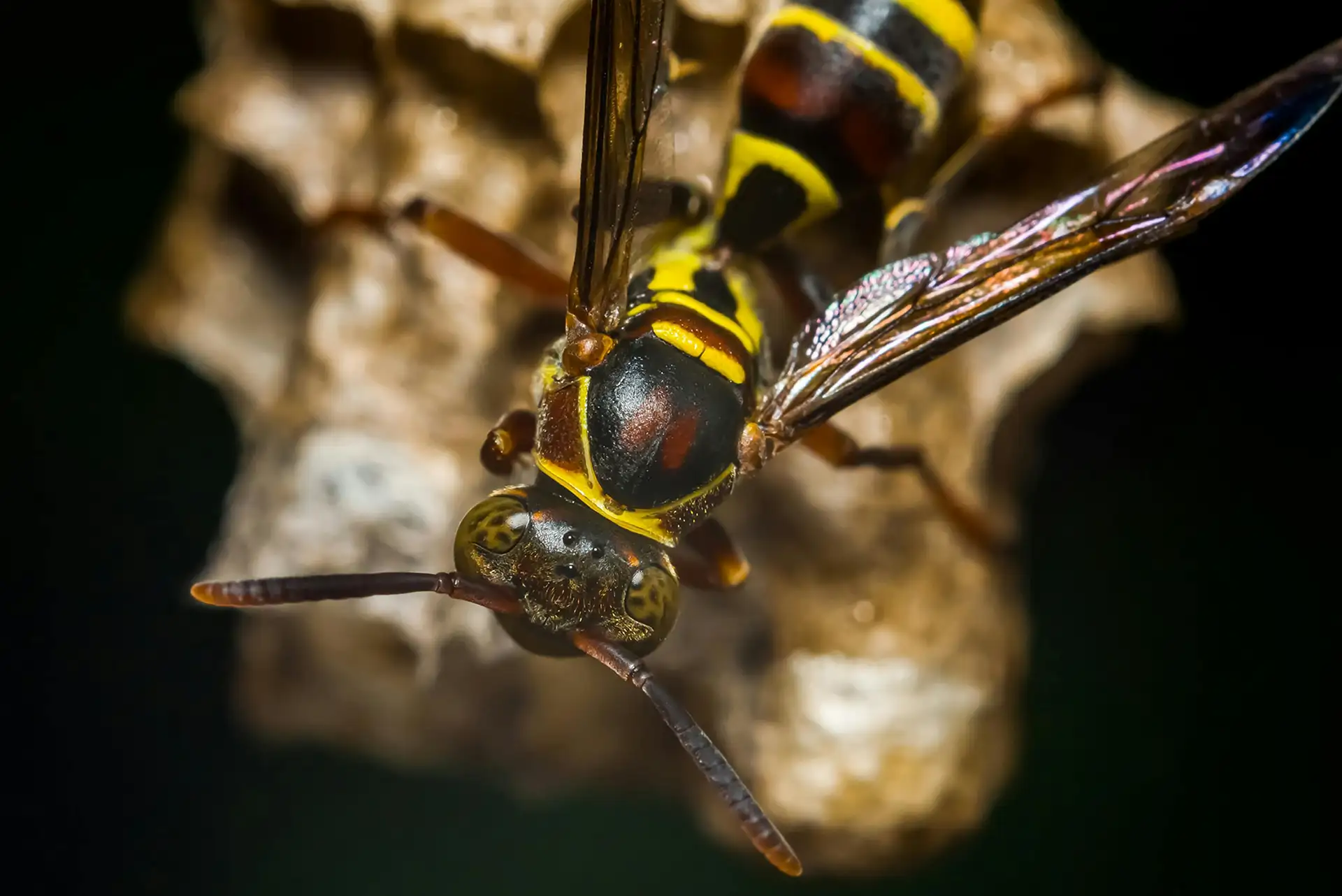
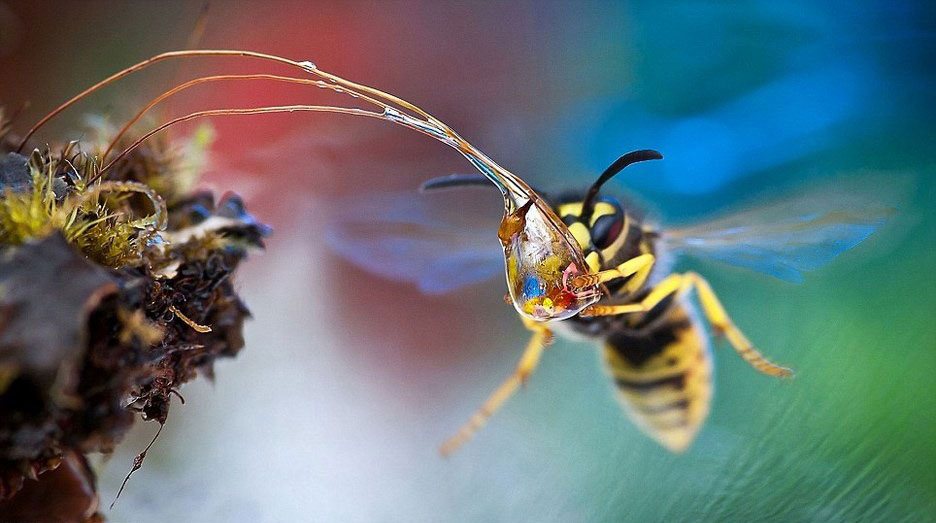
One of the biggest changes homeowners notice during late summer is how much more aggressive wasps become.
Earlier in the year, you may have only seen a few wasps around your yard. By August and early September, those same colonies may contain hundreds of workers defending an established nest.
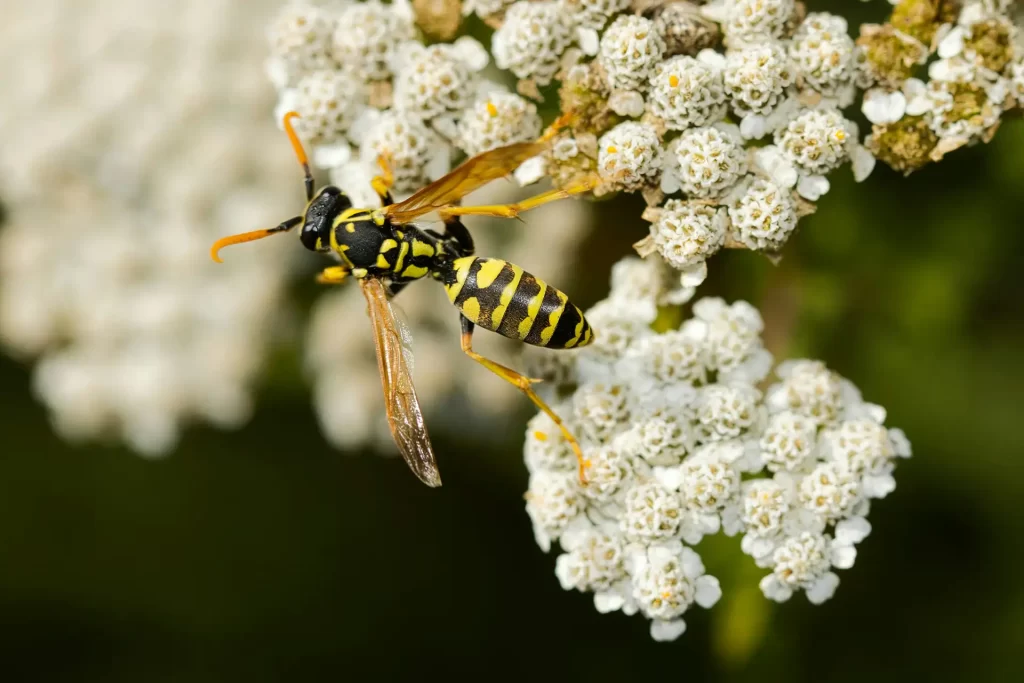
- Increased wasp activity around patios and decks
- Heavy traffic near rooflines or sheds
- Wasps gathering around outdoor food and garbage
- More defensive behavior when people are nearby
Ant Colonies Continue Expanding
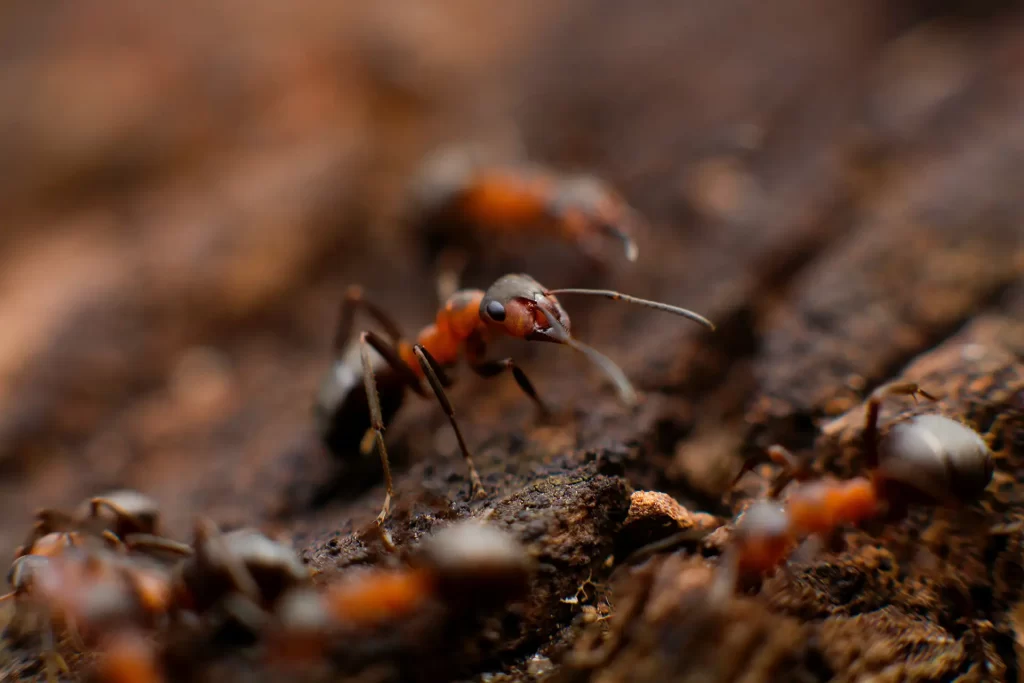
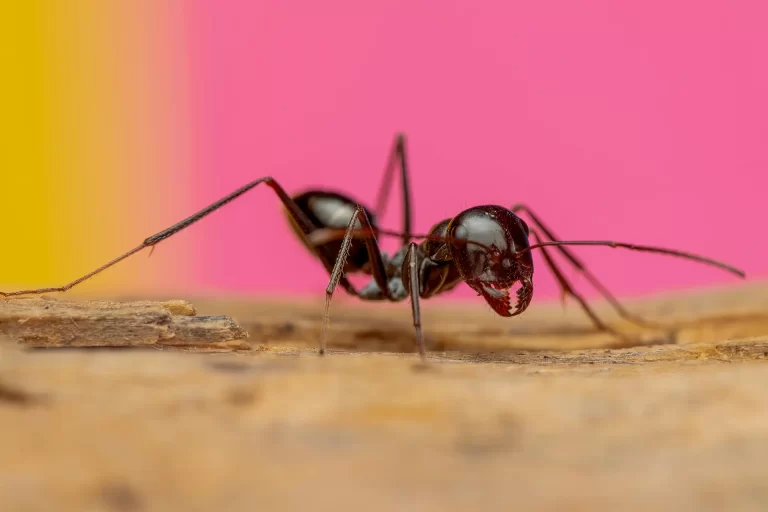
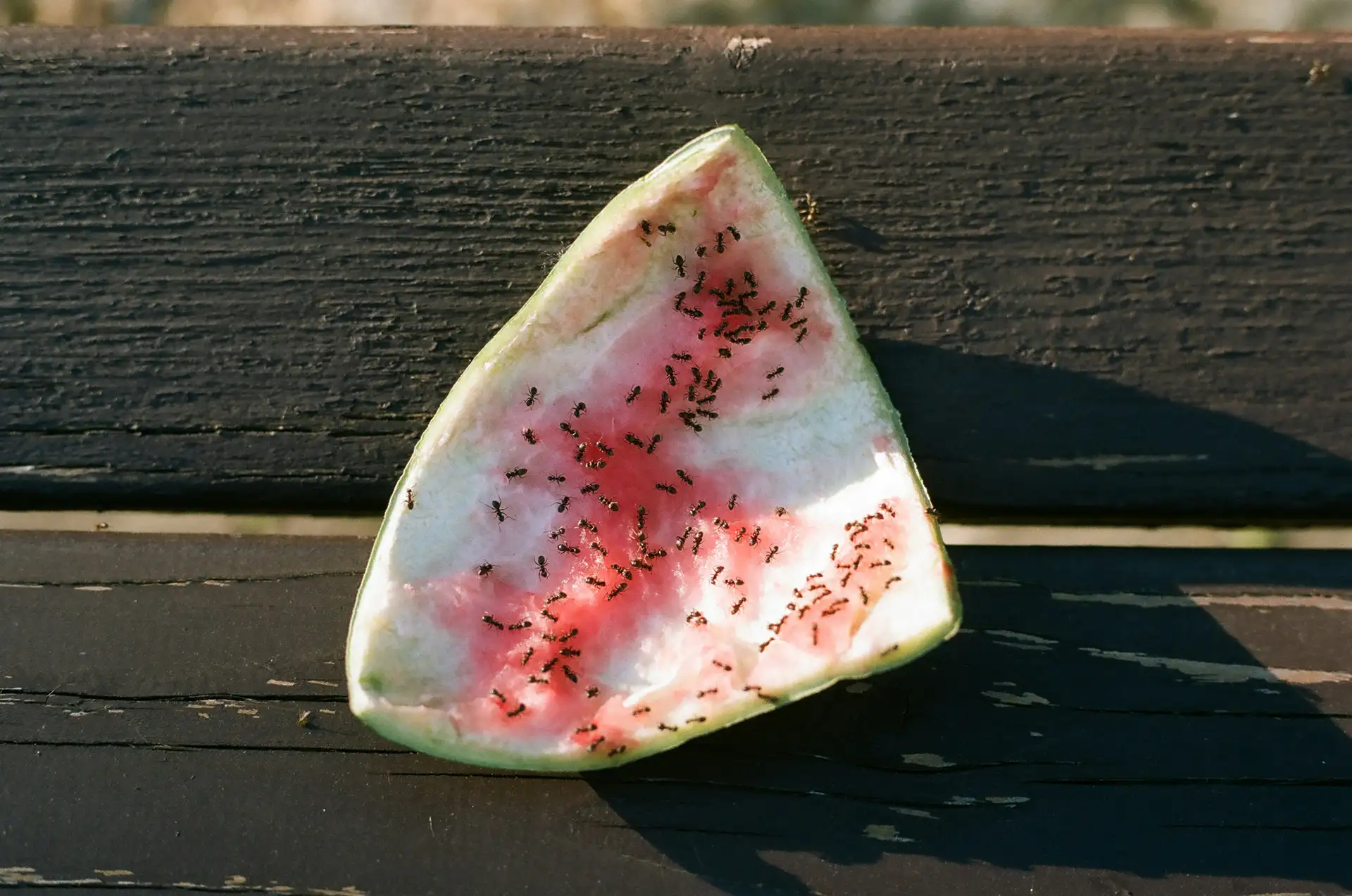
While many homeowners associate ants with spring, infestations frequently continue throughout the summer.
Large colonies keep sending workers in search of food and moisture, making kitchens, pantries, and bathrooms common areas for recurring activity.
If ants seem to disappear after treatment only to return again, learning why ants keep coming back even after treatment can help explain what’s happening behind the scenes.
Spiders Become Easier to Notice
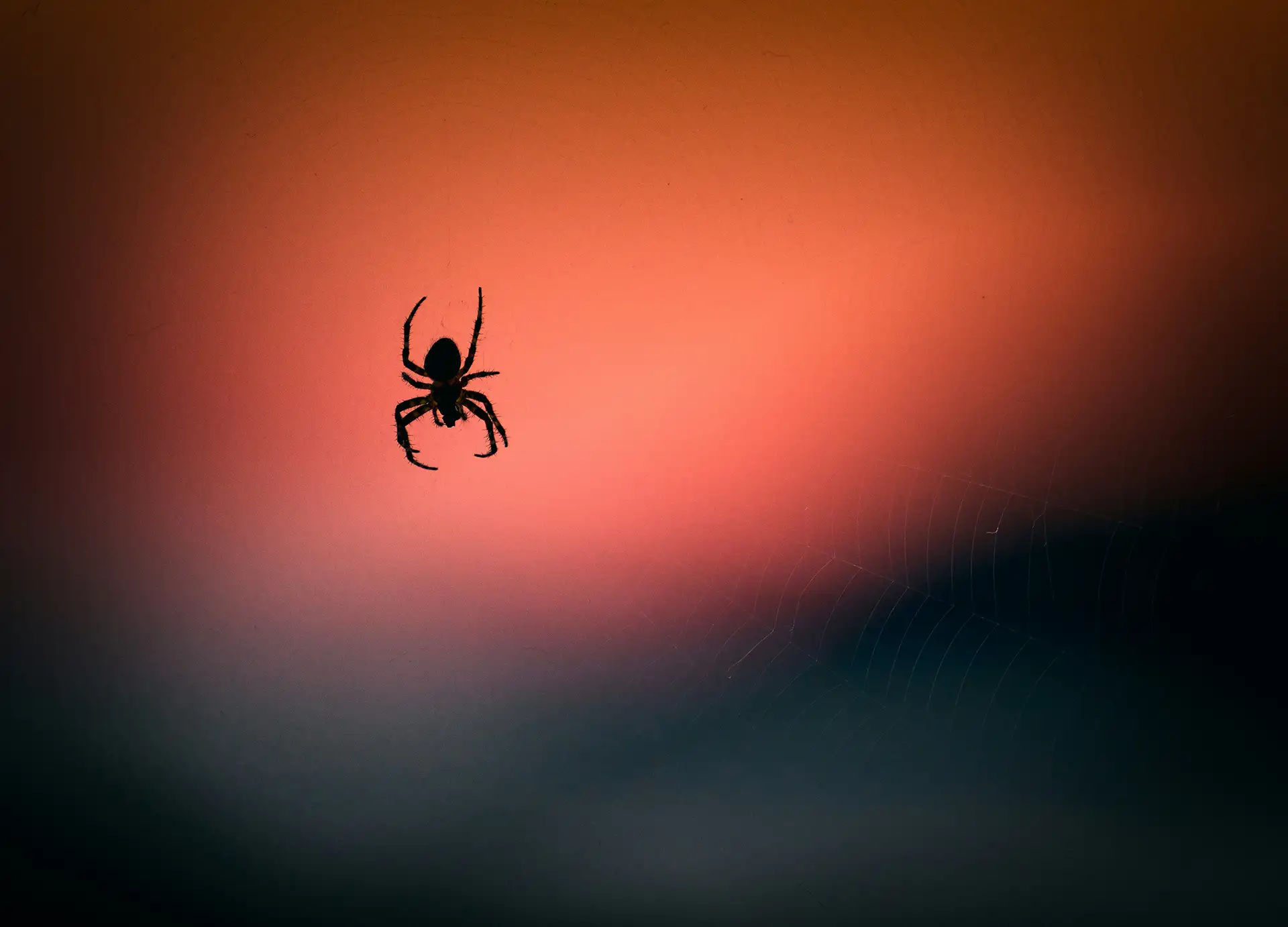
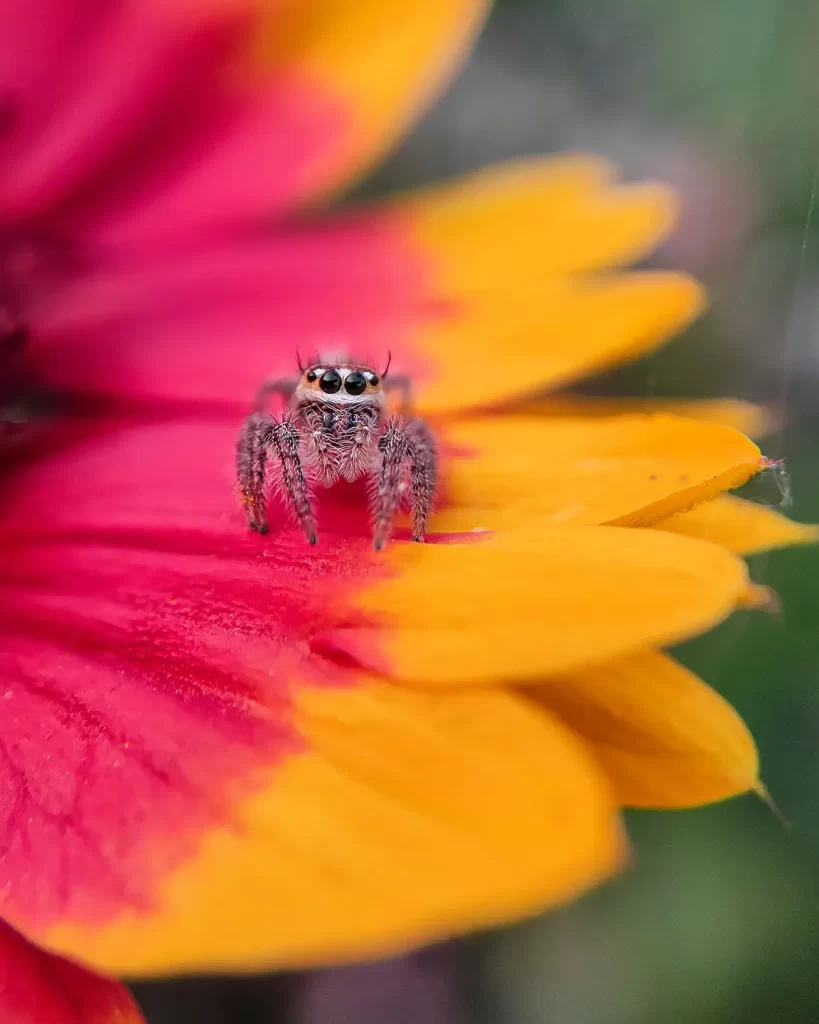
Spider activity often increases during late summer—not because spiders suddenly invade homes, but because their food supply has grown all season. As insects become more abundant, spiders expand their hunting areas.
- Garages
- Basements
- Crawl spaces
- Window corners
- Storage rooms
Rodents Begin Preparing for Cooler Weather
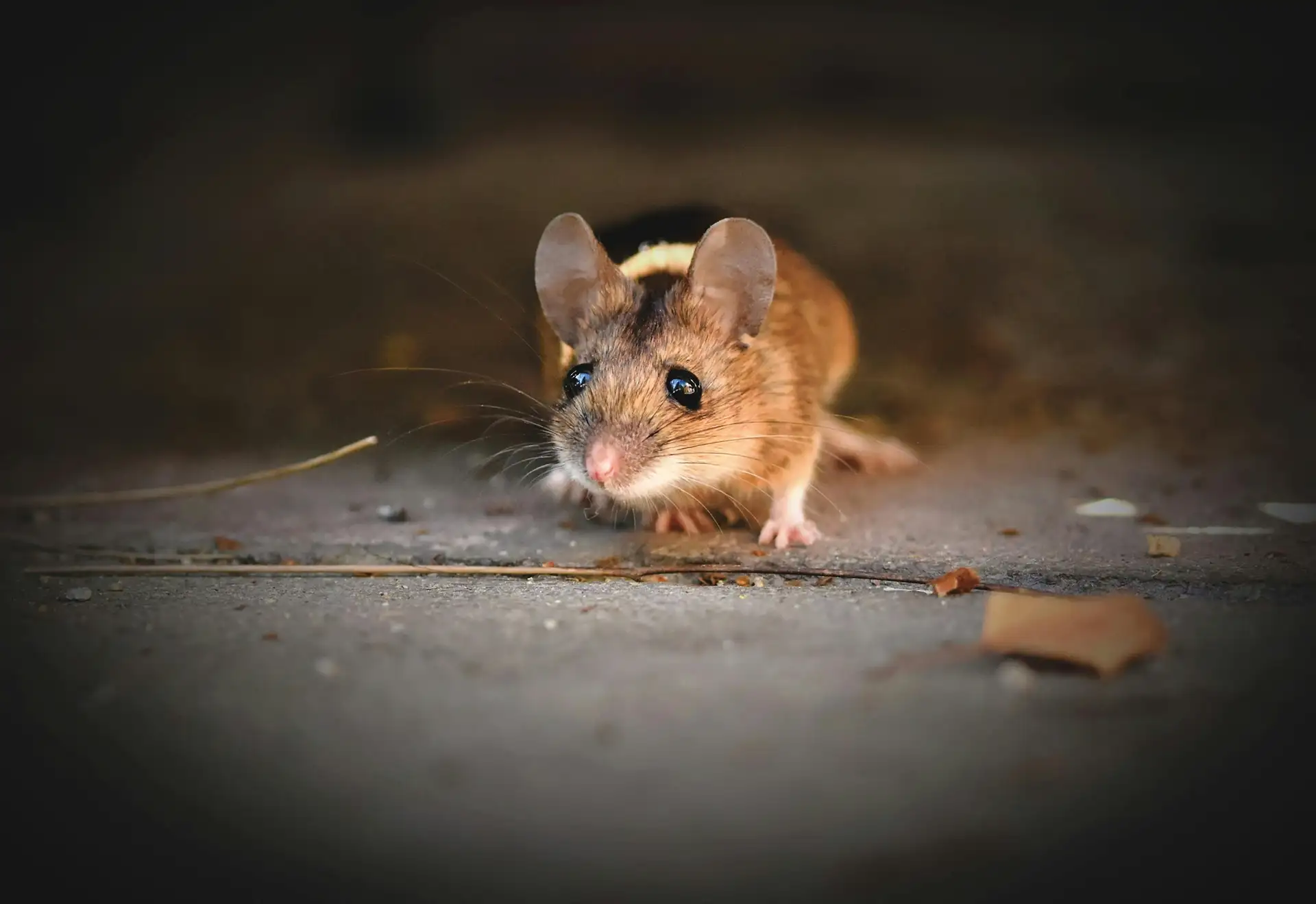
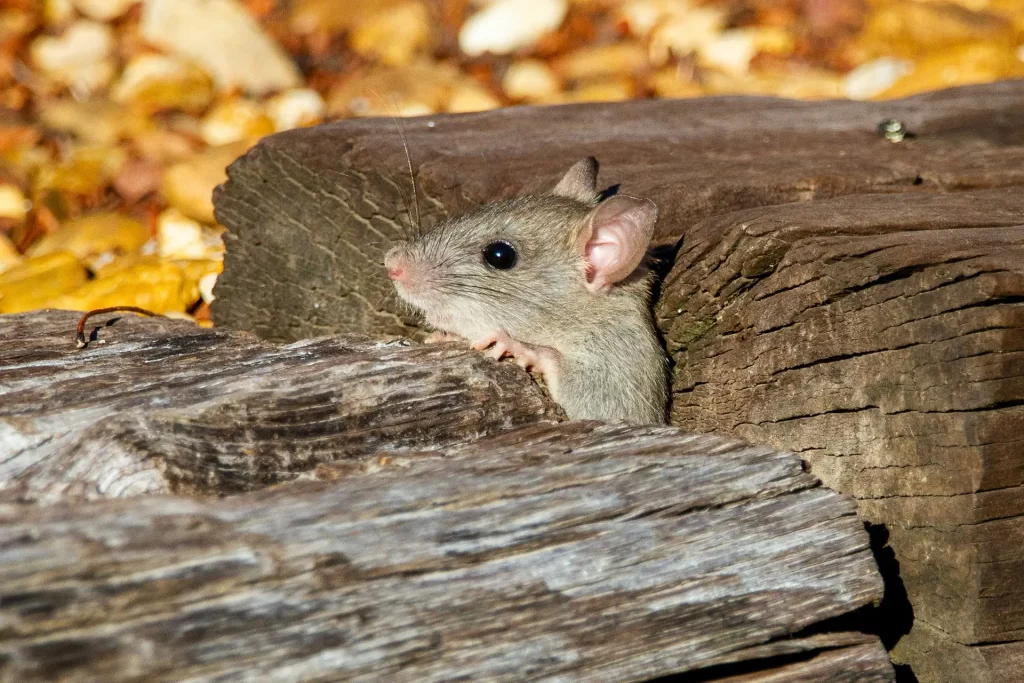
Although rodents remain active throughout the year, late summer often marks the beginning of their search for dependable shelter.
Mice and rats start exploring structures that can provide warmth once temperatures begin dropping.
- Small openings around foundations
- Garage door gaps
- Utility penetrations
- Attic vents
- Crawl space access points
Why Waiting Until Fall Can Make Things Worse
Many homeowners assume they’ll deal with pests once cooler weather arrives.
Unfortunately, by that point many infestations have already become well established.
- Larger ant colonies
- More defensive wasp nests
- Greater spider activity
- Easier access for rodents entering the home
How to Reduce Late Summer Pest Activity
The best approach combines prevention with early intervention.
- Keep outdoor garbage containers tightly sealed
- Eliminate standing water
- Trim shrubs and vegetation away from your home
- Seal cracks and exterior entry points
- Clean outdoor eating areas after use
- Watch for increasing pest activity around the property
Regular inspections can also help identify problems before they continue growing into the fall.
When Professional Pest Control Makes Sense
If pest activity has steadily increased throughout the summer, professional treatment can help stop infestations before another season begins.
Professional pest control focuses on:
- Identifying active infestations
- Eliminating nests and colonies
- Locating hidden entry points
- Reducing future seasonal pest activity
Common Questions
Wasps, ants, spiders, and rodents are among the most common pests homeowners encounter during late summer.
By late summer, colonies are much larger and worker wasps become increasingly protective of their nests while competing for food.
Yes. Established ant colonies continue searching for food and moisture well into late summer and early fall.
Absolutely. Addressing infestations before fall helps reduce existing pest populations and limits the chance of pests moving indoors as temperatures cool.
Protect Your Springville Home Before Fall Arrives
Late summer is one of the best times to address pest problems before changing seasons create new challenges.