Pest Activity in American Fork This Spring
As winter loosens its grip on northern Utah, homeowners throughout American Fork begin seeing the first signs of spring—not just in their lawns and gardens, but inside their homes as well.
For many residents, it starts with something small. A few ants near the kitchen sink. A spider appearing in the basement. A wasp investigating the eaves outside. These early sightings can seem insignificant, but they’re often the first indication that seasonal pest activity is already underway.
Spring is one of the busiest times of year for pest populations. As temperatures rise and food sources become more abundant, insects and rodents become increasingly active. What begins as a minor nuisance in March or April can quickly develop into a much larger problem by summer if left unchecked.
Why Pest Activity Increases During Spring
Pests don’t suddenly appear out of nowhere. They’ve often been nearby all winter, waiting for favorable conditions.
- Insects emerge from overwintering sites
- Colonies become active and begin expanding
- Reproduction cycles accelerate
- Food and water become easier to find
- Rodents continue taking advantage of indoor shelter
For pests, spring signals opportunity.
Ant colonies begin sending workers out in search of food. Wasp queens start building new nests. Spider activity increases as insect populations grow. Mice that entered homes during the winter often remain hidden inside attics, wall voids, and crawl spaces.
The result is a noticeable increase in pest activity around homes throughout American Fork.
The Most Common Spring Pests in American Fork
While every property is different, a handful of pests consistently become active during the spring months.
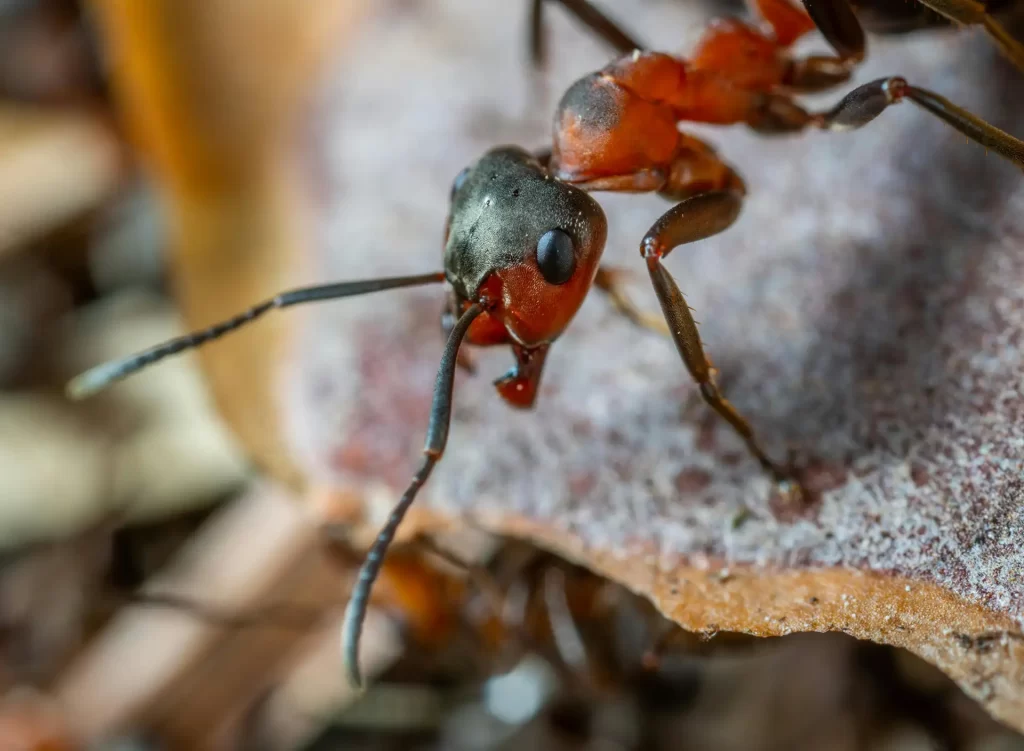
Ants
Ants are often the first pest homeowners notice each year.
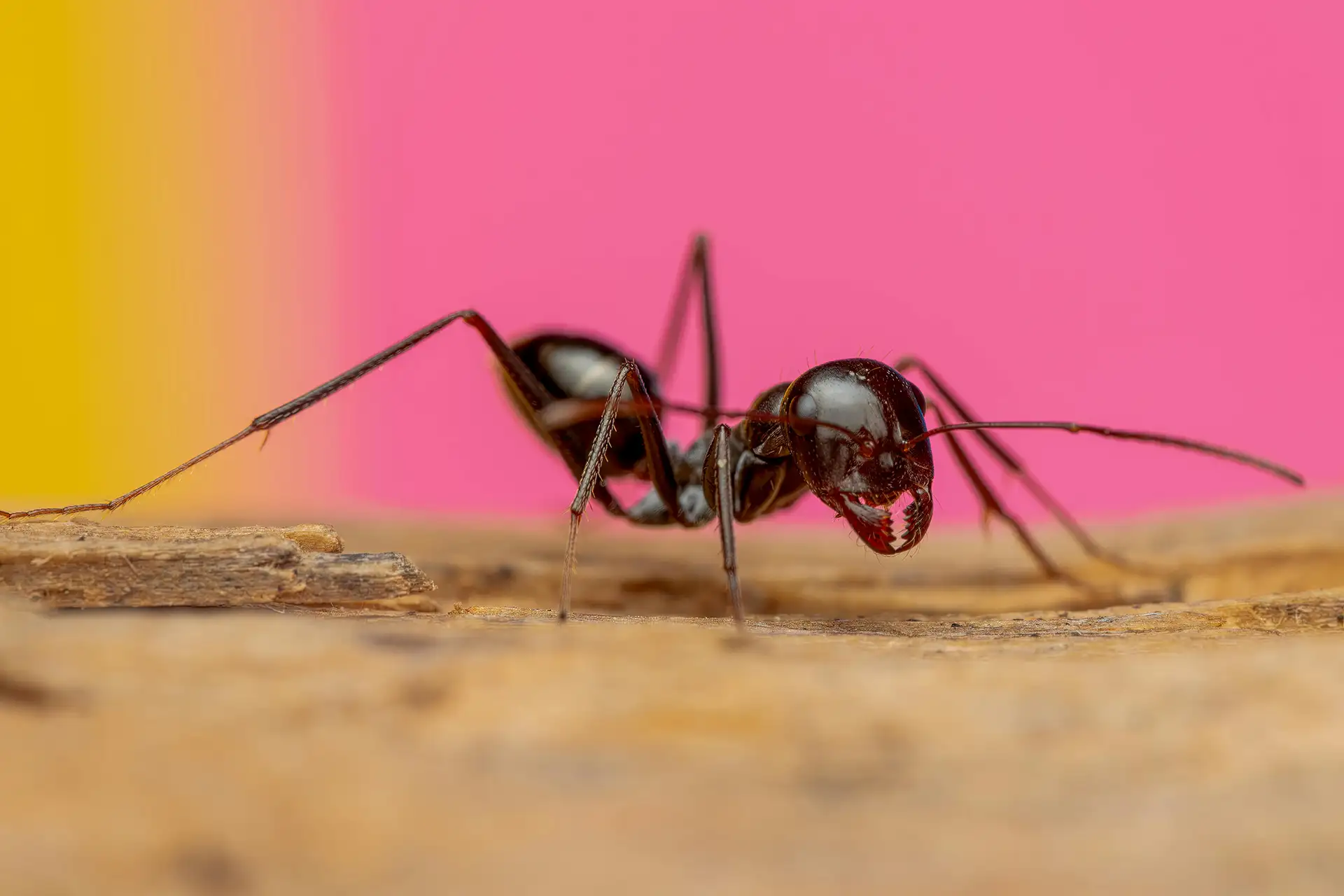
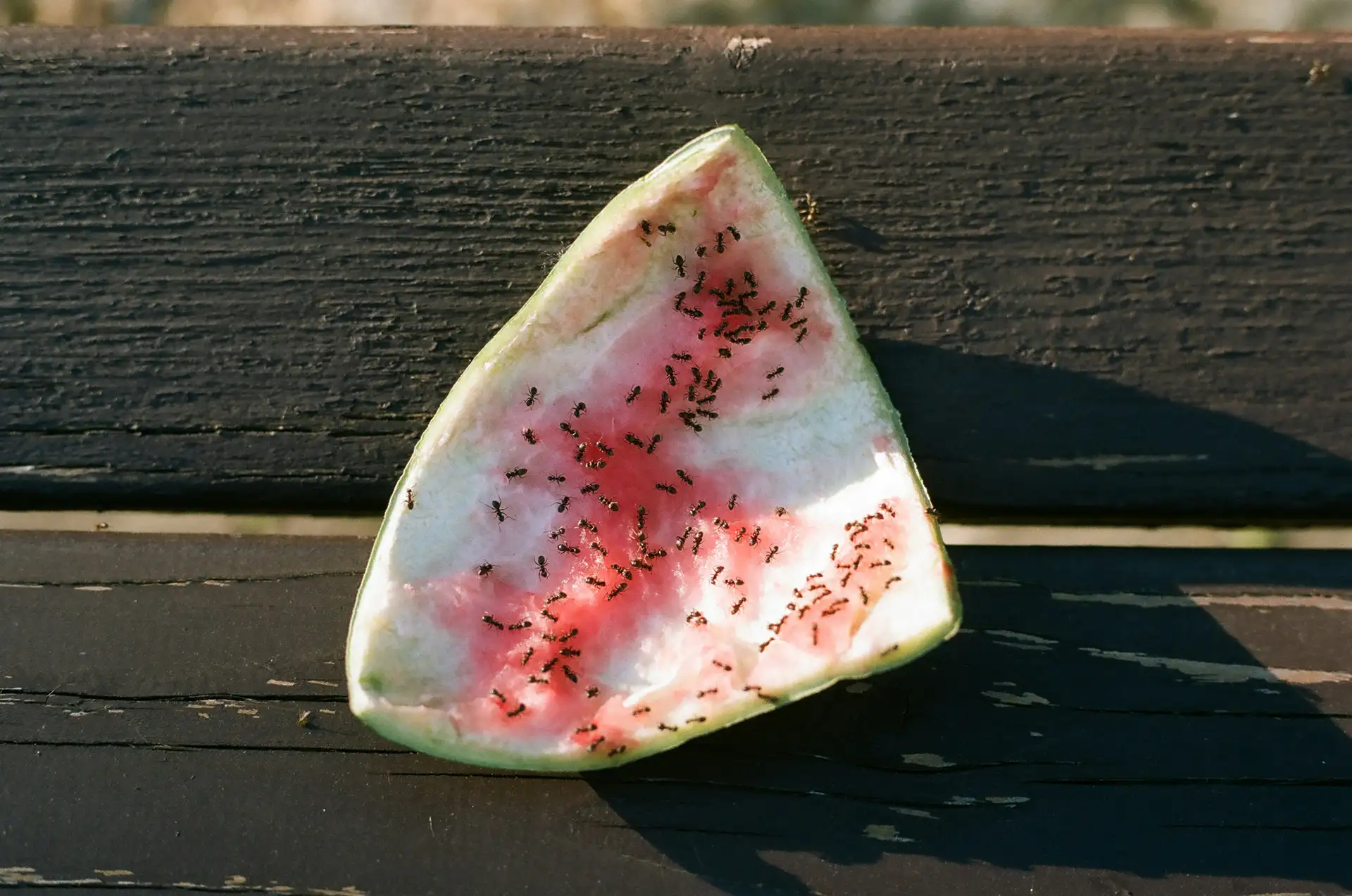
As colonies become more active, worker ants begin searching for food and water sources. Kitchens, bathrooms, laundry rooms, and pantry areas are common targets.
What many homeowners don’t realize is that the ants they see are often only a small portion of a much larger colony hidden nearby.
Learning how to prevent ant issues early in the season can help reduce the likelihood of larger problems later in the year.
Wasps
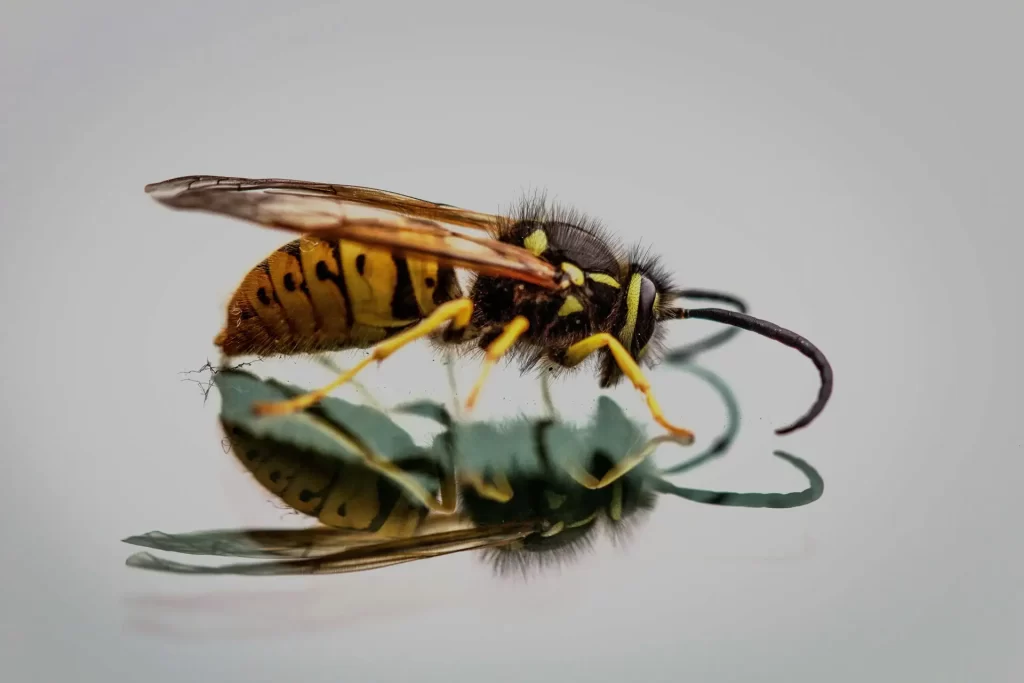
Spring is also the beginning of wasp season.
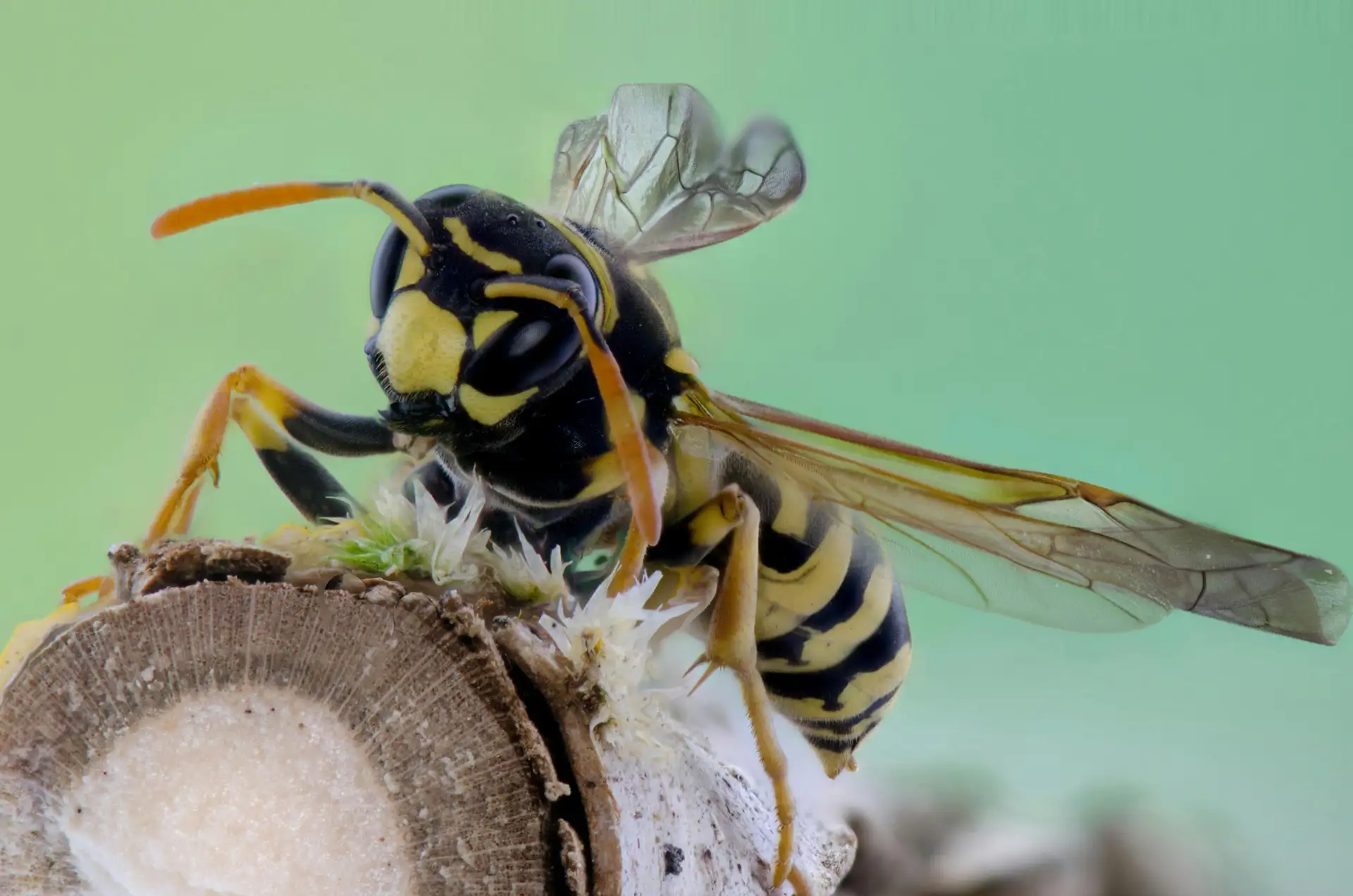
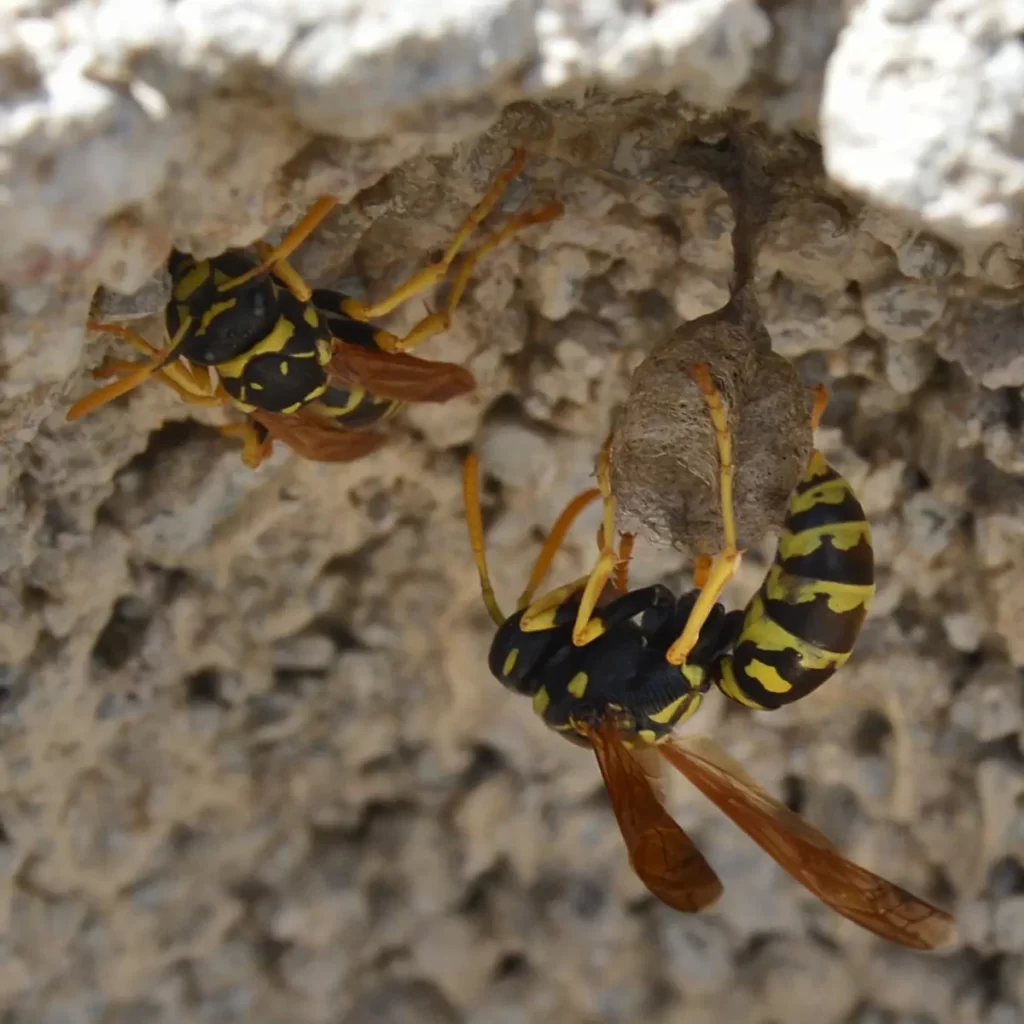
Overwintered queens emerge and begin establishing new colonies around homes and outdoor structures. Eaves, soffits, sheds, decks, and fence lines are some of the most common nesting locations.
Identifying developing wasp nests early can help prevent colonies from becoming much larger and more aggressive as summer progresses.
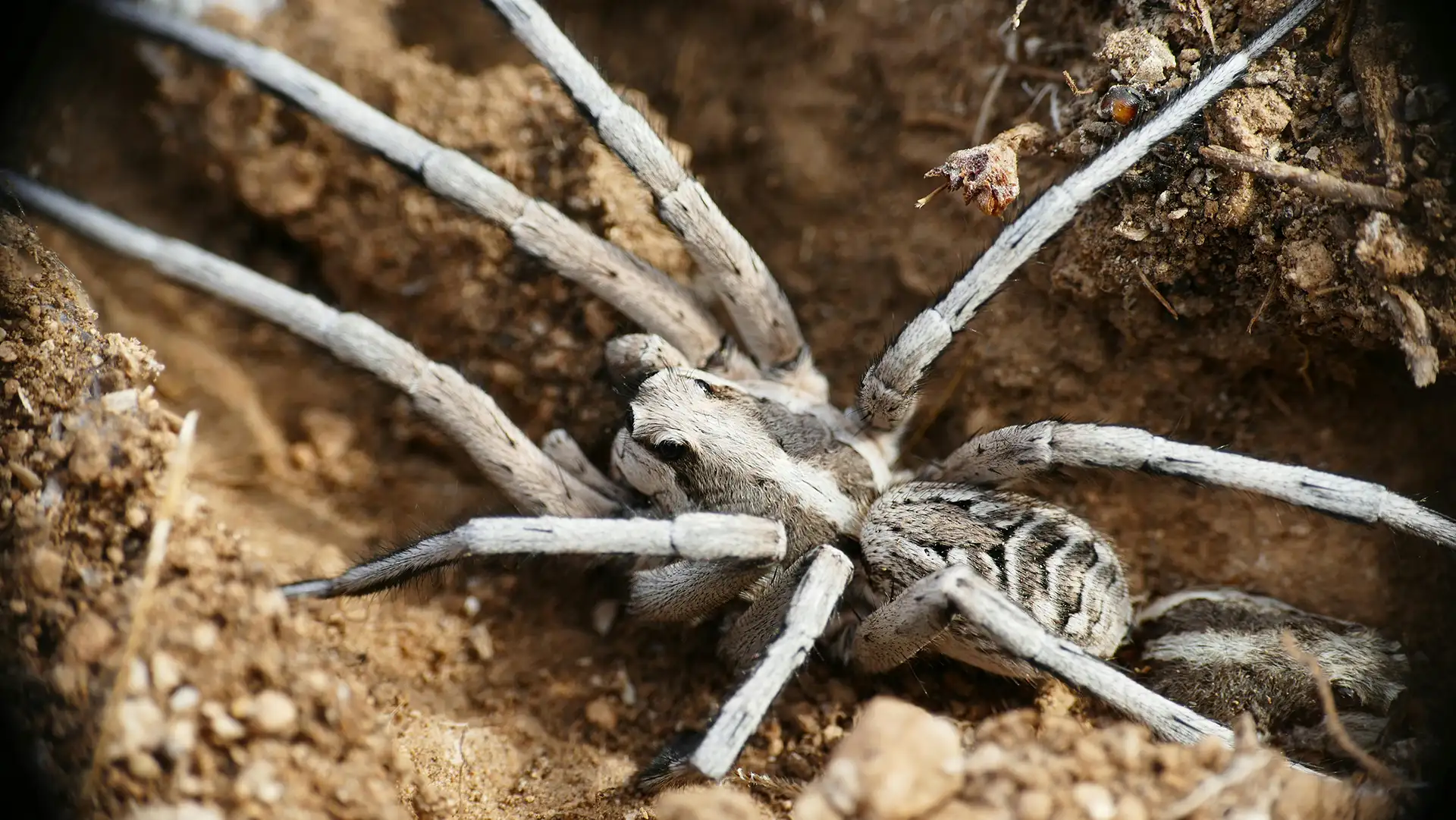
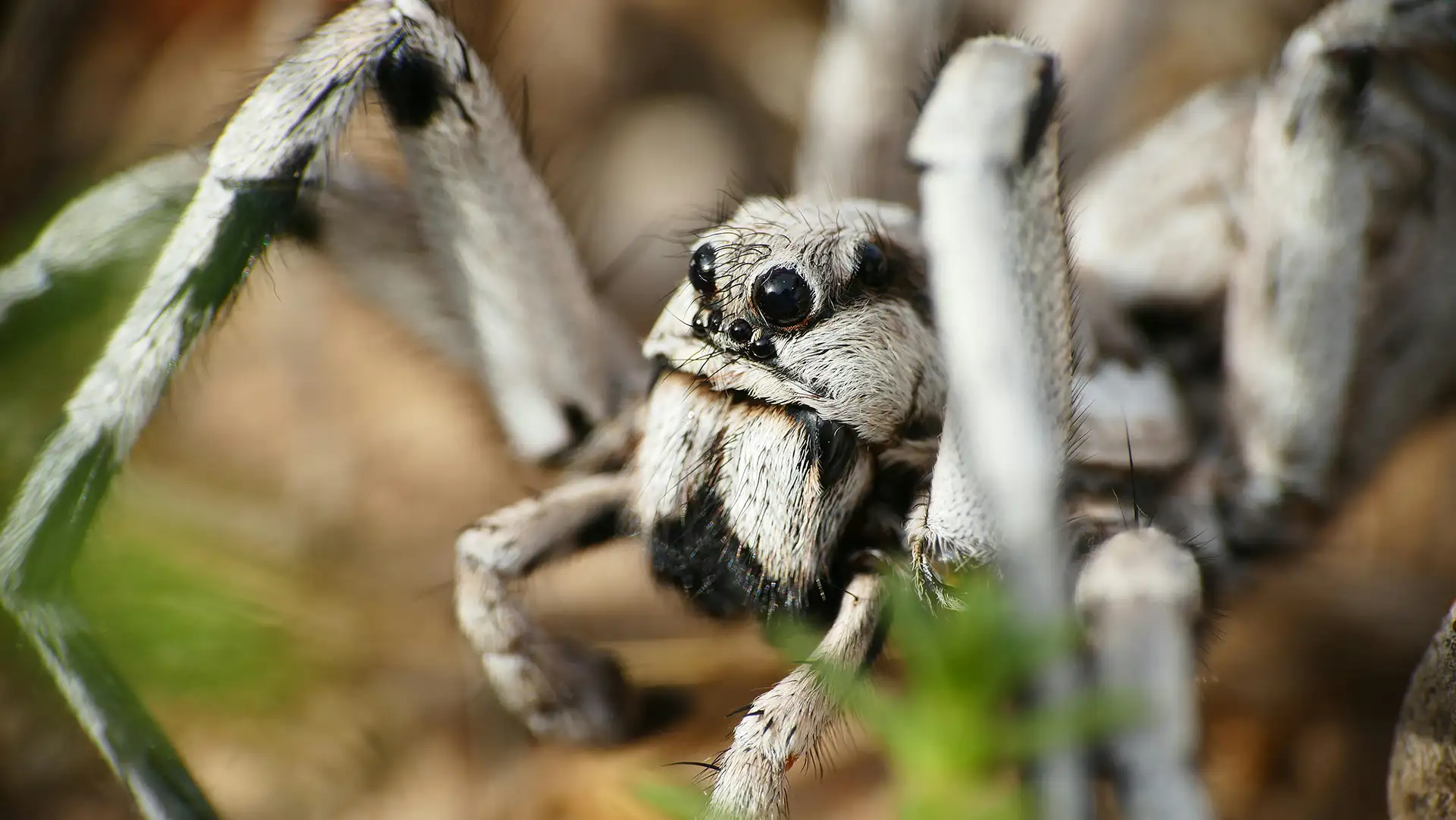
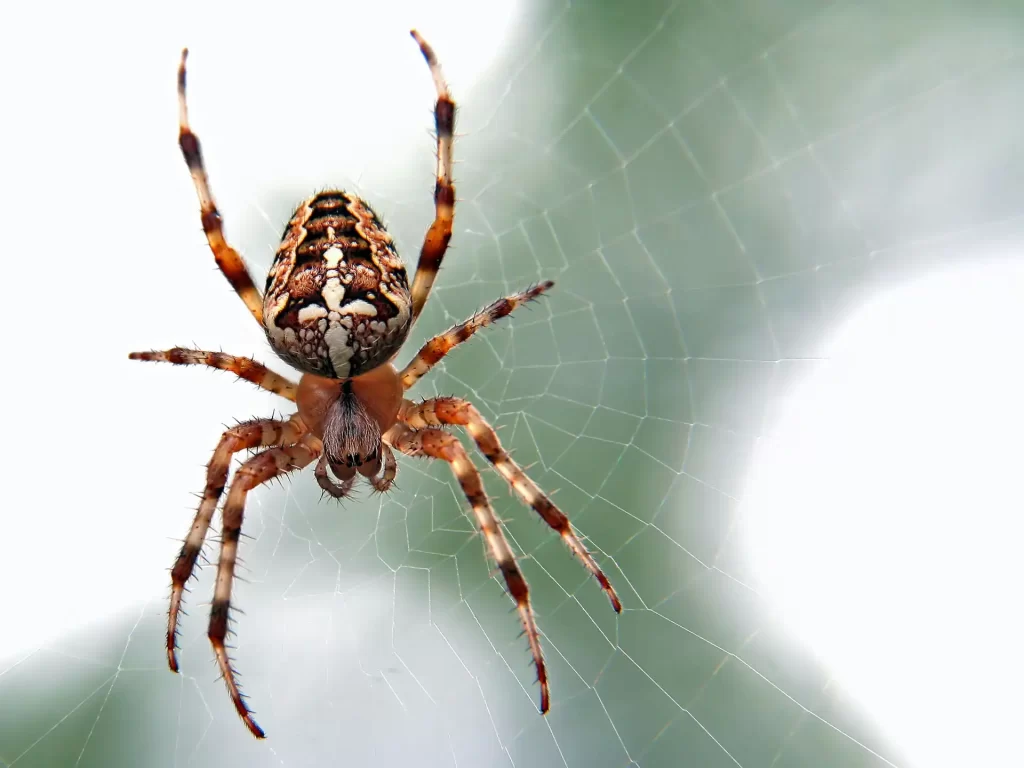
Spiders
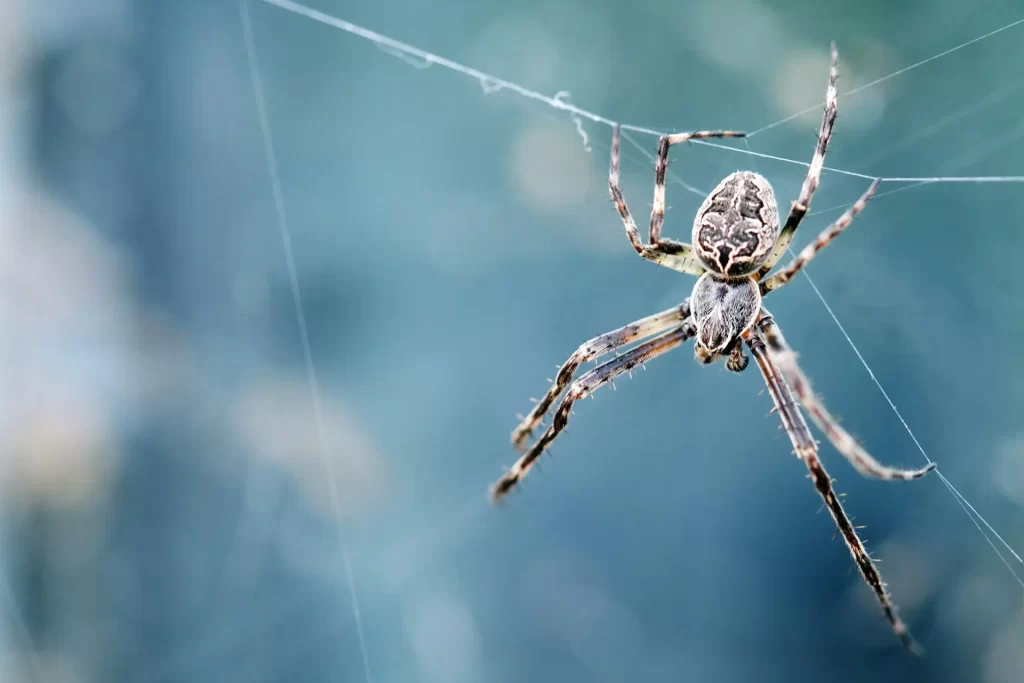
As insect populations increase, spiders follow.
Many homeowners begin noticing spider activity in garages, basements, crawl spaces, window wells, and other low-traffic areas.
While most spiders found in Utah homes are considered nuisance pests, increasing spider activity often indicates that other insects are present nearby.
Rodents
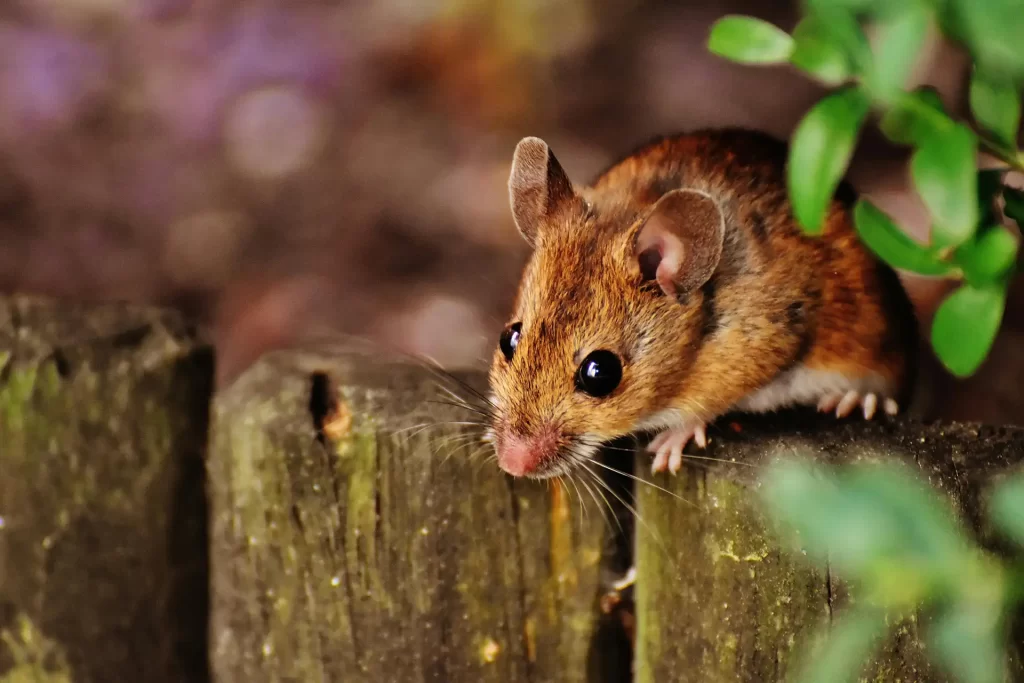
Not all spring pest problems involve insects.
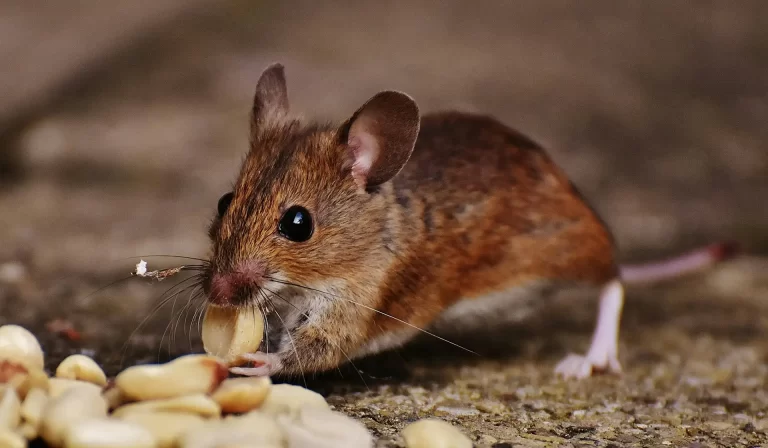
Mice that moved indoors during winter frequently remain active long after temperatures improve. Once rodents establish nesting sites, they often continue breeding and expanding their activity throughout the home.
Droppings, scratching noises, and chewed materials are all signs that rodents may still be present.
Learn about other pests in American Fork
See our pest library to learn more about other common (and not so common) pests in American Fork.
Why Early Pest Activity Shouldn't Be Ignored
One of the biggest mistakes homeowners make is assuming that a small pest problem will resolve on its own.
Unfortunately, pests rarely work that way.
Ant colonies continue growing. Wasp nests expand. Rodent populations reproduce. Spider activity increases as prey becomes more abundant.
The earlier a pest issue is addressed, the easier it is to prevent larger infestations from developing later in the season.
What seems like a minor inconvenience today can become a recurring problem throughout the rest of the year.
How to Reduce Pest Activity Around Your Home
While no home can be completely pest-proof, there are several steps homeowners can take to reduce the likelihood of infestations.
-
Seal Potential Entry Points
- Foundation cracks
- Gaps around doors and windows
- Utility penetrations
- Damaged weather stripping
Small openings are often all pests need to gain access.
-
Eliminate Food and Water Sources
Many pests are drawn indoors by readily available resources.
- Cleaning up food spills promptly
- Storing food in sealed containers
- Repearing plumbing leaks
- Reducing standing water around the property
-
Maintain Your Yard
The area around your home plays a significant role in pest activity.
Keep vegetation trimmed, remove excess debris, and reduce clutter that can provide shelter for insects and rodents.
-
Monitor Early Signs of Activity
- Ant trails
- Spider webs
- Wasp sightings
- Rodent droppings
Addressing problems early often prevents much larger infestations later.

Why Early Prevention Matters
One of the most common mistakes homeowners make is waiting until pest activity becomes too severe before taking action.
Pests populations can rapidly grow, so early prevention is key to stopping small problems from becoming much larger.
- Recurring pest activity
- Larger infestations
- Property damage
- More expensive treatment needs later in the season
Addressing issues early is almost always easier than trying to eliminate a well-established infestation.
Why Professional Pest Control Matters
Many spring pest problems begin outside the home long before homeowners notice activity indoors.
Professional pest control focuses on identifying problem areas, reducing pest populations, and creating a protective barrier around the property. Instead of reacting after an infestation develops, preventative treatment helps stop problems before they have an opportunity to grow.
For many homeowners, that’s the difference between occasional sightings and dealing with pests throughout the entire season.
Protect Your American Fork Home This Spring
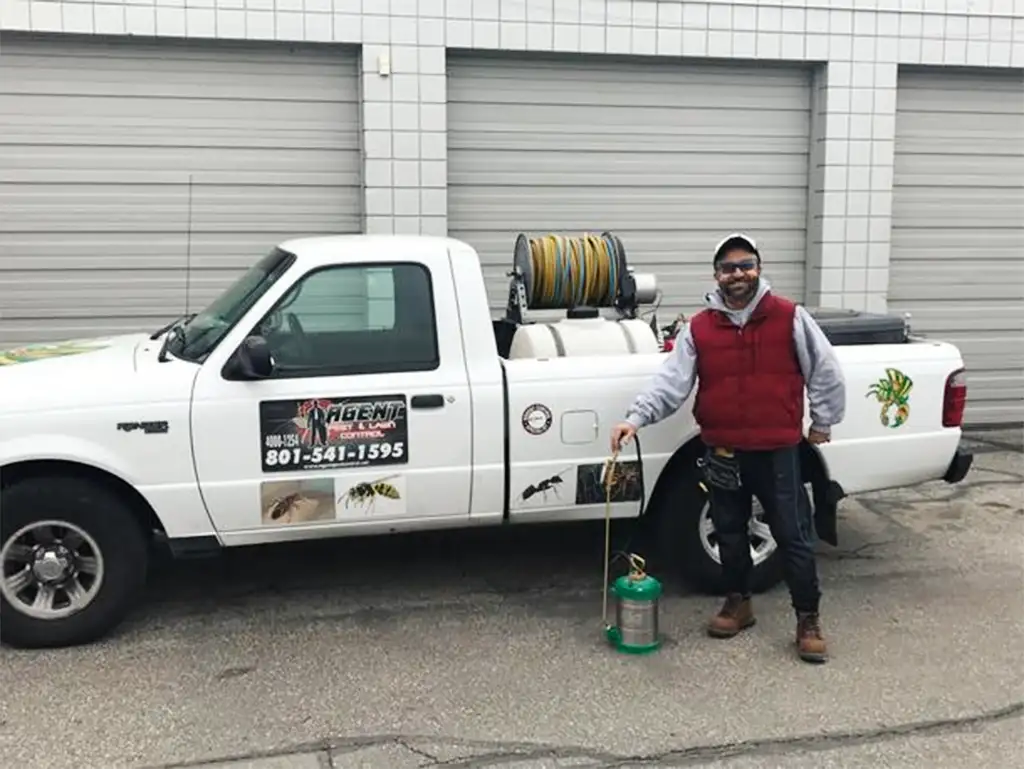
The first signs of pest activity are often a warning of what’s coming later in the season. Addressing problems early can help prevent larger infestations, reduce property damage, and keep your home more comfortable year-round.
At Agent Pest Control, we help American Fork homeowners:
- Identify pest activity early
- Eliminate developing ant colonies
- Prevent wasp nests from becoming larger
- Identify and protect entry points
Common Questions
Ants, wasps, spiders, and rodents are among the most commonly reported spring pests in American Fork homes.
Warmer temperatures, increased moisture, and greater food availability create ideal conditions for pest activity and reproduction.
Yes. Many pests become active as soon as temperatures begin to rise, often resulting in sudden increases in sightings during early spring.
Early spring is typically the best time to begin preventative pest control before colonies and populations have a chance to expand.
Absolutely. Ant colonies, wasp nests, and rodent populations can grow rapidly during spring and summer if left untreated.