The Danger is Ignoring Pest Problems
Most pest problems don’t begin with hundreds of insects or obvious signs of an infestation.
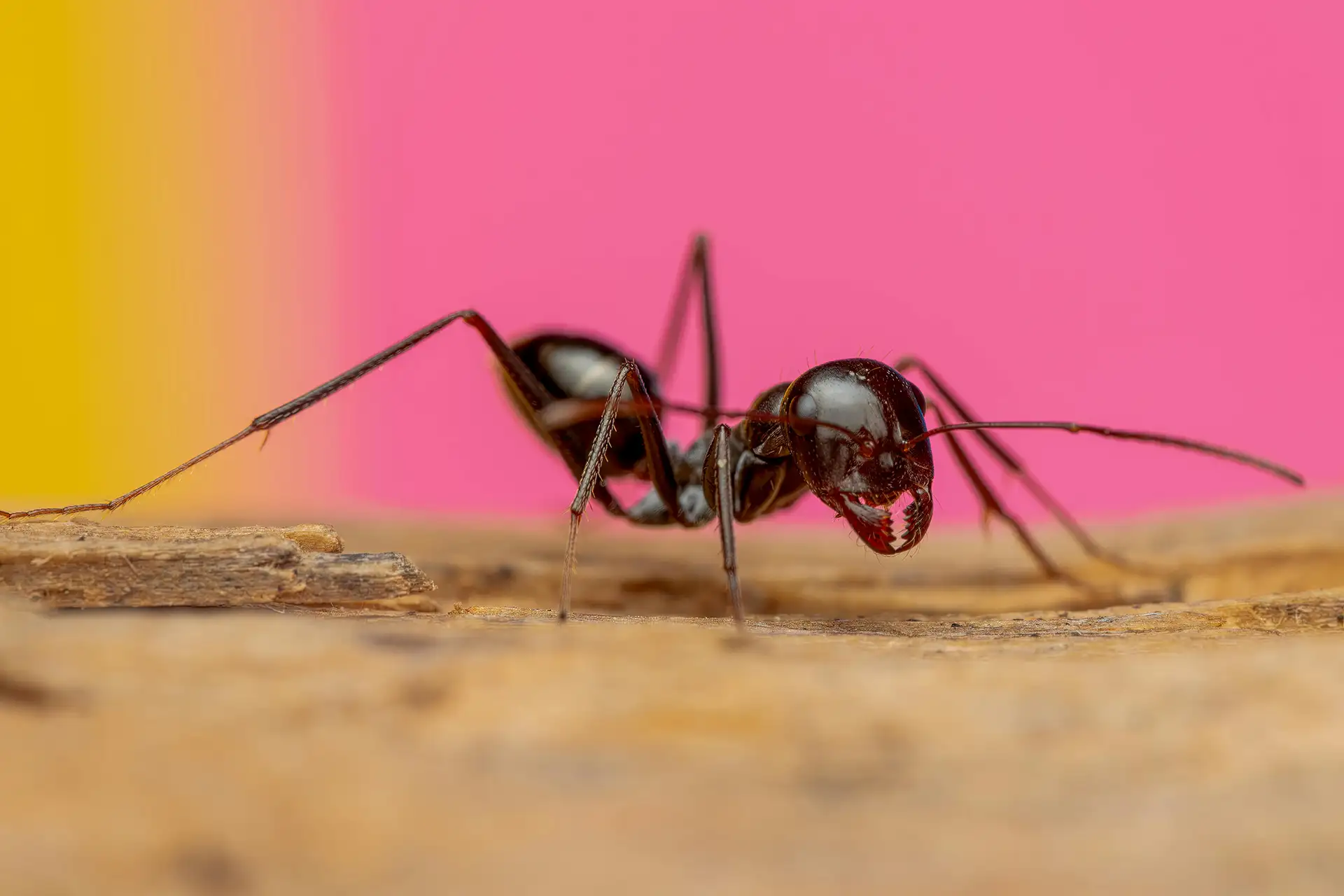
Instead, they usually start with something small—a few ants in the kitchen, a spider in the basement, or an occasional wasp flying around the backyard. Because the activity seems minor, it’s easy to assume the problem will resolve on its own.
Unfortunately, that’s rarely what happens.
Pests don’t typically disappear without a reason. If they’ve found food, water, shelter, or a place to nest, they’ll often continue reproducing and expanding their territory. By the time the problem becomes impossible to ignore, what started as a small nuisance may have grown into a much larger infestation.
Why Pest Problems Usually Get Worse Over Time
Pests are constantly searching for environments that support their survival.
Once they find a reliable source of food and shelter, they’re unlikely to leave voluntarily.
- Colonies continue growing
- More pests are produced
- Nesting sites expand
- Additional entry points may be discovered
- The infestation becomes more established
This gradual growth is why pest problems often seem to “appear overnight,” even though they’ve been developing for weeks or months.
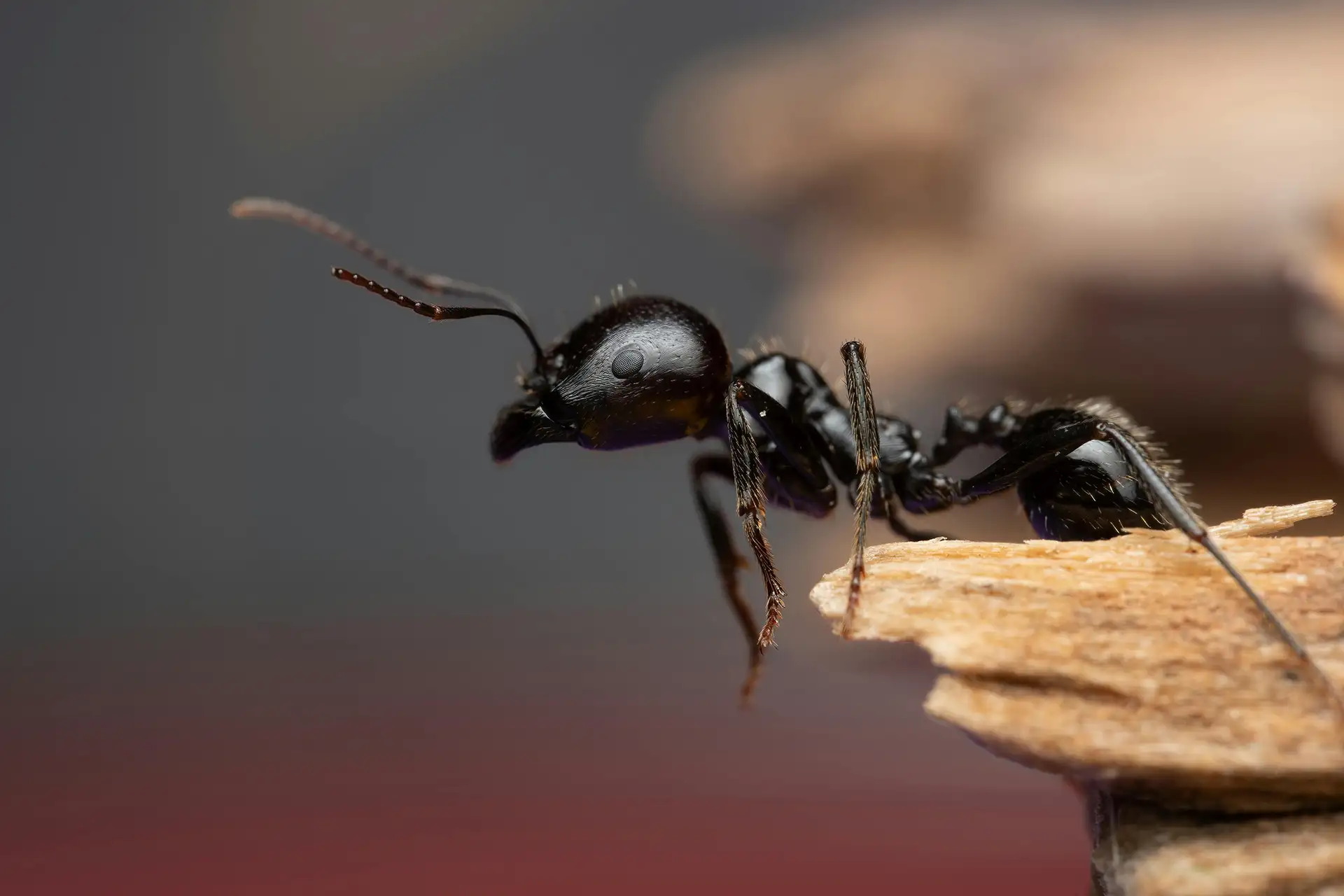
Ant Infestations Rarely Stay Small
Ants are one of the best examples of why waiting can make a problem worse.
A handful of worker ants may seem insignificant, but they’re often just the visible portion of a much larger colony hidden outside your home, beneath concrete, or even inside wall voids.
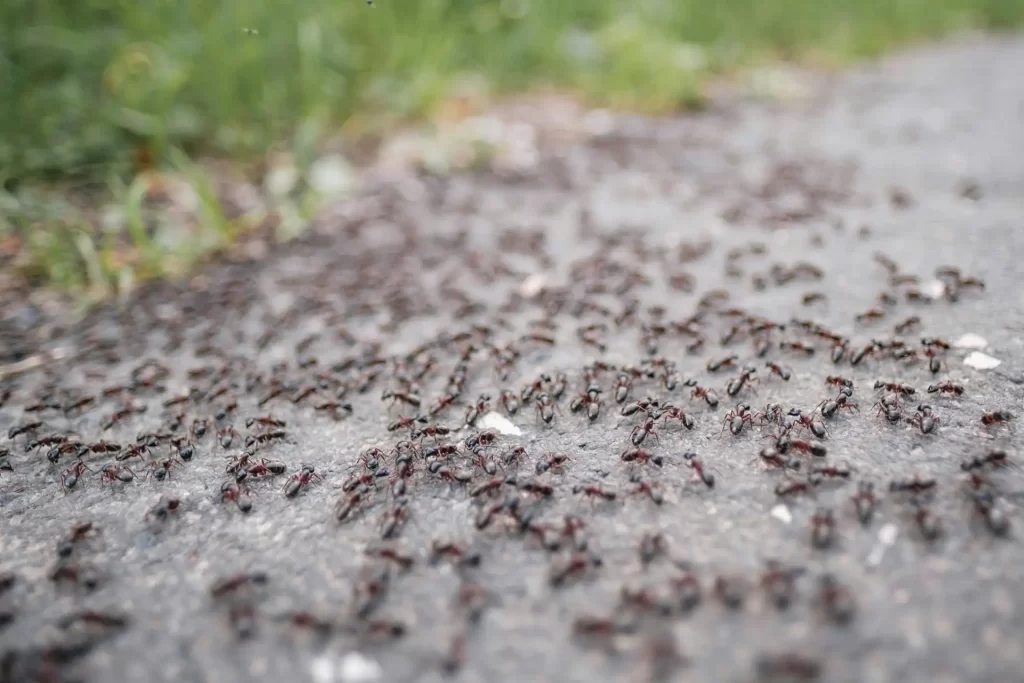
- More workers are sent out to forage
- Additional food sources are discovered
- Satellite colonies may develop
- Activity spreads throughout the home
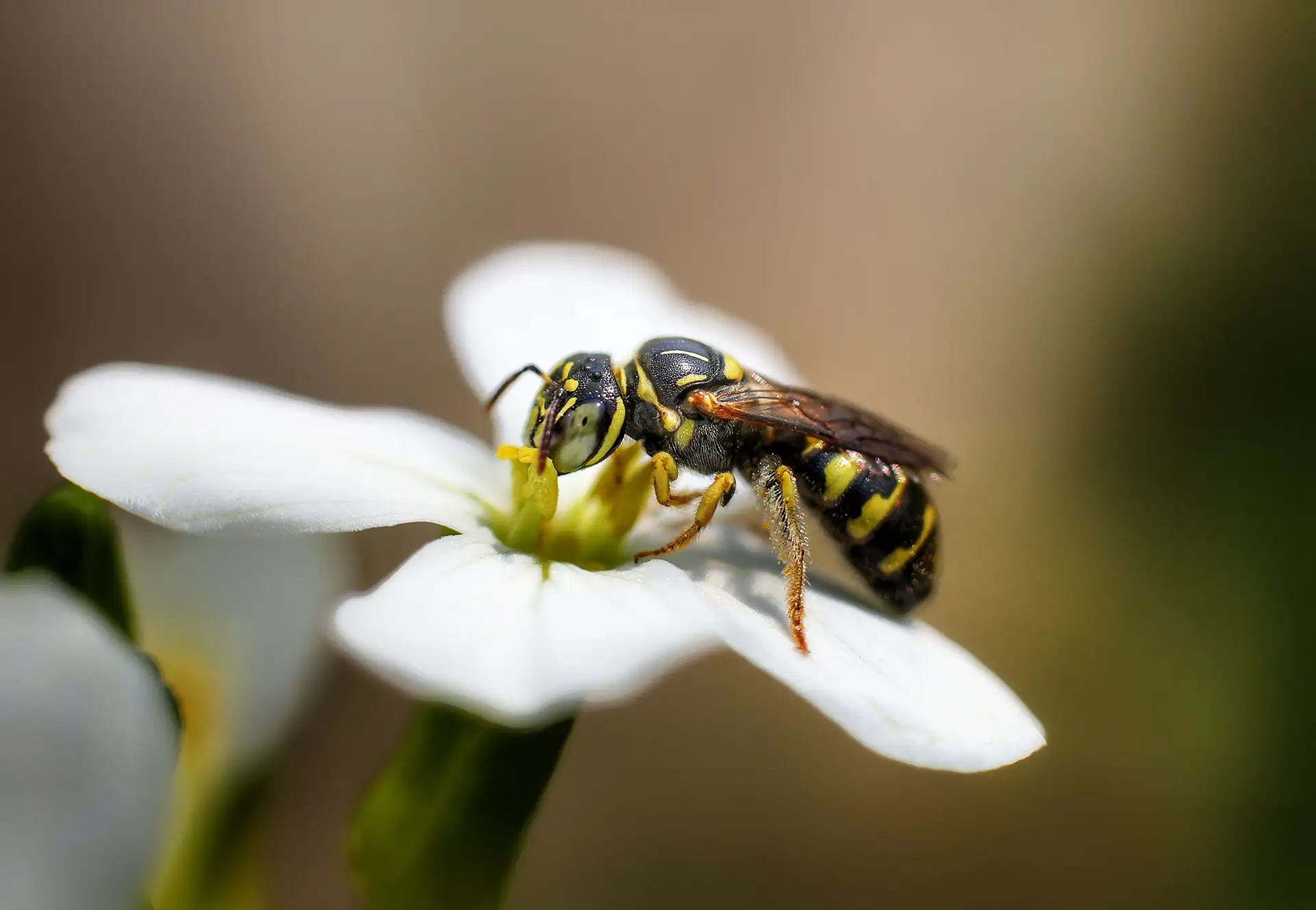
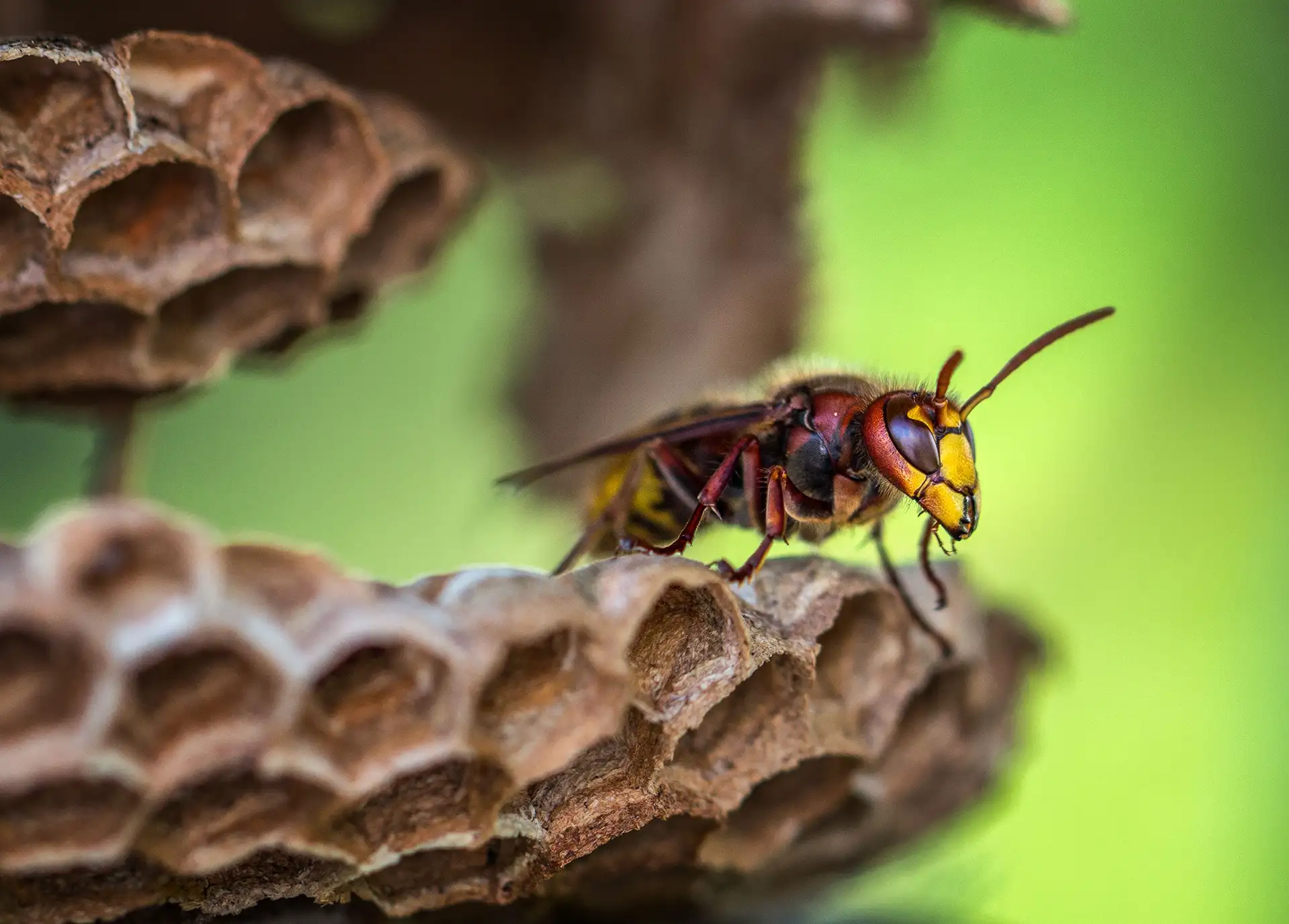
Wasp Colonies Become More Dangerous As They Grow
A few wasps flying through your yard may not seem alarming.
But if there’s an active nest nearby, the colony is likely growing every day.
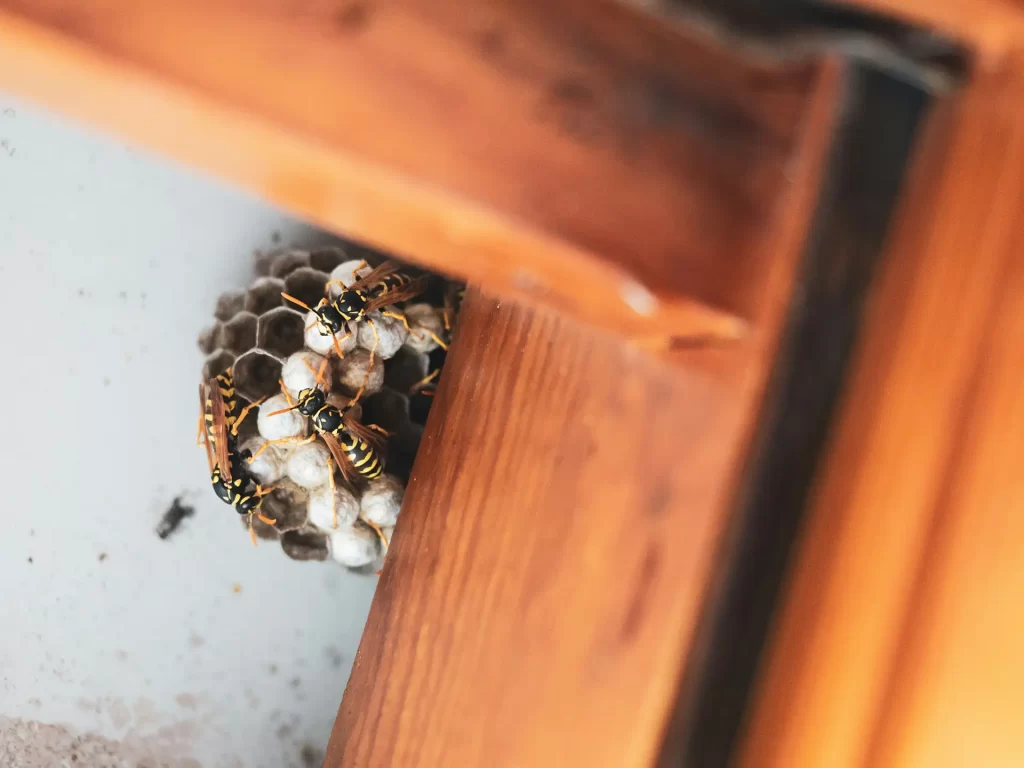
- More worker wasps emerge
- Nests increase in size
- Defensive behavior becomes more aggressive
- The risk of accidental encounters rises
Spiders May Be Warning You About Other Pest Problems
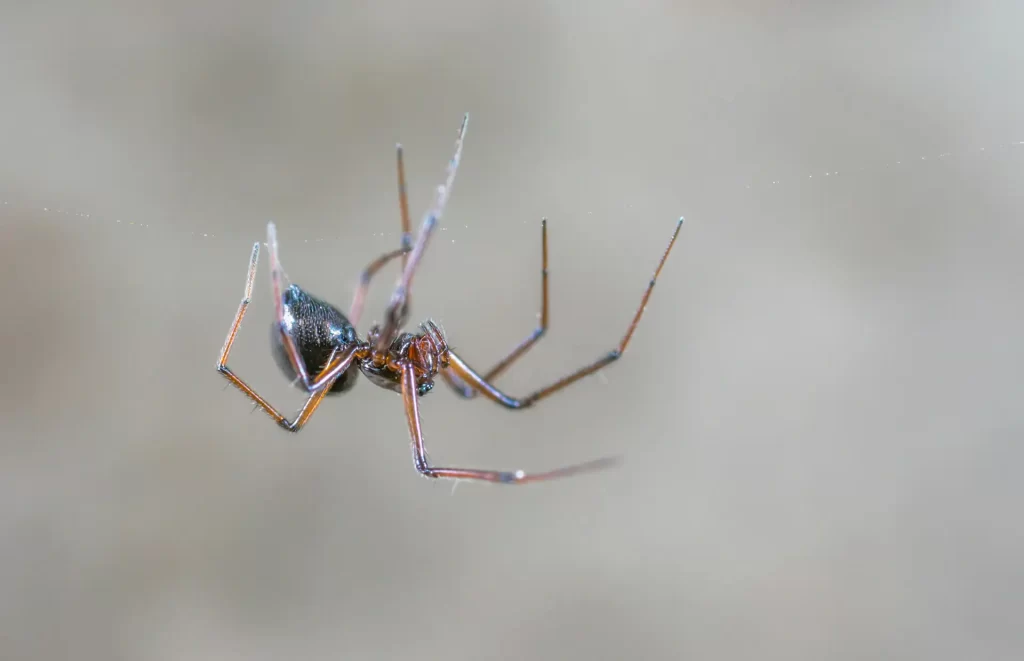
Many homeowners focus on the spiders they can see.
What they don’t realize is that spiders often indicate another infestation nearby.
Spiders follow their food source. If insects continue multiplying around your home, spider activity usually increases as well.
If you’ve recently noticed more spiders indoors, it’s worth understanding why you’re seeing so many spiders right now, because treating spiders alone may not address the real issue.
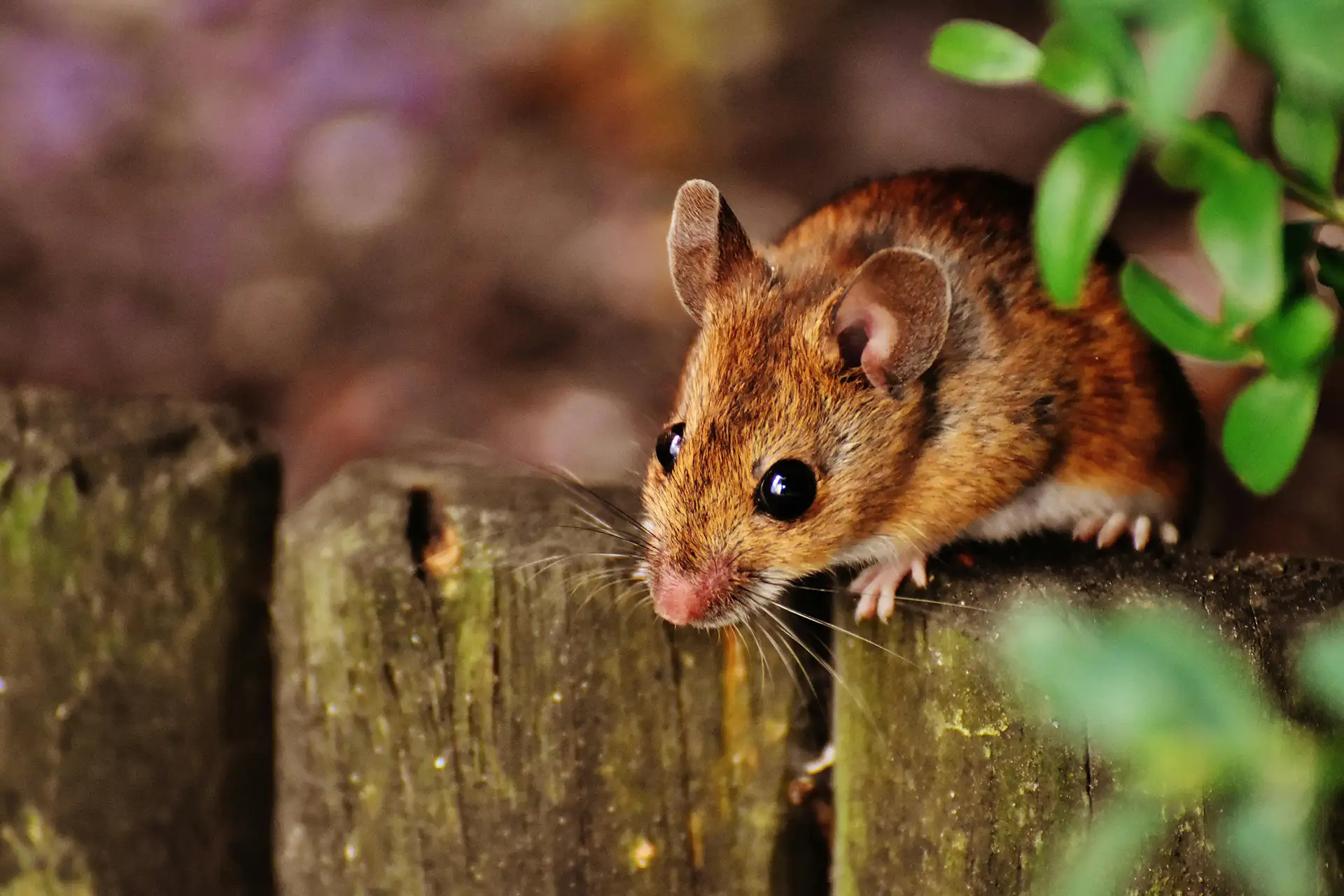
Rodents Can Cause Damage Even When You Don't See Them
Unlike insects, rodents often remain hidden for long periods.
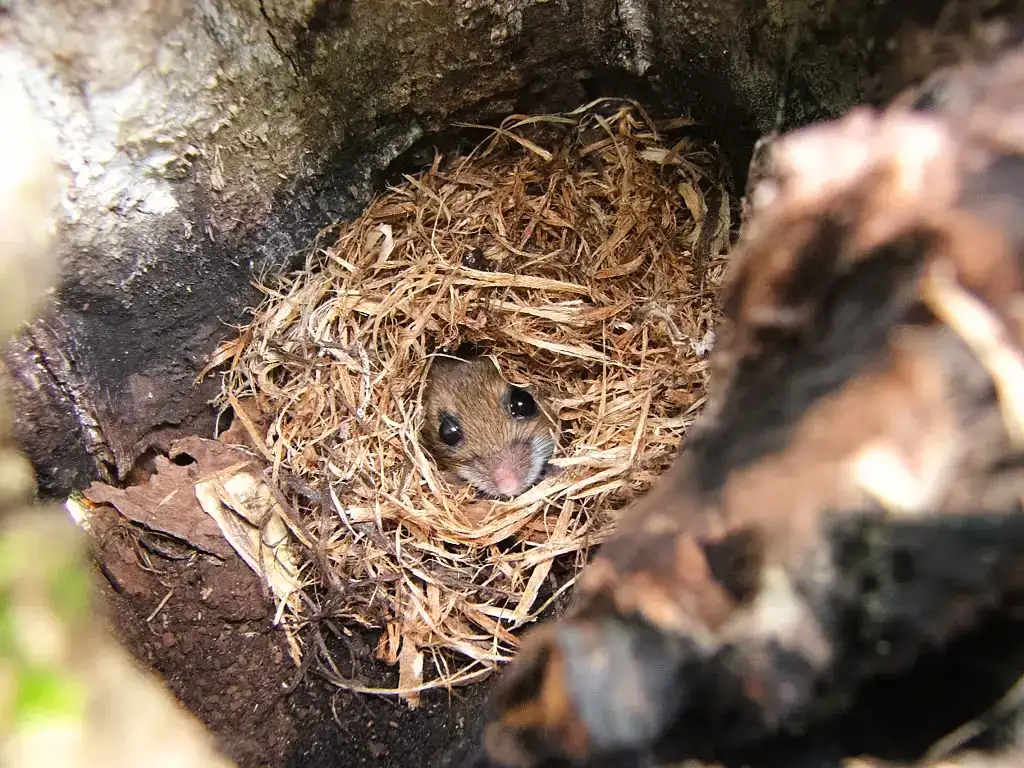
- Chewing wiring
- Damaging insulation
- Contaminating stored items
- Creating nesting areas
- Expanding their access throughout the home
The absence of visible rodents doesn’t necessarily mean the problem has gone away. Rodents use many common pest entry points to infiltrate homes and build their nests. Knowing where these entry points are and how to plug them up can help reduce or eliminate rodent populations in your home.
Small Problems Often Become Larger Repairs
Ignoring pests isn’t just about living with occasional inconveniences.
Over time, infestations can become more expensive and more difficult to eliminate.
- Larger colonies
- Increased property damage
- More extensive treatments
- Higher repair costs
- Greater safety concerns
How to Know It's Time to Take Action
You don’t need to wait for a severe infestation before seeking help.
- Repeated pest sightings
- Activity increasing each week
- Pests appearing in multiple rooms
- Evidence of nesting
- DIY treatments that only work temporarily
These are all signs that the infestation is continuing to develop rather than resolve itself.
Why Early Pest Control Is More Effective
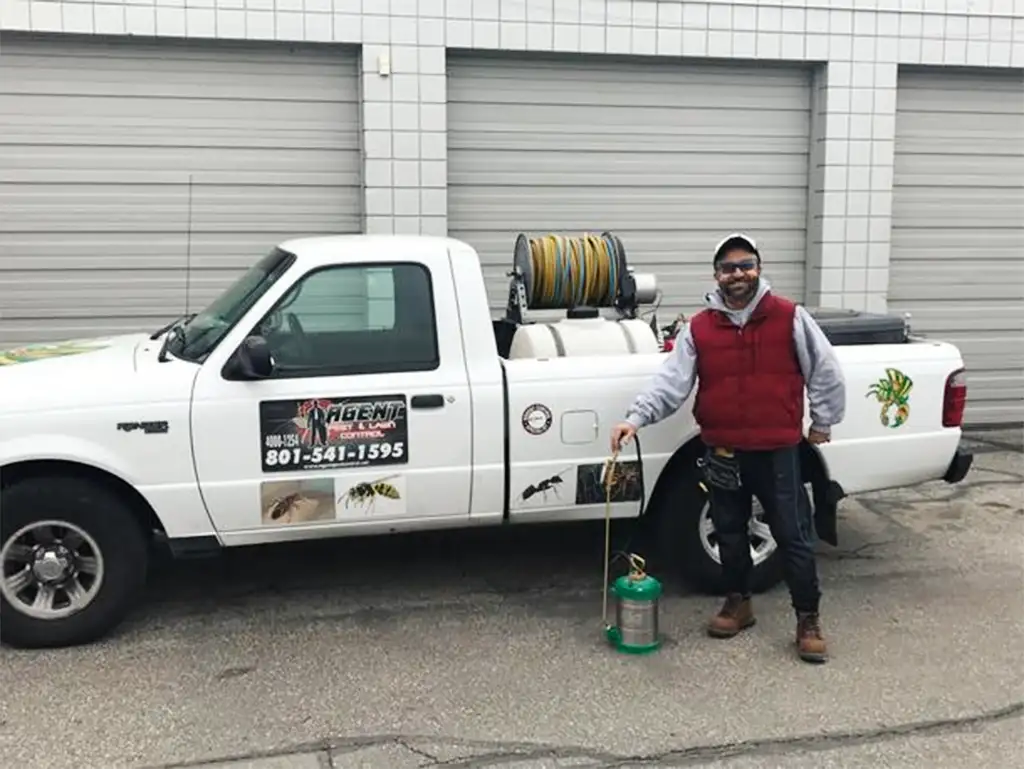
Professional pest control isn’t simply about removing the pests you can see.
Long-term treatment focuses on:
- Identifying the source of the infestation
- Locating hidden nests or colonies
- Eliminating active pest populations
- Sealing common entry points
- Reducing the conditions that attract pests
Common Questions
In most cases, no. If pests have access to food, water, and shelter, populations usually continue growing over time.
Occasional sightings aren’t unusual, but repeated activity often indicates a nearby colony or nest that’s continuing to grow.
Most infestations develop gradually behind the scenes before becoming noticeable. By the time homeowners see frequent activity, populations have often been growing for weeks.
Yes. Smaller infestations are generally easier to manage than large, well-established pest populations.
Don't Wait Until the Problem Gets Worse
Small pest problems rarely stay small for long.
Taking action early can help protect your home, reduce future infestations, and prevent larger problems later in the season.