The Most Aggressive Pests in Utah Summers
Summer is when many Utah homeowners notice a dramatic increase in pest activity.
Ants seem to appear in larger numbers, wasps become more territorial, spiders are suddenly showing up indoors, and rodents continue searching for food and shelter around homes. While every pest behaves differently, one thing they have in common is that summer creates ideal conditions for their populations to grow.
Some pests simply become more active. Others become noticeably more aggressive.
Knowing which pests are most likely to cause problems during the summer can help you identify issues early and prevent them from becoming larger infestations.
Why Pest Behavior Changes During Summer
Warm weather accelerates nearly every stage of a pest’s life cycle.
Colonies expand, food demands increase, young insects mature, and competition for resources becomes more intense.
- More frequent pest sightings
- Larger populations
- Increased nesting activity
- More defensive activity
- Greater competition around food and water
Wasps:
Utah's Most Aggressive Summer Pest
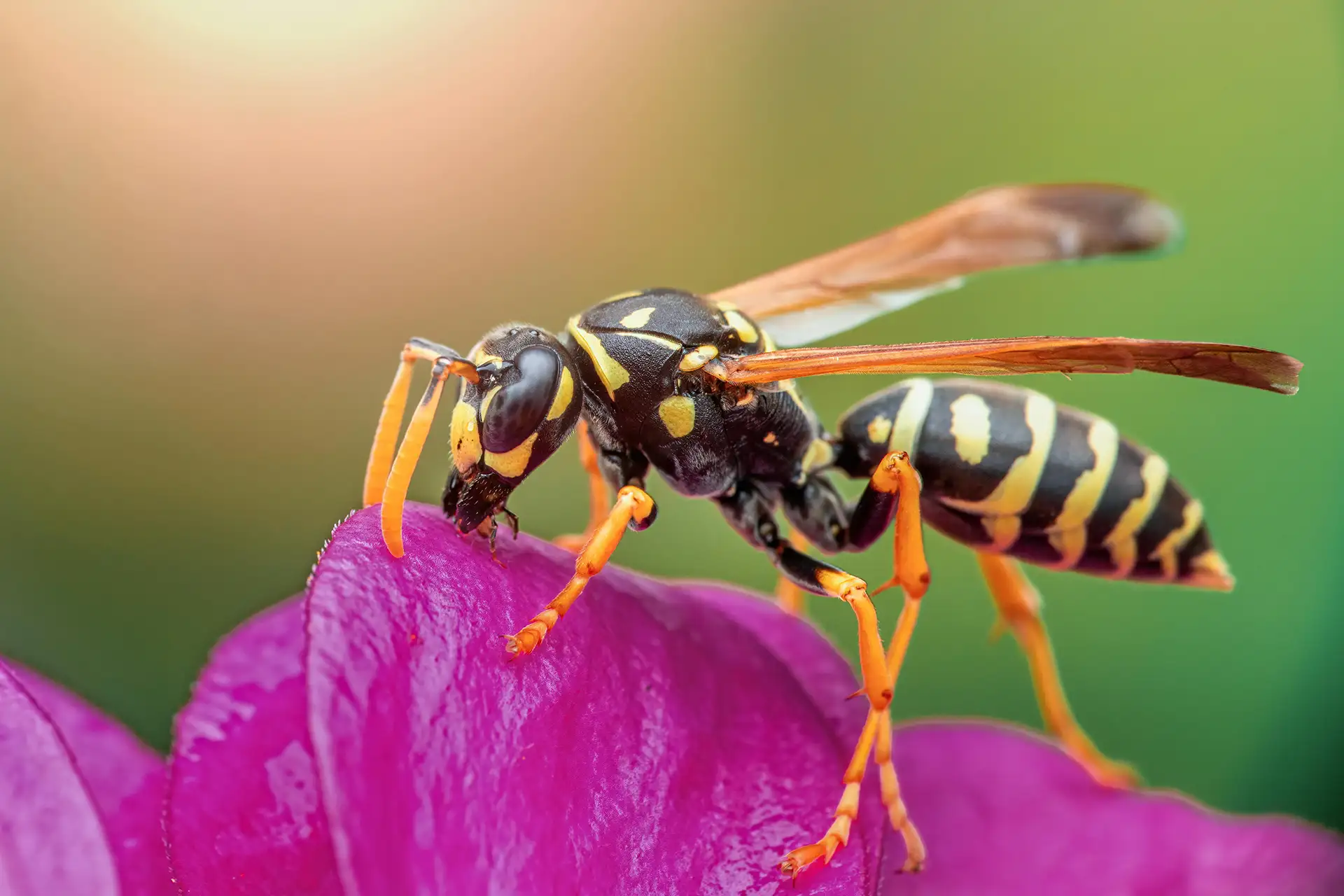
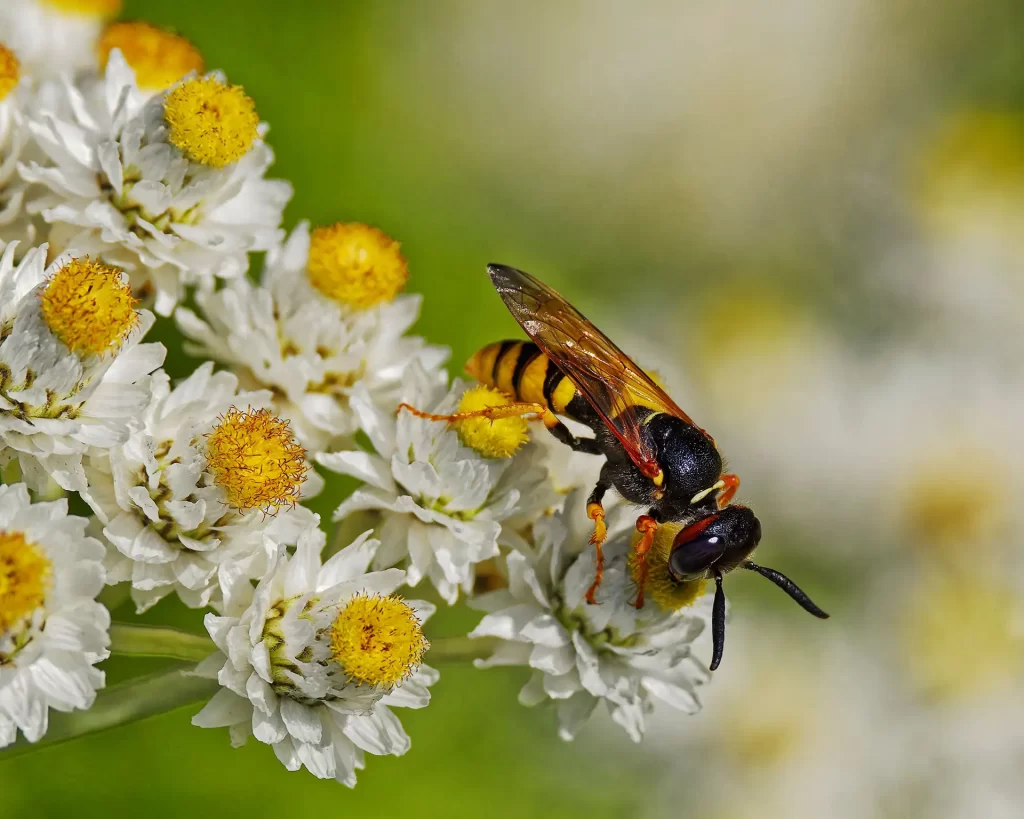
If one pest earns the title of “most aggressive,” it’s usually the wasp.
Throughout spring, wasp colonies quietly grow in size. By mid-to-late summer, hundreds of worker wasps may be defending a single nest.
- More worker wasps are produced
- Food competition increases
- Nests become highly defensive
- Human encounters become more common
This is why understanding when wasp nests become dangerous is so important. What begins as occasional activity early in the season can eventually become a significant safety concern.
Ants:
Small Pests With Rapidly Growing Colonies
Ants aren’t aggressive toward people in the same way wasps are, but they become far more persistent during summer.
Large colonies send thousands of worker ants searching for food and water, allowing infestations to spread quickly throughout a property.
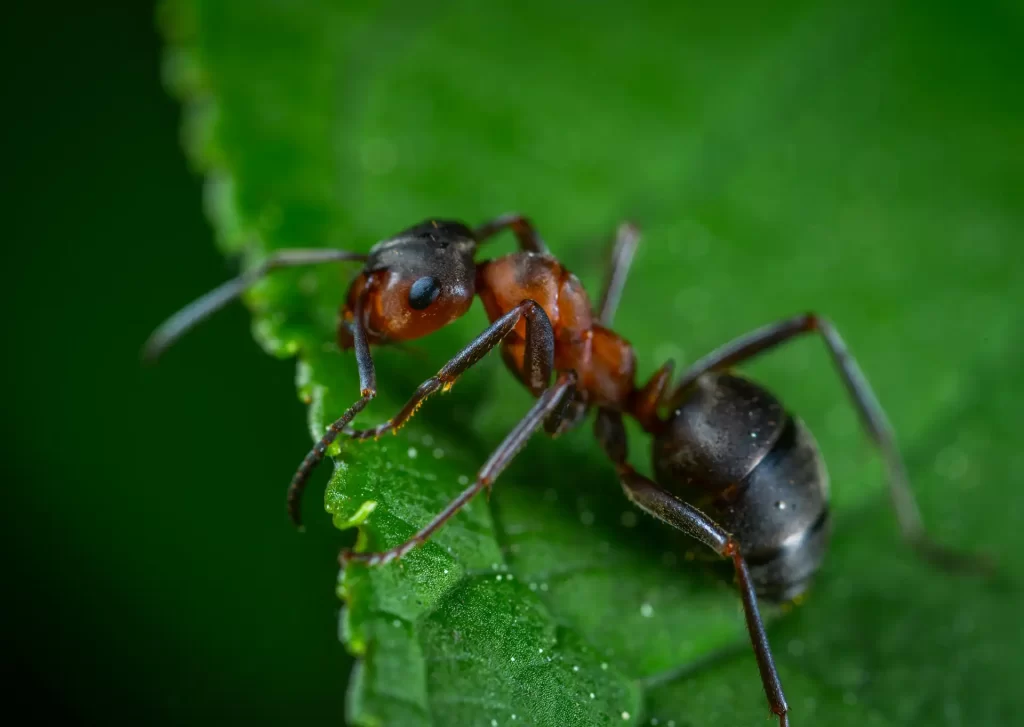
- Longer ant trails
- Activity in multiple rooms
- Outdoor colonies expanding
- Ants returning after treatment
If you’ve been battling recurring infestations, learning why ants keep coming back even after treatment can help explain why temporary solutions often fail.
Spiders Become More Noticeable
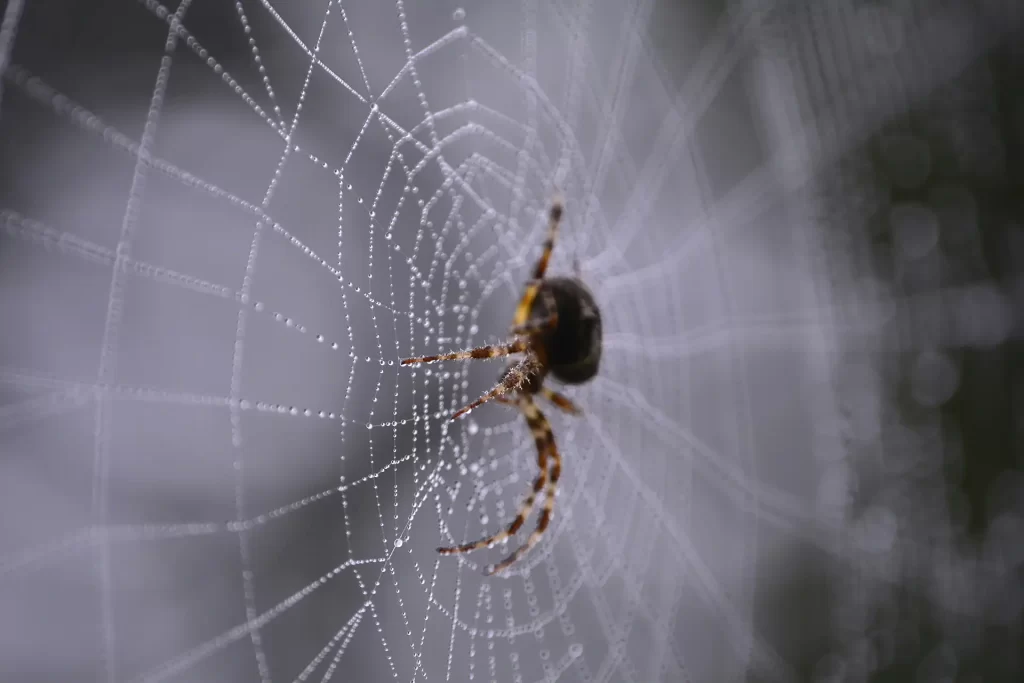
Spiders don’t become significantly more aggressive during summer—but they do become much easier to notice.
The reason is simple.
Their food supply increases.
As insect populations grow, spiders expand their hunting areas, which often brings them into garages, basements, crawl spaces, and living areas.
If you’ve been finding spiders throughout your home, it may be because you’re seeing so many spiders right now as they follow growing insect populations.
Rodents Never Really Take the Summer Off
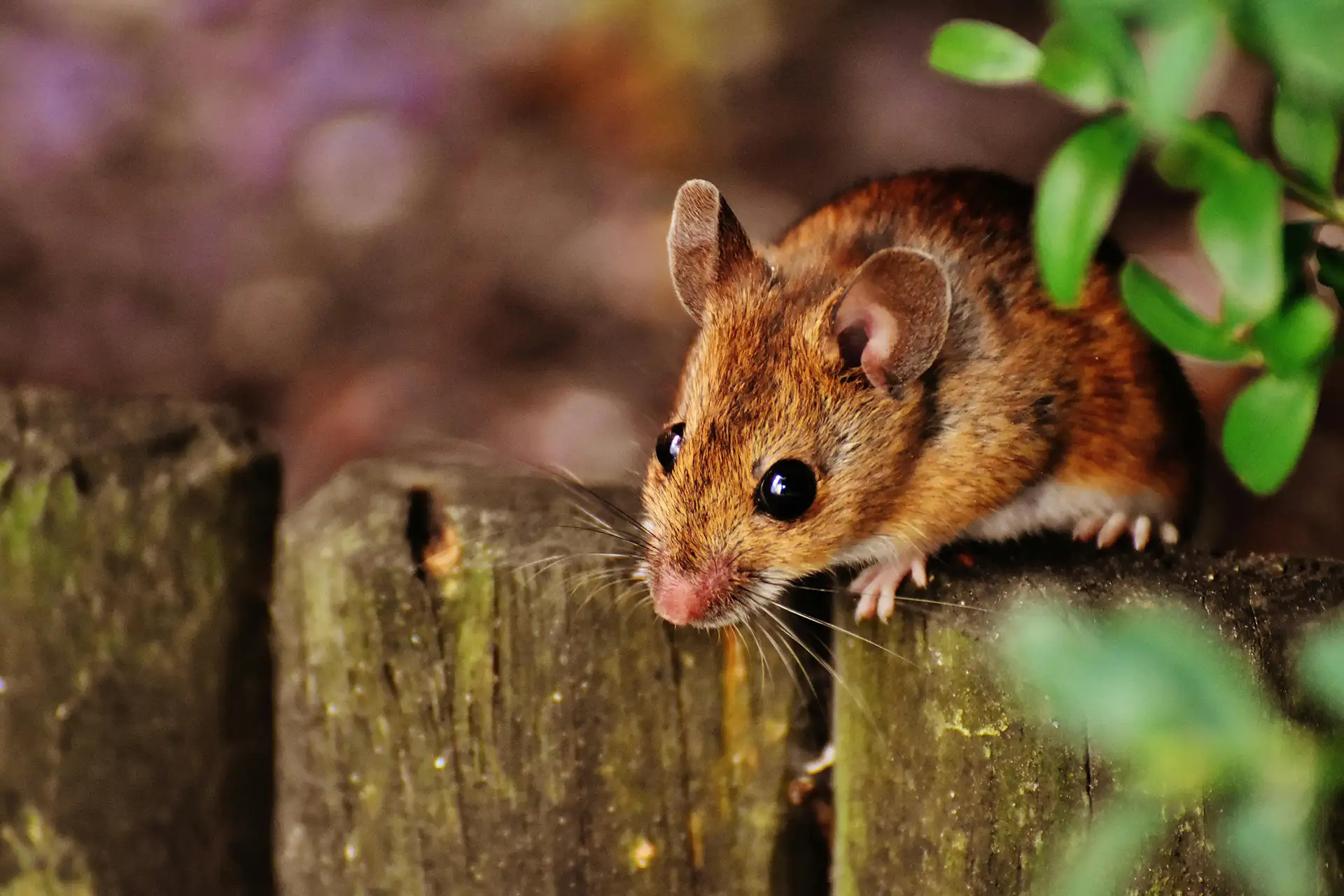
Many homeowners associate rodents with colder weather, but mice and rats remain active throughout the summer.
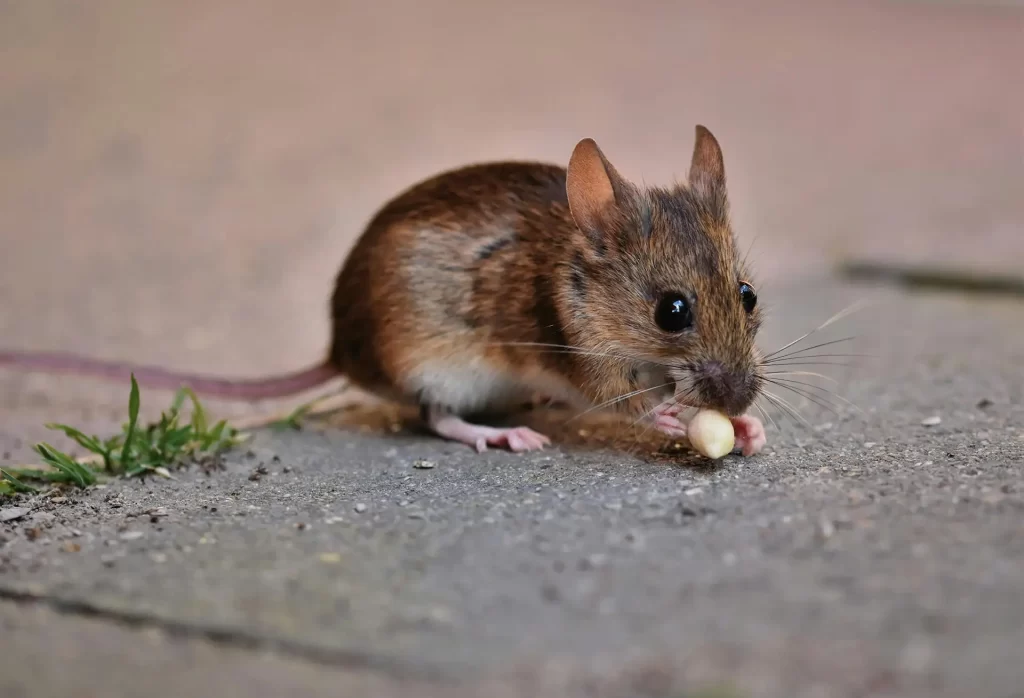
- Search for food
- Expand nesting areas
- Enter garages and sheds
- Explore homes through small openings
Summer is an excellent time to identify and seal entry points before colder weather drives rodents farther indoors.
Which Pest Should Concern Homeowners the Most?
The answer depends on the situation.
If you’re worried about stings and outdoor safety, wasps usually present the greatest immediate risk.
If you’re dealing with property-wide infestations, ants often become the most persistent nuisance.
If spiders suddenly appear in large numbers, they may indicate another insect problem developing around your home.
Rather than focusing on one specific pest, it’s important to pay attention to changing activity levels throughout the season.
How to Stay Ahead of Summer Pest Problems
The best time to address pest problems is before populations reach their peak.
- Removing food and water sources
- Sealing cracks and entry points
- Keeping landscaping trimmed
- Cleaning outdoor eating areas
- Monitoring for early pest activity
- Addressing nests or colonies before they expand
Early action is almost always easier than waiting until infestations become well established.
When Professional Pest Control Makes Sense
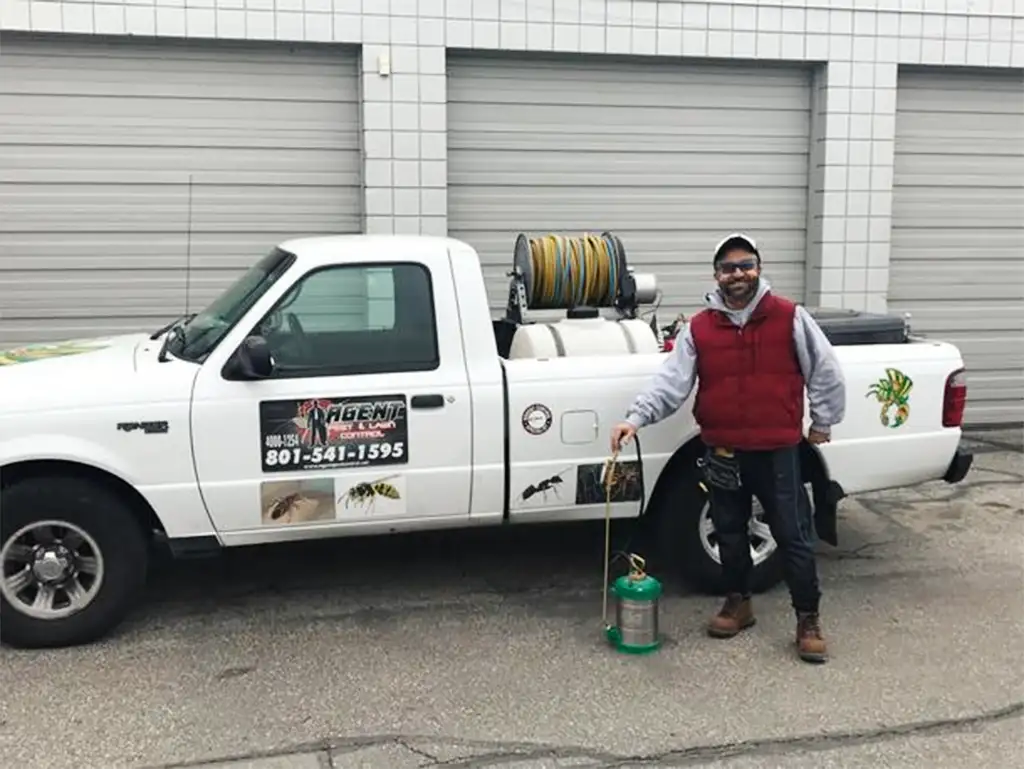
If pest activity continues increasing despite your efforts, professional treatment can help identify the source of the problem and stop infestations before they spread further.
Professional pest control focuses on:
- Locating hidden nests and colonies
- Eliminating active infestations
- Identifying entry points
- Reducing recurring seasonal activity
Common Questions
Wasps are generally the most aggressive because colonies become larger and more defensive as summer progresses. Ants, spiders, and rodents also become more active during this time.
Warm temperatures increase reproduction, food availability, and overall pest activity, causing populations to grow more rapidly.
Not usually. They become more visible because insect populations increase, giving them more opportunities to hunt.
Yes. Treating pest problems during summer can help eliminate active infestations and reduce populations before they become even larger.
Protect Your Home Throughout the Summer
Summer is the busiest season for pest activity in Utah, but it doesn’t have to become the busiest season for pest problems.