How to Keep Wasps Away All Summer
Nothing can ruin time outside faster than a growing wasp problem.
Whether you’re grilling with family, relaxing on the patio, or watching the kids play in the backyard, persistent wasps can quickly turn your outdoor spaces into places you’d rather avoid. While you can’t eliminate every wasp from your neighborhood, you can make your property far less attractive to nesting colonies.
The key is understanding why wasps choose certain yards in the first place—and taking steps to discourage them before small problems become dangerous ones.
Why Wasps Become More Active During Summer
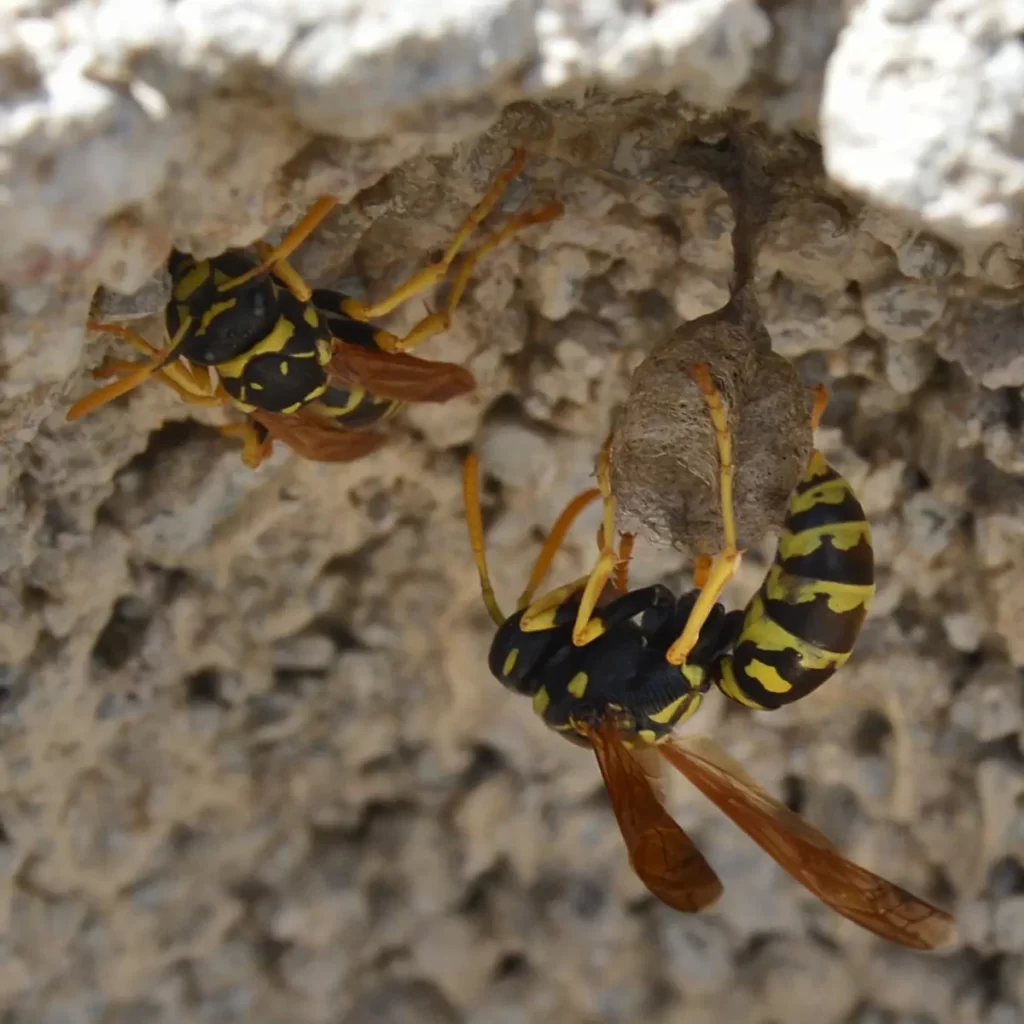
Many homeowners are surprised by how quickly wasp activity increases once summer arrives.
That’s because colonies spend spring quietly growing. By the middle of summer, hundreds of worker wasps may be leaving the nest every day in search of food and water.
- More worker wasps are produced
- Nest activity becomes much more noticeable
- Competition for food increases
- Wasps become increasingly defensive
Remove What Attracts Wasps
One of the most effective ways to reduce wasp activity is to eliminate the resources they’re looking for.
- Open garbage cans
- Sugary drinks
- Outdoor pet food
- Fallen fruit
- Standing water
- Uncovered food during outdoor gatherings
Many homeowners don’t realize what attracts wasps to your yard until activity has already become a daily occurrence. Removing these attractants can significantly reduce the number of wasps visiting your property.
Look for Early Nesting Activity
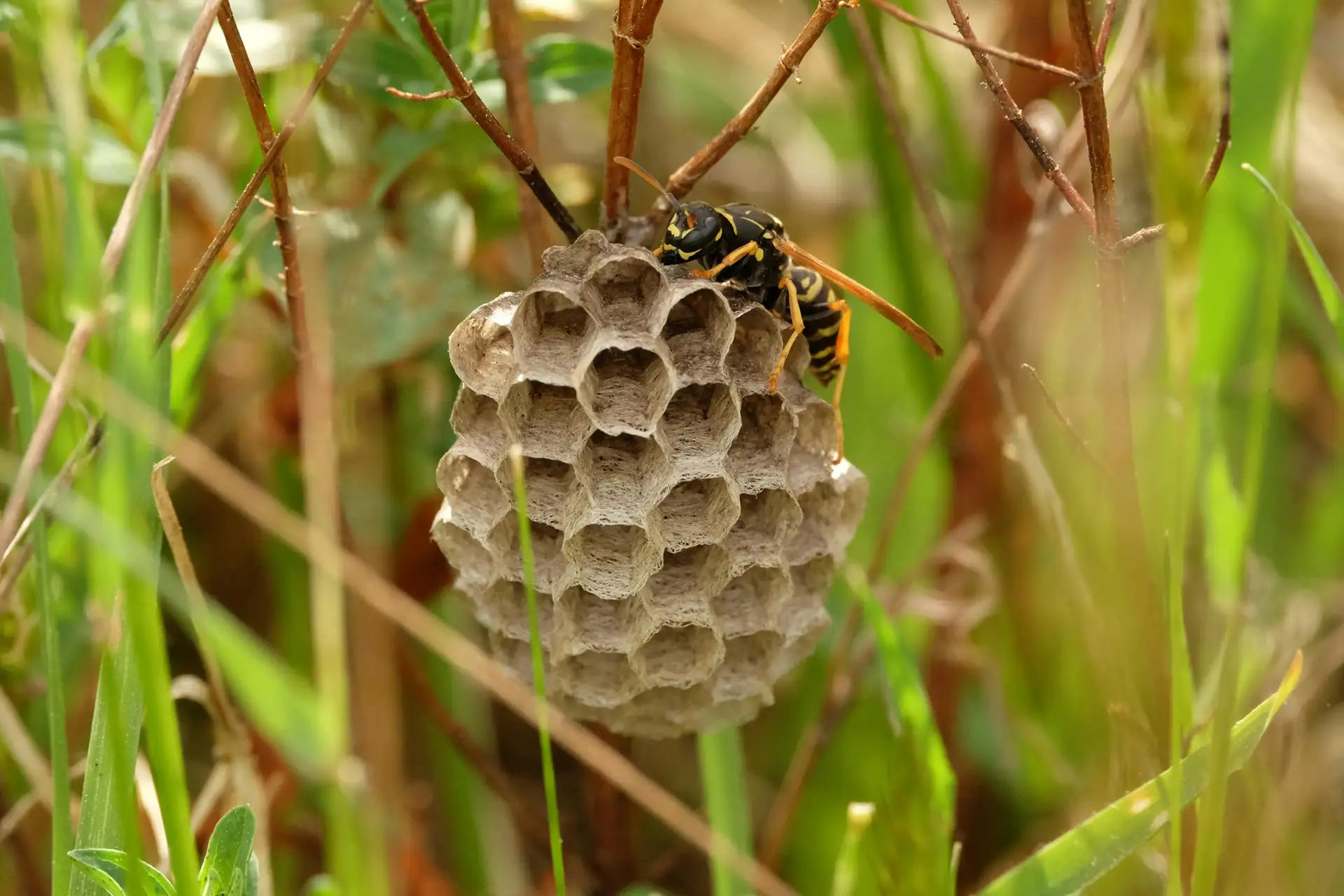
The earlier you find a developing nest, the easier the problem is to manage.
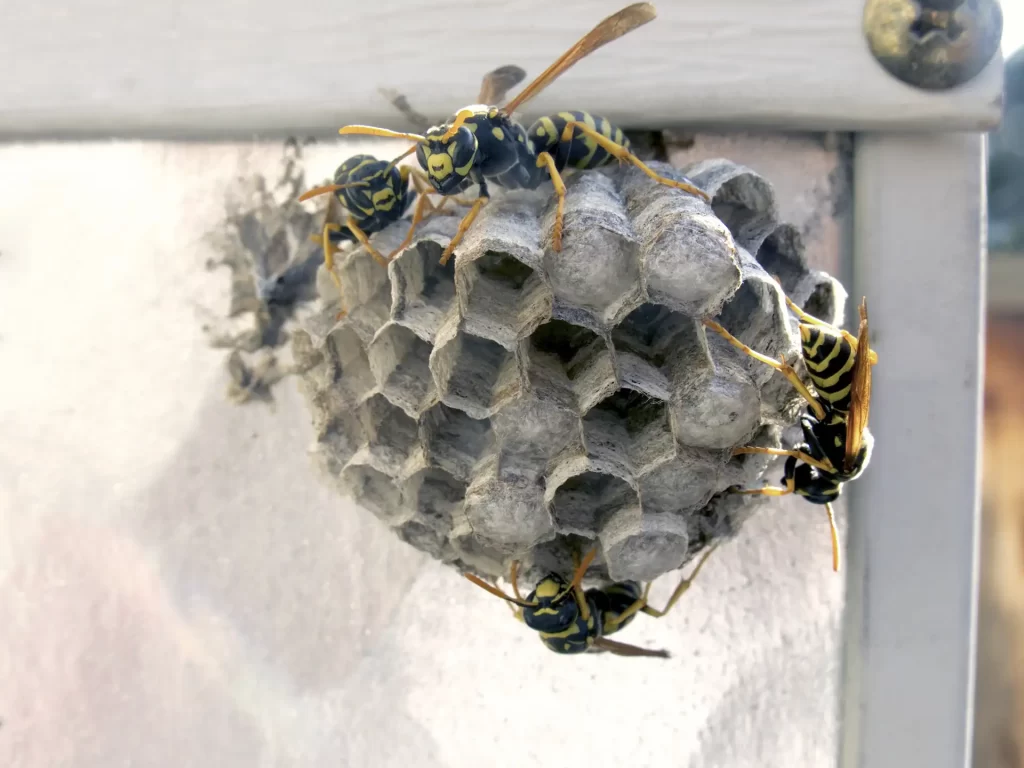
- Roof eaves
- Decks
- Patio covers
- Sheds
- Fences
- Play structures
- Outdoor storage buildings
Keep Your Landscaping Well Maintained
Overgrown landscaping can provide excellent shelter for wasps while making nests more difficult to spot.
- Trim shrubs and bushes away from structures
- Remove yard debris
- Keep tree branches away from the roof
- Limit dense vegetation near patios and walkways
Learn about Utah Wasps
See our pest library for the different species of wasps in Utah and how to identify them.
Don't Ignore Growing Wasp Activity
One or two wasps occasionally flying through your yard usually isn’t cause for concern.
However, repeated activity in the same location often tells a different story.
- Wasps follow the same flight path
- Regular activity around one section of your yard
- Increasing numbers each week
- Wasps entering small openings or disappearing underground
Why Waiting Can Make the Problem Worse
Wasp colonies don’t remain small.
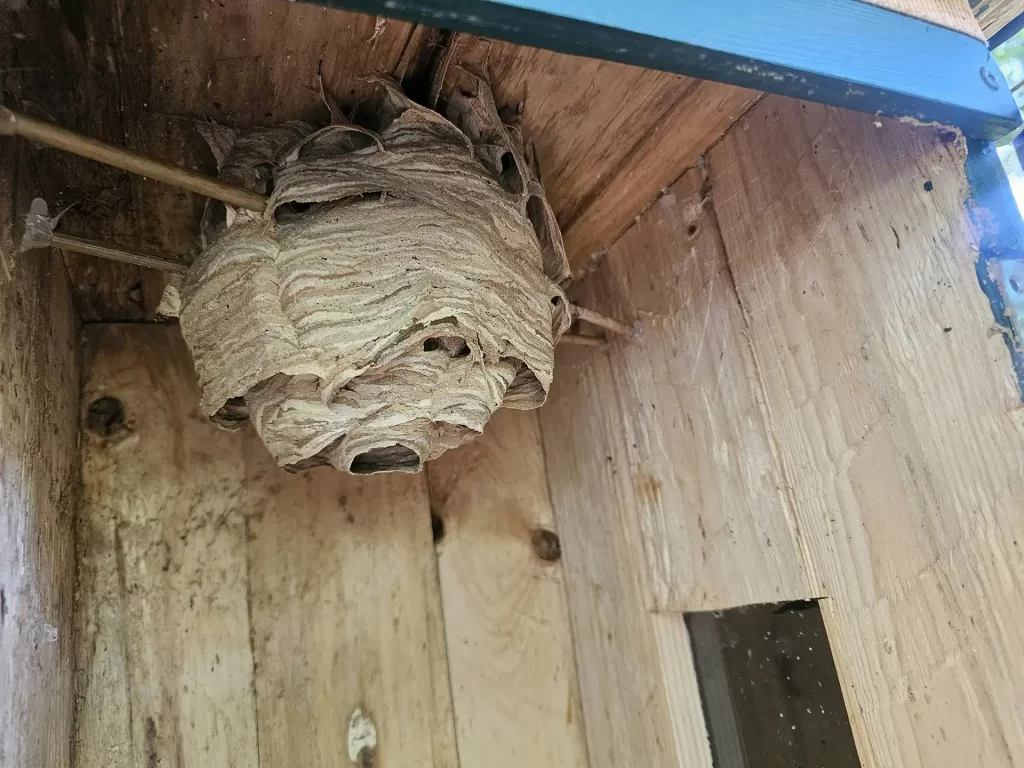
- Colonies grow rapidly
- More workers defend the nest
- Food competition increases
- The likelihood of stings rises
This is why it’s important to recognize when wasp nests become dangerous before they reach peak population later in the season.
When Professional Wasp Control Makes Sense
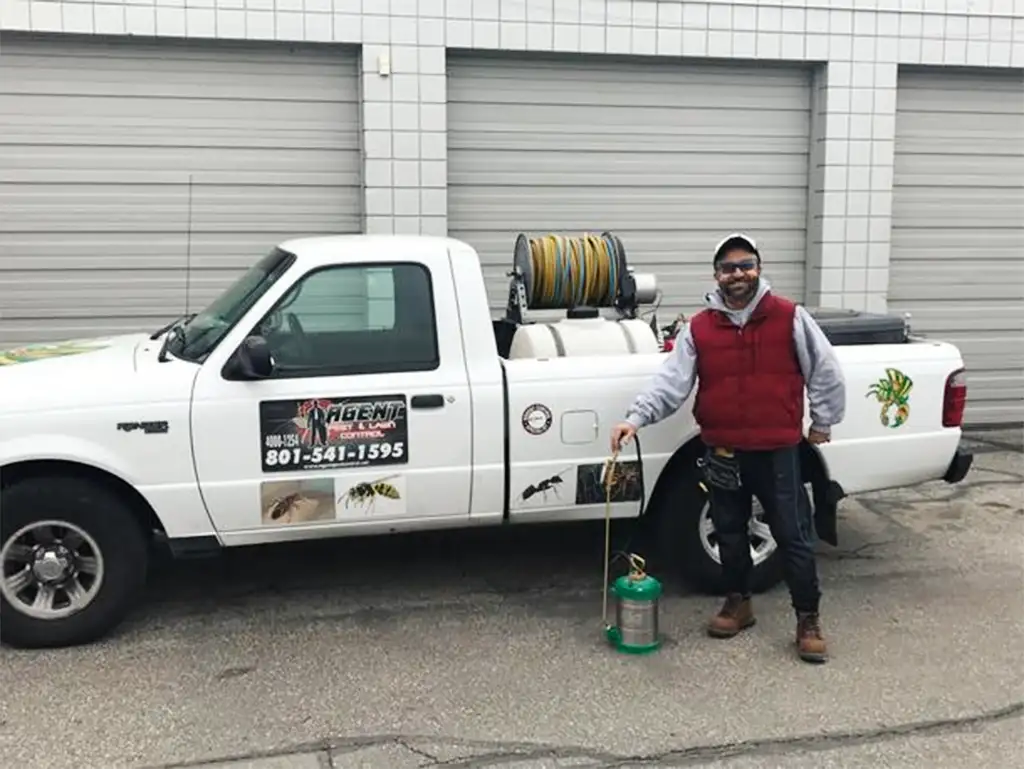
If wasps continue returning despite your prevention efforts, there’s a good chance an active colony has already become established nearby.
Professional treatment can help:
- Locate hidden nests
- Eliminate active colonies
- Reduce recurring wasp activity
- Help prevent future nesting around your home
Common Questions
Removing food sources, eliminating standing water, maintaining your landscaping, and addressing nests early can all help reduce wasp activity.
Wasps are commonly attracted to sugary foods, garbage, outdoor pet food, standing water, flowering plants, and protected nesting locations.
Colonies continue growing throughout the season, producing more worker wasps and becoming increasingly defensive as food becomes more competitive.
Individual wasps may move through your yard, but established colonies typically continue growing until the season ends unless they’re removed.
Enjoy Your Yard All Summer
A few preventative steps now can help reduce wasp activity before it becomes a much larger problem.